







White Sugar for Wholesale and Export Procurement
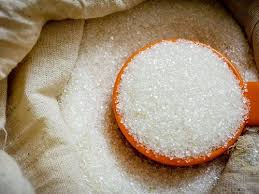
White sugar is crystallized sucrose derived from sugarcane or sugar beet juice. During processing, extracted juice is concentrated under heat; as moisture reduces, sucrose crystallizes out of solution. The resulting crystals are separated from the remaining liquid, which exits the process as molasses. What remains is pure sucrose in crystal form, odorless and shelf-stable when stored correctly.
For U.S. procurement teams, importers and food-industry buyers, understanding the grade and crystal structure of the white sugar being ordered matters directly to formulation, packaging and end-use application. Karmenda Co Ltd sources and exports multiple white sugar varieties to serve the full range of commercial requirements, from bulk granulated sugar for industrial food processing to coarse decorating sugar for confectionery and bakery operations.
White Sugar Varieties and Grade Specifications
Each white sugar grade listed below carries the same chemical composition (pure sucrose) but differs in crystal size, particle structure and solubility behavior, which determines its commercial application. U.S. buyers sourcing for specific manufacturing or distribution needs should identify the correct grade before placing a wholesale order.
Granulated Sugar (Table Sugar)
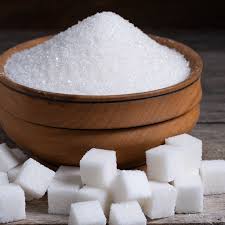
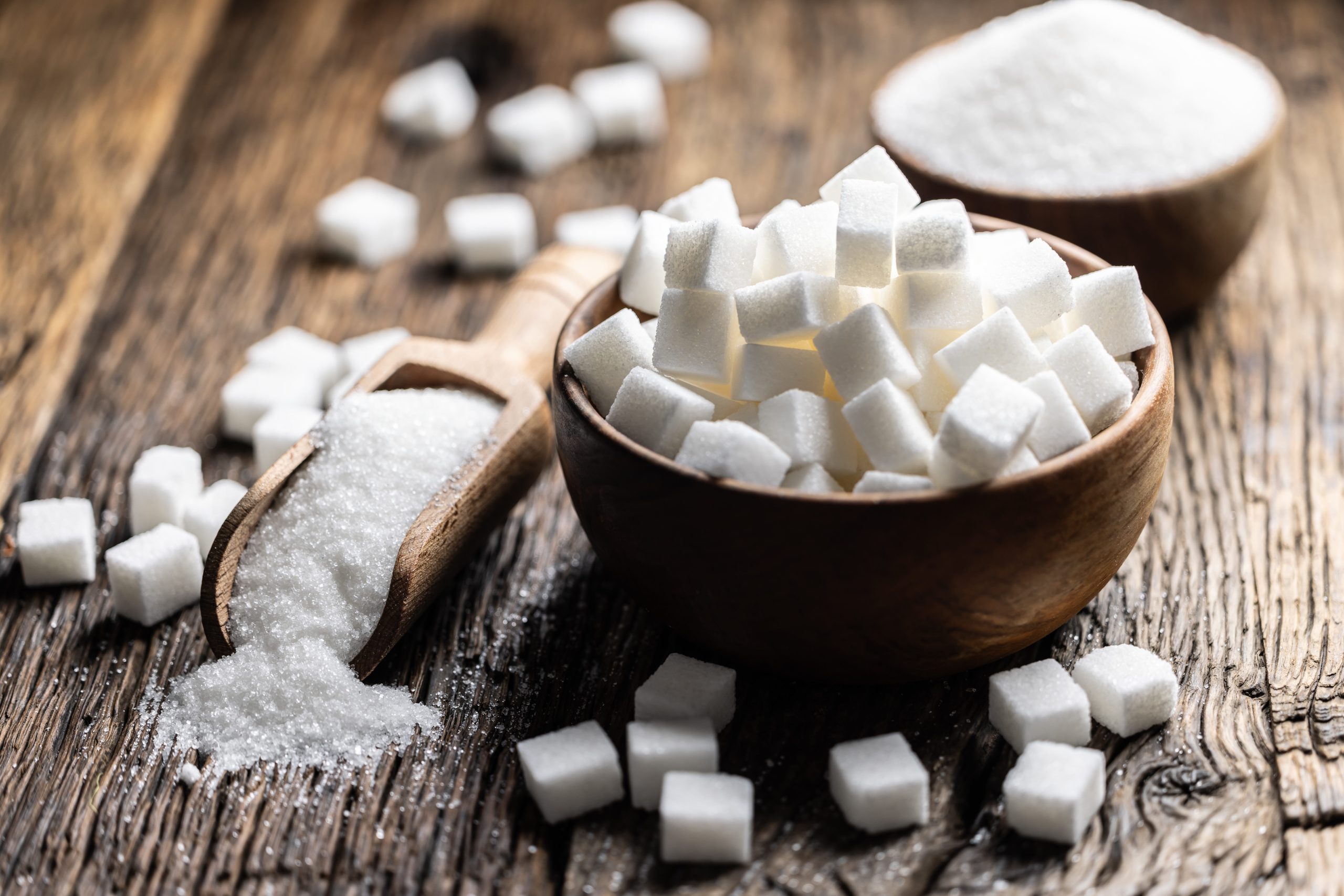
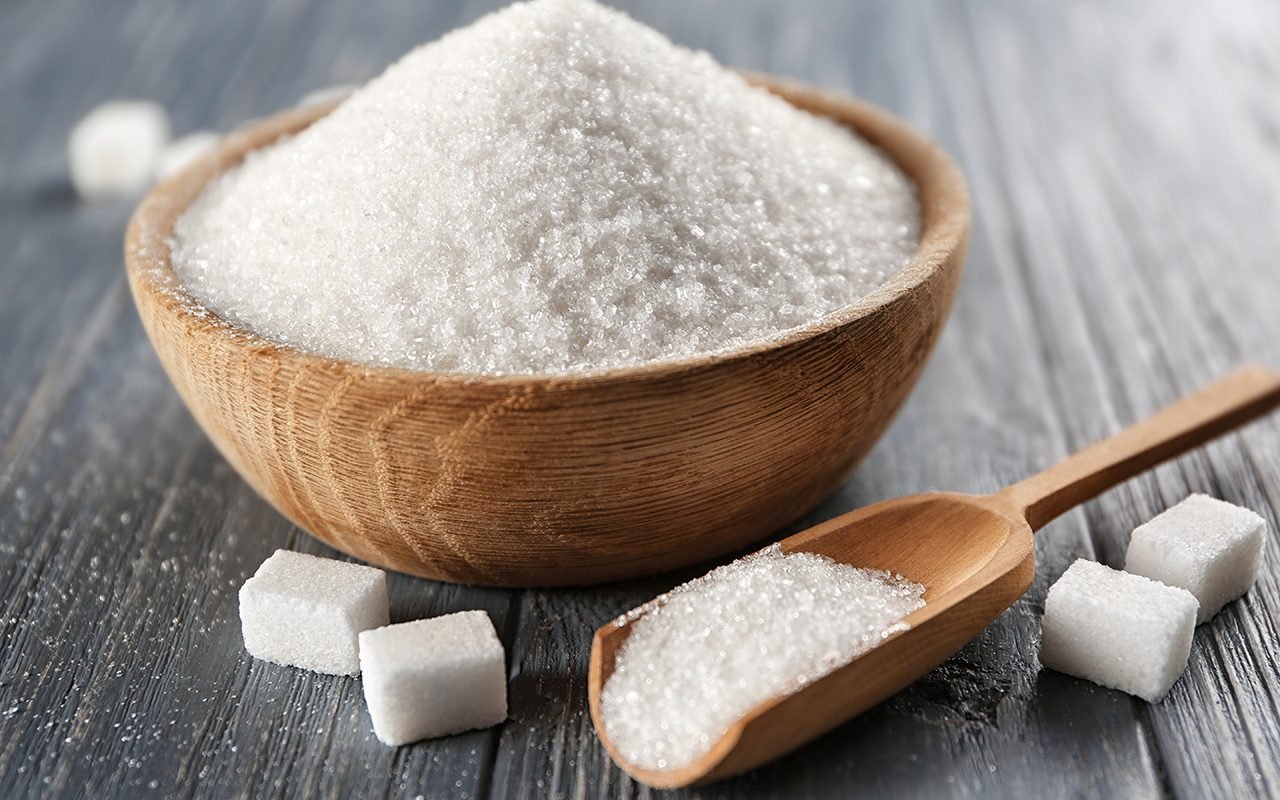
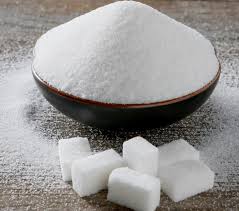
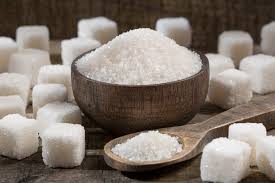
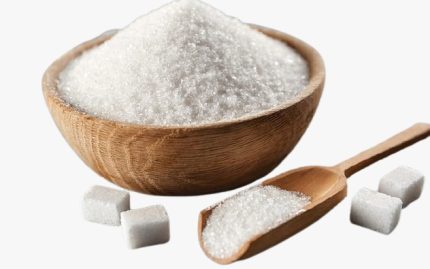
The standard grade for food manufacturing, food service and retail repackaging. Medium crystal size, free-flowing, and dissolves readily in both cold and warm liquids. This is the grade most commonly referenced when buyers search for bulk granulated sugar or white granulated sugar at the commodity level. It is the baseline raw material for beverage blending, baked goods, confectionery production and general sweetener applications across the food industry.
Caster Sugar (Superfine Sugar)
A finer crystal than standard granulated sugar, caster sugar disperses rapidly in liquids and mixtures without the gritty texture associated with coarser grades. Preferred in applications where complete dissolution is critical before heat is applied, including meringue, mousse, custard and cold beverage formulations. Food manufacturers producing premium baked goods or confectionery often specify superfine sugar to ensure consistent texture in finished products.
Confectioners Sugar (Powdered Sugar)
Mechanically milled to a fine powder, confectioners sugar typically includes an anti-caking agent such as cornstarch or calcium phosphate to prevent clumping during storage and handling. Its near-instant solubility in liquids makes it the standard input for icings, glazes, dusting blends and fine dessert applications. Distributors supplying bakery chains or confectionery manufacturers will encounter consistent demand for this grade across the U.S. market.
Coarse Grain Sugar (Decorating Sugar, Pearl Sugar)
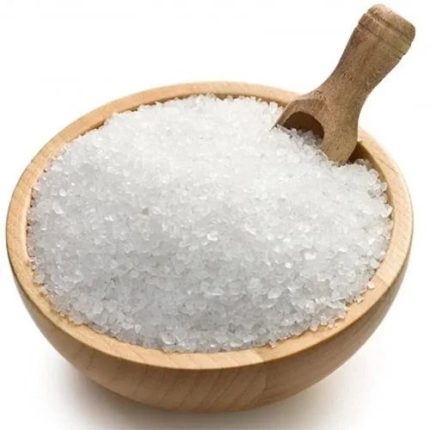
Large-crystal white sugar used primarily for visual finish on baked goods, pastries and confections. The oversized crystal structure resists melting at standard baking temperatures, preserving its appearance and providing texture contrast on the surface of finished products. Also referred to as sanding sugar or sparkling sugar in some U.S. trade channels, this grade appeals to specialty bakeries, decorating supply distributors and food manufacturers targeting premium presentation.
Lump Sugar (Sugar Cubes)
Granulated white sugar compressed into uniform blocks or cubes, held together with a small quantity of sugar syrup. Primarily used in beverage service settings, including coffee shops, hotels and food service operations, where pre-measured portions improve speed and consistency. Distributors serving the hospitality sector often carry lump sugar as a complement to granulated sugar in their portfolio.
Industrial and Food Manufacturing Applications
White sugar is one of the most broadly applied food ingredients in U.S. manufacturing. Procurement teams across the following sectors represent the primary commercial buyers of bulk white sugar at volume:
- Bakery and pastry manufacturing: Granulated and caster grades are used in doughs, batters and finished product coatings. Confectioners sugar is a primary input for icings and fillings.
- Beverage production: Granulated sugar is a base sweetener for carbonated drinks, energy beverages, syrups, flavored water and bottled coffee and tea products.
- Confectionery: All grades of white sugar appear in candy, chocolate coatings, hard sweets and gummy formulations, with each grade selected based on the specific texture and dissolution profile required.
- Dairy and frozen desserts: Caster and granulated sugar are used in ice cream bases, flavored yogurt, custard and mousse applications where controlled sweetness and texture are formulation priorities.
- Condiment and sauce manufacturing: White granulated sugar is a standard ingredient in ketchup, barbecue sauce, relish and other processed condiment lines.
- Food service distribution: Lump sugar, table sugar packets and granulated bulk packs are standard stock-keeping units for distributors serving restaurants, hotels and catering operations.
- Craft beverage and brewing: Pure white cane sugar is used as a fermentable carbohydrate in craft seltzer, cider and specialty beer production, where a neutral sugar flavor profile is required.
Storage and Handling Requirements for Bulk Orders
Proper storage is essential to maintaining white sugar quality from point of import through to final use. White sugar is hygroscopic, meaning it will absorb ambient moisture if stored in humid or improperly sealed conditions, which leads to caking, crystal fusion and reduced flowability in granulated grades.
- Store in a cool, dry environment away from heat sources and direct sunlight.
- Maintain consistent temperature to prevent condensation cycles inside packaging.
- Keep sealed until use. Once opened, reseal or transfer to airtight containers.
- Granulated sugar has an extended shelf life under correct conditions. Confectioners sugar, due to its anti-caking agent content, should be used within the stated shelf life window.
- Avoid storing near strong-odored materials. While white sugar is odorless, the crystalline structure can absorb ambient aromas over time.
U.S. importers receiving bulk sugar shipments in bags, super-sacks or containers should inspect packaging integrity on arrival and store product according to standard dry-goods warehouse protocols before redistribution or processing.
White Sugar vs. Brown Sugar and Raw Sugar: Buyer Considerations
U.S. procurement teams frequently evaluate white sugar alongside brown sugar, raw sugar and unrefined cane sugar alternatives. The decision between these inputs is driven by formulation requirements rather than a straightforward quality comparison.
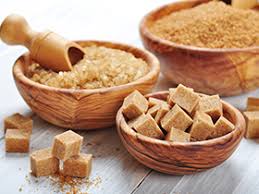
- White sugar vs. brown sugar: Brown sugar retains a portion of molasses, delivering a characteristic flavor and darker color that is intentional in products like brown-sugar-glazed goods, barbecue sauces and certain baked goods. White sugar provides a neutral sweetness profile where the sugar should not contribute color or secondary flavor to the final product. Substituting brown sugar for white sugar in a formulation will alter both flavor and color output.
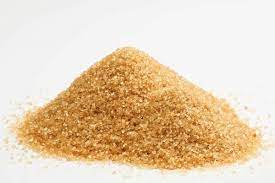
- White sugar vs. raw sugar: Raw sugar, including turbinado and demerara grades, carries residual molasses and a coarser crystal with a tan color. It is used in specific specialty applications and artisan baking contexts. For high-volume industrial food processing, white granulated sugar remains the standard because of its neutral flavor, consistent particle size and reliable dissolution behavior.
- White sugar vs. ICUMSA grades: In international trade, white sugar quality is often specified by ICUMSA color units. Lower ICUMSA numbers indicate higher whiteness and purity. Buyers importing sugar at commercial volumes should confirm the ICUMSA specification relevant to their use case.
Karmenda Co Ltd also supplies Brown Sugar for buyers requiring both white and brown sugar grades from a single export source, and offers ICUMSA-graded cane sugars for buyers with specific purity requirements.
ICUMSA-Graded White Cane Sugar Options
For U.S. importers and commodity buyers who source sugar against a formal quality specification, Karmenda Co Ltd offers multiple ICUMSA-graded white cane sugar products. These grades are the standard reference point for international sugar trade and U.S. import documentation.
- ICUMSA 45 White Refined Sugar – the highest purity commercial grade, preferred by food manufacturers and beverage processors requiring pharmaceutical-grade whiteness and minimal color contribution.
- ICUMSA 100 White Cane Sugar – a commercially refined grade suitable for direct food production use where ICUMSA 45 specification is not required.
- ICUMSA 150 White Cane Sugar – a plantation white grade frequently used in food processing applications where a slightly off-white color is acceptable and cost efficiency is a sourcing priority.
Buyers sourcing raw or partially refined cane sugar can also review our Raw Brown Cane Sugar ICUMSA 600-1200 for unrefined cane sugar requirements.
Export and Trade Documentation for U.S. Buyers
Importing white sugar into the United States involves compliance with FDA food safety regulations, USDA import requirements and standard customs documentation. As a Kenya-based exporter, Karmenda Co Ltd works with buyers to facilitate the documentation required for a compliant import shipment.
- Certificate of Origin: Required for customs clearance and to determine applicable import duties under relevant trade agreements.
- Phytosanitary and health certificates: Issued by the relevant Kenyan authorities confirming the product meets export standards.
- Quality and specification documentation: Available on request, including ICUMSA analysis certificates for graded sugar products.
- Bill of Lading and packing lists: Standard shipping documentation provided for all export shipments.
- FDA prior notice: U.S. importers are responsible for submitting prior notice to the FDA before the arrival of food shipments. Karmenda Co Ltd can provide the product and supplier details required to complete this filing.
U.S. importers new to sourcing sugar from East Africa are encouraged to contact us early in their procurement process to confirm available grades, packaging formats, minimum order quantities and lead times before committing to a purchase order.
Packaging Formats for Wholesale and Import Shipments
White sugar is available in multiple packaging configurations depending on buyer volume, downstream use and import logistics preferences. Contact us to confirm current available formats and minimum order quantities for each packaging option.
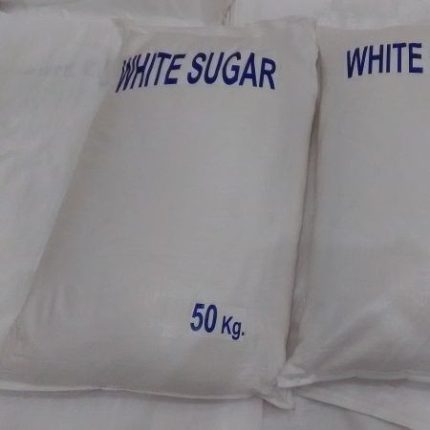
- Polypropylene bags (25 kg and 50 kg): Standard export packing for granulated and coarse sugar grades. Suitable for warehouse storage and redistribution.
- Jumbo bags (super-sacks, 1,000 kg): High-volume bulk format for industrial buyers and processors who receive sugar directly into production facilities.
- Custom retail repack: Available for buyers requiring smaller consumer or food service pack sizes. Discuss requirements at inquiry stage.
Request a Wholesale Quote
Karmenda Co Ltd is a Kenya-based exporter and international supplier serving U.S. importers, distributors, food manufacturers and procurement teams with bulk white sugar and a broad range of agricultural commodities. To receive pricing, grade specifications, packaging options and lead time information, submit a wholesale inquiry through our contact page. Include your target grade, required volume, destination port and any relevant specification requirements to receive an accurate trade quotation.



Reviews
There are no reviews yet.