




Why Procurement Teams Choose Karmenda as Their Plywood Supplier
U.S. importers, building material distributors, and procurement specialists sourcing plywood at wholesale volume need more than a product listing. They need a plywood supplier that can confirm grade consistency, communicate thickness tolerances, manage export documentation, and deliver on schedule across container loads. Karmenda Co. Ltd operates as an export-oriented plywood supplier based in Kenya, offering panels calibrated for international trade requirements. Whether your purchasing pipeline calls for interior-grade softwood sheets, hardwood-faced furniture panels, or moisture-resistant exterior boards, our range addresses the core specification categories that U.S. buyers actively evaluate.
Plywood Construction: What Makes These Panels Perform
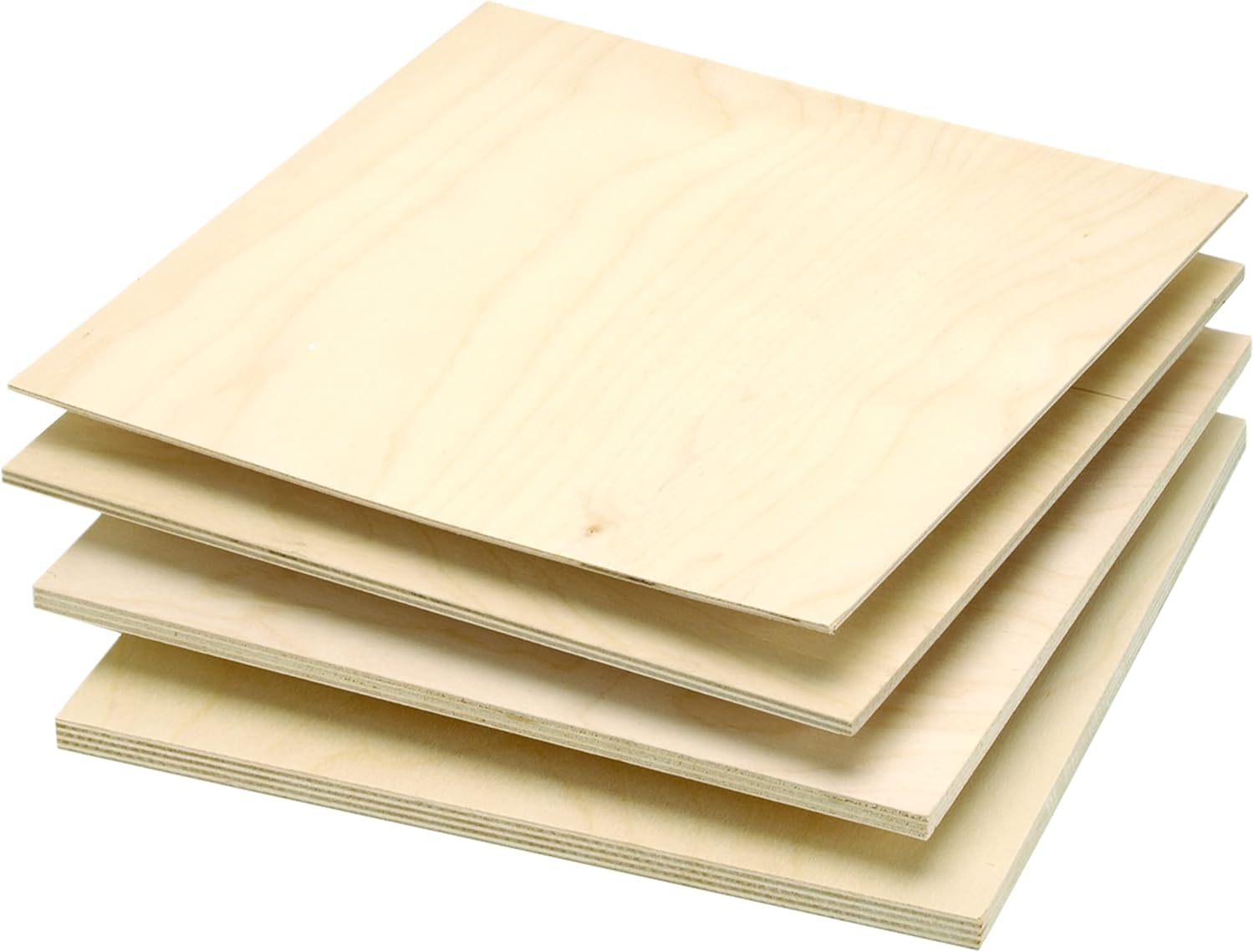
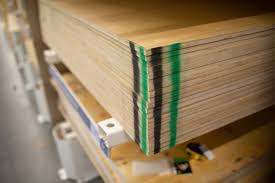
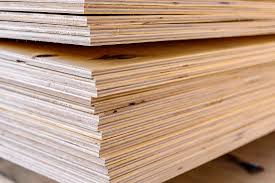
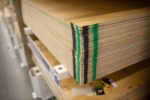
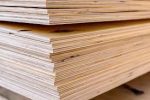
Our plywood sheets are built on the cross-grain lamination principle. Thin wood veneers are oriented in alternating grain directions, then bonded under compression with structural adhesive. This perpendicular ply arrangement counteracts the natural tendency of solid wood to expand and contract along the grain, producing a panel that holds its shape under load, humidity variation, and mechanical stress. The result is a sheet material that combines the structural responsiveness of real wood with a dimensional predictability that solid timber cannot match at equivalent thicknesses.
For procurement teams specifying panels for construction or industrial use, this laminated architecture also means consistent face quality across the sheet, predictable fastener holding strength, and a surface that accepts stains, paints, and adhesives without pre-treatment on most grades.
Panel Grades and Species: Matching Product to Application
Selecting the right plywood grade before placing a wholesale order avoids costly substitution and project delays. Our range covers the primary categories U.S. buyers reference when sourcing plywood in bulk:
Softwood Plywood for Structural and Construction Use
Softwood panels are the workhorse of residential and commercial construction. Lighter in density than hardwood-core alternatives, they are well suited to roof decking, wall sheathing, subfloor applications, and structural hoarding. Thinner softwood sheets (including options in the 1/4-inch to 3/8-inch range) are easy to handle, cut cleanly with standard blades, and can be bent around curved forms for hoarding or interior fit-out work. Heavier gauges in the 3/4-inch class carry significant loads and are the standard choice for subfloor decking and platform framing applications.
Hardwood Plywood for Cabinetry, Furniture, and Finish Carpentry
Hardwood-faced panels are the specification of choice for cabinet shops, custom furniture manufacturers, and finish carpenters who require a face veneer with visual appeal alongside structural integrity. The core construction retains the cross-grain stability of standard plywood, while the face veneer delivers a surface quality suitable for transparent finishes, veneered laminates, or paint-grade applications. Buyers sourcing for millwork, table tops, drawer components, or decorative wall panels will find hardwood plywood the appropriate grade class.
Exterior-Grade and Moisture-Resistant Panels
Panels intended for exterior applications, roofing underlayment, concrete formwork, or ground-contact structural uses require adhesive systems that resist delamination under sustained moisture exposure. Our exterior-grade sheets are bonded with weather-resistant adhesive formulations appropriate for these conditions. Procurement teams specifying panels for use in humid climates, exposed assemblies, or marine-adjacent environments should confirm exterior-grade bonding when placing orders.
Marine-Grade Plywood
Marine plywood occupies its own specification tier. It is manufactured to tighter veneer quality standards than standard exterior plywood, with minimal core voids and face veneers graded for near-defect-free surfaces. The adhesive is waterproof rather than merely moisture-resistant. U.S. buyers sourcing for boat building, dock construction, wet-area cabinetry, or any application where prolonged water contact is expected should specify marine-grade panels explicitly. Contact us to discuss marine plywood availability within your order volume.
Thickness Range and Standard Sheet Dimensions
Our plywood sheets are available across a practical thickness range to match the structural and handling requirements of different project types. The table below outlines how procurement teams typically map thickness to application category:
| Nominal Thickness | Common Application | Typical Grade |
|---|---|---|
| 1/8 inch (3mm) | Laser cutting, curved panel work, interior cladding | Interior softwood or hardwood-faced |
| 1/4 inch (6mm) | Cabinet backs, drawer bottoms, decorative paneling | Hardwood-faced or interior softwood |
| 3/8 inch (9mm) | Roof decking, wall bracing, bending applications | Exterior softwood |
| 1/2 inch (12mm) | Subfloor, wall sheathing, general construction | CDX or exterior softwood |
| 3/4 inch (18-19mm) | Subfloor, structural hoarding, cabinet carcasses, countertops | Softwood, hardwood-faced, or marine |
| 1 inch and above | Heavy-duty structural use, load-bearing platforms | Exterior or structural grade |
Standard face dimensions follow the 4×8-foot (48″ x 96″) sheet format that is the baseline for U.S. construction and manufacturing workflows. Custom dimensions may be discussed for high-volume orders. Contact our export team with your required specifications.
Finish Options and Surface Treatments
The face finish on a plywood panel directly affects its suitability for a given end use. Our panels are available in a range of surface conditions depending on grade and species:
- Sanded smooth: Cabinet-grade and furniture panels arrive with a sanded face ready for staining, painting, or veneering without additional surface preparation in most cases.
- Unsanded or rough-faced: Structural panels for sheathing, hoarding, or subfloor use do not require a finished face and are supplied accordingly, reducing cost for applications where surface appearance is irrelevant.
- Natural wood face: Hardwood-faced grades carry a natural veneer that can be left as-supplied for decorative applications, or finished with compatible stains and coatings per the buyer’s finishing specification.
Export Process and Wholesale Supply for U.S. Buyers
Sourcing plywood at wholesale volume from an international supplier involves a specific sequence of commercial and logistical steps. Karmenda Co. Ltd has established processes aligned with the requirements of U.S. importers:
- Specification confirmation: Buyers submit grade, thickness, sheet size, bonding type, and quantity requirements. We confirm product availability and lead time before order placement.
- Quotation and pricing: Wholesale plywood pricing is provided per container load or agreed minimum order quantity. Price per sheet varies by grade, thickness, and species. Contact us directly for a current export quote.
- Documentation: Export documentation including commercial invoice, packing list, bill of lading, and phytosanitary certificate where applicable is managed through our export operations team. U.S. importers should advise on any additional customs or USDA documentation requirements at the time of inquiry.
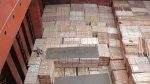
- Shipping and logistics: Panels are packed for container shipment to minimize movement and protect face quality in transit. We work with freight forwarders experienced in East Africa to U.S. port routing.
For distributors, wholesalers, and procurement teams evaluating Karmenda as a plywood supplier, we recommend beginning with a detailed specification inquiry so we can provide accurate lead times and per-unit pricing across your required SKU mix.
Applications Across Construction and Manufacturing Sectors
The versatility of plywood as a panel material means our buyer base spans multiple industries. Understanding which application category your procurement falls into helps us match the correct grade and bonding specification:
- Residential and commercial construction: Wall sheathing, roof decking, subfloor systems, and structural hoarding all consume significant plywood volume per project cycle. Contractors and building material distributors typically source in full container quantities.
- Cabinet and furniture manufacturing: Cabinet shops and furniture manufacturers require consistent face grade and stable core construction across long production runs. Hardwood-faced and sanded panels are the standard specification in this segment.
- Flooring systems: Plywood underlayment and subfloor panels form the structural base for finished flooring installations. Tongue-and-groove edge profiles are common in this application category.
- Decorative and carpentry projects: Smaller fabrication shops and design-build contractors use plywood for bespoke furniture, millwork details, and architectural feature elements where the natural wood face is part of the design intent.
- Industrial and packaging: Heavier structural panels serve as crating, pallet decking, and load-bearing platform material in logistics and manufacturing environments. See also our Wooden Pallets for related timber packaging solutions.
Relationship to Solid Timber: When Plywood and Lumber Each Make Sense
Procurement teams sourcing both sheet goods and solid timber should understand how plywood and dimensional lumber complement each other in structural and manufacturing assemblies. Solid lumber provides the beam, joist, and stud components that carry point loads and span requirements. Plywood provides the diaphragm sheathing, decking, and panel elements that distribute loads and create rigid planes. For buyers consolidating supply, Karmenda also supplies Lumber alongside our plywood range, allowing combined shipment of complementary wood products within a single export order.
Key Buyer Considerations Before Placing a Wholesale Plywood Order
U.S. importers and distributors evaluating an international plywood supplier for the first time typically work through a standard set of qualification questions. Here is how those considerations map to our supply offering:
- Grade consistency across batches: Buyers ordering repeat container loads need confidence that face grade and core quality remain stable. Request a sample panel set with your initial inquiry to evaluate surface quality and veneer consistency before committing to volume.
- Thickness tolerance: Nominal and actual thickness can differ across supply sources. Confirm the actual caliper tolerance for each thickness class when requesting a quote, particularly for applications with tight dimensional requirements such as cabinet carcass construction.
- Bonding specification for end use: Interior, exterior, and marine adhesive systems are not interchangeable. Specifying the correct bonding type at inquiry stage avoids product substitution risk.
- Lead time and container readiness: International plywood supply involves production, inspection, packing, and port transit lead times that differ from domestic distributor sourcing. Factor these into your procurement calendar and communicate delivery windows early.
- Minimum order quantity: Wholesale export pricing is structured around container loads. Contact us to discuss the minimum quantities that unlock our export pricing tiers for your required grade mix.
Frequently Asked Questions
What plywood grades do you supply for export?
We supply softwood and hardwood plywood in interior and exterior grade adhesive systems, including marine-grade panels. Grades are discussed and confirmed at the inquiry stage based on your specification and application requirements.
What is the standard sheet size for export orders?
The primary sheet format is 4×8 feet (48″ x 96″), which is the standard dimensional baseline for U.S. construction and manufacturing. Alternative dimensions can be discussed for suitable order volumes.
Can I order mixed thicknesses within the same container?
Yes. Mixed-thickness container loads are possible for buyers who need multiple panel specifications across a single shipment. Provide your complete thickness and grade list when requesting a quotation so we can confirm packing configuration and pricing.
What export documentation do you provide?
Standard documentation includes commercial invoice, packing list, and bill of lading. Phytosanitary certificates and any additional USDA or customs documentation required by your port of entry can be arranged. Advise your specific requirements at inquiry stage.
How do I get a wholesale plywood price quote?
Submit your specification requirements including grade, thickness, bonding type, sheet size, and target quantity using our contact or inquiry form. Our export team will respond with pricing and lead time within a short turnaround. There is no obligation at the quotation stage.
Is your plywood suitable for exterior and roofing applications?
Yes. Our exterior-grade panels use moisture-resistant adhesive bonding appropriate for roofing, sheathing, and other exposed assembly applications. Confirm exterior-grade bonding explicitly when placing your order specification.




Reviews
There are no reviews yet.