



Product Specifications at a Glance
Procurement teams and import buyers evaluating almond nuts wholesale need precise, verifiable parameters before issuing a purchase order. The specifications below reflect verified product data supplied by the exporter. No inferred values have been added.
| Parameter | Specification |
|---|---|
| Type | Almond |
| Cultivation | Organic |
| Processing | Raw and Roasted |
| Style | Dried |
| Grade | 1st Grade |
| Taste Profile | Sweet / Salty |
| Moisture Content | Max 6% |
| Purity | Approx. 99% |
| Broken Kernels | Max 5% |
| Bad / Obscure Kernels | Max 5% |
| Aflatoxins | Max 5 PPB |
| Kernel Size | 1.2 – 1.5 cm length |
| Shelf Life | 2 Years |
| Standard Pack | 25 kg vacuum bags per carton |
| Custom Packing | Available per buyer requirement |
U.S. importers sourcing bulk almond nuts for distribution or repackaging will find that the aflatoxin ceiling of 5 PPB aligns with FDA action levels for tree nuts, which set a limit of 20 PPB total aflatoxins for human food (FDA guidance on aflatoxins in food). Buyers applying stricter internal thresholds should confirm tolerances at the inquiry stage.
Raw vs. Roasted: Choosing the Right Form for Your Supply Chain
Both processing types are available from a single source, which simplifies procurement for buyers who need to service multiple retail or food-service segments simultaneously.
Raw Almond Nuts
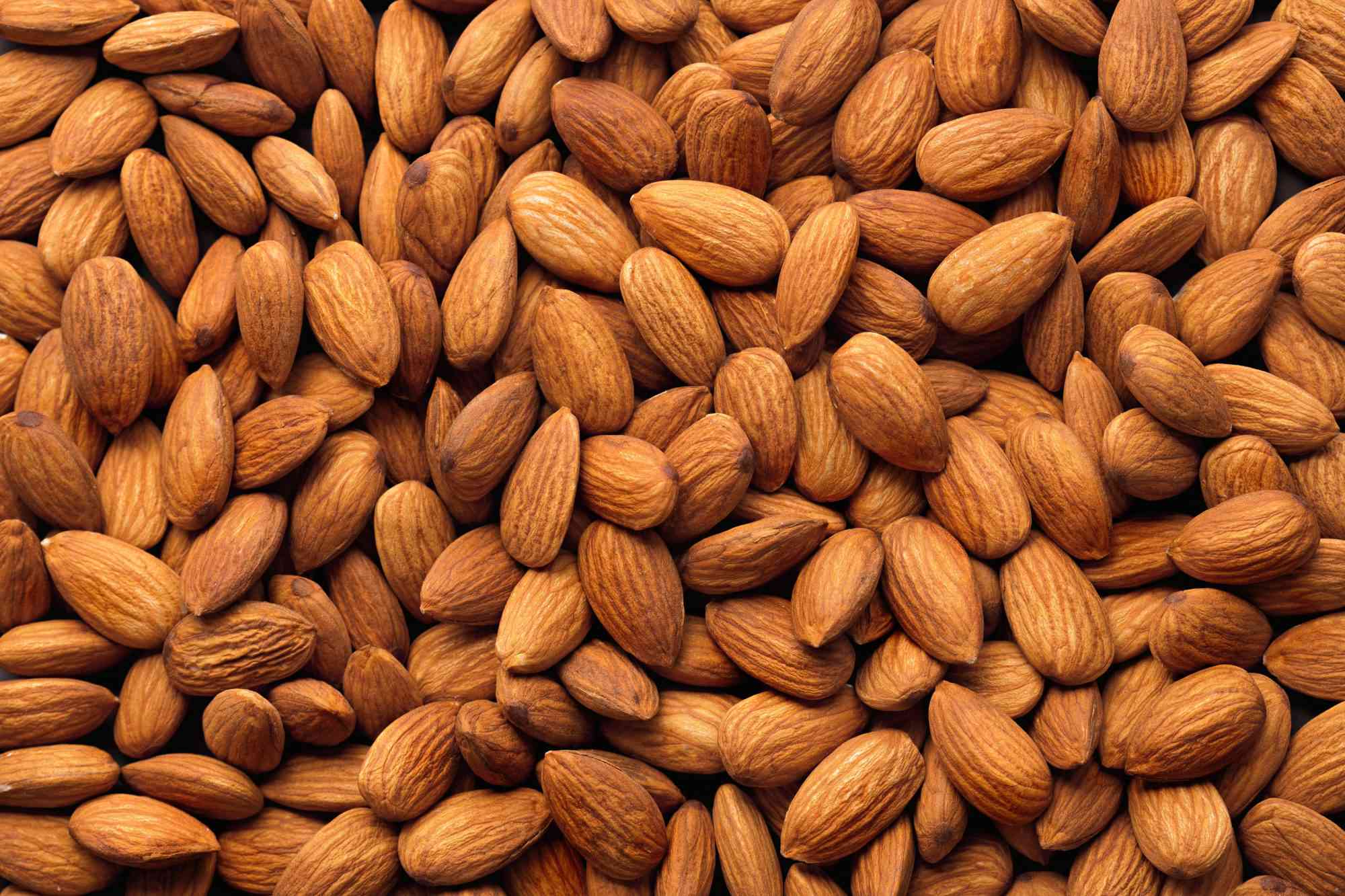
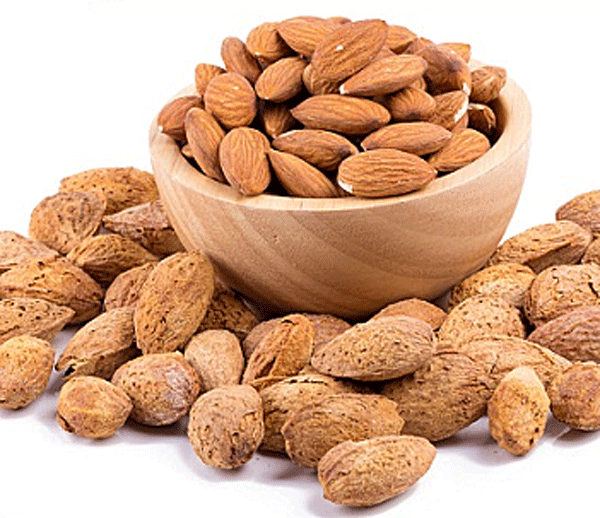
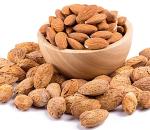
Raw almonds retain the full kernel in its unprocessed dried state, making them the preferred input for manufacturers producing almond flour, almond butter, almond milk, and blanched or sliced almond products. Food processors often specify raw because they control the downstream roasting profile themselves. Botanically, almonds are drupes rather than true nuts, sharing classification with peaches and olives (almond classification explained by registered dietitians), though U.S. trade and import documentation uniformly categories them under tree nuts (HS code 0802.12 for shelled almonds).
Roasted Almond Nuts
The roasted option targets distributors and private-label packagers who need a shelf-ready product. Roasting develops the characteristic flavor depth that retail and foodservice buyers expect from finished snack products. Buyers sourcing roasted almonds for trail mix formulations, bulk bin programs, or co-packing arrangements can specify salt level preferences at the inquiry stage.
Quality Parameters That Matter to U.S. Buyers
When evaluating any almond nuts supplier, procurement professionals in the U.S. typically cross-reference several quality indicators against their own internal grading standards or those set by their retail partners.
Purity and Foreign Matter
At approximately 99% purity, the product meets expectations for first-grade commercial lots. The broken kernel ceiling of 5% is a standard tolerance in bulk almond trading, but buyers who need lower broken percentages for premium retail programs should state that requirement upfront so the supplier can confirm available inventory or sort accordingly.
Moisture and Storage Stability
Maximum 6% moisture content is a critical parameter for long-haul ocean freight. Higher moisture levels create conditions that accelerate mold development and lipid oxidation during transit. At 6% or below, combined with vacuum packaging, the 2-year stated shelf life is commercially reasonable for whole dried kernels, though buyers should verify storage temperature requirements with their warehouse teams.
Aflatoxin Control
The declared aflatoxin limit of max 5 PPB is notably conservative relative to the FDA 20 PPB action level. This matters to importers supplying retailers with strict private-label specifications or those exporting onward to EU markets, where the regulatory limit for almonds intended for direct human consumption is 10 PPB total aflatoxins. Lot-level testing certificates should be requested with each shipment.
Packaging Options for Wholesale and Bulk Buyers
Standard export packing is 25 kg net weight vacuum bags within a master carton. Vacuum sealing protects against oxidation, moisture ingress, and pest exposure during ocean freight, which is the dominant shipping mode for bulk almond imports into the United States.
Custom packing configurations are available on request. Buyers with specific requirements, such as different net weights per bag, inner packs for retail club formats, or labeling to buyer specification, should include those details in the quote request. No minimum custom packing quantity is published here; that information is confirmed at the inquiry stage.
Who Buys These Almonds: Buyer Segments and End Uses
Understanding the end-use helps procurement teams confirm product fit before requesting samples or pricing.
Food Manufacturers and Processors
Manufacturers producing almond-derived ingredients, including almond paste, marzipan, almond oil, and plant-based beverages, prioritize raw almonds at consistent kernel size. The 1.2 to 1.5 cm length range supports uniform processing yields. Raw almonds are a significant source of protein and monounsaturated fats, and their nutritional density is a selling point for ingredient suppliers serving the health food and functional food markets.
Wholesale Distributors and Importers
Distributors buying bulk almond nuts for resale to regional retailers or foodservice operators need reliable lead times, documentation, and packing integrity. The vacuum bag format reduces damage claims during rehandling in distribution centers.
Private-Label Packagers
Packagers sourcing almonds for store-brand programs often require consistent lot quality across multiple containers. The 1st grade designation and documented purity level support private-label quality assurance programs. Buyers in this segment frequently require a certificate of analysis (COA) and may request PPO-free certification or non-GMO attestation depending on their retail partner requirements. These certifications are not listed in the verified product data; buyers should request confirmation directly.
Snack and Trail Mix Producers
Both roasted and raw forms are relevant here. Roasted almonds with a salty profile are a standard component in mixed nut blends and trail mix formats. Raw almonds suit producers who apply their own seasoning or coating in-house.
Export Documentation and U.S. Import Considerations
Tree nut imports into the United States are subject to FDA oversight under the Food Safety Modernization Act (FSMA). Importers are responsible for verifying that foreign suppliers have adequate preventive controls in place. Buyers are advised to confirm the following documentation is available before finalizing an order:
- Phytosanitary certificate issued by the exporting country’s relevant authority
- Certificate of origin
- Certificate of analysis (COA) covering aflatoxin, moisture, purity, and foreign matter per lot
- Commercial invoice and packing list
- Bill of lading
Buyers applying for USDA organic certification equivalency or sourcing for certified organic supply chains should request the supplier’s organic certification documents. Organic cultivation is stated in the product record; formal certification documents should be verified at the inquiry stage, as they are not reproduced here. Importers using a licensed U.S. customs broker experienced with tree nut shipments will find FDA prior notice requirements and automatic detention risks easier to manage.
Almonds Within the Broader Nuts Catalog
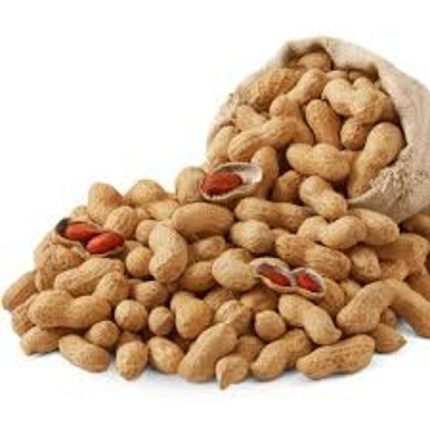
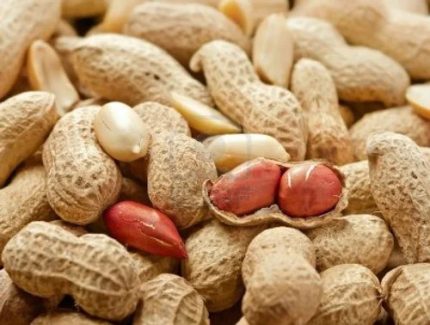
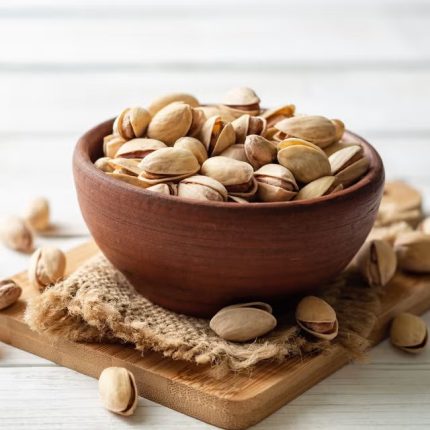
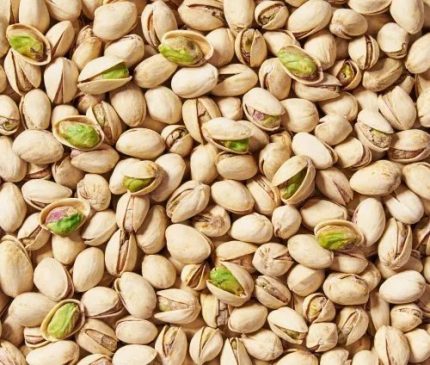
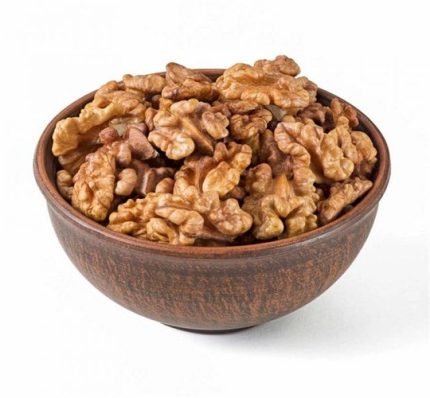
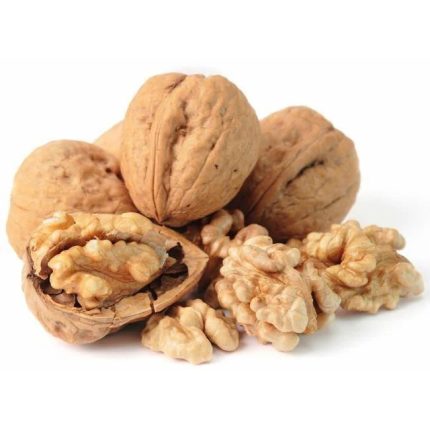
Buyers sourcing multiple nut varieties for a single program can consolidate procurement across this catalog. Related wholesale options include Walnuts, Cashew Nuts, Pistachio Nuts, and Peanuts/Groundnuts, all listed in the Nuts category. Consolidated shipments across nut varieties can reduce per-unit freight costs on ocean container loads, a consideration for buyers running multi-SKU import programs.
Requesting a Wholesale Quote
Pricing for bulk almond nuts is not published on this page because export pricing varies with contracted volume, destination port, shipping Incoterms, and market conditions at the time of order. Buyers ready to engage should submit an inquiry specifying:
- Required quantity (metric tons or number of cartons)
- Processing preference: raw or roasted
- Destination port and preferred Incoterms (FOB, CIF, or CFR)
- Packing specification if different from standard 25 kg
- Any certification or testing requirements
Use the Contact us page to send your specifications. The team will respond with availability, pricing indication, and lead time. For buyers who want to review company background before inquiring, the About us page covers the exporter’s supply and trade background.
For further details on Authoritative reference relevant to buyer guidance, standards or compliance, consult Almond Board of California – Almond Almanac.
For further details on Authoritative reference relevant to buyer guidance, standards or compliance, consult Government of Georgia approves technical regulations on ….


Reviews
There are no reviews yet.