

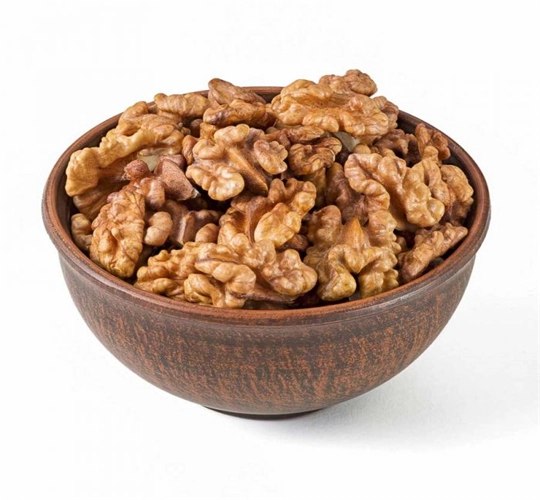
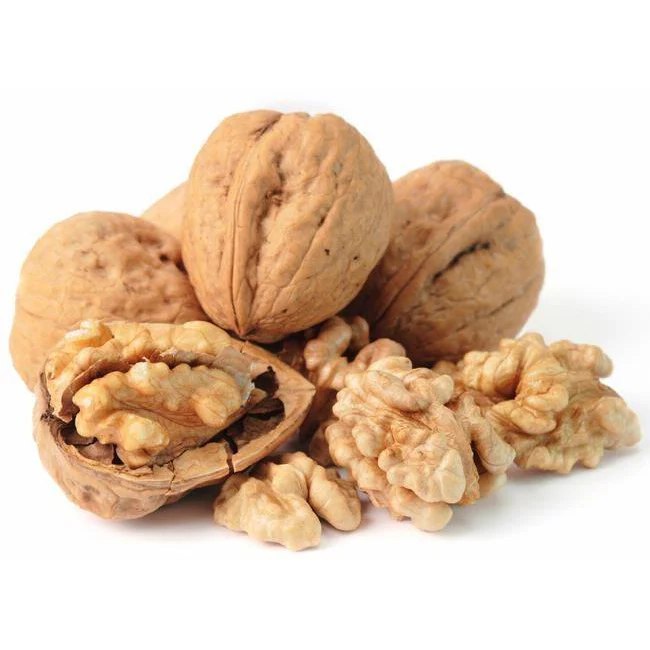
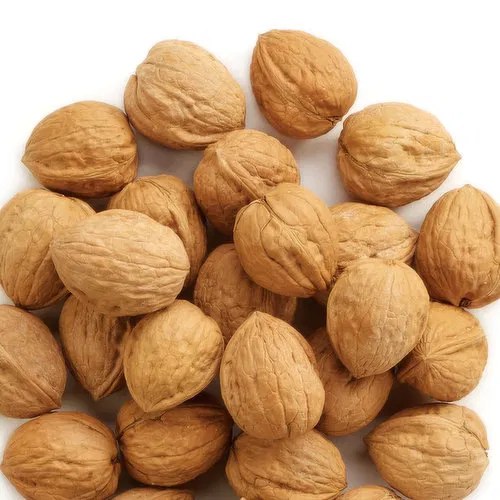
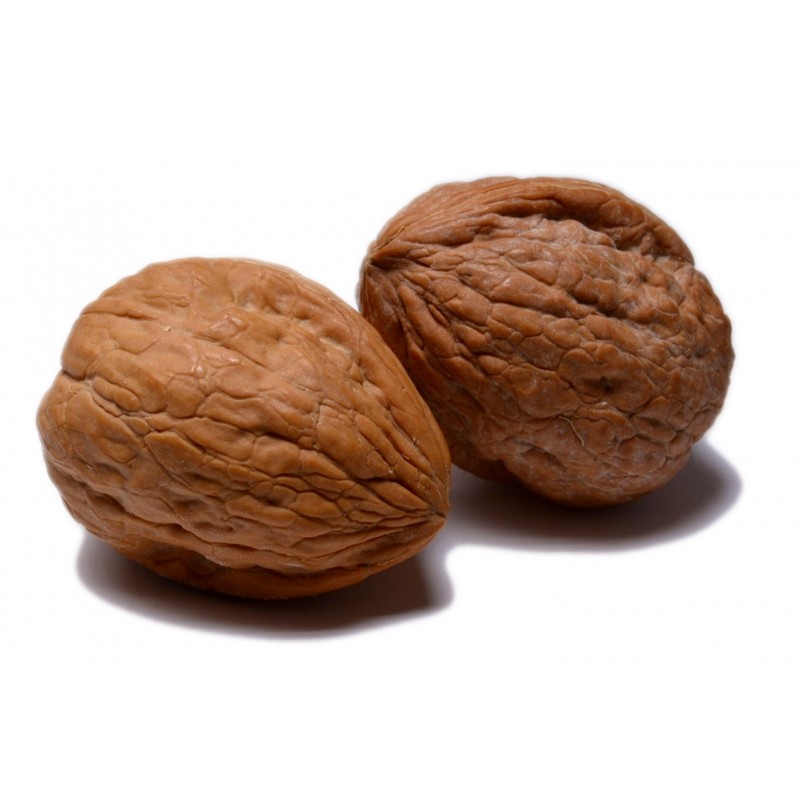
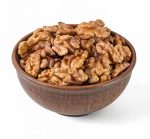
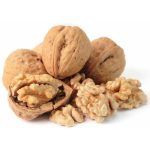
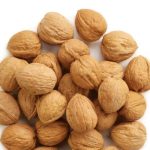
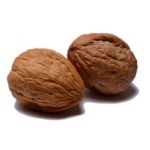
Whole In-Shell Walnuts for Bulk and Wholesale Buyers
These walnuts are supplied whole, with the shell intact, making them suitable for importers, distributors, food processors, and private-label packagers who want maximum shelf stability during international transit. The shell provides a natural barrier against moisture and oxygen, which directly supports the stated 12-month shelf life when product is stored in a cool and dry environment.
Karmenda sources these walnuts through Moringa Frontiers Pvt Ltd, a trader focused on quality dry fruit procurement with an emphasis on sustainability and ethical sourcing. U.S. buyers working within import compliance frameworks should note that walnuts entering the United States are subject to FDA food facility registration requirements and standard phytosanitary documentation. Buyers are encouraged to confirm specific import documentation requirements with their customs broker or freight forwarder before placing orders.
The minimum order quantity is 10 kg. Buyers requiring larger consolidated shipments or pallet-level volumes should contact us directly to discuss supply capacity and lead times.
Product Specifications at a Glance
| Specification | Detail |
|---|---|
| Nut Type | Walnuts |
| Form | Whole |
| Shell | In-shell (shell intact) |
| Shelf Life | 12 months |
| Storage | Cool and dry place |
| Minimum Order Quantity | 10 kg |
| Pricing | Available on request (varies by volume) |
| Certification / Documentation | Contact us to confirm current export documentation |
Who Buys Bulk In-Shell Walnuts
The in-shell format serves a specific segment of the wholesale walnut market. Buyers in this category typically include:
- Specialty food importers who crack and grade walnuts domestically before retail or food service distribution
- Snack and trail mix manufacturers sourcing raw nut inputs at scale
- Private-label packagers who want a longer-lived input that can be cracked and processed to specification on arrival
- Health food distributors supplying natural grocery, co-ops, and bulk-bin retail channels
- Food ingredient processors using walnut pieces, oil, or flour in finished product formulations
If your procurement need is for pre-cracked halves or pieces in shelled bulk format, please contact us as product format availability may vary by season and supply arrangement.
Walnut Varieties and Market Terminology
U.S. buyers frequently specify walnuts by variety. The English walnut (Juglans regia) is the dominant commercial type globally, and the variety most widely traded in the U.S. market. Black walnuts (Juglans nigra) represent a smaller specialty segment. Unless otherwise specified at order time, wholesale walnut shipments in international trade are typically Juglans regia. Buyers with specific variety requirements should confirm this during the quoting process.
Grading terminology used in U.S. walnut commerce often references kernel color, size, and percentage of halves versus pieces. For this listing, the product is offered as whole in-shell nuts. Kernel grade specifications for cracked output should be discussed with our team before order confirmation.
Nutritional Profile: What Buyers and Their Customers Need to Know
Walnuts carry strong positioning in the U.S. health food and functional ingredient categories. This matters for wholesale buyers because end-consumer demand for high-nutrient nut products continues to drive procurement volume across grocery, specialty retail, and food service.
Fat and Fatty Acid Composition
Walnuts are notably high in polyunsaturated fat, including alpha-linolenic acid (ALA), a plant-based omega-3 fatty acid. Research published by Harvard Health notes that walnuts may be especially effective at supporting cardiovascular health, partly attributed to their unique fatty acid profile. Harvard Health on walnuts and cardiovascular markers This is relevant for buyers supplying heart-health-positioned product lines.
Protein, Fiber, and Micronutrients
Walnuts provide meaningful amounts of protein and dietary fiber alongside their fat content. They are also a source of key micronutrients including manganese, copper, magnesium, phosphorus, and B vitamins such as folate. These properties make walnuts attractive as an ingredient in functional snacks, fortified foods, and wellness-focused product lines.
Polyphenols and Other Bioactive Compounds
Beyond standard macronutrients and vitamins, walnuts contain ellagitannins, which are converted by gut bacteria into compounds called urolithins. Research indicates these compounds may have antioxidant and anti-inflammatory properties. Walnuts are also a source of melatonin and gamma-tocopherol (a form of vitamin E). Healthline: walnut nutrition and bioactive compounds Buyers positioning products toward brain health, sleep support, or antioxidant claims should verify any specific health claim requirements under FDA labeling rules before incorporating these points in finished product marketing.
How Wholesale Buyers Are Using Walnuts
The practical application range for bulk walnuts is wide, which supports sustained procurement across multiple trade channels. Common industrial and retail applications include:
- Baking ingredients: walnut pieces incorporated into bread, cookies, brownies, and pastry products
- Salad and grain bowl toppings supplied to food service and meal kit operators
- Nut butter and paste production (walnut butter is a growing specialty category)
- Trail mix and snack mix formulation, where walnuts pair well with dried fruit and seeds
- Dairy alternative processing, including walnut-based milk and cream products
- Sauce and condiment manufacturing, where toasted walnuts contribute depth to savory applications
The culinary flexibility of walnuts, raw or roasted, savory or sweet, means demand rarely concentrates in a single channel, which is useful context for distributors managing category risk.
Storage, Handling, and Shelf Life for Importers
The in-shell format offers a practical advantage for international buyers: the intact shell slows oxidation of the kernel’s high-fat interior. The stated shelf life is 12 months when product is stored in a cool, dry place. For container or warehouse storage, buyers should target low humidity and stable temperatures. Once cracked and shelled, walnut kernels are more perishable and should be stored under refrigeration or vacuum-sealed conditions.
U.S. importers managing a HACCP or food safety plan should factor walnut’s tree nut allergen classification into their facility handling procedures. Walnuts are one of the major food allergens under U.S. FDA labeling law and require clear declaration on any consumer-facing packaging.
Buyer Considerations: Import, Quality, and Compliance
Several practical factors are worth confirming before finalizing a wholesale walnut order from an international supplier:
- Phytosanitary certificate: Required for most agricultural product imports into the U.S. Confirm this is available from the origin country.
- Aflatoxin testing: Tree nuts are subject to aflatoxin limits under U.S. FDA regulations. Buyers should request or arrange independent testing before large shipment acceptance.
- FDA registration: The exporting facility must be registered with the FDA under the Bioterrorism Act and FSMA requirements.
- Country of origin labeling (COOL): Retail buyers must comply with applicable COOL rules for tree nuts.
- Incoterms: Clarify whether pricing is quoted FOB, CIF, or DDP to calculate accurate landed cost.
Karmenda’s team can provide documentation details and connect buyers with the relevant export paperwork. Use the contact link below to open a sourcing conversation.
Potential Adverse Effects and Allergy Considerations
Walnuts are a major tree nut allergen recognized by the FDA. Buyers incorporating walnuts into finished food products are legally required to declare walnut as an allergen on the product label under the Food Allergen Labeling and Consumer Protection Act (FALCPA). Cross-contact risk must also be managed in processing environments that handle multiple nut types. Additionally, the natural tannins in walnut skin can reduce the bioavailability of certain minerals, which is relevant for buyers making specific nutritional claims about their finished products. These are standard industry considerations, not product defects, but procurement teams and regulatory affairs staff should factor them into product development decisions.
Request a Wholesale Quote
Pricing for bulk walnuts varies based on order volume, packaging format, and current market supply conditions. We do not publish a fixed retail price for wholesale orders. To receive an accurate quote, contact our team with your target volume, delivery destination, and any specification requirements. Our minimum order is 10 kg, and we accommodate larger consolidated orders for established importers and distributors.
Browse our full Nuts category to see related wholesale products available from Karmenda. Buyers sourcing multiple nut types for a consolidated shipment may also be interested in our Almond Nuts, Cashew Nuts, and Pistachio Nuts listings. For company background and sourcing credentials, visit our About us page, or go directly to our Contact us page to submit a sourcing inquiry.
For further details on Authoritative reference relevant to buyer guidance, standards or compliance, consult USDA Amending the Federal Marketing Order for California ….
For further details on Authoritative reference relevant to buyer guidance, standards or compliance, consult 7 CFR § 984.72 – Reports of walnuts handled..


Reviews
There are no reviews yet.