


W320 Raw Cashew Nuts: Grade, Kernel Type, and Buyer Specifications
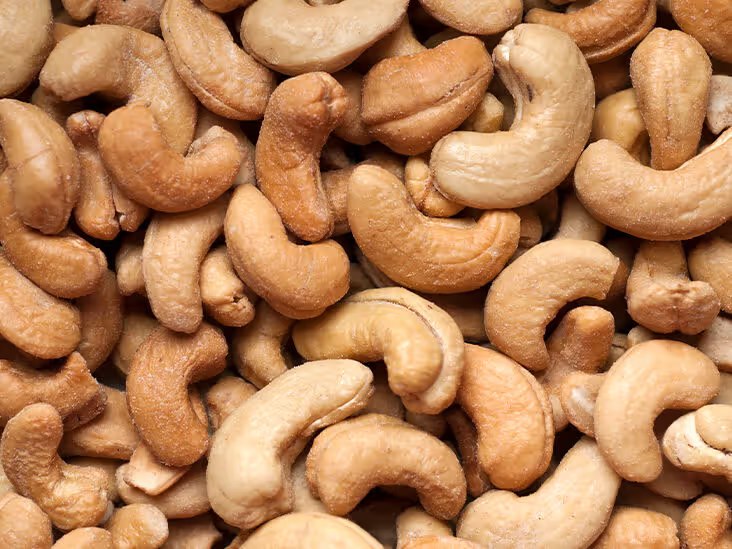
The W320 grade is one of the most widely traded cashew kernel classifications in international commerce. The number refers to the kernel count per pound, with W320 indicating approximately 280 to 320 whole kernels per pound. This places W320 squarely in the mid-to-large size range, making it a practical choice for food manufacturers, retail private-label packers, and bulk distributors who need a consistent, presentable kernel without paying the premium associated with W180 or W240 grades.
Karmenda Co. Ltd supplies W320 cashew nut kernels sourced from quality-controlled production. The kernels are natural and plain, meaning no added salt, oil, flavoring, or roasting treatment has been applied at the point of export. This gives downstream buyers full control over processing, seasoning, and value-added finishing, whether that means roasting in-house, blending into trail mixes, or repackaging as private-label retail units.
Cashews are not exclusively oily tree nuts. They contain a meaningful starch component, which influences their texture during roasting and cooking and sets them apart from almonds or walnuts in manufacturing applications. Buyers formulating granola, confectionery coatings, or nut butter blends should account for this when specifying moisture and fat tolerances.
Processing Formats: What U.S. Buyers Commonly Source
Procurement teams evaluating cashew suppliers typically want clarity on what kernel forms are available and how those forms map to end-use applications. The market distinguishes several standard formats, and understanding them helps importers match supply to demand before committing to a purchase order.
Raw Whole Cashew Kernels
Whole raw kernels are unroasted, unsalted, and retain their natural ivory-cream color. This is the primary form Karmenda exports. Whole kernels are preferred by manufacturers who roast, season, or further process cashews after import, and by health food brands positioning the nut as a minimally processed ingredient. They are also used directly in biryani, dessert preparation, and cooking applications where a clean, unprocessed input is required.
Raw Cashew Splits
Splits are natural halves that result when kernels break during shelling and processing. They carry the same nutritional profile as whole kernels and are priced below whole grades, making them attractive for applications where visual uniformity is secondary, such as granola production, nut butter manufacturing, trail mix blending, and baked goods. Buyers sourcing raw cashew splits for bulk processing can often achieve a lower landed cost per pound without sacrificing flavor or nutritional value.
Roasted and Salted Whole Cashews
Finished roasted and salted cashews are a retail-ready product category that U.S. wholesale buyers frequently source for resale. The standard format in domestic distribution is one-pound retail bags, though bulk foodservice packs are also common. Buyers sourcing at the wholesale level can choose between large whole kernels for premium positioning and standard whole kernels for everyday retail. Note: Karmenda’s current export product is raw W320 kernels. Buyers seeking finished roasted and salted cashews should confirm processing and finishing specifications at inquiry stage.
Roasted Cashews Without Added Salt
The no-salt roasted format serves health-oriented retail segments and food manufacturers requiring a finished nut without sodium contribution. It is also the correct input for recipes, trail mixes, and private-label products where the final seasoning is applied downstream by the buyer. This format has grown in relevance as U.S. consumers and food brands prioritize sodium reduction across snack categories.
Cashew Pieces and Splits, Roasted and Seasoned
Seasoned splits are a cost-effective volume format for foodservice distributors and processors. Because presentation uniformity matters less in cooking and topping applications, buyers in this segment can move larger quantities at more competitive pricing. Zesty or spiced seasoned variants are also a recognized commercial format in the U.S. snack market, typically positioned alongside salted whole cashews in retail sets.
Nutritional Profile: What Procurement Teams and Label Developers Need to Know
Food manufacturers and private-label buyers require accurate nutritional data to develop compliant U.S. nutrition facts panels. A standard serving of cashews is approximately 18 kernels, which delivers around 157 calories, 12 grams of fat, 8.6 grams of carbohydrates, and 5.2 grams of protein. (Cashew nutrition facts and health benefits, Verywell Fit)
Cashews are naturally low in sugar and contribute copper, magnesium, zinc, phosphorus, and iron. These minerals support a range of health claims relevant to U.S. label marketing, including heart health positioning, protein source designation, and plant-based nutrition messaging. Buyers developing front-of-pack claims should verify these figures against their specific lot data and consult a registered dietitian or food scientist for label compliance under FDA requirements.
Cashews also contain antioxidant compounds, including carotenoid pigments, which have been associated with eye health in nutritional research. These attributes may be relevant for product marketing teams building benefit narratives, though any specific health claims made on U.S. retail packaging are subject to FDA regulatory guidelines and should not be drawn directly from supplier product descriptions.
Commercial Applications: End Markets That Drive Cashew Bulk Demand in the U.S.
Understanding where bulk cashew nuts flow in the U.S. supply chain helps buyers and suppliers align on grade, format, and volume requirements. The primary demand categories are:
- Food manufacturing: Raw whole and split kernels feed production lines making nut butter, trail mix, granola bars, confectionery, and dairy alternatives such as cashew milk and cashew-based cheese.
- Foodservice and catering: Bulk roasted and salted cashews are a staple in bar snack programs, hotel amenity kits, and catering displays. Raw kernels are used in restaurant kitchens for South Asian, Middle Eastern, and Southeast Asian cuisine preparations.
- Retail private label: Grocery chains and specialty food retailers source bulk cashews to pack under their own brands. W320 whole kernels are the preferred grade for standard retail bags; W180 or W240 may be specified for premium or gift pack tiers.
- Health and wellness brands: Raw cashews are positioned as a clean-label snack ingredient by brands targeting plant-based, keto-adjacent, and high-protein consumer segments. These buyers prioritize documentation confirming natural processing and absence of additives.
- Bakery and dessert production: Whole and split cashews serve as toppings and inclusions in Indian-style confections, Middle Eastern sweets, cookies, and premium ice cream, markets where demand from U.S. ethnic grocery distributors is consistent year-round.
Buying in Bulk: Packaging, Export, and U.S. Import Considerations
For U.S. importers and wholesale distributors evaluating a Kenya-based cashew supplier, the commercial process involves several considerations beyond product grade and price.
Packaging Options for Bulk Orders
Cashew kernels for export are typically packed in vacuum-sealed food-grade inner bags placed inside cartons or jute sacks, depending on buyer specification. Premium packaging helps maintain kernel crunch and prevents moisture ingress during ocean freight. Buyers should specify their preferred pack format, carton weight, and pallet configuration at inquiry stage to allow accurate freight cost estimation.
Documentation for U.S. Import Clearance
Importing cashew nuts into the United States requires compliance with FDA import regulations, including prior notice filing and adherence to food safety standards under the Food Safety Modernization Act (FSMA). U.S. importers are responsible for verifying that their supplier can provide phytosanitary certificates, a certificate of origin, a packing list, a commercial invoice, and a bill of lading. Buyers should confirm documentation capability with Karmenda at the inquiry stage. Note: specific certifications held by Karmenda are not listed in the current product record and should be confirmed directly.
MOQ and Supply Capacity
Minimum order quantities and available supply volumes are not published on this product page. Wholesale and B2B buyers should submit an inquiry using the contact form below to receive current pricing, MOQ thresholds, lead times, and available stock information. Pricing for cashew nuts varies with global commodity movements, so requesting a quote for your specific volume and timeline is the most reliable approach.
Why Source Cashew Nuts from a Kenya-Based Exporter
East Africa has become an increasingly relevant cashew procurement corridor for international buyers. Kenya sits at a logistics crossroads with established port infrastructure at Mombasa, providing access to ocean freight routes serving North America, Europe, and the Middle East. Working with a Kenya-based supplier and exporter like Karmenda Co. Ltd can offer buyers diversification from their existing supply chain, particularly those currently dependent on Indian or Vietnamese cashew origins alone.
Karmenda positions itself as a direct exporter of premium dry fruits, including W320 cashew nuts, which means buyers can engage a single point of contact for sourcing, documentation, and logistics coordination rather than working through multiple intermediary layers. For U.S. importers, distributors, and procurement teams evaluating new cashew nut suppliers, a direct exporter relationship typically shortens the communication chain and provides clearer accountability for product quality and shipment consistency.
Frequently Asked Questions from U.S. Wholesale Buyers
What does W320 mean for cashew nuts?
W320 is an international grading designation for whole white cashew kernels. The number indicates the approximate kernel count per pound of product, with W320 meaning roughly 280 to 320 kernels per pound. It represents a large, commercially versatile kernel suitable for retail packing, food manufacturing, and foodservice distribution.
Are these cashews raw or roasted?
The cashew nuts listed here are supplied as raw, plain, unroasted kernels. No salt, oil, or seasoning is applied. This format is appropriate for buyers who will process, roast, or season the nuts after import, or for buyers requiring a natural, minimally processed input for manufacturing.
Can I request a sample before placing a bulk order?
Sample requests and pre-purchase specifications should be directed to Karmenda via the contact page. Sample availability, associated costs, and lead times are confirmed on a case-by-case basis.
What payment and shipping terms are available for bulk cashew orders?
Payment terms and Incoterms (such as FOB Mombasa, CIF, or other agreed arrangements) are negotiated at the inquiry stage. Contact Karmenda directly to discuss your preferred shipping terms, destination port, and payment structure.
Do you supply other nuts alongside cashews for consolidated shipments?
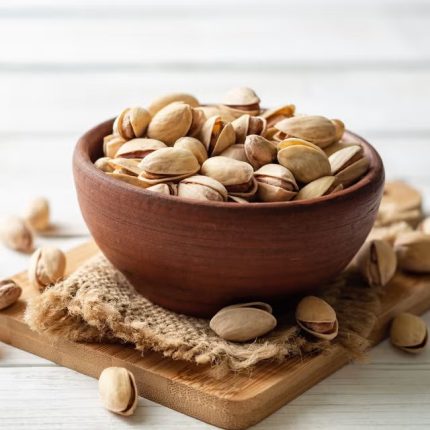
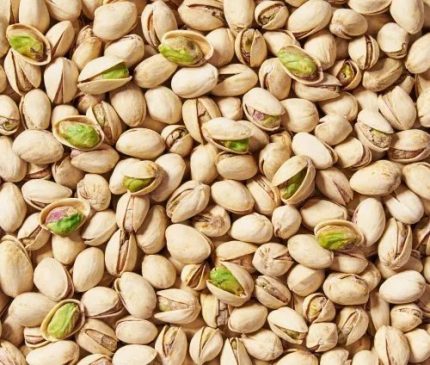
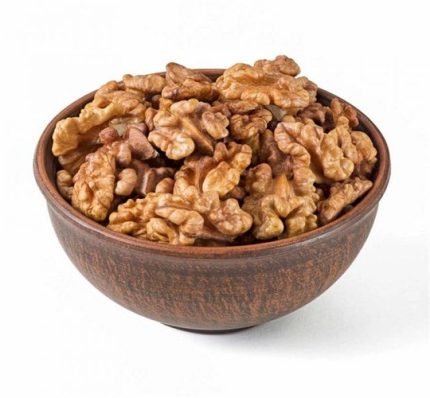
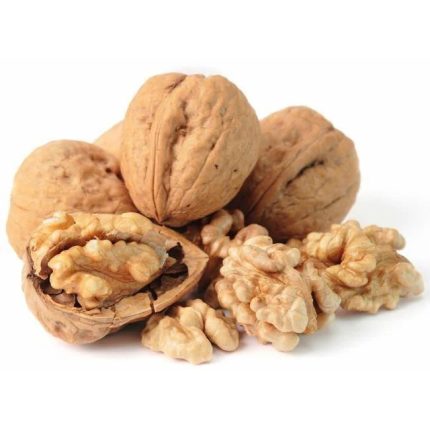
Yes. Karmenda exports a range of premium dry fruits and nuts. U.S. buyers consolidating orders across product categories may wish to review the full nuts catalog, which includes Almond Nuts, Pistachio Nuts, and Walnuts, among others available in the Nuts category.
Ready to source bulk cashew nuts? Submit your inquiry through the Karmenda contact page with your target volume, destination port, and required grade. Our export team will respond with current pricing and availability.


Reviews
There are no reviews yet.