

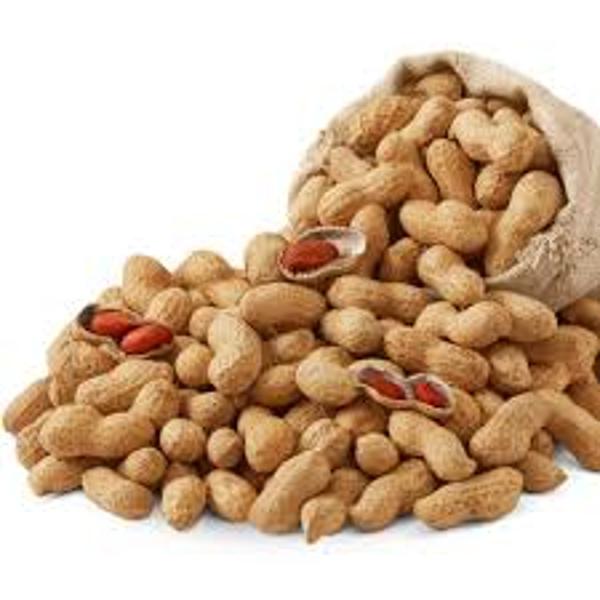
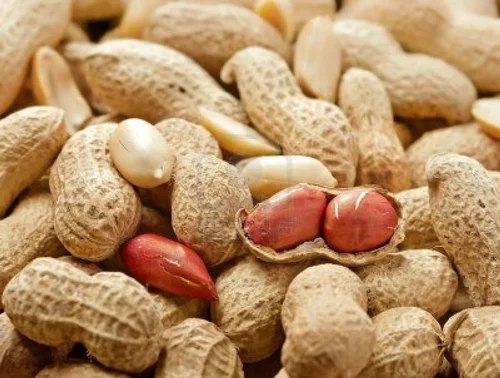

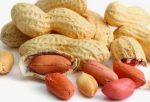
Bulk Raw Groundnuts from an Established African Exporter
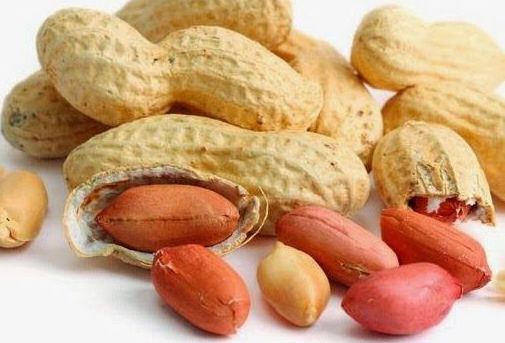
Peanuts, known internationally as groundnuts (botanical name Arachis hypogaea), are one of the most commercially traded legume crops in the world. For U.S. importers, food manufacturers, and wholesale distributors sourcing raw material at scale, supply origin and verifiable specifications are the starting point. Karmenda Co. Ltd operates as a Kenya-based exporter supplying raw groundnuts to international buyers, with documented quality parameters available for review before any purchase commitment.
Whether you are procuring for peanut butter production, oil extraction, roasting and packaging operations, or animal feed blending, the grade and moisture profile of the raw kernel determines downstream processing yield. The specifications below are drawn directly from verified product data.
Product Specifications at a Glance
| Parameter | Specification |
|---|---|
| Oil Content | 48% minimum |
| Protein Content | Approximately 30% (product description reference; independent lab verification recommended) |
| Admixture | 1% maximum (adjustable to customer requirements) |
| Foreign Material | 0.50% maximum (adjustable to customer requirements) |
| Moisture | 10% maximum |
Buyers sourcing for edible oil extraction or high-protein food applications should note that the 48% minimum oil content figure is a stated floor, not a tested batch average. Request a Certificate of Analysis (COA) for any specific shipment to confirm actual values before finalizing import documentation.
Peanuts vs. Groundnuts: Clarifying the Terminology for U.S. Buyers
American procurement teams typically search for peanuts. Buyers in Africa, South Asia, and parts of Europe use groundnuts. Both terms refer to the same plant species, Arachis hypogaea, and the distinction is purely regional vocabulary. According to the Wikipedia entry on peanuts, the crop is a legume grown mainly for its edible seeds, which develop in underground pods, which is the reason the name groundnut exists in the first place.
One point worth flagging for buyers unfamiliar with African commodity markets: in certain West African contexts, the term groundnut has historically referred to a different legume species (Macrotyloma geocarpum), and in older North American agricultural literature, groundnut (Apios americana) describes a native tuber. Neither of those is the product traded in global commodity markets. When sourcing from Karmenda Co. Ltd, the product is Arachis hypogaea, the standard internationally traded peanut.
Nutritional Profile and Why It Matters to Processors
Raw groundnuts carry a dual commercial identity: high-fat oil seed and high-protein food ingredient. That combination shapes which buyers are actively sourcing them.
Oil and Fat Composition
With oil content at 48% minimum, these kernels sit firmly in the range demanded by cold-press and solvent-extraction edible oil operations. Peanut oil is valued in food service and industrial frying applications for its high smoke point and relatively neutral flavor. Buyers running oil extraction operations should assess free fatty acid levels separately, which requires batch-specific lab data not covered by the standard spec sheet.
Peanut Proteins: Value for Food Manufacturers
Approximately 30% protein content places raw groundnuts among the more protein-dense plant commodities available at bulk pricing. Peanut protein is used in food formulation, flour production, and increasingly in plant-based product development. Processors working with peanut flour or protein concentrates look specifically at amino acid profiles and allergen documentation, both of which should be confirmed with the exporter prior to ordering. Peanut is a major allergen under U.S. FDA labeling regulations, and imported raw material intended for food use must be accompanied by appropriate documentation for U.S. Customs and Border Protection clearance. Healthline’s detailed nutritional breakdown of peanuts provides useful context on the fat and protein fractions relevant to processors evaluating ingredient fit.
Vitamins, Minerals, and Dietary Fiber
Groundnuts contain a range of B vitamins, vitamin E, magnesium, phosphorus, and potassium. The product description references at least 13 vitamins present in the kernel. This profile supports their use in fortified foods and mixed commodity snack products targeting health-oriented retail channels. Buyers formulating finished consumer products should obtain full nutritional analysis from an accredited lab on each import lot, rather than relying solely on species-level data.
Commercial Applications Across Industries
Food Processing and Manufacturing
Roasters, peanut butter manufacturers, confectionery producers, and snack co-packers are the primary end-use markets for raw groundnuts at this specification grade. Oil content above 48% supports both high-yield butter production and oil extraction as a co-product. Food-grade kernels with controlled admixture levels reduce waste in automated processing lines.
Edible Oil Extraction
Industrial oil buyers sourcing peanut oil feedstock require consistent oil content, low moisture, and minimal foreign material. The 10% maximum moisture and 0.50% foreign material ceiling in these specifications align with typical requirements for commercial extraction operations.
Animal Feed and Agri-Feed Blending
Groundnut cake, the residue after oil extraction, is a high-protein animal feed ingredient. Some buyers source whole raw groundnuts specifically to process and sell the oil and cake separately. Feed-grade sourcing has different documentation requirements than food-grade; confirm intended use classification with your freight forwarder and customs broker before shipment.
Wholesale Distribution and Retail Repackaging
Distributors supplying natural food retailers, ethnic grocery channels, or club-store formats often source raw groundnuts in bulk and repackage to consumer units. For this segment, allergen labeling, country-of-origin disclosure, and import lot traceability are the critical compliance items to resolve with the supplier before placing a first order.
Sourcing from East Africa: Supply Context
East Africa, including Kenya and neighboring growing regions, contributes meaningful volumes of groundnuts to the global export market. Karmenda Co. Ltd operates as a Kenya-based exporter with access to regional groundnut supply. U.S. buyers importing agricultural commodities from Kenya benefit from preferential treatment under AGOA (African Growth and Opportunity Act) in applicable categories, though buyers should verify current commodity eligibility and tariff classification with their customs broker, as trade frameworks can change. No AGOA or specific tariff claim is made here as verified fact for this specific product and shipment scenario.
Groundnut cultivation in East Africa is generally rain-fed and seasonal, which means supply timing and available volumes can vary by harvest cycle. Buyers planning regular import programs should discuss forward booking, minimum order quantities, and lead times directly with the exporter to align procurement schedules with availability.
What U.S. Importers Should Verify Before Ordering
- FDA Prior Notice: All food imports into the United States require FDA Prior Notice submission before the shipment arrives. Confirm this is factored into your import timeline.
- Aflatoxin Testing: Peanuts are susceptible to aflatoxin contamination, particularly under high-moisture storage conditions. U.S. FDA and USDA enforce aflatoxin limits on imported peanuts. Request aflatoxin test results (typically expressed in parts per billion) from the supplier for each production lot. This is a mandatory due-diligence step, not optional.
- Certificate of Analysis (COA): Request a COA covering oil content, moisture, admixture, foreign material, and aflatoxin levels before signing a purchase agreement.
- Phytosanitary Certificate: Required for agricultural commodity exports from Kenya and for U.S. import clearance. Confirm the supplier can provide this as part of the standard export documentation package.
- Packaging and Labeling: Confirm available pack formats, bag weights, and whether country-of-origin and lot coding meet your internal traceability requirements.
- Allergen Documentation: Peanut is a Top 9 allergen under the FASTER Act. Food manufacturers must document the allergen status of all incoming raw materials.
Requesting a Wholesale Price Quote
Pricing for bulk groundnuts is influenced by harvest season, freight class, port of origin, destination port, and requested volume. No fixed per-unit or per-kilogram price is published here, as export commodity pricing is quoted per order based on current market conditions and your specific volume. To receive an accurate wholesale price quote, use the inquiry form on this page or contact Karmenda Co. Ltd directly with the following information:
- Required quantity (metric tons or pounds)
- Intended end use (food processing, oil extraction, distribution, feed)
- Destination port and any preferred Incoterms
- Packaging preference (if applicable)
- Timeline for first shipment
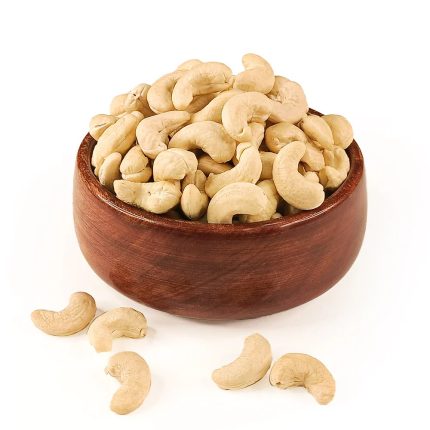
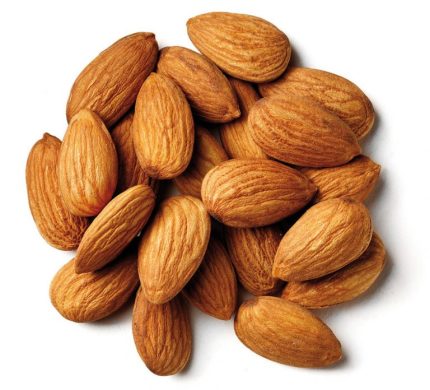
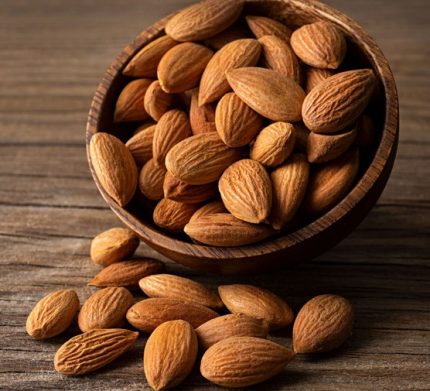
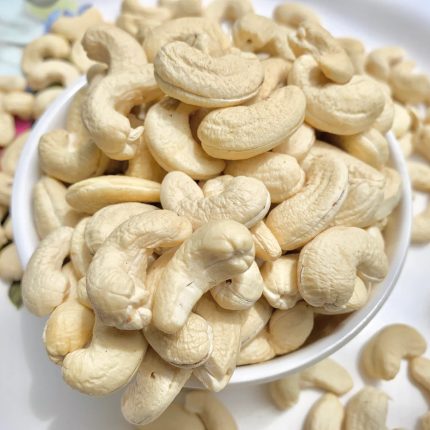
Qualified B2B inquiries typically receive a response with pricing indication and documentation availability within a short turnaround. Buyers sourcing groundnuts alongside other commodities may also review the full nuts product category for complementary wholesale sourcing options including Cashew Nuts and Almond Nuts.
Frequently Asked Questions from Bulk Buyers
See the FAQ section below for answers to common questions from importers and wholesale procurement teams.


Reviews
There are no reviews yet.