



Kenya-Sourced Wooden Pallets for B2B and Wholesale Buyers
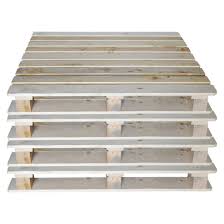
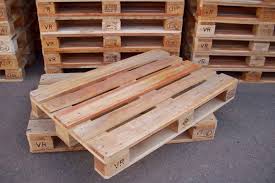
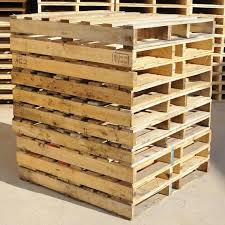
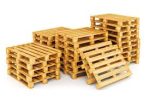
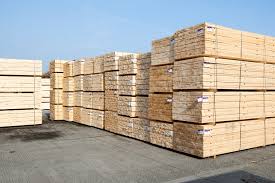
Procurement teams, importers, and logistics managers sourcing wooden pallets for shipping or storage operations need a supplier who can document product grade, construction type, load capacity, and export compliance. These pallets are manufactured in Kenya by Kobawala Containers and are graded at Grade A, making them suitable for primary-use applications across warehousing, construction sites, retail display environments, and inter-facility logistics.
The product ships as new stock, not reclaimed or recycled material. That distinction matters when buyers are specifying pallets for regulated cargo or need consistent deck-board geometry for automated handling equipment. Contact us to request a wholesale price quote or to discuss export documentation requirements for your destination port.
Pallet Construction and Load Specifications
Understanding the structural details of a wooden pallet is the first step in matching it to a supply chain requirement. The table below summarises the verified specifications for this product.
| Attribute | Detail |
|---|---|
| Material | Wood |
| Grade | Grade A |
| Style | Single Faced |
| Weight Capacity | 2,000 to 4,000 lbs |
| Number of Stringers | 2 or 4 |
| Deck Boards | 1 or 7 |
| Shape | Square |
| Pattern | Plain |
| Surface Finishing | Painted |
| Repairable | Yes |
| Country of Origin | Kenya |
| Traded By | Kobawala Containers |
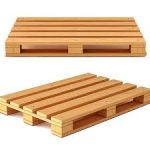
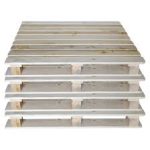
Single-faced pallets carry a load on one deck surface only, which suits applications where goods are loaded from above and handled by forklift or pallet jack without being flipped. The 2-stringer and 4-stringer options affect both rigidity and the direction of forklift entry. Four-stringer units allow entry from all four sides, which is an advantage in tight warehouse configurations. Buyers who need 4-way entry should specify that option when requesting a quote.
Weight Capacity and Grade Relevance for U.S. Buyers
A capacity range of 2,000 to 4,000 lbs covers the majority of general-merchandise and light industrial applications. Grade A means these are new or near-new pallets with no significant structural damage, no broken deck boards, and consistent board spacing. For buyers who are comparing new wood pallets against used or repaired grades, Grade A new stock eliminates the variability in load rating and geometry that reclaimed pallets introduce. Procurement teams managing high-volume shipping programs benefit from the consistency of a single-grade supply agreement.
Pallet Type and Entry Configuration: What Buyers Need to Decide
The pallet market broadly divides products by entry configuration, construction style, and material. Understanding where this product fits helps buyers avoid ordering mismatches.
Stringer Pallets vs. Block Pallets
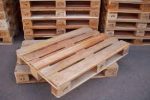
These are stringer-format pallets. Stringers are the parallel boards running lengthwise that support the deck. Stringer pallets are the most widely used format in North American supply chains. Block pallets, which use corner and centre blocks instead of stringers, allow 4-way entry without notched stringers. If your operation requires block-style geometry, please note that specification when enquiring. For most standard warehousing and shipping workflows, stringer pallets with 4 stringers and notched entry points serve the same operational purpose at a lower unit cost.
Wood vs. Plastic: Choosing the Right Material for Your Application
Some buyers evaluate wooden pallets against plastic alternatives. The relevant differences for procurement decisions include repairability, weight, and entry into food-regulated environments. Wooden pallets are repairable in the field. A cracked deck board can be replaced without retiring the entire unit, which extends the serviceable life of the inventory and reduces per-cycle cost. Plastic pallets are not field-repairable in the same way and carry a higher initial unit cost, though they perform well in wet or chemically active environments. For construction sites, retail displays, and general storage, wood remains the cost-effective and operationally practical choice. These pallets are explicitly rated as repairable and recyclable, supporting a lower total cost of ownership over a multi-cycle supply program.
Applications: Where These Pallets Are Specified
The verified application range for this product spans three distinct operating environments.
- Shipping and freight: Pallets form the base unit of most containerised and truck-freight supply chains. Grade A new pallets provide the consistent geometry needed for stable strapping, stretch-wrapping, and automated scanning at distribution centres.
- Construction sites: Heavy materials including bagged cement, tile, brick, and lumber are routinely palletised for site delivery. A 2,000 to 4,000 lb rating accommodates most construction material loads without requiring specialised heavy-duty pallet specifications.
- Retail displays and in-store merchandising: Floor-level pallet displays in big-box retail and warehouse club environments use new-grade pallets because painted or clean-finish units are visible to shoppers. Grade A painted-finish pallets meet the presentation standard for this use case.
- Office and mall settings: Light-duty interior storage and display in office supply environments and mall-format retail benefit from the square profile and painted finish.
- Storage racking: Stringer pallets are compatible with most selective pallet racking systems. Buyers integrating pallets into existing rack infrastructure should confirm stringer-to-beam alignment before committing to a large order.
Export and Supply Considerations for U.S. Importers
Sourcing wooden pallets from Kenya involves import documentation and phytosanitary compliance that differ from domestic procurement. The following points address the questions most frequently raised by U.S. procurement teams evaluating international wooden pallet suppliers.
Phytosanitary Treatment and Export Documentation
Wood packaging material moving in international trade is subject to ISPM-15 (International Standards for Phytosanitary Measures No. 15), which requires heat treatment or methyl bromide fumigation of raw wood to prevent the spread of invasive pests. Buyers importing wooden pallets into the United States must confirm that the supplier can provide ISPM-15-compliant treatment and the accompanying phytosanitary certificate. Contact us directly to discuss treatment documentation for your specific import requirements. Do not assume compliance without written confirmation from the exporting party.
Bulk Order and Supply Volume
These pallets are available for bulk and wholesale purchasing. Buyers placing truckload or container-quantity orders should request a formal quote that specifies unit count, stringer configuration (2 or 4), deck-board count (1 or 7), and any treatment requirements. Supply capacity, lead times, and container-load quantities can be discussed directly with the trading entity, Kobawala Containers, through the inquiry form on this site.
Pricing Structure for Wholesale Buyers
No list price is published for this product because wholesale pricing depends on order volume, configuration, treatment requirements, and destination port logistics. Buyers should submit a quote request with quantity, specification, and delivery details to receive an accurate offer. Price per unit decreases at higher order volumes, and buyers consolidating multiple pallet orders with other wood products from this catalog can explore combined shipment pricing.
Repairability and Total Cost of Ownership
The repairable classification of these pallets is a meaningful cost consideration for any buyer managing a closed-loop or returnable pallet program. When a stringer or deck board is damaged in transit or handling, the pallet can be returned to a repair station rather than scrapped. This extends usable cycles and lowers the per-cycle cost compared to non-repairable pallet formats. For businesses running high-frequency distribution operations, the ability to repair rather than replace is a direct reduction in annual pallet spend.
The recyclable designation also addresses end-of-life handling. Wood pallets that have exceeded their useful service life can be chipped for biomass fuel, mulch, or composite board feedstock, avoiding landfill disposal costs and satisfying sustainability reporting requirements.
Comparing This Product to Related Pallet Categories
Buyers researching the full range of pallet and packaging options sometimes need to understand adjacent product categories before finalising specifications. The following comparisons are provided to support informed procurement decisions, not to recommend a specific alternative.
Crates and Wooden Boxes
For high-value or fragile cargo that requires enclosed protection rather than open-deck support, wooden crates and boxes offer a different structural solution. Crates enclose goods on multiple sides, providing protection against impact and shifting during transit. Pallets, by contrast, provide a stable base platform for goods that can be secured with strapping or stretch wrap on an open deck. The choice between a pallet and a crate depends on cargo fragility, value, and the handling environment it will pass through.
Skids vs. Pallets
A skid is structurally similar to a pallet but lacks a bottom deck. Skids are used in applications where the load will be left stationary for extended periods, as the absence of a bottom deck makes skids unsuitable for certain types of forklift handling. The pallets listed here are single-faced units, meaning they have a top deck but no bottom deck of planks, though they do have the structural stringer base that differentiates them from skids. Buyers who need true two-faced pallets for reversible deck use should specify that requirement in their inquiry.
Frequently Asked Questions
What is the weight capacity of these wooden pallets?
The verified weight capacity is 2,000 to 4,000 lbs, depending on configuration. Buyers should specify their load requirements when requesting a quote to confirm that the chosen stringer and deck-board configuration meets their application.
Are these pallets 2-way or 4-way entry?
Both 2-stringer (2-way entry) and 4-stringer (4-way entry) configurations are available. Specify your requirement in the quote request. Four-stringer pallets allow forklift access from all four sides and are preferred in high-traffic warehouse environments.
Can these pallets be used for export shipments to the United States?
Wood pallets entering the United States must comply with ISPM-15 phytosanitary treatment requirements. Contact us before placing an order to confirm available treatment options and supporting documentation for your import clearance.
What does Grade A mean for wooden pallets?
Grade A indicates new or near-new condition pallets with no broken components, consistent board spacing, and full structural integrity. This grade is appropriate for applications where load consistency and presentation matter, including retail display and automated distribution environments.
Are these pallets repairable?
Yes. Individual stringers and deck boards can be replaced when damaged, extending the serviceable life of the pallet beyond a single use cycle and reducing per-cycle cost for buyers operating returnable pallet programs.
What is the minimum order quantity?
Minimum order quantities for wholesale and bulk purchases are discussed directly through our inquiry process. Submit a quote request with your target quantity and configuration to receive a formal offer.
Are painted pallets suitable for food-contact or pharmaceutical applications?
This product carries a painted finish. Buyers sourcing pallets for FDA-regulated food or pharmaceutical environments should confirm paint composition and any applicable regulatory requirements with their compliance team before ordering.
Explore Oak Railway Slippers.
Explore about our export operations.




Reviews
There are no reviews yet.