




Copper Wire Scrap 99.9% – Millberry / No.1 Bright Copper Wire
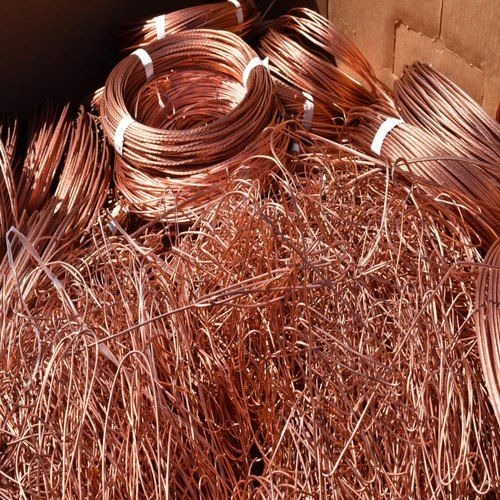
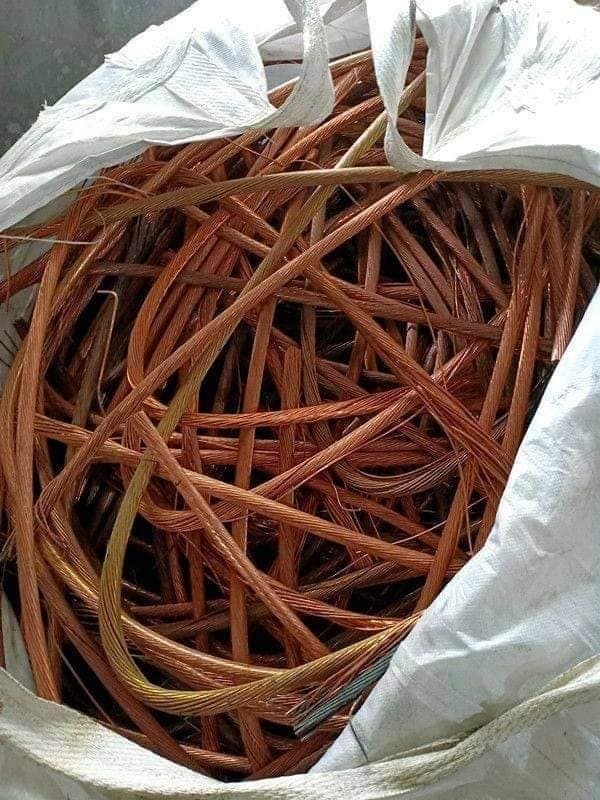
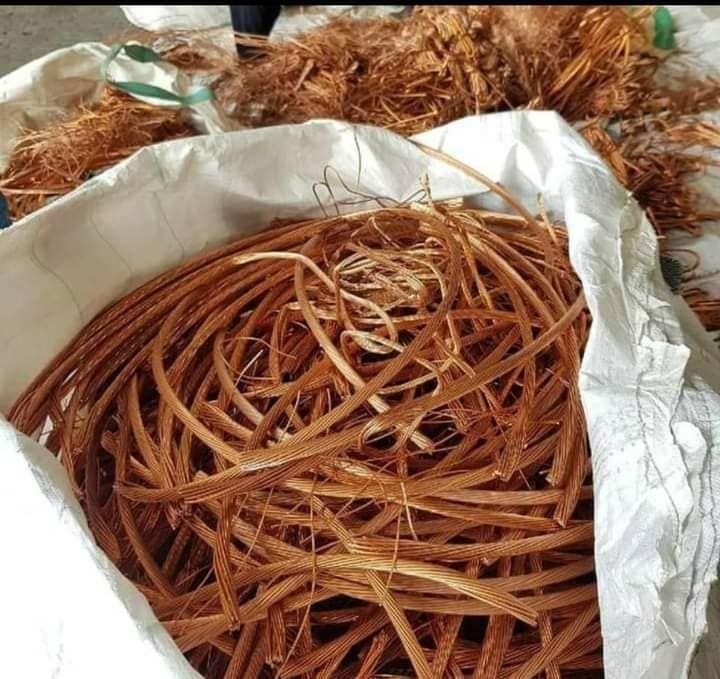
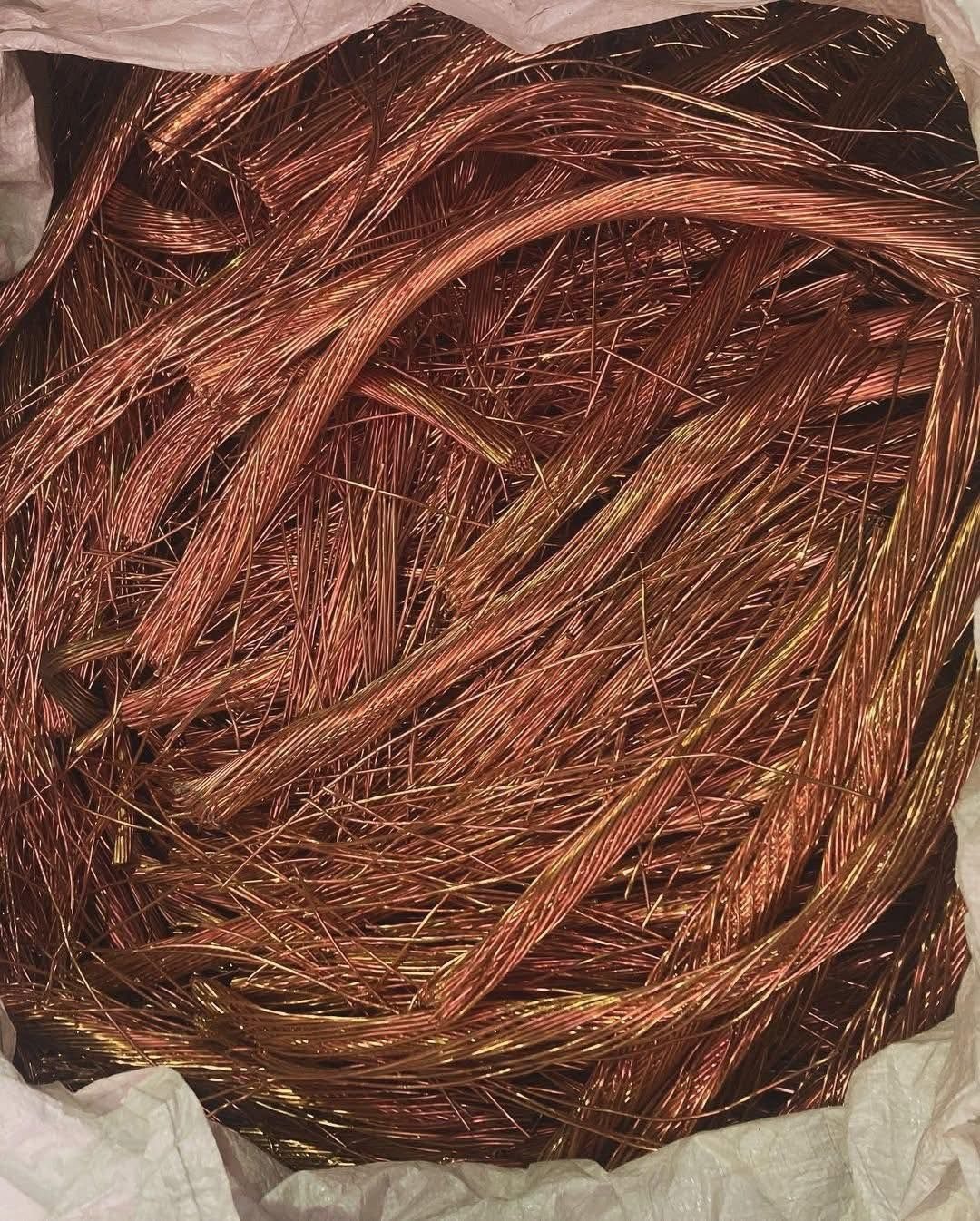
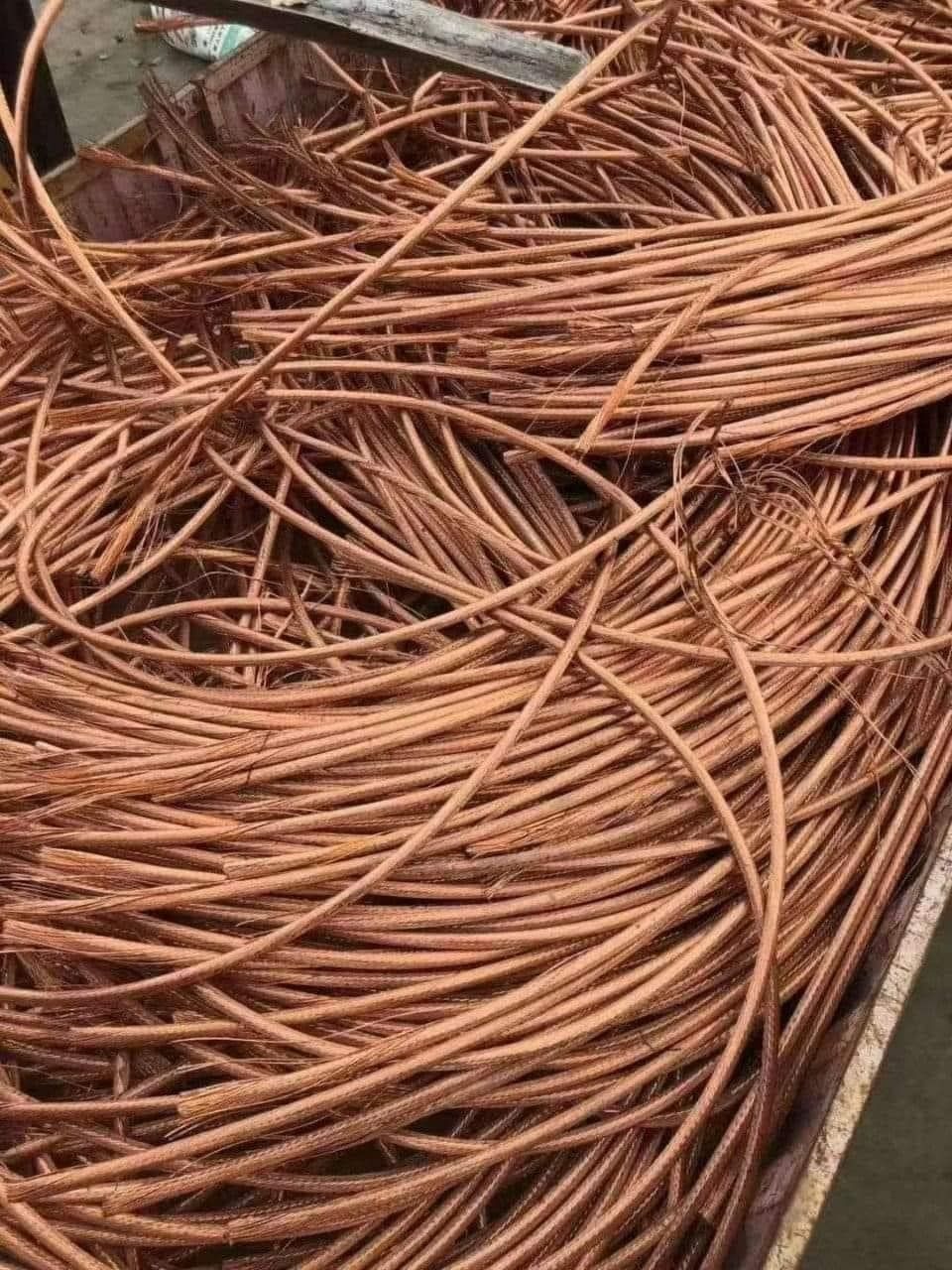
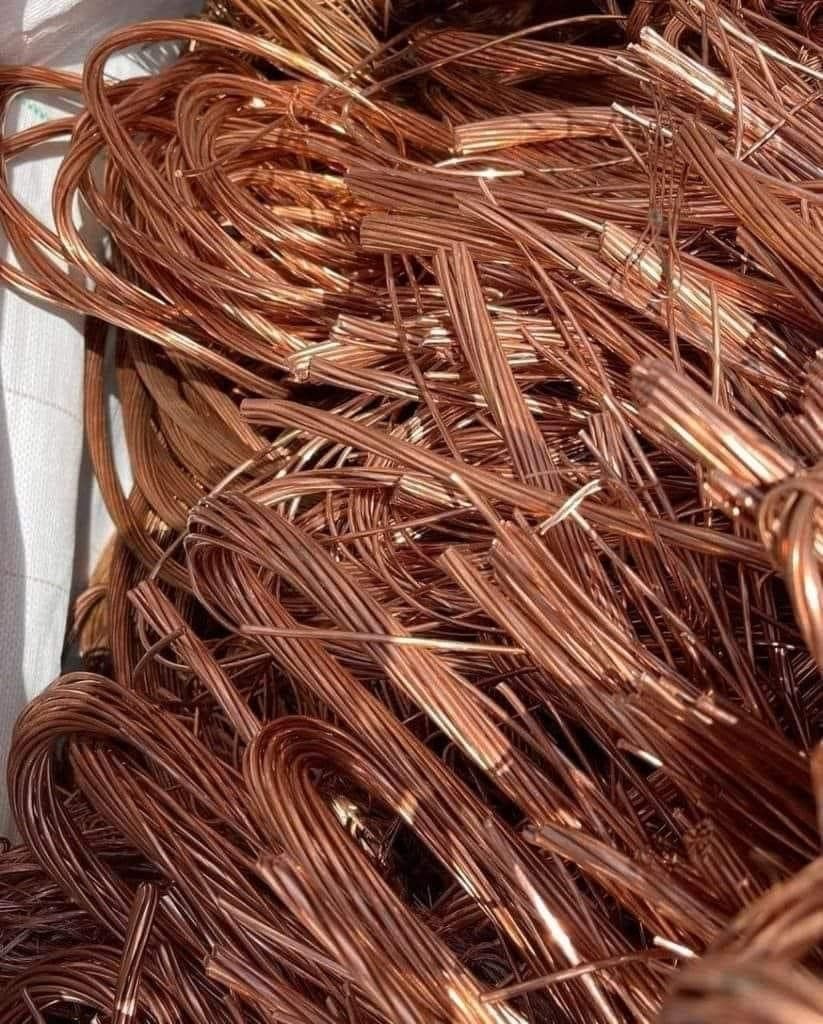
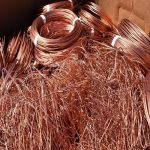
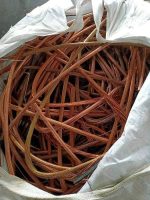
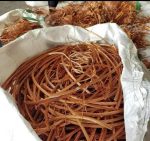
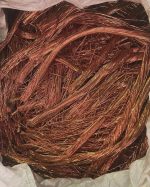
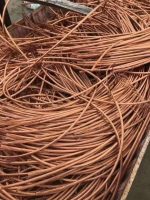
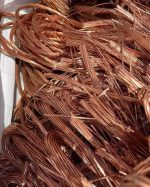
Karmenda Co Ltd offers export-ready copper wire scrap at 99.9% purity, classified as Millberry grade and No.1 Bright Copper Wire. This is one of the highest-value grades in the global copper scrap market. Each batch consists of clean, uncoated, and unalloyed copper wires, free from insulation, paint, tar, solder, and other contaminants. U.S. copper recyclers, smelters, and wire rod producers rely on this grade as a direct feedstock because it requires minimal processing before remelting.
Product Specifications
| Grade | Millberry / No.1 Bright Copper Wire |
|---|---|
| Copper Purity | 99.9% minimum |
| Form | Clean, uncoated, unalloyed copper wires |
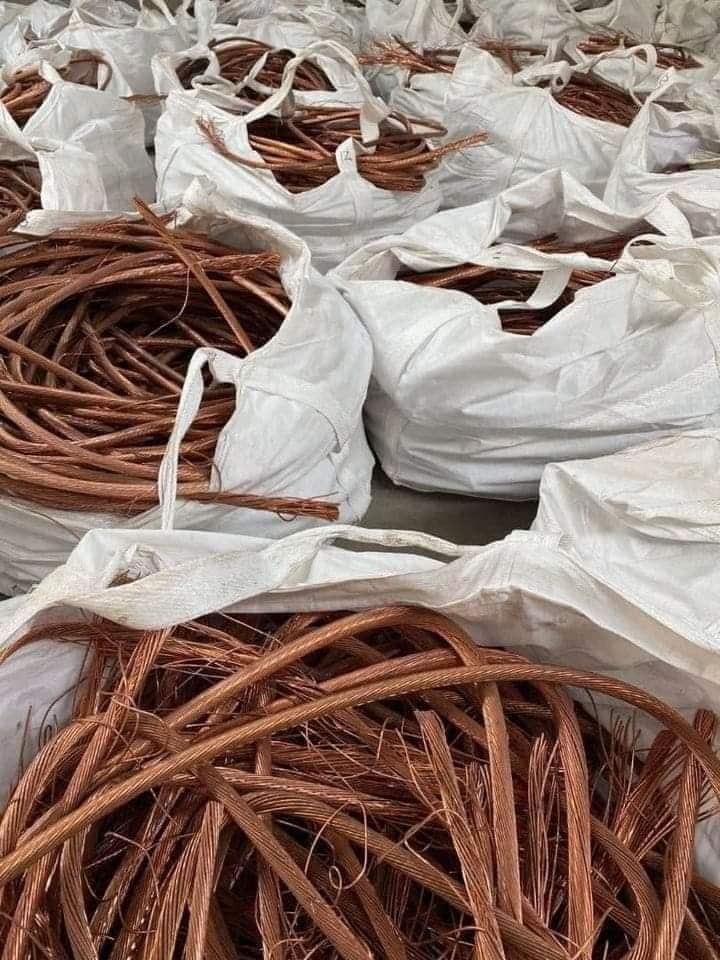
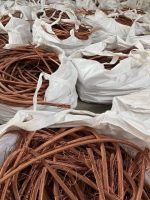
| Packaging | Compressed bales or bundles, 100 to 250 kg each |
| Usage | Copper refining, cable manufacturing, industrial remelting |
| Certification | Inspection report available upon request |
| Export Standard | Packed to export and transport requirements |
What Makes Millberry Copper Scrap the Top Grade?
Within the copper scrap grading hierarchy, Millberry or Bare Bright copper sits at the top. It is characterized by its clean, unalloyed composition, free from coatings or impurities, which makes it easy to process and highly valuable to scrap metal recyclers and smelters. Because there is no insulation to strip or alloy to remove, remelting yields are high and processing costs stay low.
For comparison, lower grades like No.2 Copper (94 to 96% copper content) or No.3 Copper (88 to 92% copper content) carry coatings or mixed metals that reduce yield and efficiency at the smelter. Buyers sourcing for wire rod production or copper refining operations consistently prefer Millberry grade for predictable melt chemistry and maximum return per metric ton.
Key Quality Features
- High purity: 99.9% copper content for consistent melt performance.
- Clean and uncoated: No insulation, paint, solder, or tar present.
- Unalloyed: Pure copper, not mixed with other metals.
- Batch inspected: Each lot is carefully examined before dispatch to ensure grade and consistency.
- Excellent conductivity: Retained electrical and thermal properties make it ideal for cable and wire applications.
- Corrosion resistant: Natural properties of copper preserved throughout preparation.
Industrial Applications
This copper wire scrap grade is widely accepted across several heavy industries. Buyers typically use it for:
- Copper refining: Feedstock for smelting and electrolytic refining operations.
- Wire rod production: Remelted into continuous cast wire rod for downstream cable manufacturers.
- Cable manufacturing: High-purity input for electrical and power cables.
- Industrial remelting: Direct furnace charge for copper alloy and product manufacturers.
- Electronics and telecommunications: Copper’s conductivity makes recycled Millberry grade suitable for high-spec applications after refining.
Packaging and Logistics
Material is packed in compressed bales or bundles, each weighing between 100 and 250 kg, depending on buyer requirements. Packaging is prepared to international export standards to ensure safe handling during ocean freight. Baling reduces volume and simplifies container loading, making bulk shipments more efficient for importers. Both FCL (full container load) and negotiated volume arrangements can be discussed with our team.
Why Source Copper Scrap from Kenya?
Kenya occupies a strategic position for scrap metal export within East Africa. Karmenda Co Ltd operates with established export procedures, including documentation and inspection reporting. An inspection report is available for each shipment, giving buyers confidence in the declared purity and grade before cargo is loaded. This traceability supports compliance requirements for U.S. importers dealing with customs, port authority inspections, and quality assurance protocols at their processing facilities.
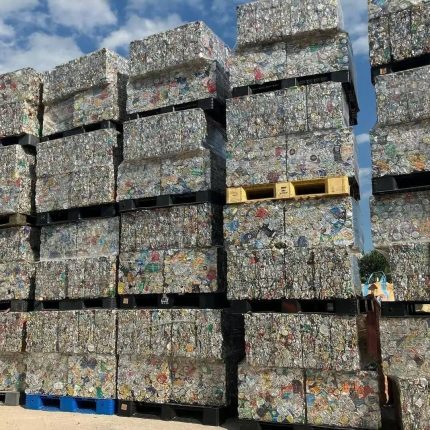
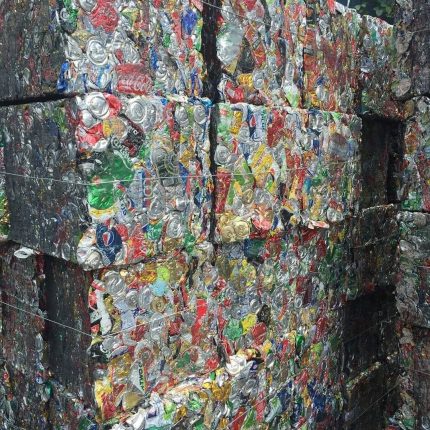
For buyers comparing international suppliers, sourcing from an African exporter with documented inspection practices can offer competitive lead times and pricing structures compared to heavily competed Asian supply channels. Buyers interested in UBC Aluminum Can Scrap or other non-ferrous commodities will find that Karmenda Co Ltd handles multiple scrap categories under one export relationship.
Buyer Considerations for Importing Copper Wire Scrap
U.S. importers evaluating bulk copper wire scrap should factor in the following when requesting a quote:
- Grade verification: Request the inspection report and confirm no coating or alloying elements are present before committing to volume.
- Volume and minimum order: Contact us directly to confirm minimum order quantities and available monthly volumes for your project requirements.
- Pricing benchmark: Copper scrap pricing is linked to LME (London Metal Exchange) copper prices. Millberry grade typically commands the highest discount-to-LME ratio among copper scrap grades, reflecting its purity advantage.
- Shipping terms: Clarify Incoterms (FOB, CIF, or CFR) during negotiation. Karmenda Co Ltd can advise on appropriate terms for your port of entry.
- Customs and compliance: U.S. importers should confirm HS code classification and any applicable duties or import requirements for copper scrap under current U.S. trade regulations.
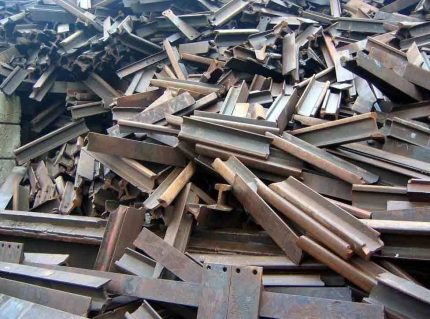
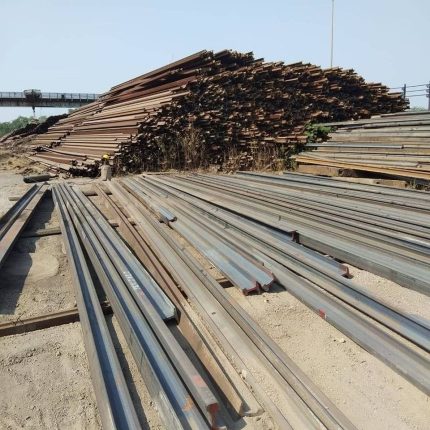
We also supply Rail Track Scrap and other industrial metals for buyers looking to consolidate multiple commodity purchases within a single export arrangement.
How to Request a Quote
Serious buyers, importers, and copper processors are encouraged to contact the Karmenda Co Ltd team directly. Provide your required monthly volume, preferred Incoterms, destination port, and any specific inspection or documentation requirements. We will respond promptly with current availability, pricing guidance referenced to prevailing LME rates, and logistics details. Use the contact form on this page or reach out through our company contact details to open a conversation.
Understanding copper scrap grades is useful before placing a bulk order. A well-regarded reference on the topic is available from GLE Scrap Metal’s copper grades guide, which explains the distinctions between Bare Bright, No.1, and No.2 copper clearly.


Reviews
There are no reviews yet.