


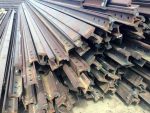
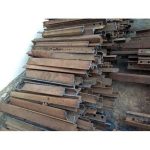
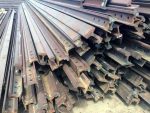
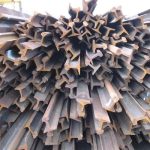
Used Railway Track Scrap from Kenya, Ready for Bulk Export
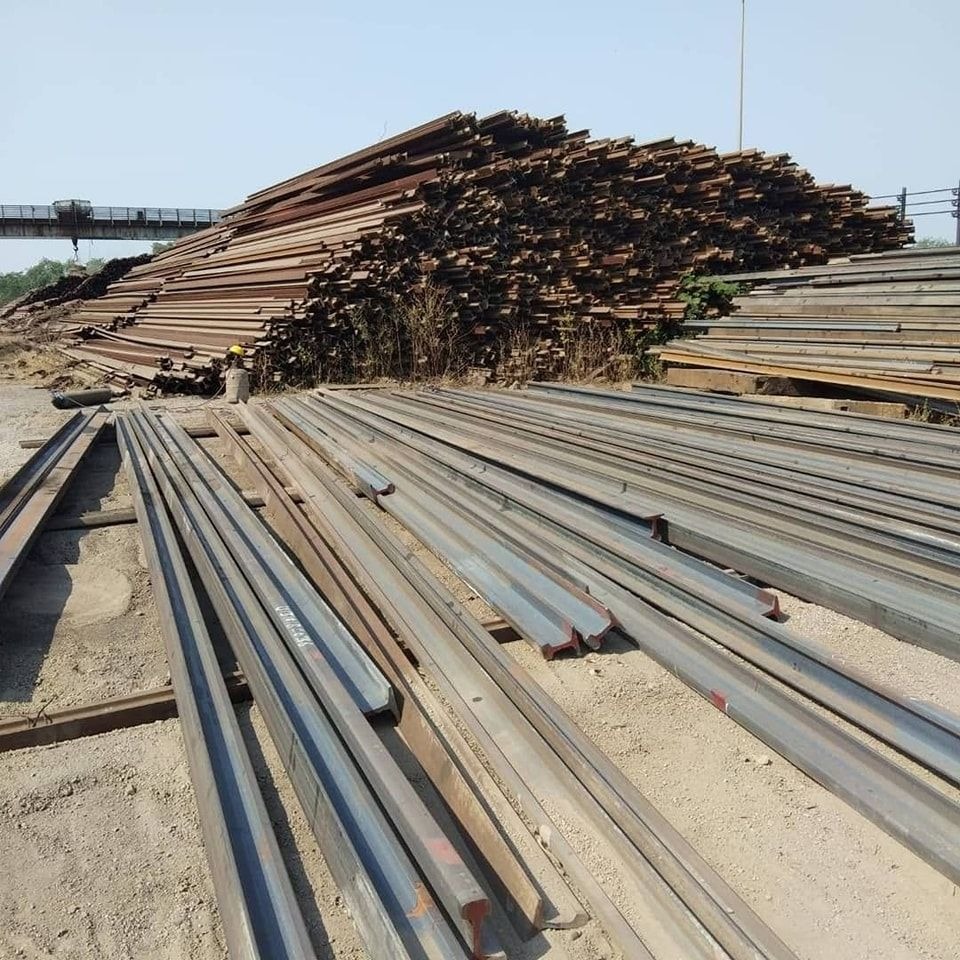
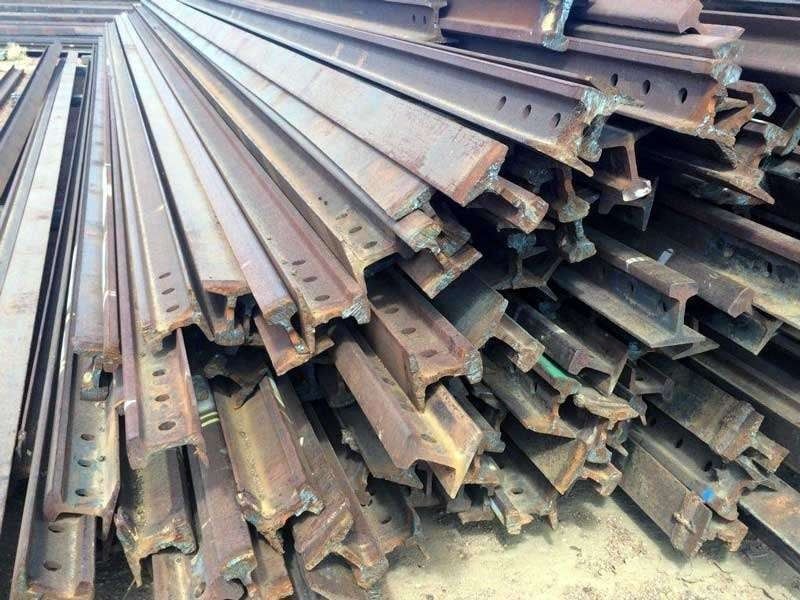
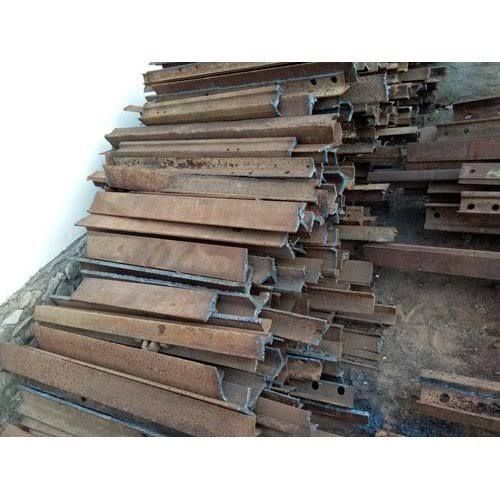
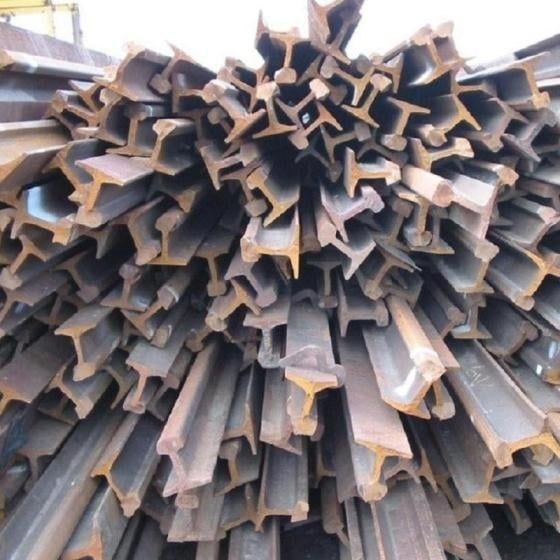
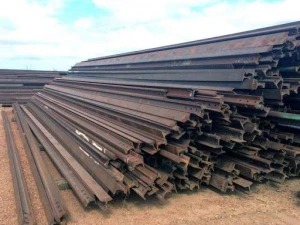
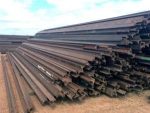
Karmenda Co. Ltd supplies used rail track scrap sourced from Kenyan railway operations. Each consignment is cut to manageable lengths, cleaned of debris, and securely packed prior to shipment, making the material straightforward for receiving facilities to process on arrival. Procurement teams, scrap traders, and steel-feed buyers looking for a reliable African-origin supplier can request a bulk quote directly through this listing.
Rail track scrap is a dense, high-carbon steel feedstock recovered from decommissioned or replaced railway lines. Because railway rail is manufactured to strict load-bearing standards, the steel content is generally consistent, which matters to buyers who feed it into electric arc furnaces or induction melting operations. Our Kenya-origin material ships via Mombasa port, giving U.S. importers a practical sea-freight option into East and Gulf Coast terminals.
Scrap Rail Weight Classes Available
Used railway rail is traded internationally by linear weight per meter, a classification system that tells buyers the cross-sectional mass of the original track section. Two weight classes appear most consistently across the global scrap rail market and are relevant to buyers evaluating this product.
43 kg per Meter Rail Scrap
The 43 kg/m section (sometimes listed as 43 kg used rail) is a lighter rail profile. In Chinese standard terminology it falls under GB2585-2007, with a nominal weight of approximately 44.65 kg/m and typical steel grades of 50Mn or U71Mn. Standard manufactured lengths run between 12.5 m and 25 m before cutting for scrap. When exported as scrap, these sections are cut shorter for container or bulk-vessel loading. Foundries and billet producers sourcing scrap for re-melt find this section suitable because the narrower flange reduces torch cutting time at the receiving plant.
50 kg per Meter Rail Scrap
The 50 kg/m section is a heavier profile, with a nominal weight of approximately 51.51 kg/m under the same GB2585-2007 Chinese standard. Steel grades are comparable to the 43 kg class (50Mn, U71Mn). The additional mass per meter means a higher steel yield per linear unit, which is often preferred by steel mills buying on a per-metric-ton basis because fewer pieces are required to fill a furnace charge. Both weight classes are available subject to current stock; contact us with your tonnage requirement and preferred weight class before placing an order.
How Buyers Typically Use Scrap Railway Track
Primary Industrial Applications
- Steel mill feedstock: High-carbon rail steel feeds electric arc furnaces and induction furnaces, contributing manganese and carbon to melt chemistry. Scrap buyers for EAF operations value the consistent cross-section because it enables predictable charge calculations.
- Foundry re-melt: Ferrous foundries processing cast or forged parts use rail scrap as a cost-effective iron and steel source to blend with pig iron or other scrap grades.
- Construction and fabrication salvage: Cut rail sections have historically been repurposed for structural posts, farm barriers, pedestrian bridge supports, and heavy-duty anchoring applications where the original high-strength steel is an asset rather than a liability.
- Billet and bar production: Mini-mills that produce re-rolled bar and rod sometimes charge rail scrap directly, particularly when the carbon content aligns with the intended product specification.
Typical Buyer Profile for This Material
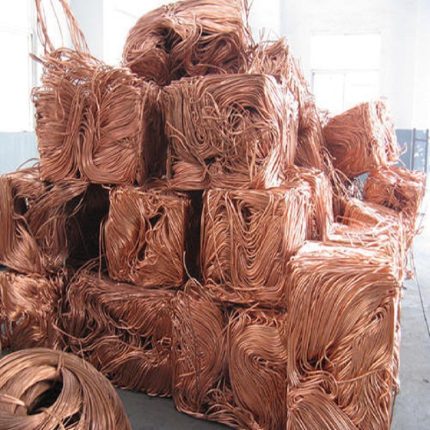
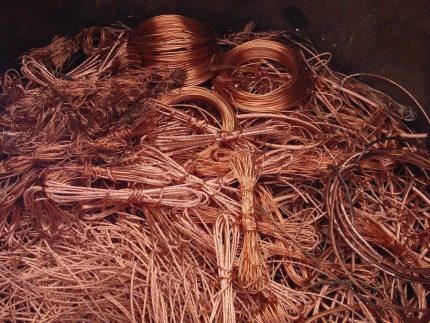
The most active buyers of bulk used rail track scrap are scrap dealers who aggregate material for onward sale to mills, procurement officers at steel re-rolling plants, and import brokers who represent foundry groups in the U.S. and internationally. If you are sourcing scrap railroad rail for a processing facility or aggregating a mixed container load of ferrous scrap, this product can be combined with other Kenyan-origin scrap grades. See our Copper Wire Scrap listing for non-ferrous scrap options from the same export program.
Rail Scrap Grades and International Standards Context
Chinese Standard Classification (GB2585-2007)
Much of the used rail circulating in global scrap trade was originally manufactured to Chinese rail standards, including the GB2585-2007 specification that defines rail profiles by kilogram-per-meter weight class. Grades U71Mn and 50Mn dominate the medium-weight rail classes relevant to the 43 kg and 50 kg sections. These grades are manganese-alloyed carbon steels, which contributes to the relatively high carbon and manganese readings buyers encounter when they assay rail scrap. Procurement teams who specify scrap by chemistry should request a material certificate or assay report at the time of inquiry. We will provide available documentation for each shipment.
Other Global Rail Standards Encountered in African Scrap
Kenya’s railway network has historically used rail sections supplied from multiple manufacturing origins, meaning scrap recovered from Kenyan lines may include sections originally produced under British, Indian, or Chinese rail standards. Buyers conducting due diligence on origin and chemistry are encouraged to raise specific grade or standard questions during the inquiry stage. We do not certify chemistry figures without supporting documentation, and we will share what is available for each batch.
Packaging, Condition, and Export Preparation
All rail track scrap offered through this listing is cut prior to shipment. Cutting reduces average piece length to dimensions compatible with standard 20-foot and 40-foot dry containers or open-top vessel loading, depending on order volume. Material is cleaned of non-metallic attachments before packing. Buyers purchasing on a CIF or FOB Mombasa basis should confirm packing method and loading plan at the quotation stage, as bulk vessel and container loading have different minimum order implications. Contact us to discuss your preferred incoterm and port of discharge.
Ordering and Inquiry Process for U.S. Buyers
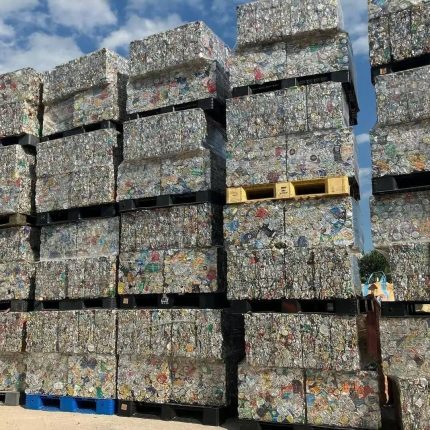
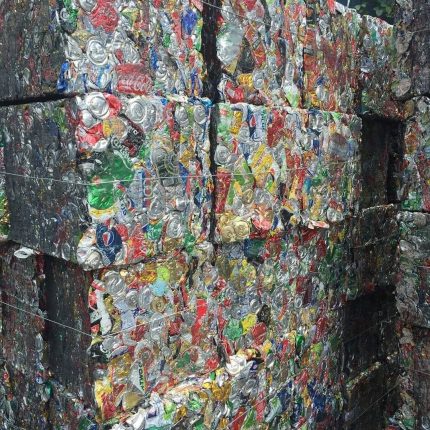
To receive a current railway track scrap price and availability confirmation, submit an inquiry using the contact or quote form on this page. Include your target quantity in metric tons, preferred weight class (43 kg/m or 50 kg/m), destination port, and incoterm preference. We will respond with a formal quotation, current stock position, and any available documentation for the batch. For buyers sourcing multiple scrap commodities, we also export UBC Aluminum Can Scrap and other grades that can be consolidated depending on vessel availability.


Reviews
There are no reviews yet.