

Lupinus albus: The High-Protein Pulse Behind the Plant-Based Shift
White lupin (Lupinus albus), also widely marketed as sweet lupin or field lupine in the U.S. ingredient trade, belongs to the legume family and carries one of the highest protein concentrations of any commercially available pulse. Its low content of bitter alkaloids (antinutrients) compared to bitter lupin varieties is the defining commercial advantage that has driven interest from food formulators and protein ingredient manufacturers across North America.
Karmenda Co. Ltd exports lupin beans from Kenya, supplying U.S. buyers who need a reliable, direct-source partner for bulk dried lupin beans and lupin sprouts. Both forms are available for inquiry: whole dried beans suited to further processing, and sprouts positioned for fresh or specialty food applications.
Product Forms and Key Specifications
Two forms are available for wholesale buyers:
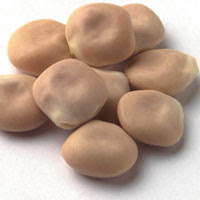
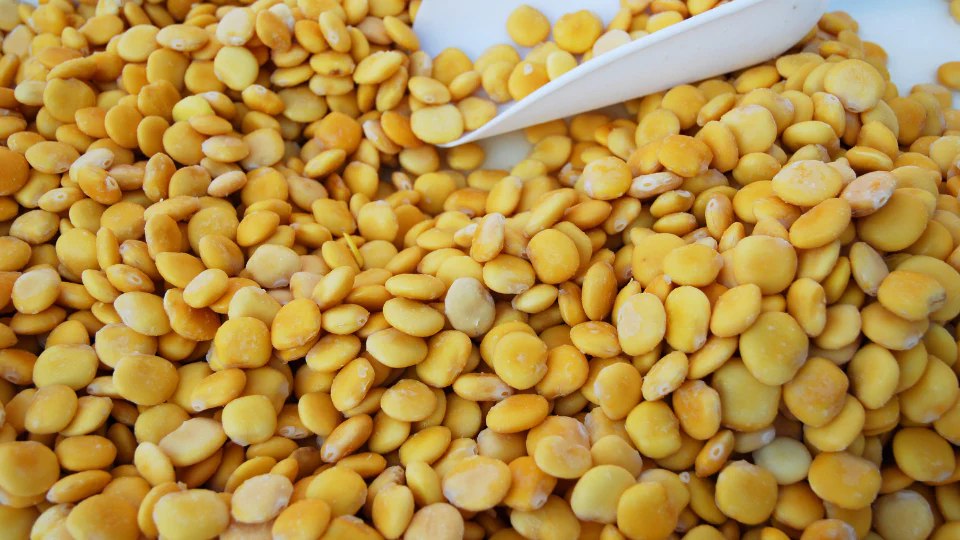
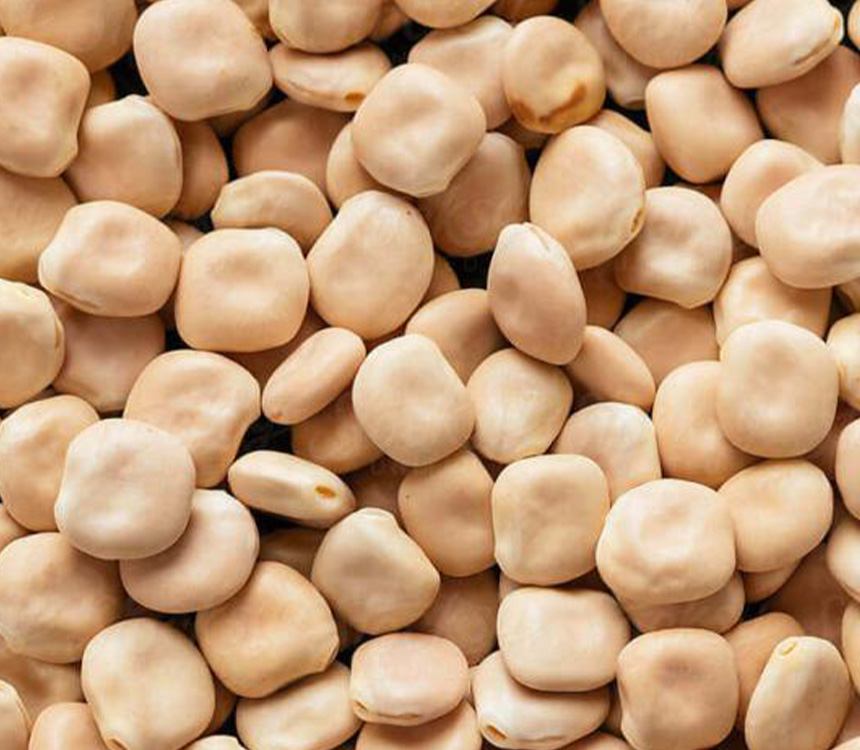
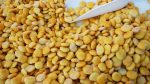
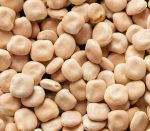
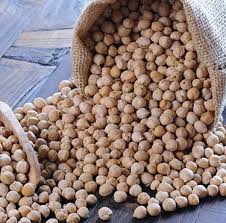
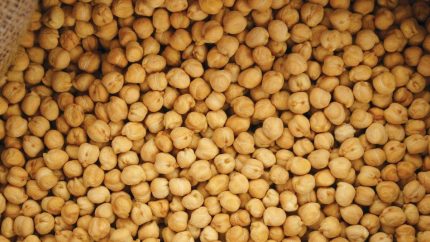
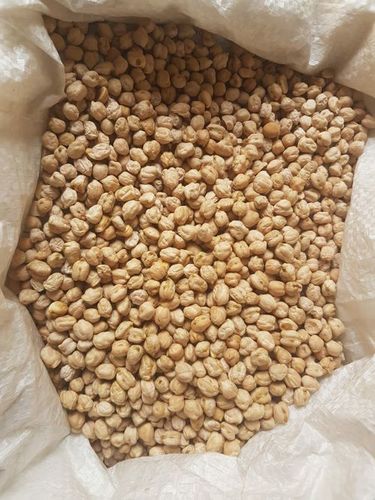
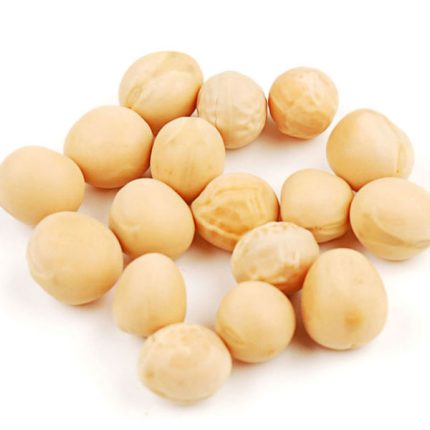
- Dried sweet lupin beans: Whole, cleaned dried beans from Lupinus albus. Used as a raw material for flour production, protein extraction, meat analogue formulation, and direct food service applications such as marinated lupin beans (a growing U.S. deli and snack category).
- Lupin sprouts: Fresh sprouted lupin, suited to specialty food retailers, food service operators, and health-focused distributors requiring a ready-to-eat or minimally processed format.
Note: Specific moisture content, protein percentage, screen size grades, and microbiological limits are not confirmed in the available product record. Buyers should request a full specification sheet and certificate of analysis (COA) at the time of inquiry. Karmenda Co. Ltd will supply documentation relevant to your import requirements.
Why U.S. Buyers Are Specifying Lupin in Food Formulations
Protein Density and Amino Acid Profile
Lupin is recognized in food science literature as a high-protein legume, with dried lupin beans generally carrying a notably higher protein fraction than soybeans on a dry-weight basis, depending on variety and growing conditions. For plant-based food manufacturers sourcing bulk protein ingredients, this density matters directly for cost-per-gram-of-protein calculations and finished product label claims. (Specific protein percentage for this lot is unconfirmed; request COA.)
Low Antinutrient Load
Sweet lupin varieties, including Lupinus albus, are bred or selected specifically for reduced alkaloid content. This means less processing is required to achieve palatability and food safety compliance compared to bitter lupin types, which simplifies the manufacturing process for buyers producing lupin flour, lupin-based pasta, or extruded snack products.
Functional Properties for Food Manufacturing
Ground lupin flour derived from white lupin beans exhibits emulsification, water-binding, and foaming properties that food technologists use in meat analogues, baked goods, and dairy-free product formulations. Buyers sourcing whole dried beans for in-house milling or extraction benefit from having a single-origin, traceable raw material.
Allergen Consideration for U.S. Import
Lupin is classified as a major allergen in the European Union and carries cross-reactivity risk with peanut-allergic consumers. In the United States, lupin is not currently listed as one of the nine major allergens under FSMA, but the FDA has issued guidance on labeling voluntary disclosure. U.S. food manufacturers and distributors should evaluate labeling obligations and customer allergen policies before specifying lupin in formulations. (This is general regulatory context; buyers should confirm current FDA guidance and their own compliance obligations independently.)
Applications Across the U.S. Food Industry
Plant-Based Meat and Protein Products
Lupin beans are used by manufacturers formulating meat alternatives, burger patties, sausage analogues, and high-protein ready meals. The combination of protein density and functional binding properties positions lupin as a complement or partial substitute for soy and pea protein in many formulations.
Specialty Food and Snack
Whole marinated lupin beans are sold in U.S. specialty grocery and Mediterranean food retail. Distributors serving this segment source dried beans in bulk for repackaging or co-manufacturing. The snack segment has grown alongside broader consumer interest in legume-based snacks with clean ingredient labels.
Lupin Flour and Ingredient Processing
Millers and ingredient processors purchase whole dried lupin beans to produce lupin flour for sale to bakers, pasta makers, and food service operators. Lupin flour’s nutritional profile (high protein, high fiber, low glycemic index by general category characterization) supports positioning in functional food product lines.
Food Service and Institutional
Lupin sprouts and cooked lupin beans appear in food service menus oriented toward plant-forward eating. Distributors supplying institutional food service, healthcare catering, and specialty restaurants are an active buyer segment for this product.
Sourcing from Kenya: What U.S. Importers Need to Know
Export Documentation and Compliance
Karmenda Co. Ltd is a Kenya-based exporter. Standard export documentation for agricultural commodity shipments from Kenya to the United States includes a phytosanitary certificate, certificate of origin, commercial invoice, packing list, and bill of lading. U.S. importers are responsible for FDA Prior Notice filing under FSMA and must confirm applicable entry requirements with their customs broker. (Specific certifications held by Karmenda Co. Ltd, including organic, GlobalG.A.P., or food safety management system certifications, are not confirmed in the available product record. Buyers should request documentation directly.)
Packaging and Logistics
Packaging format, bag weight, pallet configuration, and container load specifications are not confirmed in the available product data. U.S. buyers sourcing in full container load (FCL) or less-than-container-load (LCL) quantities should request a packing specification and pro forma invoice to evaluate landed cost. Karmenda Co. Ltd supplies to international buyers and can advise on logistics options from Kenyan port of export to U.S. destination port.
Minimum Order and Pricing
Lupin wholesale pricing and minimum order quantities (MOQ) are provided on request. Because commodity prices shift with harvest cycles, currency movements, and freight rates, buyers are encouraged to contact Karmenda Co. Ltd directly for a current quotation tied to their required volume, specification, and delivery timeline.
Frequently Asked Questions from U.S. Wholesale Buyers
Is lupin the same as lupine?
In the U.S. food trade, “lupin” and “lupine” are used interchangeably for the edible legume crop. “Lupine” is the more common American English spelling in agricultural and horticultural contexts, while “lupin” aligns with European food labeling and ingredient trade usage. Both refer to the same genus (Lupinus), with Lupinus albus (white lupin) being the primary commercial food-grade species.
What is the difference between sweet lupin and bitter lupin?
Bitter lupin varieties contain high levels of quinolizidine alkaloids, which require extensive soaking and processing to reduce to safe levels. Sweet lupin, including Lupinus albus and Australian sweet lupin varieties, has been selected for naturally low alkaloid content, making it more directly suitable for food ingredient use without extensive debittering steps.
Does lupin require FDA registration or Prior Notice before import?
Yes. All food commodities imported into the United States require FDA Prior Notice submission before the shipment arrives at a U.S. port. Additionally, the importing facility should be registered with the FDA under FSMA requirements. Buyers should work with a licensed customs broker and confirm current requirements with their regulatory team.
Can I request a sample before placing a bulk order?
Buyers interested in evaluating quality before committing to a bulk order are encouraged to contact Karmenda Co. Ltd to discuss sample availability and terms. Use the inquiry form or contact details on this site to start the conversation.
What other pulses does Karmenda Co. Ltd export?
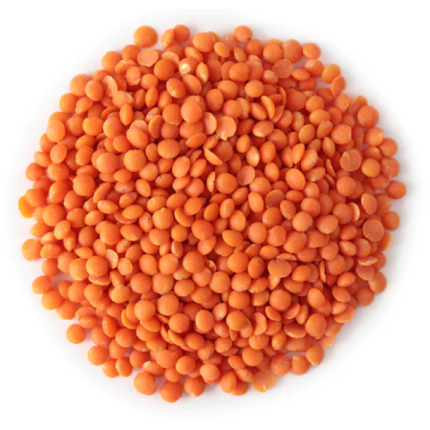
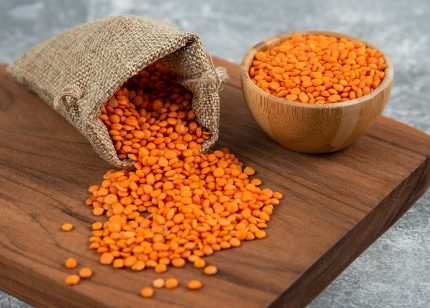
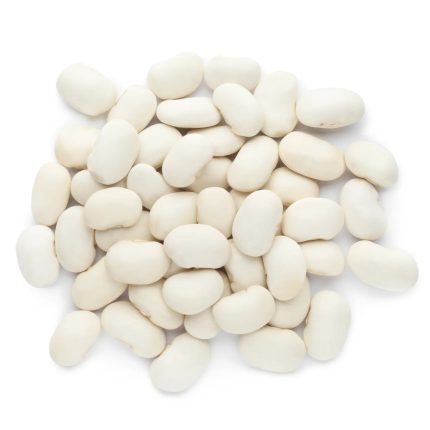
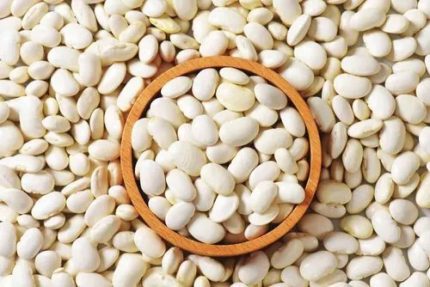
Karmenda Co. Ltd supplies a range of pulses from Kenya to international buyers, including Pigeon Peas, Red Lentils, Yellow Peas, and White Pea Beans. Buyers consolidating multiple pulse lines into a single supplier relationship can request combined quotations.
Request a Wholesale Quote for Lupin Beans
U.S. importers, food manufacturers, distributors, and ingredient processors sourcing lupin beans in bulk are invited to contact Karmenda Co. Ltd for pricing, product specifications, available certifications, and lead times. Provide your target volume, preferred packaging format, and destination port to receive a relevant quotation. Browse our full Pulses catalog for additional sourcing options from Kenya.
Explore Red Lentils.
Explore Yellow Peas.
Explore White Pea Beans.


Reviews
There are no reviews yet.