

Wholesale Chickpeas from a Reliable Export Supplier
Chickpeas, also widely traded under the name garbanzo beans, are one of the most commercially significant pulse crops in international commodity markets. For U.S. importers, food manufacturers, private-label processors, and institutional distributors, sourcing dried chickpeas at consistent quality and volume is a recurring procurement priority. Karmenda Co. Ltd supplies bulk dried chickpeas for export, with attention to the grade, cleanliness, and documentation requirements that U.S. buyers need to move product through customs and into distribution channels efficiently.
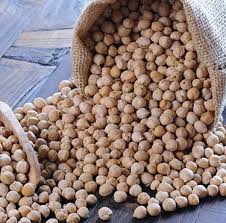
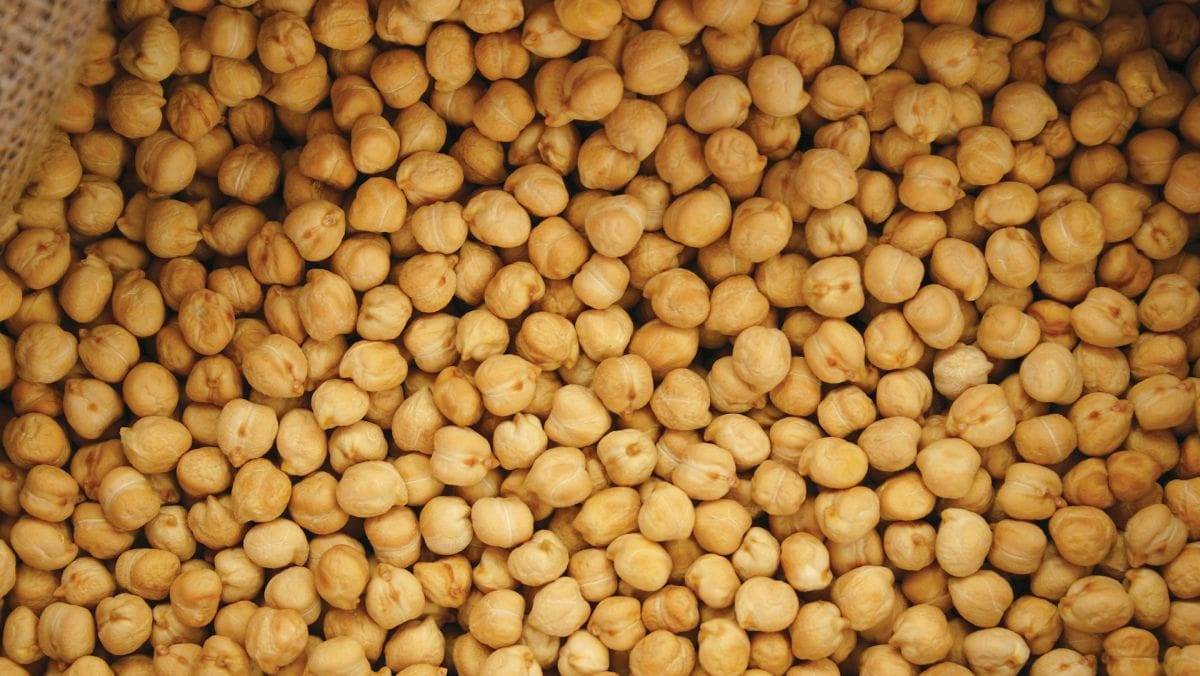
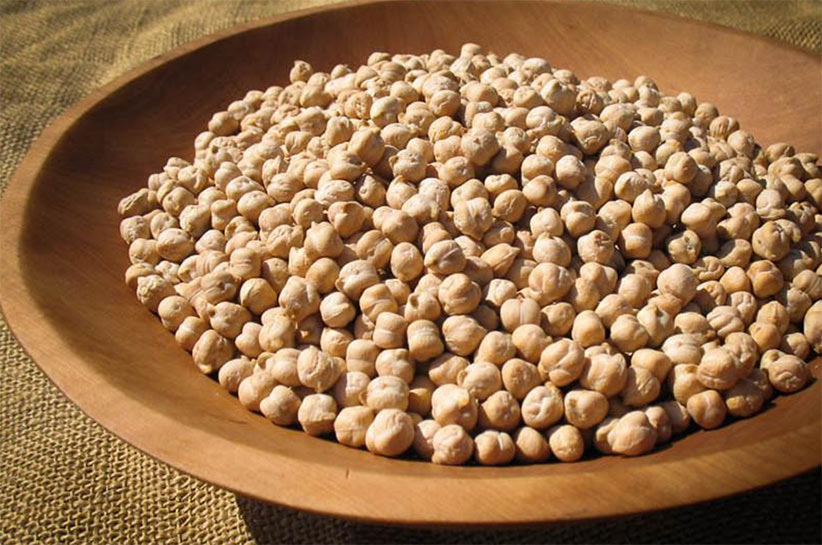
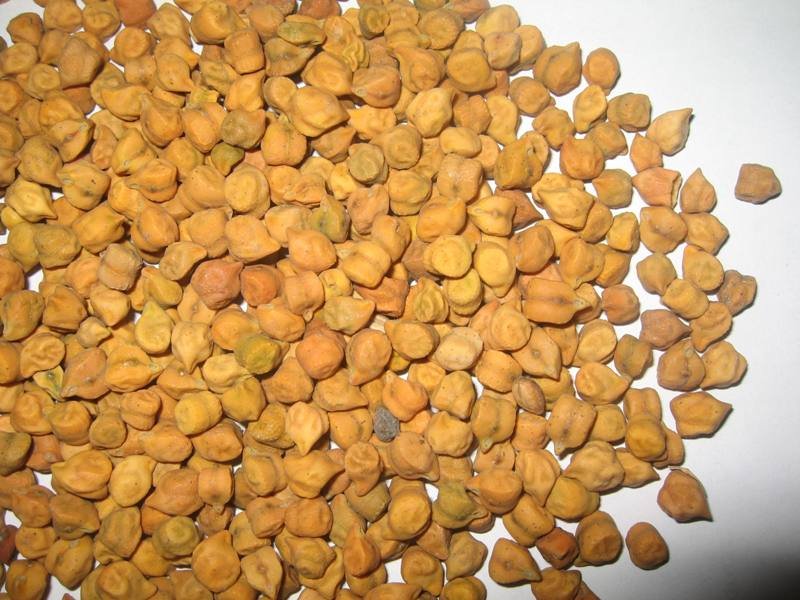
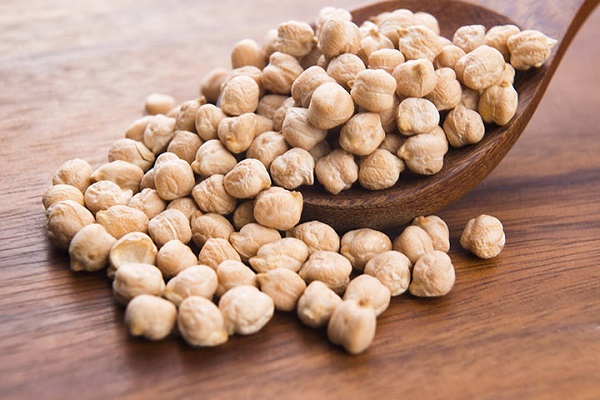
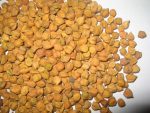
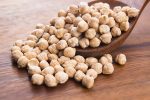
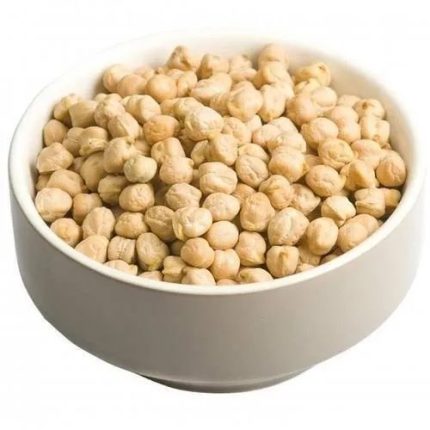
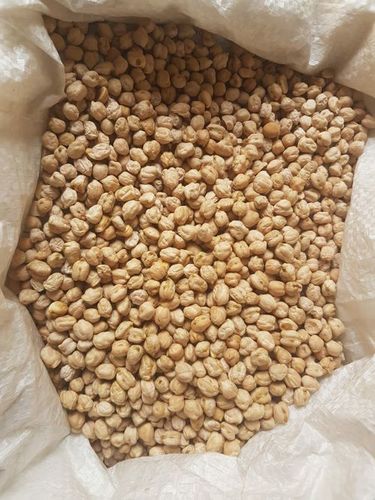
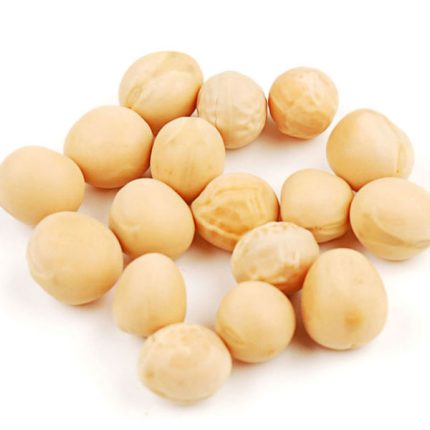
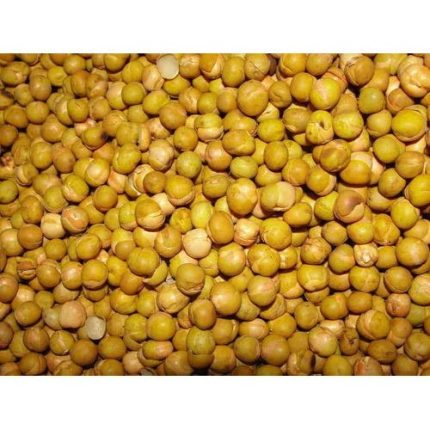
Two main market types are relevant to commercial buyers: Kabuli chickpeas, which are the large-seeded, cream-colored variety dominant in North American retail and food service, and Desi chickpeas, which are smaller, darker, and typically directed toward flour milling, ingredient processing, and specialty ethnic food markets. Buyers sourcing for different end uses should specify the type when submitting a quote request.
Nutritional Profile: What Buyers Need to Know for Product Positioning
Chickpeas carry a strong nutritional story that drives demand across multiple consumer categories. Understanding the numbers matters when you are positioning a private-label product, formulating a plant-based food line, or supplying a health-focused distributor.
Per 100g of raw dried chickpeas, the product delivers approximately 269 calories, 45g of carbohydrates (predominantly complex starches), 15g of protein, 12g of dietary fiber, and 4g of fat. That fiber content represents roughly 50% of the U.S. Daily Value, which is a meaningful label claim for retail-packaged goods. The protein level positions chickpeas competitively against other plant proteins in formulated foods. Key micronutrients include folate at 71% DV, phosphorus at 28% DV, iron at 26% DV, and zinc at 17% DV.
Chickpeas are naturally cholesterol-free, low in saturated fat, and carry a relatively low glycemic index compared to other starchy legumes, which is useful context for product developers targeting specific dietary positioning. Academy of Nutrition and Dietetics overview of chickpea nutrition
Essential Nutrients Relevant to Label Claims
Folate content is particularly relevant for product lines targeting prenatal nutrition or general wellness. At 71% DV per serving of raw chickpeas, folate supports DNA synthesis and is a recognized nutrient of concern in U.S. dietary guidelines. Iron at 26% DV is significant for plant-based food manufacturers developing products aimed at vegetarian or vegan consumer segments, where non-heme iron sources are actively marketed. Zinc and phosphorus round out the mineral profile and support broader wellness positioning.
Protein and the Plant-Based Market
At 15 grams of protein per 100g raw, chickpeas qualify as a good source of protein under FDA labeling definitions, which is a commercially useful designation. The amino acid profile includes meaningful concentrations of lysine and arginine. Like most legumes, chickpeas do not provide a complete amino acid profile on their own, so food formulators combining chickpea protein with grain-based ingredients can address this through complementary sourcing. Buyers developing high-protein snack lines, plant-based meat alternatives, or chickpea pasta should factor this into formulation planning.
Commercial Applications: Where Bulk Chickpeas Go
The range of end uses for dried chickpeas is broad, which contributes to stable year-round demand from multiple buyer types. The following categories reflect the main application channels relevant to U.S. procurement teams.
Food Manufacturing and Entrees
Chickpeas are a core ingredient in a wide range of prepared and packaged entree products. Hummus manufacturing is the largest single-category driver in the U.S. market, but demand also extends to frozen Indian-style dishes, canned legume blends, plant-based curry sauces, and grain bowl meal kits. Chickpea flour, milled from dried Desi-type chickpeas, is used in gluten-free pasta, flatbreads, and batter coatings. Food manufacturers sourcing in container-load quantities should discuss grade specifications and moisture tolerances directly with our export team.
Soups, Stews, and Slow-Cook Formats
Dried chickpeas are a standard input for canned and retort-processed soups, stews, and ready-to-eat legume products. Their ability to hold structure through thermal processing makes them preferable to softer legumes in many retort applications. Co-packers and private-label soup manufacturers typically source dried chickpeas in bulk and process them in-house prior to canning. Volume pricing and consistent lot sizing are key considerations for buyers in this segment.
Salads and Chilled Food Applications
Pre-cooked, chilled chickpeas are increasingly used in deli salads, grain salads, and protein-added refrigerated meal components. Retailers and foodservice operators sourcing dried chickpeas for in-house cooking programs look for uniform seed size and low defect rates, since visual consistency matters in finished salad presentations. Kabuli-type chickpeas, with their larger, more uniform profile, are typically preferred for this end use.
Snacks, Roasted Products, and Sides
The roasted chickpea snack segment has grown substantially in the U.S. over the past decade. Buyers in this space require chickpeas with consistent size grading and low moisture content to achieve even roasting results. Chickpeas are also used in trail mix blends, coated nut-and-legume snack formats, and side dish preparations. Snack manufacturers often source in large sack or bulk-bag formats optimized for continuous production runs.
Breakfast and Specialty Product Lines
Chickpea flour has found a growing niche in breakfast products, including high-protein pancake mixes, gluten-free waffle formulas, and fortified porridge blends. Some specialty food brands use whole chickpeas in grain-free granola and seed-and-legume breakfast mixes. Buyers developing products for the health-forward breakfast category should consider both whole-bean and flour-grade supply options.
Desserts and Beverages
Aquafaba, the liquid from cooked chickpeas, has established a small but consistent demand from confectionery manufacturers producing vegan meringues, mousses, and bakery fillings. Some chickpea protein concentrates are now used in plant-based beverage formulations. While these are lower-volume applications relative to hummus or soup production, they represent growing specialty demand that influences overall chickpea pricing dynamics in the U.S. import market.
Chickpeas Across Key Dietary and Health Markets
U.S. food buyers and distributors increasingly need to align product sourcing with specific consumer health segments. Chickpeas serve several of these markets simultaneously, which contributes to their commercial resilience.
Wellness and Everyday Diet Planning
The combination of high fiber, moderate protein, and a low glycemic index makes chickpeas a natural fit for general wellness product lines. Fiber at 12g per 100g raw supports gut health claims and satiety positioning, both of which are commercially relevant in the functional food space. For distributors supplying natural grocery chains or health food co-ops, chickpeas are a consistent category performer with predictable reorder cycles.
Health Conditions and Specialized Dietary Channels
Chickpeas are inherently gluten-free, which qualifies them for distribution through celiac and gluten-sensitive market channels. Their low glycemic index makes them relevant to diabetic-friendly product development. The high iron content is a meaningful attribute for products targeting iron-deficient populations, particularly in vegetarian and vegan food lines. Buyers developing products for clinical nutrition or medical food channels should verify specific health claim compliance with the FDA separately, as this page does not constitute regulatory guidance.
Pregnancy and Prenatal Nutrition Applications
Folate is a well-established nutrient of concern during pregnancy, and chickpeas are one of the more concentrated plant-based folate sources available in commodity form. Food manufacturers developing prenatal supplement foods, fortified grain products, or prenatal snack lines may find chickpeas a commercially viable folate vehicle. This application is most relevant to nutraceutical co-packers and specialty food formulators rather than general grocery distributors.
Physical Activity and Sports Performance Segments
Plant-based protein products aimed at athletic and active-lifestyle consumers represent a fast-growing U.S. retail segment. Chickpeas’ protein density, combined with their clean-label appeal, positions them well for sports nutrition brands developing legume-based protein bars, high-protein dips, or recovery meal components. The lysine content is relevant to sports nutrition formulators, since lysine is an essential amino acid often highlighted in plant protein comparisons. Chickpea protein concentrates and isolates, processed downstream from dried chickpeas, are the form most commonly used in this segment.
Infant and Baby Food Considerations
Chickpea purees and chickpea-based grain blends are used in commercial baby food formulations, particularly in organic and clean-label product lines. Buyers in this segment have stricter quality and contaminant requirements than standard commodity purchasing, including limits on pesticide residues and heavy metals. Suppliers for baby food applications should be able to provide full traceability documentation and relevant testing records. Prospective buyers in this category should discuss documentation requirements with our export team before placing orders.
Sourcing and Supply: Buyer Guidance for U.S. Importers
Types and Grades
The two commercially traded types are Kabuli and Desi. Kabuli chickpeas are the cream-colored, large-seeded variety most familiar to U.S. consumers and are the standard for hummus, canned goods, and retail pack formats. Desi chickpeas are smaller, with a thicker seed coat, and are primarily used in flour milling and pulse splitting. Buyers should specify type, preferred seed size (typically expressed in millimeter count or seeds-per-100g weight), and acceptable defect tolerances when requesting a quote.
Packaging Options for Bulk Buyers
Standard bulk packaging for export-grade dried chickpeas includes 25kg and 50kg woven polypropylene bags, with inner liner options for moisture protection during sea freight. Container-load quantities are typically priced on an FOB or CIF basis depending on destination port and buyer preference. Buyers requiring private-label or custom retail pack formats should discuss minimum order quantities and lead times directly with our team.
Export Documentation and U.S. Import Requirements
Chickpeas exported from Kenya and destined for the U.S. market are subject to USDA and FDA import requirements, including phytosanitary certificates, certificates of origin, and compliance with FDA food facility registration under the Food Safety Modernization Act (FSMA). Karmenda Co. Ltd can provide standard export documentation. Buyers are responsible for confirming their own import broker and customs compliance requirements. Organic certification, non-GMO verification, and kosher or halal certificates are not confirmed available for this product listing and should be verified directly if required.
Request a Wholesale Quote
Price varies by volume, grade, type, and destination port. There is no published per-unit price on this listing, as wholesale chickpea pricing is quoted individually based on order specifications and current market conditions. U.S. importers, distributors, co-packers, and procurement teams are invited to submit a sourcing inquiry with their target volume, required grade, packaging preference, and destination port. Our export team will respond with a formal quotation.
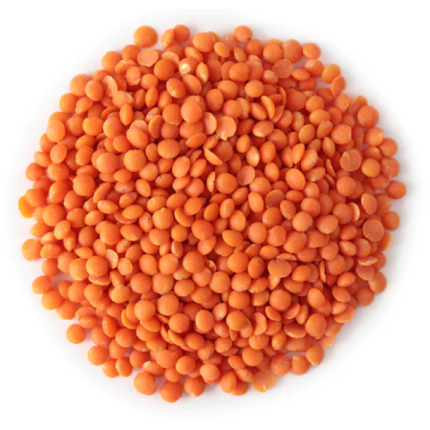
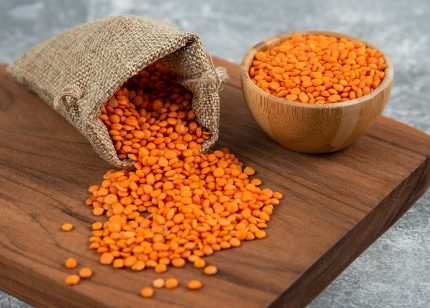
Browse our full range of export pulses, including Pigeon Peas, White Pea Beans, and Red Lentils, or view the complete Pulses catalog for additional sourcing options.
For further details on Authoritative reference relevant to buyer guidance, standards or compliance, consult Chickpeas-Product-Specific Regulations.
For further details on Authoritative reference relevant to buyer guidance, standards or compliance, consult United States Standards for Beans.
For further details on Authoritative reference relevant to buyer guidance, standards or compliance, consult United States Standards for Beans.


Reviews
There are no reviews yet.