

Kabuli Chana: The Wholesale Buyer’s Reference
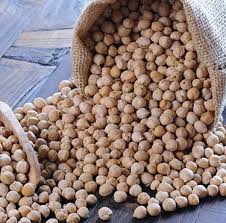
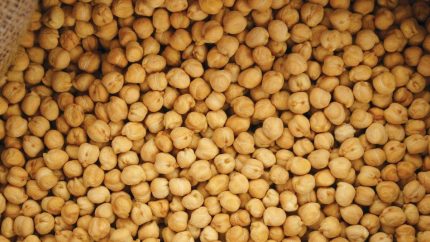
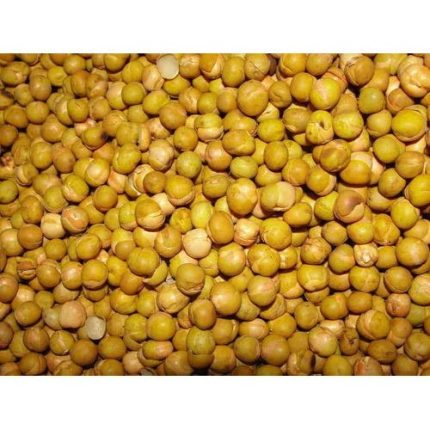
Kabuli chickpeas, known commercially as Kabuli chana or garbanzo beans, are the larger, lighter-skinned type of Cicer arietinum most familiar to U.S. food buyers. The name itself traces to the variety’s long association with the Kabul region and surrounding Central Asian trade corridors, where chickpeas moved along the Silk Road routes connecting South Asia, the Middle East, and North Africa. Today Kabuli is the dominant commercial type in global pulse trade, accounting for the majority of chickpea volume handled by U.S. importers, food processors, and specialty distributors.
Karmenda Col Ltd offers organic Kabuli chana sourced through The Altitude Store brand. The product is positioned as 100% organic and chemical-free, targeting buyers who need to meet clean-label, natural, or organic positioning requirements in their own supply chains. Buyers considering this product for private-label chickpea products, foodservice distribution, or ingredient supply should submit a wholesale inquiry for current lot availability and pricing.
Product Specifications and Variety Profile
Kabuli chickpeas are distinct from the smaller, darker Desi type in several ways that matter to U.S. buyers and end-use processors:
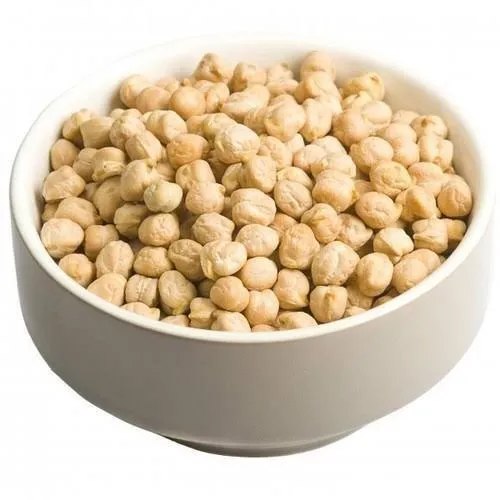
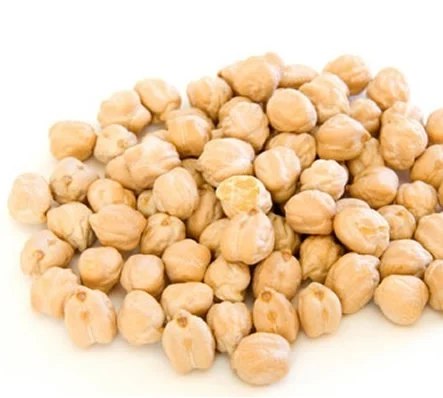
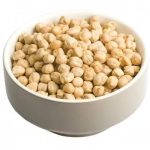
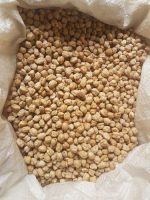
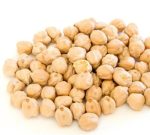
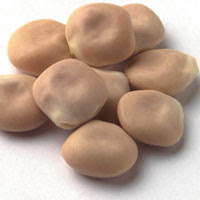
- Seed size: Kabuli is the larger-seeded type, with a smooth, thin seed coat ranging from cream to pale beige in color.
- Protein content: Chickpeas are a well-documented source of plant protein and dietary fiber, making Kabuli a preferred input for high-protein food formulations, plant-based product lines, and functional snack categories. (Specific lab values for this lot are not published on this listing; buyers requiring certificate of analysis data should request it at the inquiry stage.)
- Culinary identity: The mild, slightly nutty flavor of Kabuli makes it the standard choice for canned chickpeas, hummus production, chana masala, roasted snack formats, salad inclusions, and pulse-flour applications.
- Organic status: Described by the supplier as 100% organic and chemical-free. Buyers requiring USDA NOP certification documentation or equivalent third-party organic certification should confirm this at the inquiry stage, as certification paperwork has not been independently verified for this listing.
End-Use Applications for U.S. Buyers
The breadth of Kabuli’s applications is one reason it commands consistent demand across multiple buyer segments in the United States. Food manufacturers, private-label packagers, foodservice distributors, and specialty grocery importers all source Kabuli chana in quantity.
Food Manufacturing and Processing
Kabuli is the preferred input for hummus processing, where a consistent seed size and pale color translate directly to a uniform finished product. It is also used in aquafaba production, pulse-protein concentrate manufacturing, and chickpea flour milling. Processors running continuous lines value size uniformity and low defect rates, both of which should be confirmed in buyer specifications before order placement.
Packaged Goods and Private Label
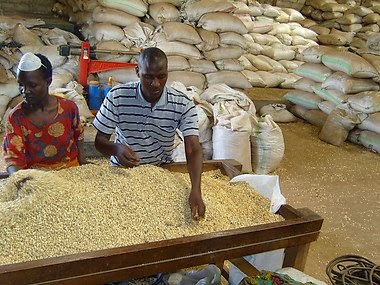
Retail-ready dry chickpea packs (1 lb, 2 lb, and 4 lb formats are common in the U.S. market based on observed retail listings) depend on a supply of clean, sorted, whole Kabuli seed. Importers supplying South Asian grocery channels, natural food retailers, and online marketplaces routinely source Kabuli chana in bulk and repackage domestically.
Foodservice and Ethnic Cuisine Supply
Kabuli chana sits at the center of several high-demand dish categories in U.S. foodservice: chana masala, chole, Middle Eastern mezze formats, and grain bowl proteins. Afghan Kabuli Pulao, the national dish of Afghanistan, uses whole chickpeas as a signature garnish alongside basmati rice, caramelized carrots, raisins, and braised meat, a dish with growing visibility on U.S. menus as Afghan cuisine gains broader recognition. Foodservice distributors supplying Afghan, South Asian, and Middle Eastern restaurants represent a distinct buyer segment for whole Kabuli chana.
Kabuli in Afghan Cuisine: Market Context for Food Buyers
U.S. foodservice buyers sourcing Kabuli should be aware of the cultural demand context. Qabili Palau (also spelled Kabuli Pulao or Kabuli Palaw) is considered Afghanistan’s national dish, with roots in the northern Afghan trade towns near the Uzbek border where Silk Road commerce once concentrated. TasteAtlas documents Kabuli Pulao as a traditional rice dish from Kabul made aromatic with char masala, a blend of cumin, cardamom, cloves, cinnamon, and black pepper, with chickpeas among the recognized accompaniments. The dish is prepared for weddings, Eid celebrations, and large family gatherings, meaning demand for whole Kabuli chana in Afghan-serving foodservice accounts is seasonal and event-driven.
Beyond Afghan cuisine, Kabuli chana is foundational to South Asian cooking traditions across the U.S. diaspora market. Recipes range from slow-cooked Kabuli Biryani variants to quick preparations of chole, and the chickpea appears in chaat applications where texture and size consistency are particularly visible to the end consumer. These demand signals reinforce Kabuli’s position as a year-round staple rather than a niche specialty pulse.
Bulk Sourcing from Kenya: Why Origin Matters
Karmenda Col Ltd operates as a Kenya-based exporter. For U.S. importers evaluating an East African supply source for Kabuli chana, a few practical considerations apply:
- Import documentation: Standard U.S. import requirements for pulse commodities include phytosanitary certificates, certificates of origin, and FDA registration of the foreign facility. Buyers should confirm which of these documents the supplier can provide before committing to a trial shipment.
- AGOA and trade considerations: Kenya is an eligible beneficiary country under the African Growth and Opportunity Act (AGOA), which may affect duty treatment for qualifying agricultural commodities. Buyers should verify current eligibility and product-specific tariff classifications with a licensed customs broker.
- Lead time and logistics: Specific shipping timelines, container availability, and port-of-departure information are not published on this listing. These are standard negotiation points to address during the inquiry process.
- Organic documentation: The listing describes the product as organic and chemical-free. U.S. buyers selling into organic-certified channels will need to confirm whether the supplier holds or can provide documentation recognized under USDA NOP or an equivalent accepted standard.
Nutritional Profile: Relevance for Buyer Positioning
Kabuli chickpeas are widely recognized as a nutrient-dense legume. Plant protein, dietary fiber, complex carbohydrates, folate, iron, and phosphorus are among the documented components. This nutritional profile has driven Kabuli into plant-based product formulations, high-protein snack categories, and functional food applications well beyond traditional culinary use. Buyers building product lines around protein claims or plant-based positioning will find Kabuli a commercially well-established input with strong consumer recognition under both the “chickpea” and “garbanzo bean” names used in U.S. retail markets.
Specific nutrient values for this particular lot are not published on this product listing. Buyers requiring verified compositional data should request a certificate of analysis as part of the inquiry process.
Request a Wholesale Quote
Pricing for Kabuli chana in bulk is not fixed on this listing, as it depends on lot size, grade, packaging format, and shipping terms. U.S. importers, distributors, and food manufacturers interested in a wholesale quote should use the inquiry form to specify:
- Required quantity (in metric tons or pounds, whichever is standard for your operation)
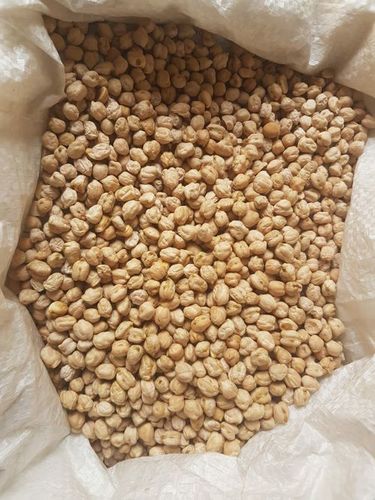
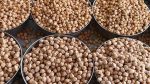
- Preferred packaging (bulk bags, woven sacks, or other formats)
- Destination port and Incoterms preference
- Any certification or documentation requirements
- Target delivery timeline
Early-stage inquiries are welcome. If you are evaluating Kabuli chana for a new product line or are switching suppliers, providing as much context as possible in the initial message will speed up the quoting process.
Related Pulses in This Catalog
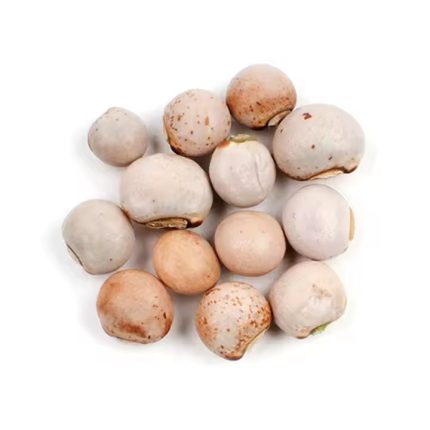
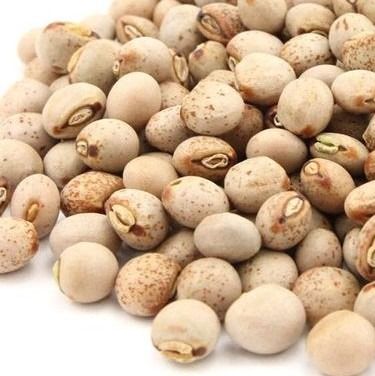
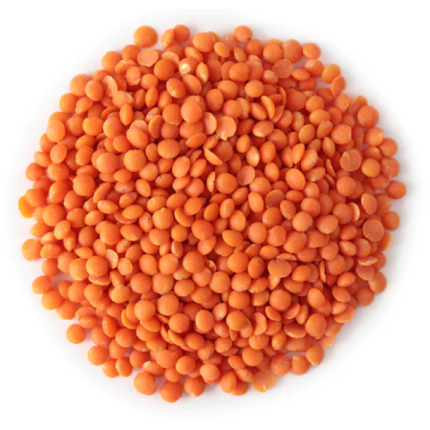
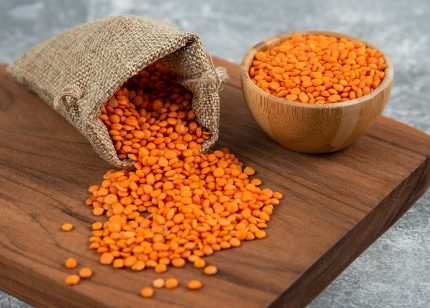
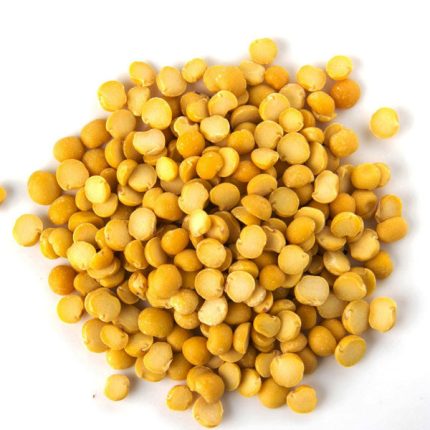
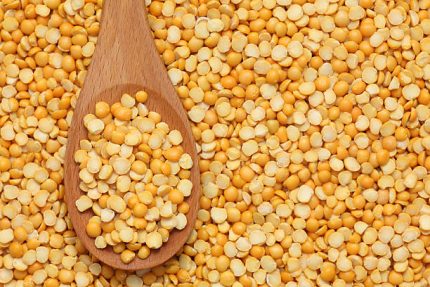
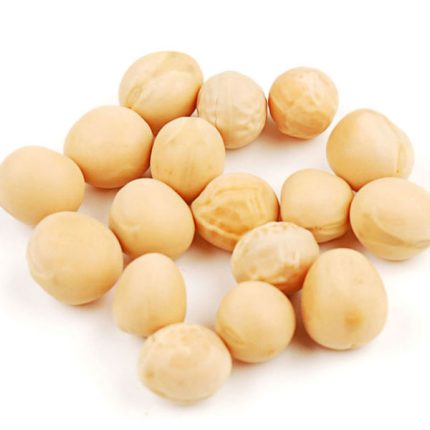
Buyers sourcing Kabuli chana often need complementary pulses to round out a procurement order or product portfolio. This catalog also carries other pulse varieties including Red Lentils, White Pea Beans, and Split Yellow Peas, which are commonly co-sourced by importers supplying South Asian grocery, foodservice, and private-label channels.
Explore Split Yellow Peas.
For further details on Authoritative reference relevant to buyer guidance, standards or compliance, consult 24020-01 Written Agreement Handbook 2025.


Reviews
There are no reviews yet.