

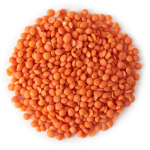

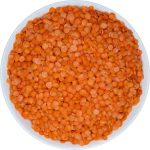
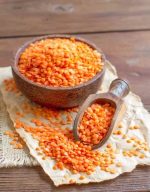
Kenya-Sourced Split Red Lentils for Wholesale Buyers
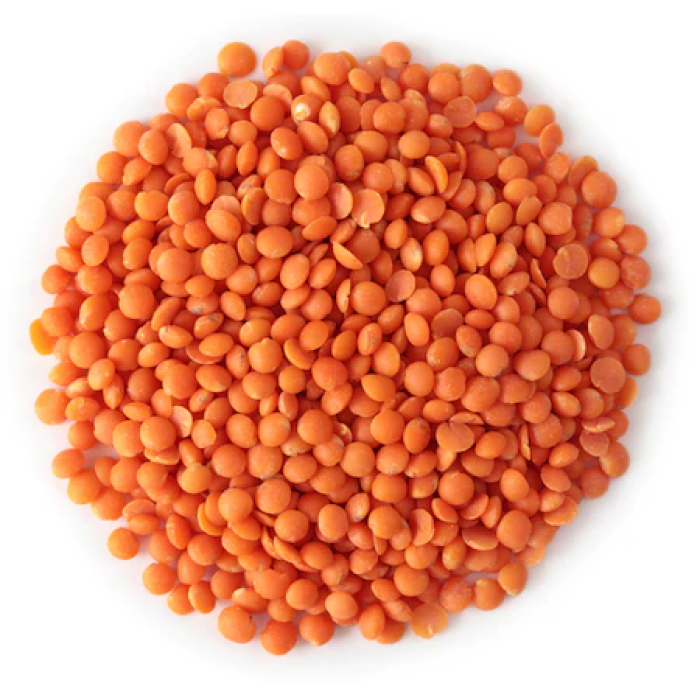
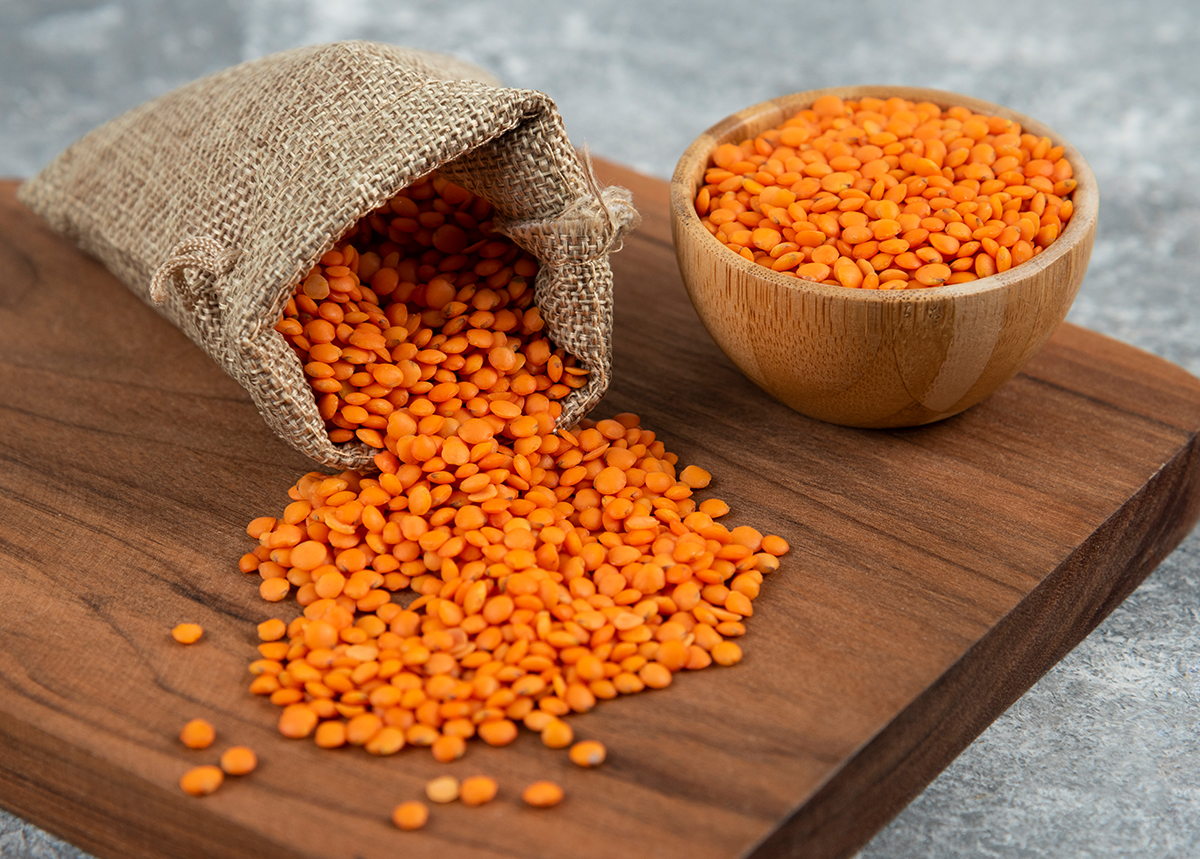
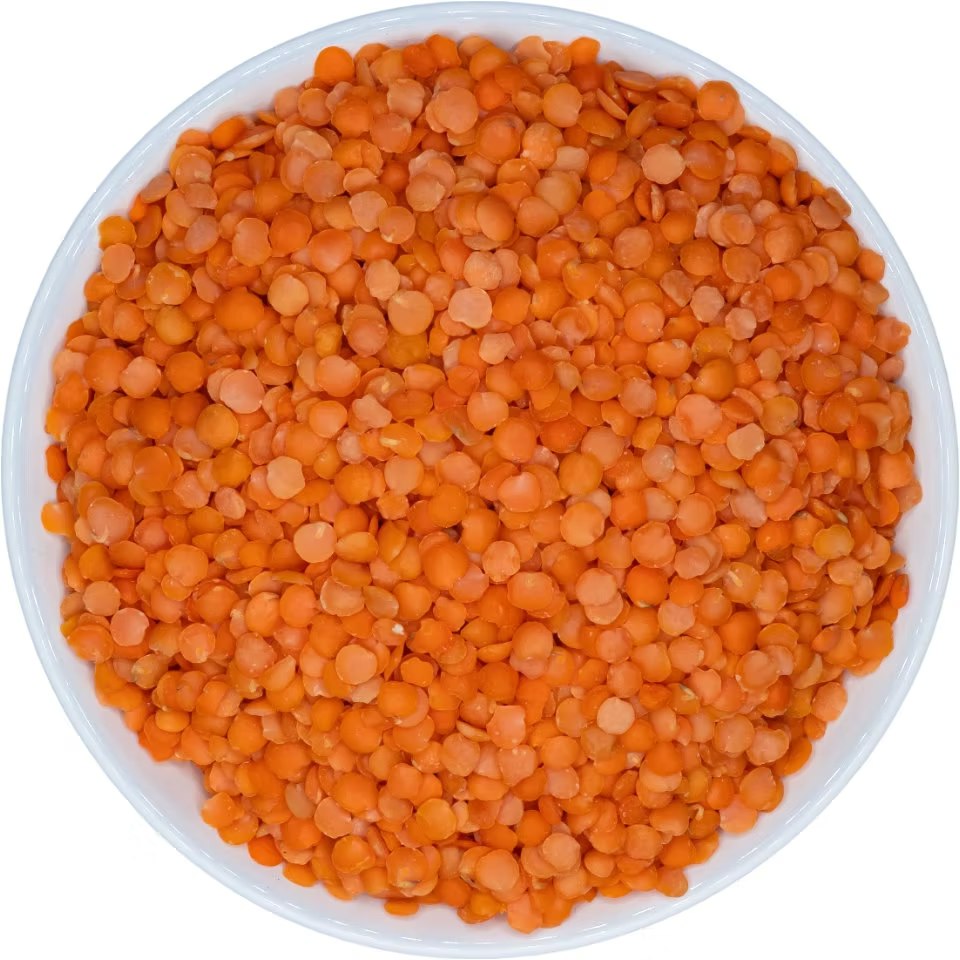
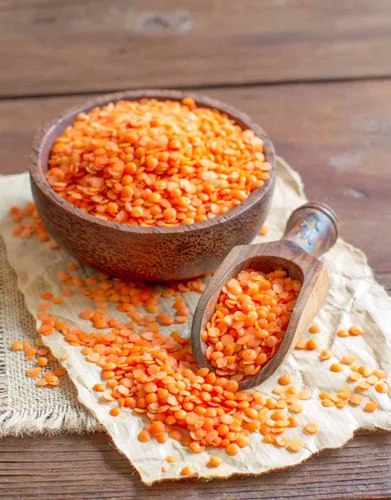
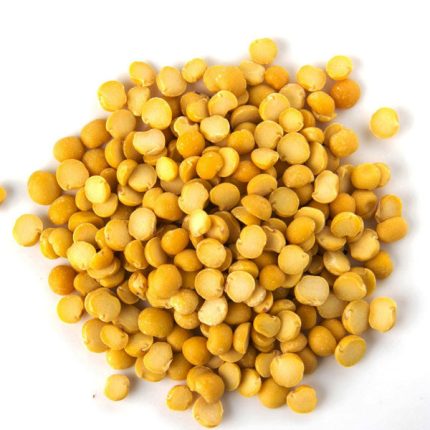
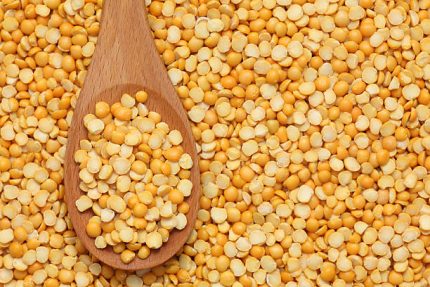
These red lentils are the split, decorticated variety, meaning the outer hull has been removed and each seed halved. That processing step is commercially significant: it cuts cook time considerably compared to whole lentils, reduces preparation burden for food manufacturers and commercial kitchens, and produces a smooth, even puree texture that whole lentils cannot reliably achieve. Origin is Kenya, and they are supplied as a single-ingredient product with no additives.
U.S. importers, distributors and food-service procurement teams sourcing split red lentils in volume will find this a direct-inquiry product. Pricing, MOQ and shipping terms are confirmed at the quote stage. Contact us to open a sourcing conversation.
Product Specifications
| Ingredient | Red Lentil (single ingredient) |
|---|---|
| Type | Split (decorticated) |
| Origin | Kenya |
| Retail Pack Size | 500g (approximately 2¾ cups dry) |
| Shelf Life (dry) | Up to 1 year in airtight storage |
| Storage | Airtight container, cool dry place, away from moisture |
Nutritional Profile per 100g (Verified)
| Energy | 1395 kJ |
|---|---|
| Protein | 23.36g |
| Total Fat | 0.8g |
| Saturated Fat | 0.2g |
| Total Carbohydrate | 60.3g |
| Sugars | 2.2g |
| Sodium | 16mg |
The protein content of 23.36g per 100g dry weight makes these lentils a substantive plant-based protein source, relevant to buyers supplying health-food retailers, vegan product lines, or institutional food programs. The very low fat profile (0.8g total) and modest sodium reading (16mg) also suit clean-label formulations.
What Sets Split Red Lentils Apart from Other Lentil Types
Red lentils differ from green or brown varieties in two structural ways. First, the husk is removed during processing, which is why they cook faster and break down into a thick, even puree rather than holding a firm shape. Green and brown lentils retain their structure when cooked, making them better suited to salads or grain bowls where texture matters. Second, because the split variety has no hull, it absorbs liquid and seasoning quickly, which is why it dominates dhal recipes, lentil soups and ready-meal production lines where consistency and short cook cycles are priorities.
For wholesale buyers, this distinction also affects yield calculations, storage density and per-serving cost. Split lentils require no soaking step, so labour input in commercial kitchens is lower. Whole red lentils, by contrast, have a longer cook time and are used when a firmer bite or sprouting application is needed.
Buyer Applications: Where Split Red Lentils Fit
- Food manufacturers: Base ingredient for soups, dhal, ready meals and plant-based protein products.
- Distributors and wholesalers: Repack into branded retail SKUs or supply food-service channels in bulk formats.
- Importers: Source direct from a Kenya-based exporter and reduce intermediary cost on African-origin pulses.
- Food-service and catering procurement: Fast cook time makes these practical for high-volume kitchen operations.
- Health food retailers: Strong protein and micronutrient profile (B vitamins, iron, magnesium, potassium, zinc) supports positioning in plant-based and wellness categories.
Handling, Storage and Food Safety Notes
Store dried lentils in a sealed, airtight container away from heat and moisture. Properly stored, they maintain quality for up to 12 months. For commercial storage, standard dry-goods conditions apply. Buyers handling this product for resale or manufacturing should verify compliance with FDA import requirements and applicable state food-safety regulations independently, as certification status for this specific lot should be confirmed at the time of inquiry.
Rinse lentils before cooking to remove any surface dust from handling. No soaking is required for the split variety.
Common Buyer Questions
Are split red lentils faster to cook than whole lentils?
Yes. The split, decorticated form cooks significantly faster than whole red lentils because there is no hull to soften and the seed surface is fully exposed to heat and moisture. In a commercial context this translates to shorter production cycles and lower energy cost per batch.
Do I need to soak these lentils before cooking?
No pre-soak is required. Split red lentils absorb liquid and cook through without any soaking step, which is one reason they are preferred in food-service and manufacturing settings where turnaround time matters.
How do I confirm when split red lentils are fully cooked?
They are ready when they have fully softened and begun to break down into a thick, porridge-like consistency. For puree applications this is the target texture. If a firmer result is needed, monitor closely from around 12 to 15 minutes of simmering, though the split variety will continue to soften quickly after that point.
Can split red lentils be sprouted?
The decorticated, split form is not suited to sprouting because the germ is typically not intact after hulling. Whole, unhulled red lentils retain sprouting potential. If sprouting is a requirement for your application, please specify this when requesting a quote so the correct variety can be confirmed.
What is the difference between split and whole red lentils for ingredient labelling?
Both are labelled as red lentil on an ingredient declaration. The distinction matters operationally, as split lentils have a different cook time, texture outcome and bulk density. For formulation work, confirm which form your R&D team requires before placing a bulk order.
Bulk Sourcing and Export Inquiry
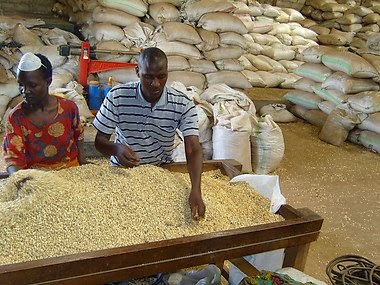
Karmenda Co. Ltd operates as a Kenya-based exporter supplying the international market, including U.S. importers and distributors. The retail 500g unit shown here represents the standard pack configuration, but wholesale and bulk arrangements, including larger format packaging and pallet or container quantities, are handled through direct inquiry. Pricing is volume-dependent and confirmed at quotation. To request a wholesale price or discuss supply terms, use the contact or inquiry form on this site.
Buyers sourcing African-origin pulses for the first time should also review our broader Pulses catalog, which includes complementary lines relevant to procurement teams building a diversified pulse portfolio.
Related Pulse Products
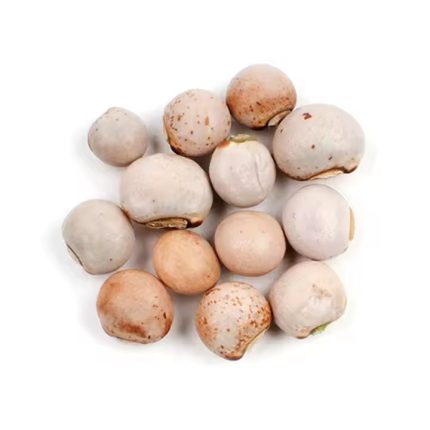
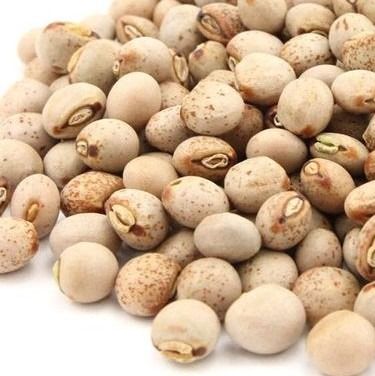
Buyers sourcing split red lentils often also evaluate other pulse lines for combined shipments. Our catalog includes Pigeon Peas, Split Yellow Peas, Yellow Peas and White Pea Beans, all available for wholesale and export inquiry.
For further details on Authoritative reference relevant to buyer guidance, standards or compliance, consult Docket Documents3.
For further details on Authoritative reference relevant to buyer guidance, standards or compliance, consult https://www.fda.gov/node/365479.
For further details on Authoritative reference relevant to buyer guidance, standards or compliance, consult Dallas Theological Seminary | Teach Truth. Love Well..


Reviews
There are no reviews yet.