


Shell-On and Hulled Pumpkin Seeds for U.S. Wholesale Buyers
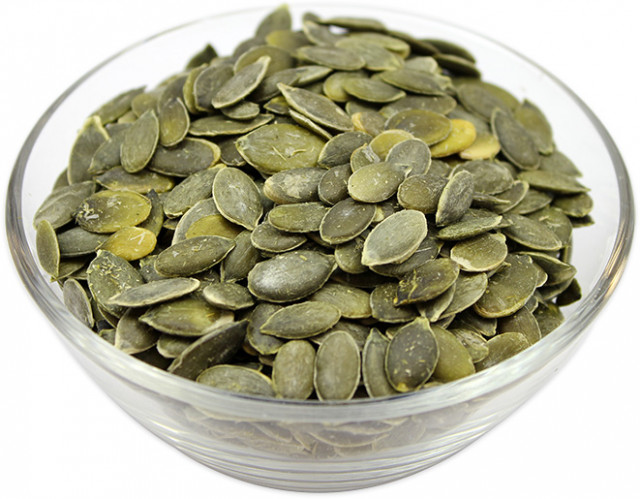
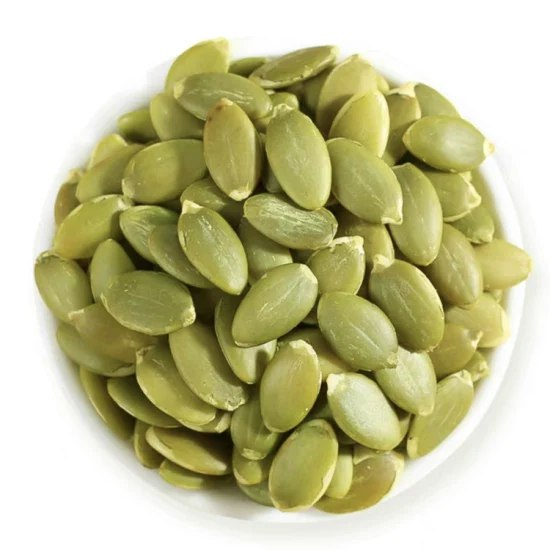
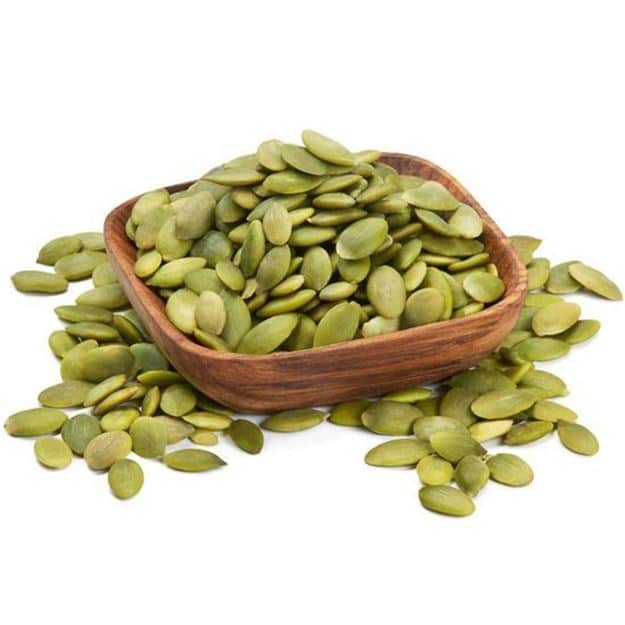
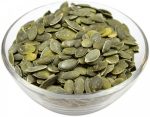
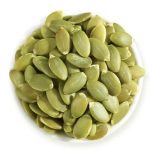
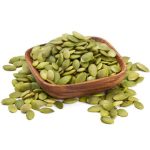
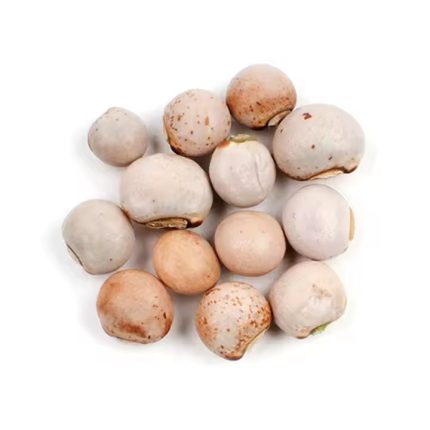
Karmenda Co. Ltd. supplies pumpkin seeds to U.S. importers, wholesalers, and food processors sourcing export-grade stock from East Africa. Two primary forms are offered: the long shell-on seed (sometimes called pumpkin seed with shell or pepita con cáscara) and the hulled raw kernel (pepita), which presents as a flat, lightly oval seed with a characteristic pale green interior. Both forms ship from Kenya and are suitable for bulk procurement by natural food distributors, snack manufacturers, co-packers, and health food retailers buying at volume.
Buyers evaluating shell-on versus hulled product will find meaningful differences in end-use fit. Shell-on seeds carry a firmer bite, hold seasoning well during roasting, and are widely used in trail mix and in-shell snack formats. Hulled kernels (pepitas) suit food service, bakery incorporation, granola production, seed butter processing, and smoothie ingredient applications. Both grades are sourced raw, which preserves flexibility for downstream processing.
Nutritional Profile Buyers and End-Users Both Care About
Pumpkin seeds carry genuine commercial appeal in the U.S. natural foods segment precisely because their nutrient density is well documented and consumer-facing. Understanding the composition helps procurement teams position the product accurately with retail and food service partners.
Magnesium, Potassium, and Selenium Content
Among commonly traded seeds and nuts, pumpkin seeds rank notably high in magnesium. Dartmouth Health notes that pumpkin seeds contain among the highest amounts of magnesium relative to other nuts and seeds, alongside meaningful potassium levels. Dartmouth Health: why pumpkin seeds compare favorably to other nuts and seeds for magnesium and potassium. Selenium is also present, making this seed relevant to formulations targeting mineral-dense snack products. These minerals are genuinely difficult to source from a single food ingredient at similar density, which supports the product’s positioning in functional snack, sports nutrition, and clean-label wellness categories.
Omega-3 Fatty Acids and Healthy Fat Content
Raw pumpkin seeds deliver a measurable share of their calories from unsaturated fats, including plant-sourced omega-3 fatty acids. This is a selling point that resonates both with end consumers and with food manufacturers formulating products around heart health claims. The fat profile also contributes to the seed’s satisfying texture when eaten raw or lightly roasted, which supports per-serving retention in snack formats.
Protein and Iron: A Practical Sourcing Consideration
Pumpkin seeds are an established source of plant protein and iron, two nutrients that frequently appear in positioning for vegan, vegetarian, and flexitarian product lines. For U.S. distributors serving health-oriented retailers, the protein and iron content directly supports shelf placement in natural and specialty grocery channels. Neither metric requires a health claim to be commercially useful; buyers can reference the USDA food database for verified compositional data specific to the seed form they are procuring.
How Pumpkin Seeds Compare to Other Seeds in a Buyer’s Portfolio
Procurement teams sourcing across multiple seed categories often benchmark pumpkin seeds against sunflower seeds, sesame, and flax. The key differentiation points relevant to a buying decision are:
- Magnesium density: Pumpkin seeds consistently rank above most tree nuts and other common snack seeds on magnesium per serving, giving them distinct positioning in mineral-focused SKUs.
- Dual format availability: Shell-on and hulled forms serve separate end markets without requiring separate sourcing relationships, which simplifies vendor management for distributors carrying both snack and ingredient SKUs.
- Processing flexibility: Raw supply supports roasting, seasoning, sprouting, grinding into seed butter, or cold-pressing for oil, depending on the buyer’s downstream needs.
- Zinc content: Alongside magnesium, zinc is a frequently cited nutrient in pumpkin seeds and is relevant to immune-support product formulations. Note: specific zinc quantification for this supply lot has not been independently verified by Karmenda; buyers should request a certificate of analysis for confirmed compositional data.
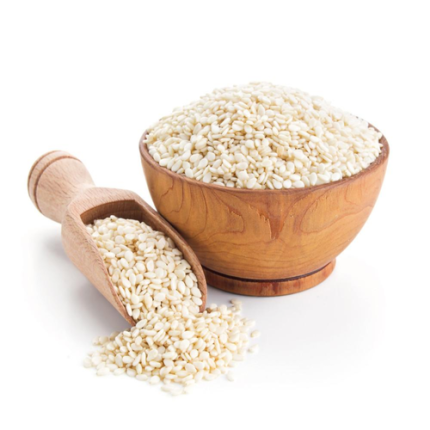
Buyers also sourcing Sesame Seeds from our catalog will recognize a complementary procurement pairing, as both products serve similar bakery, snack, and ingredient channels with distinct nutritional profiles.
Product Forms and Grade Descriptions
The product supplied by Karmenda is offered in the following primary forms based on available product information:
- Pumpkin Seed Long With Shell (shell-on): Full seed with white outer hull intact. Longer oval shape. Suitable for in-shell snacking, roasting, and trail mix incorporation.
- Hulled pumpkin seed (pepita): Shell removed, exposing the pale green kernel. Preferred for food manufacturing, bakery use, granola, seed butter production, and smoothie ingredient supply.
Buyers requiring specific moisture content, foreign matter tolerance, or aflatoxin testing should indicate this at the inquiry stage. Export documentation and phytosanitary compliance for U.S. import will be confirmed as part of the quoting process. Note: specific certifications (organic, non-GMO, kosher, etc.) have not been confirmed in the available product record and should be verified directly with Karmenda before purchase commitments are made.
Bulk Packaging and Export Logistics from Kenya
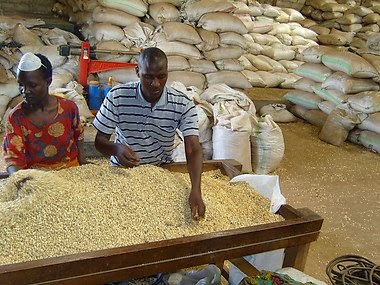
Karmenda Co. Ltd. operates as a Kenya-based exporter supplying agricultural commodities to the U.S. market. Standard bulk packaging configurations and minimum order quantities are available on request, as these vary depending on destination, container type, and buyer-specific requirements. U.S. importers should factor FDA registration, FSVP compliance, and USDA import requirements into their procurement timeline when sourcing from East Africa.
The product is classified under the Pulses category within our catalog, which includes a range of legume and seed commodities exported from Kenya. Procurement teams managing multi-line purchase orders are encouraged to review the full pulses range alongside this product.
For buyers comparing landed cost and per-kilogram pricing against domestic U.S. suppliers or Chinese origin product, Kenya origin offers competitive positioning particularly for buyers with East Africa supply chain experience or sustainability sourcing mandates. Pricing is subject to seasonal availability, volume, and Incoterms selection. Contact us directly for a wholesale price quote.
End-Use Applications That Drive Bulk Demand
Understanding where this product lands in the U.S. supply chain helps buyers confirm fit before requesting a quote. Pumpkin seeds in both forms serve the following commercial applications:
- Natural and organic snack manufacturing (roasted, salted, flavored formats)
- Trail mix and mixed nut or seed blend production
- Granola bar and cereal ingredient supply
- Seed butter and cold-press pumpkin seed oil production
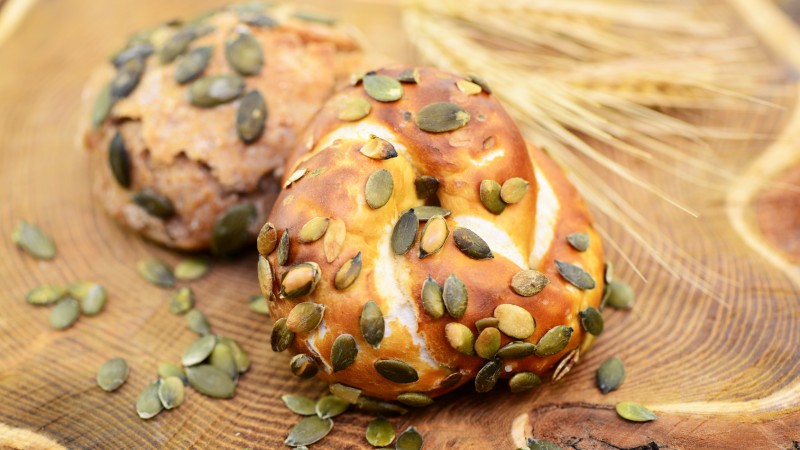
- Bakery topping and bread inclusion (particularly hulled pepita grade)
- Health food retail private-label packaging
- Food service ingredient supply for salad bars, grain bowls, and snack programs
The hulled form is also well suited for sprouting operations. According to the National Center for Home Food Preservation, pumpkin seeds can be dried at 115-120 degrees F for 1 to 2 hours or in an oven on warm for 3 to 4 hours before roasting, a process relevant to buyers supplying dehydrated or shelf-stable seed products. National Center for Home Food Preservation: pumpkin seed drying and roasting guidance
Buyer Qualification and Next Steps
Karmenda Co. Ltd. works with U.S. importers, natural food distributors, wholesale buyers, co-packers, and private-label manufacturers. To receive a wholesale price quote, product specification sheet, or sample request, use the contact form or reach out directly through our Contact us page. Include your required volume, preferred packaging format, target delivery port, and any certification or testing requirements to receive a complete commercial offer.
Buyers with broader sourcing needs across our East African commodity range are welcome to review our About us page for company background and export credentials.
Frequently Asked Questions from U.S. Wholesale Buyers
For further details on Authoritative reference relevant to buyer guidance, standards or compliance, consult Stanford University.
For further details on Authoritative reference relevant to buyer guidance, standards or compliance, consult National Institutes of Health (NIH) |.


Reviews
There are no reviews yet.