


Ethiopian White Pea Beans: Grade, Origin and Wholesale Supply
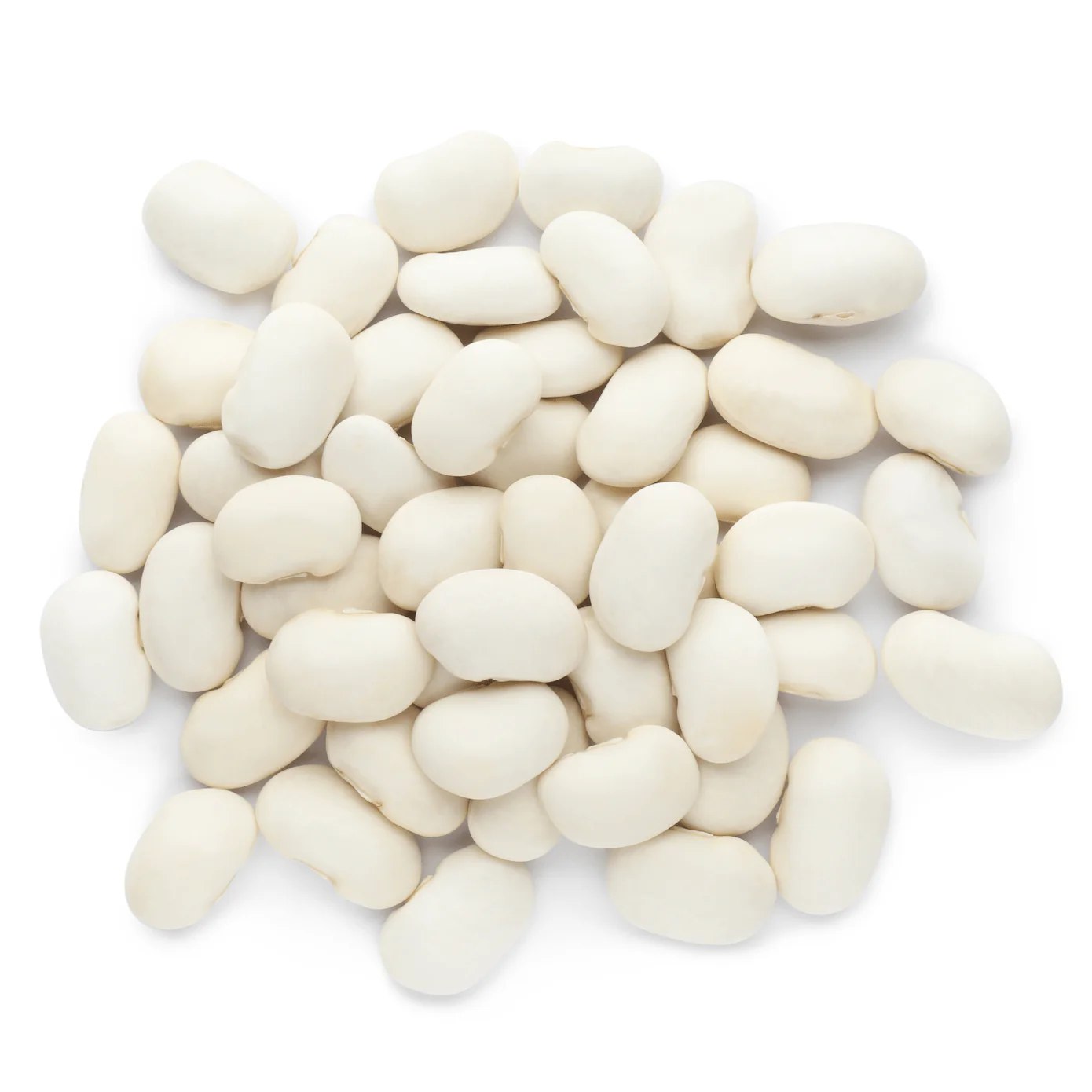
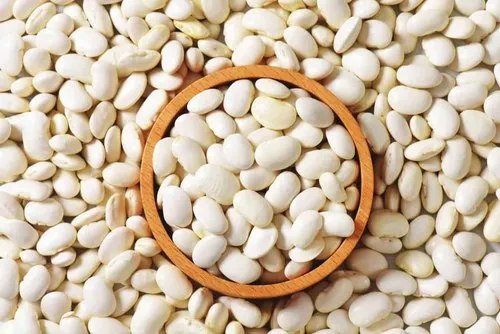
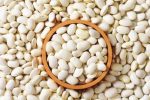
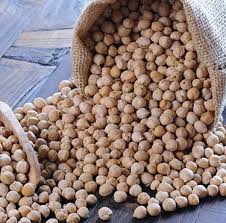
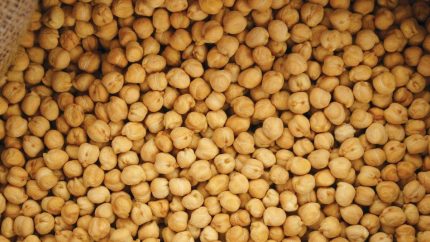
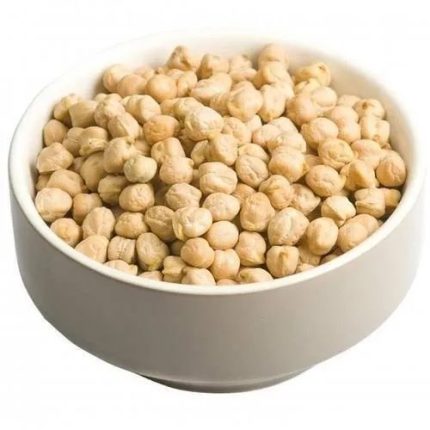
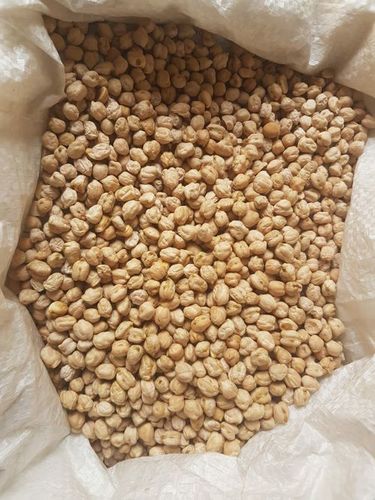
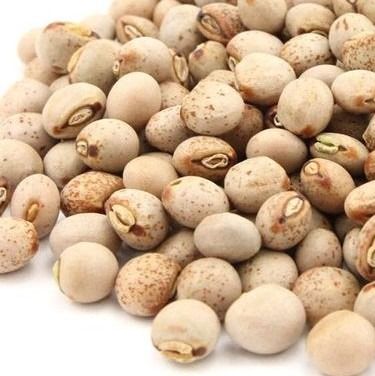
Ethiopian White Pea Beans are classified botanically under Haricot beans (Phaseolus vulgaris) and are sold internationally under the navy bean or small white bean identity familiar to U.S. importers, food manufacturers and commodity buyers. The local name is Nech Boloqe. Round to slightly oval in shape, ivory in color, and compact in size, these beans count 600 to 700 units per 100 grams, confirming the small caliber that food processors and packaged goods producers often specify when sourcing this commodity class.
Ethiopia exports approximately 90 percent of its White Pea Bean harvest, with Europe as the dominant destination. U.S. importers and distributors sourcing outside the standard domestic supply chain will find Ethiopian WPB a commercially viable alternative, particularly for industrial baking, canning, dried bean retail packs, and foodservice bulk programs.
Production Regions and Harvest Calendar
Growing conditions across the Ethiopian highland zones produce a clean, consistent bean with the dry-season harvest timing that allows for low-moisture pack-out. The harvesting window runs from September through October, and the production cycle from planting to harvest spans 85 to 120 days. Planting schedules are deliberately set so that harvest falls during the dry season, reducing field moisture and supporting the controlled post-harvest handling that buyers require.
Verified growing regions include:
- Amhara Region: North and South Wollo, East and West Gojjam, West and South Shoa, South Gondar
- Oromia Region: Arsi, East and West Shoa, West Hararge
- Tigray Region: South Tigray
- Benshangul Gumuz Region: Wetekera Pawi
- South Region: Gurage
Production is not intercropped, which supports uniformity in bean size and reduces contamination risk from co-mingled crop material. This is a meaningful detail for buyers who run color-sorter or optical-sorter lines at receiving, as monocrop sourcing tends to produce cleaner raw input lots.
Grade Specifications and Quality Parameters
All White Pea Beans offered through this catalog are processed to two recognized cleaning grades. U.S. buyers should note these specifications when evaluating suitability for their intended application or import program:
| Parameter | Specification |
|---|---|
| Processing Grade | Machine Cleaned (MC) and Hand Picked Selected (HPS) |
| Purity | 99% minimum |
| Imperfect Beans | 4% maximum |
| Moisture Content | 14% maximum |
| Bean Count | 600 to 700 pieces per 100 grams |
| Shape | Round to oval |
| Harvest Period | September to October |
| Category | Haricot beans (Phaseolus vulgaris) |
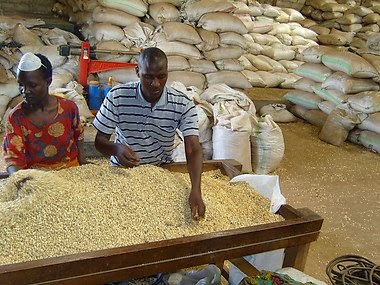
The Hand Picked Selected process involves inspection on a cleaning belt following machine cleaning, giving the HPS grade a dual-stage quality check that reduces visual defects beyond what machine cleaning alone achieves. For buyers whose specifications require a documented cleaning protocol, this two-step process is worth confirming at inquiry stage.
How White Pea Beans Fit U.S. Buyer Requirements
In the U.S. market, this bean type is most commonly identified as navy beans or small white beans. They sit in the same white bean category as Great Northern beans and cannellini, but are smaller and denser, with a firmer texture that holds up through long cooking cycles. That density makes them particularly suitable for industrial baking (as in commercial baked beans production), canning operations, and dried bean retail packaging where bean integrity after processing matters.
Food manufacturers sourcing for canned bean lines, soup bases, or private-label dried bean packs should note the 600 to 700 bean count per 100 grams as a caliber reference point. Buyers operating ingredient procurement programs for plant-based protein products will find the compact size and mild flavor profile versatile across formulations.
Importers and distributors comparing this supply against domestic small white bean sourcing should factor the dry-season harvest protocol into their quality assumptions. The moisture ceiling of 14% maximum aligns with standard dried pulse import tolerances, though buyers are advised to confirm applicable FDA and USDA import requirements for dried legumes independently and to review any current phytosanitary documentation requirements with their customs broker before placing orders.
Buyer Considerations: Import, Documentation and Compliance
Ethiopian White Pea Beans exported for the U.S. market typically require phytosanitary certificates issued by the Ethiopian Plant Health Regulatory Directorate, as well as a certificate of origin. Buyers should also confirm current FDA registration requirements for the exporting facility under the Food Safety Modernization Act (FSMA), particularly the Foreign Supplier Verification Program (FSVP) obligations that apply to U.S. importers of food commodities.
Certifications such as USDA Organic are not claimed for this product and should not be assumed. Buyers requiring organic certification, non-GMO documentation, or other third-party quality attestations should raise those requirements at the inquiry stage so that applicable documentation can be assessed. No certification claims are made here beyond the processing grade and purity specifications stated above.
Pricing for bulk White Pea Beans depends on shipment volume, Incoterms, destination port, and seasonal availability. Contact us directly for a current wholesale price quote. No retail pricing applies to this listing.
Packaging and Shipping for Bulk Orders
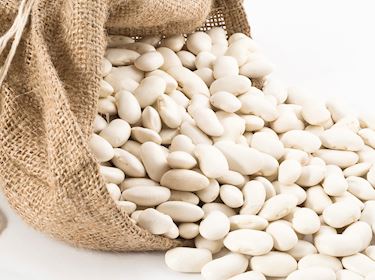
Specific packaging formats, minimum order quantities, and container load configurations are confirmed at the inquiry stage based on buyer volume and destination requirements. Standard export packaging for dried pulses in this category typically involves jute or polypropylene bags, though preferred pack formats should be discussed during the quotation process. Buyers sourcing full container loads or consolidating multiple pulse lines into one shipment are encouraged to contact us with their full requirements.
Shipment routing from Ethiopia transits through established East African export corridors. Buyers working with freight forwarders familiar with Ethiopia-to-U.S. routing will find this an established commodity lane. Lead times from order confirmation to vessel loading vary by season and should be confirmed at inquiry.
Related Pulses Available for Wholesale Inquiry
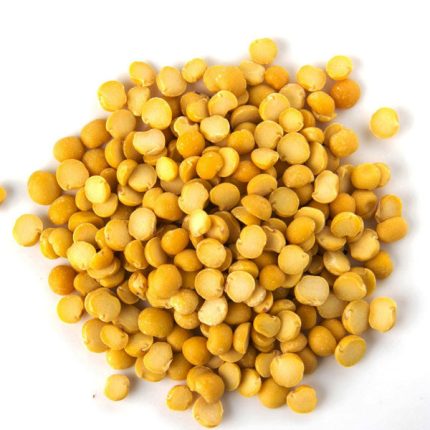
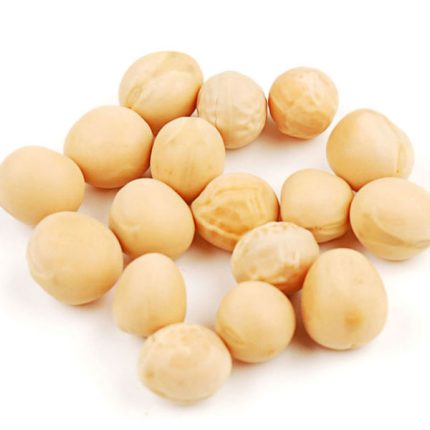
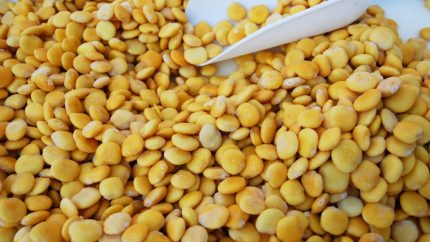
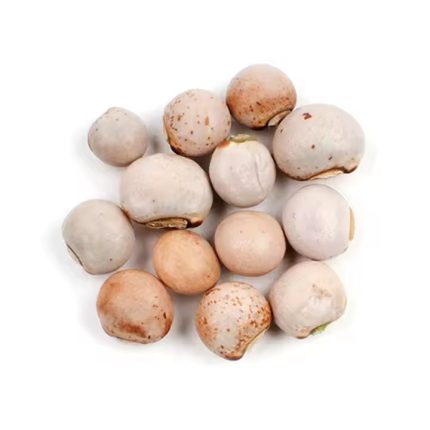
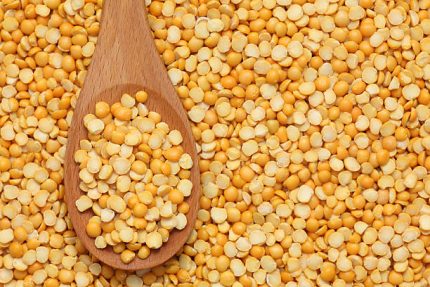
Buyers sourcing White Pea Beans as part of a broader Pulses procurement program can review our full category for additional lines. Related products available through the same supply channel include White Black Eye Beans, Pigeon Peas, and Yellow Peas. Consolidating multiple pulse lines into a single shipment inquiry can simplify procurement logistics for importers managing several SKUs.
Request a Wholesale Price or Sourcing Quote
Procurement teams, commodity traders, food manufacturers, and distributors looking to buy White Pea Beans in bulk are invited to submit a sourcing inquiry. Provide your target volume, destination port, required grade specifications, preferred Incoterms, and any documentation or certification requirements. We will respond with current availability, pricing, and shipping details relevant to your program.
Explore Pigeon Peas.
Explore Yellow Peas.
For further details on Authoritative reference relevant to buyer guidance, standards or compliance, consult 2000009613 | Agricultural Marketing Service – USDA.
For further details on Authoritative reference relevant to buyer guidance, standards or compliance, consult 2000006924 | Agricultural Marketing Service – USDA.
For further details on Authoritative reference relevant to buyer guidance, standards or compliance, consult 2000006826 | Agricultural Marketing Service – USDA.


Reviews
There are no reviews yet.