


What Is Sisal Fiber Short Fiber Tow 1?
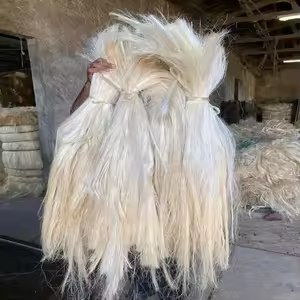
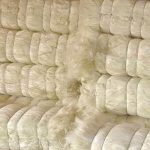
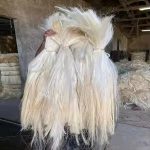
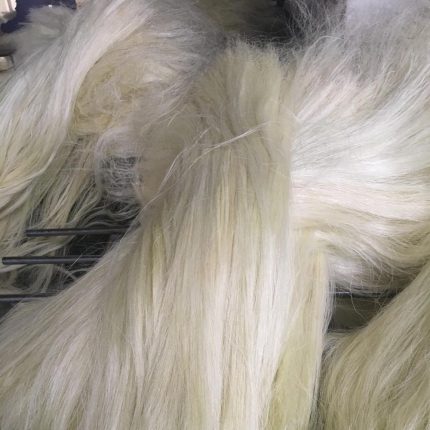
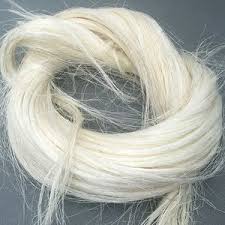
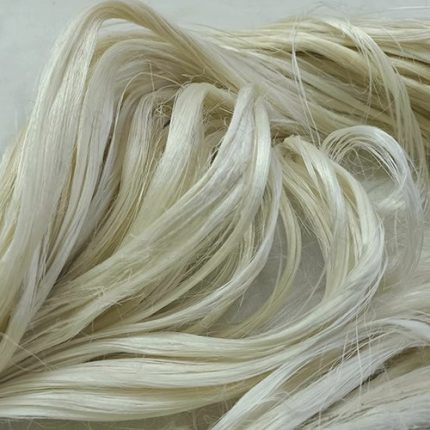
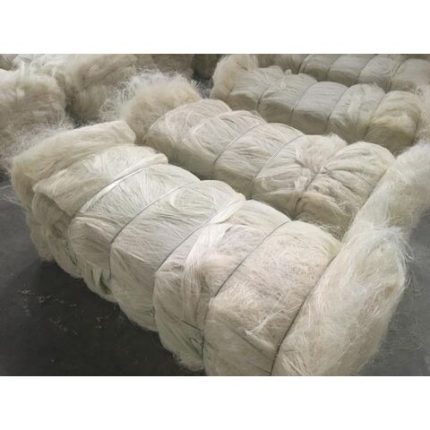
Sisal Fiber Short Fiber Tow 1 is a 100% natural plant fiber produced from high-quality Kenyan sisal hemp (Agave sisalana). In the sisal grading system, Tow 1 refers to the shorter fiber fraction recovered during decortication. It retains the core physical properties that make sisal commercially valuable: high tensile strength, resistance to alkali and corrosion, good friction resistance, and natural pliability. The fiber presents in a cream-white color and is free from decorticated barks, knots, dusts, and sweepings, and does not contain fiber from other grade classifications.
For U.S. importers, wholesalers, and industrial processors sourcing bulk natural fiber, Tow 1 represents a cost-effective input material that performs across a wide range of manufacturing and processing applications. This page covers verified specifications, packaging options, container loading, end-use sectors, and the steps to place a wholesale order.
Verified Export Specifications
The table below reflects confirmed product data for our Sisal Fiber Short Fiber Tow 1. Buyers should use these values as the basis for technical evaluation and import documentation.
| Parameter | Specification |
|---|---|
| Grade | UG / SSUG |
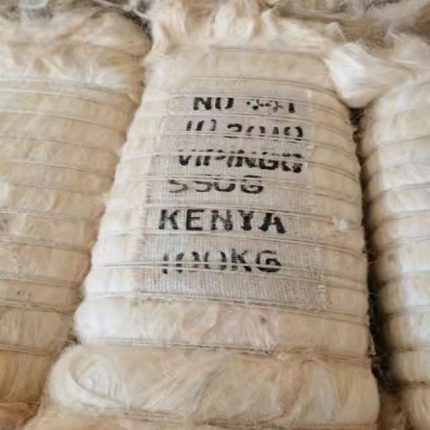
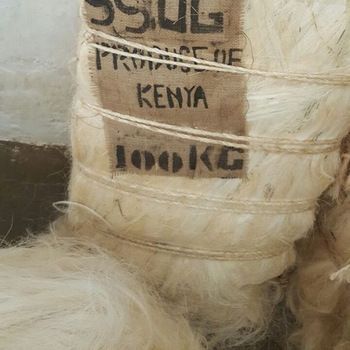
| Fiber Origin | Kenya |
| Color | Cream white, natural |
| Fiber Length | 90cm to 120cm |
| Fiber Strength | 880N or above |
| Diameter | 0.2mm to 0.4mm |
| Moisture Regain | Approximately 11% |
| Trash Content | Approximately 3% |
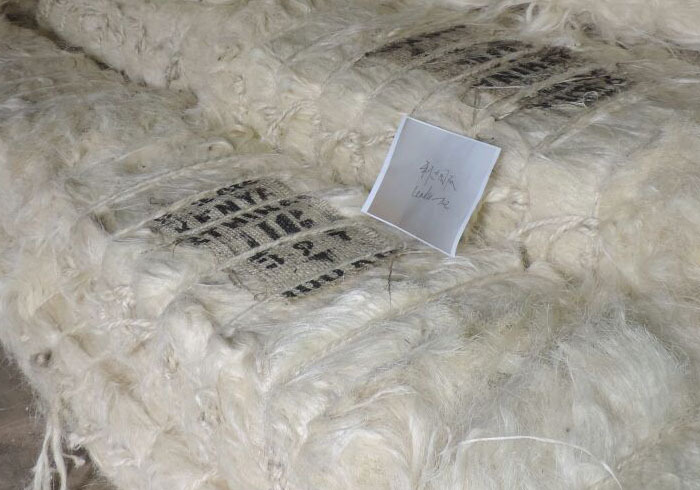
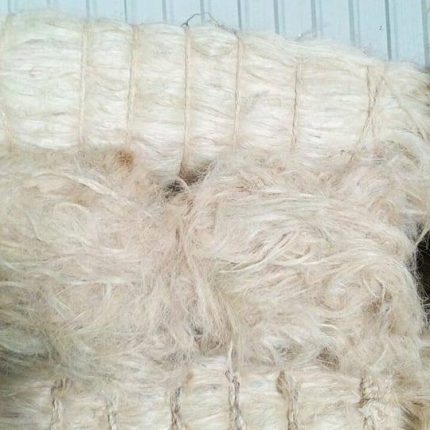
| Form | Compressed bales |
Fiber is free from barks, knots, dusts, and sweepings. Grade classification conforms to recognized UG and SSUG sisal grading standards used across the East African export trade.
Bale Packaging and Container Loading
Packaging Options
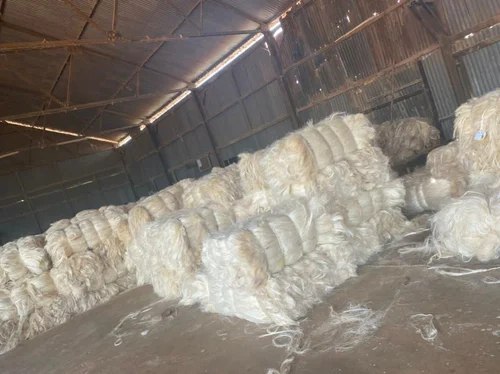
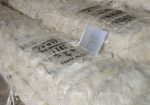
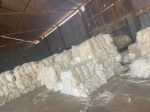
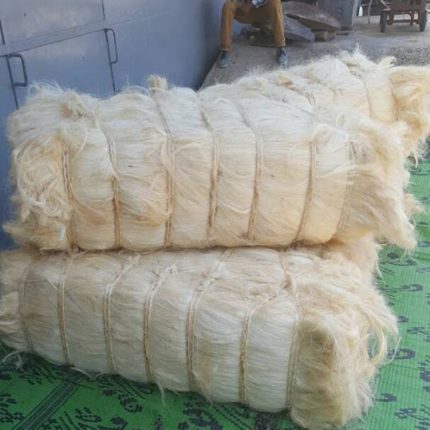
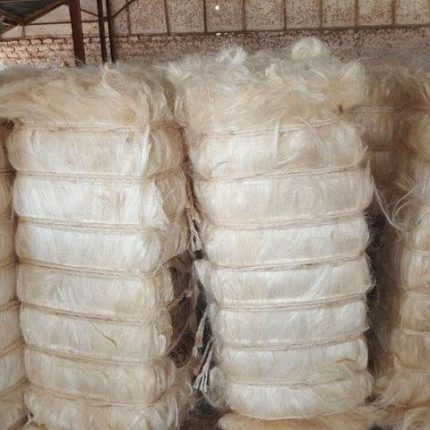
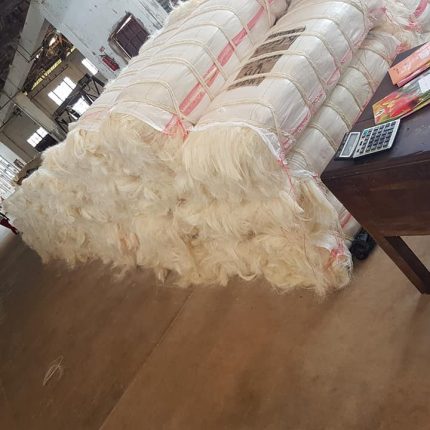
Sisal Fiber Short Fiber Tow 1 is compressed and packed in bales of 100kg or 250kg each. Bale size selection depends on buyer preference, container utilization targets, and downstream handling equipment. Both formats are standard across the East African sisal export market and are compatible with the Mombasa port loading process.
Container Loading Capacity
Standard container loading for compressed sisal bales follows established East African export practice. As a reference point, competitor suppliers in the same grade category indicate approximately 14 metric tons per 20-foot container and approximately 28 metric tons per 40-foot container. Buyers should confirm exact container loading with our team at the quotation stage, as bale density and moisture content at time of packing will affect final figures. Export is handled through Mombasa Port, Kenya’s primary agricultural commodity gateway.
Industrial Applications for Tow 1 Grade Sisal Fiber
Tow 1 sisal fiber’s combination of pliability, tensile strength, and chemical resistance makes it useful across several distinct sectors. The following breakdown addresses the application categories most relevant to U.S. B2B buyers.
Rope, Cable, and Cordage Manufacturing
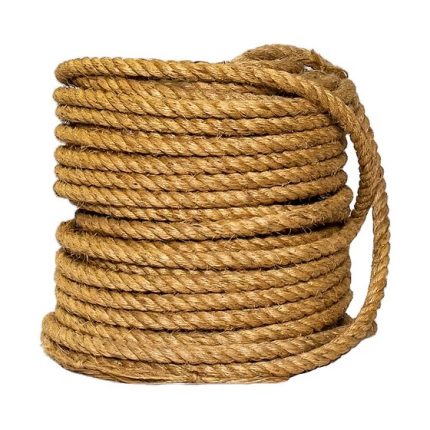
Sisal Tow 1 is used in the production of sisal rope, sisal twine, and cable cores, including cores for steel wire rope. The fiber’s high friction resistance and alkali resistance are critical in transportation, oil industry, and metallurgy applications where rope products must perform under mechanical stress and exposure to harsh operating conditions.
Composite Materials and Industrial Fillers
Industrial processors use Tow 1 fiber as a filler and reinforcing agent in composite materials, stuffing, and nonwoven applications. The shorter fiber length of the Tow 1 grade suits blending and composite formation processes where uniformity of fiber distribution matters more than fiber length alone. Building material manufacturers use sisal fiber in gypsum board and similar products as a natural reinforcing agent.
Carpet, Matting, and Floor Covering
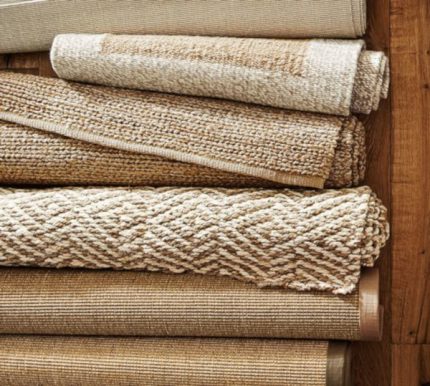
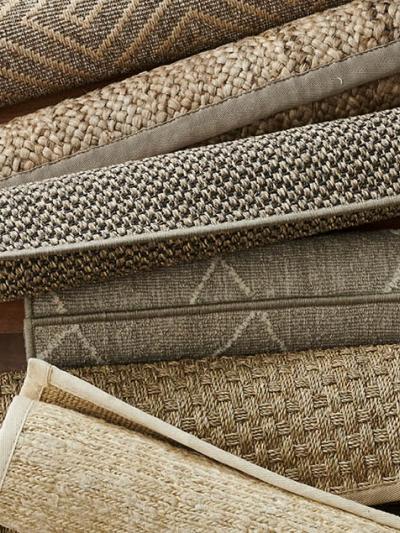
Sisal fiber is a recognized raw material for carpet and doormat production. The natural cream-white color of UG and SSUG grade fiber is particularly valued in floor covering applications where dyeing or natural presentation is part of the product design. Sisal mats and sisal cloth made from Tow 1 fiber are exported to retail and distribution markets globally.
Polishing and Textile Processing
Polishing buffs and sisal polishing fabrics represent another established end use. Sisal’s surface texture and stiffness make it effective in industrial buffing and finishing applications. Textile processors also incorporate Tow 1 fiber into mixed natural fiber products.
Pulp and Paper
Sisal fiber is used in specialty pulp production. The fiber’s cellulose content supports pulp applications in paper manufacturing, particularly where high-strength or specialty paper grades are required.
Who Buys Sisal Fiber Short Fiber Tow 1 in Bulk
The primary buyers of Tow 1 grade sisal fiber in the U.S. market fall into three categories, each with distinct sourcing requirements.
Wholesale and Distribution
Natural fiber distributors and commodity wholesalers source Sisal Fiber Short Fiber Tow 1 in container-load quantities for resale to manufacturers across the rope, floor covering, and composite materials sectors. These buyers typically require consistent grading, reliable bale weights, and complete shipping documentation to support downstream sales.
Industrial Manufacturing
Rope manufacturers, cordage producers, composite material processors, and mat or carpet manufacturers purchase Tow 1 fiber as a direct production input. Procurement teams in this segment prioritize specification consistency (fiber strength, moisture content, trash level) and supply continuity. Container-load and multi-container orders are common.
Importers and Procurement Agents
Sourcing agents and import brokers working on behalf of U.S. manufacturers use platforms and direct supplier contact to identify Sisal Fiber Short Fiber Tow 1 exporters in Kenya. These buyers focus on export documentation, phytosanitary compliance, payment terms, and lead times when evaluating a new supplier relationship.
Shipping and Export Documentation
Export of sisal fiber from Kenya involves standard agricultural commodity documentation. Buyers sourcing Sisal Fiber Short Fiber Tow 1 should expect to work through the following documentation as part of a completed shipment. Karmenda Co Ltd handles export from Mombasa Port. Specific documentation requirements and payment terms are confirmed at the quotation stage.
- Commercial invoice and packing list
- Certificate of origin
- Phytosanitary certificate (agricultural fiber commodity requirement)
- Bill of lading
- Quality or inspection certificate (on request)
Payment terms and Incoterms (FOB, CIF, CFR or other arrangements) are agreed at order confirmation. Buyers with specific U.S. Customs or USDA import requirements should communicate these at the quotation stage so documentation can be prepared accordingly.
Kenya as a Sisal Fiber Source
Kenya is one of the world’s significant producers of sisal fiber, with cultivation concentrated in arid and semi-arid growing zones where Agave sisalana performs well. Kenyan sisal is exported globally, with Mombasa Port serving as the logistics hub for container shipments. The UG and SSUG grades available through Karmenda Co Ltd reflect the standard East African grading classifications used across the international sisal trade. U.S. buyers importing Kenyan sisal fiber benefit from established shipping routes to major U.S. ports.
Sisal Fiber Short Fiber Tow 2: A Related Grade
Buyers evaluating Tow 1 often assess Sisal Fiber Short Fiber Tow 2 alongside it. Tow 2 is the coarser, secondary short-fiber fraction produced from sisal decortication, typically used in applications where Tow 1’s cleaner fiber profile is not required. Both grades are packed in compressed bales and exported from Kenya. If your production process can accept Tow 2, it may offer a price advantage for filler, stuffing, or nonwoven applications where fiber purity requirements are less strict.
Other Sisal Fiber Grades Available
Karmenda Co Ltd supplies the full range of export sisal fiber grades. Buyers requiring longer fiber for premium rope or carpet production may be better served by Sisal Fiber UG Grade or Sisal Fiber SSUG Grade, which offer longer staple lengths and lower trash content suited to spinning and high-tensile rope manufacturing. Browse our full Sisal Fiber category to compare grades and request quotes across multiple product lines.
Request a Wholesale Quote
To buy Sisal Fiber Short Fiber Tow 1 in bulk, use the inquiry form on this page or contact our export team directly. Provide your target quantity (in metric tons), preferred bale size (100kg or 250kg), destination port, and any specific documentation requirements. We will respond with pricing, lead time, and shipping details. Buyers placing repeat orders or requiring long-term supply contracts are encouraged to discuss volume pricing at the initial inquiry stage.
Frequently Asked Questions
What is the difference between Sisal Fiber Tow 1 and Tow 2?
Tow 1 is a cleaner, more refined short-fiber fraction with a cream-white color and lower impurity content. Tow 2 is a coarser secondary fraction, typically suited to applications where fiber cleanliness is less critical, such as stuffing, nonwoven production, or coarser composite filler use. Both are by-products of sisal decortication.
What grades are available for this product?
This product is available in UG (Uniform Grade) and SSUG (Sub-Standard Uniform Grade) classifications, as indicated in the specifications above.
What is the minimum order quantity?
Minimum order quantities for bulk export shipments are confirmed at the quotation stage. Container-load quantities (approximately 14 to 28 metric tons depending on container size) are the standard unit for export orders. Contact us to discuss your volume requirements.
What documentation is provided with each shipment?
Standard export documentation includes a commercial invoice, packing list, certificate of origin, phytosanitary certificate, and bill of lading. Additional inspection certificates or quality reports can be arranged on request.
Which U.S. port does this typically ship to?
Export is handled through Mombasa Port. Destination port is agreed at order confirmation based on buyer location and preferred Incoterms. Common U.S. destination ports for East African agricultural commodity shipments include the Port of New York and New Jersey, the Port of Los Angeles, and the Port of Savannah. Confirm your preferred destination at the quotation stage.
Can Karmenda Co Ltd supply multiple sisal fiber grades in one shipment?
Buyers interested in consolidating multiple sisal fiber grades into a single container shipment should discuss this at the inquiry stage. Mixed-grade shipments are subject to packing, documentation, and logistics confirmation.


Reviews
There are no reviews yet.