

Kenya-Origin Sisal Yarns: Natural Fiber Built for Industrial and Commercial Demand
Sisal yarns produced in Kenya occupy a distinct position in the global natural fiber market. Kenya, and specifically the Mombasa corridor, is one of the world’s primary sisal-growing regions, meaning the fiber used in these yarns travels a short distance from agave cultivation to processing. That origin matters to procurement teams sourcing for traceability and to manufacturers who need consistent raw-fiber quality batch after batch.
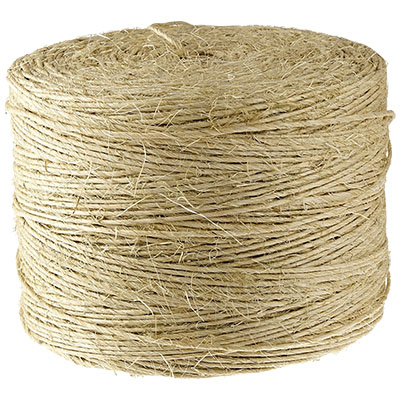
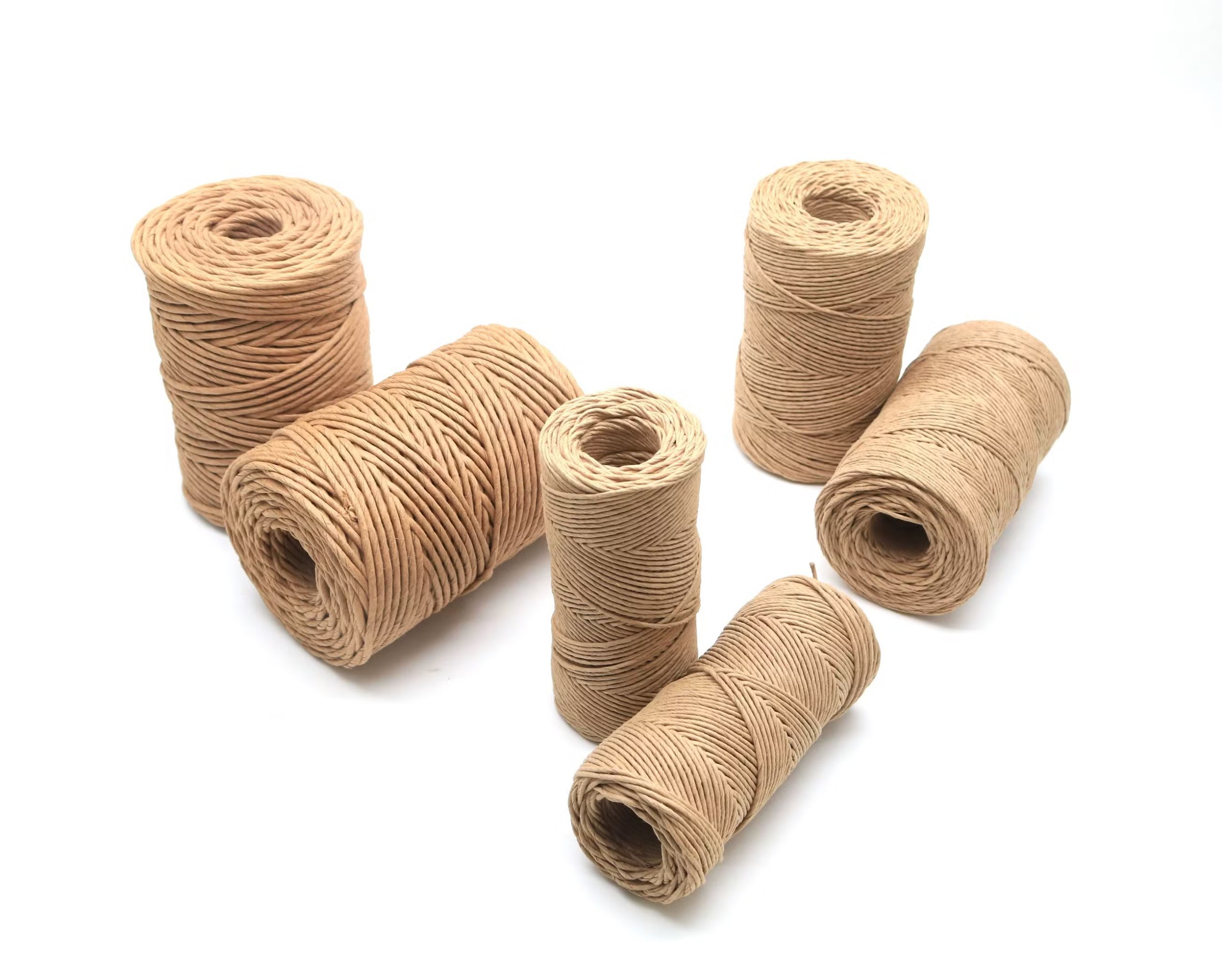
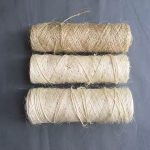
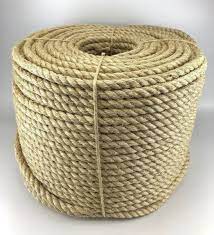
The yarns on this page are twisted, not braided. Twisted construction gives sisal yarn its characteristic stiffness and high knot-holding capacity, properties that distinguish it from softer, more pliable synthetic alternatives. The structure here is 3-ply, meaning three individual strands are twisted together for added tensile integrity and pull strength. Buyers familiar with natural fiber cordage will recognize the significance of ply count when evaluating yarn for load-bearing or bundling applications.
These are not retail craft skeins. This listing addresses importers, rope manufacturers, packaging producers, agricultural suppliers, and industrial distributors who need volume, consistent specifications, and reliable export documentation from a Kenya-based exporter.
Product Specifications
| Attribute | Detail |
|---|---|
| Material | 100% natural sisal fiber |
| Construction | 3-ply twisted (single-strand base) |
| Diameter Range | 1mm to 5mm (custom sizes up to 20mm available) |
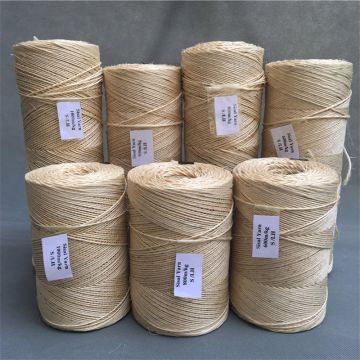
| Standard Pack Weight | 1000g per coil |
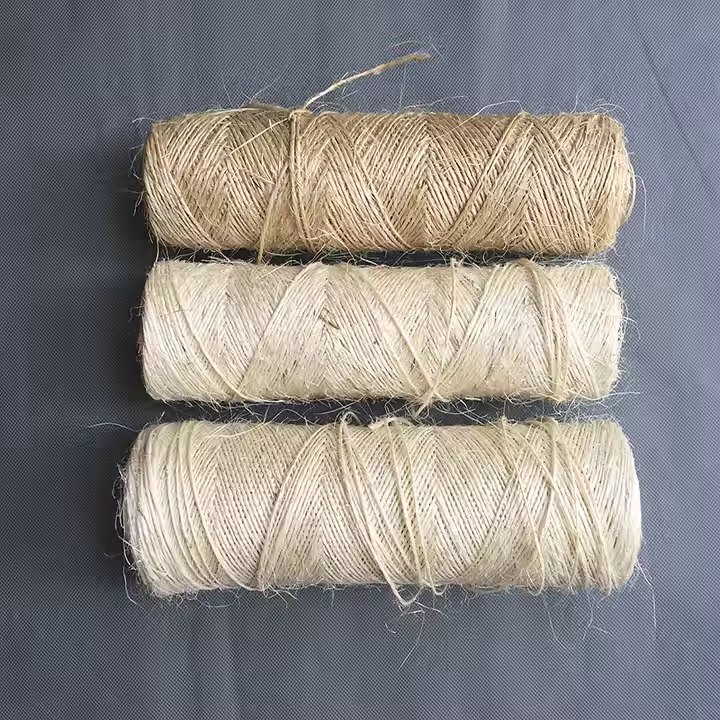
| Color | Natural brown (unbleached) |
| Length | Customized per order |
| Place of Origin | Mombasa, Kenya |
| Model Reference | S50-310006 |
Note: Pricing, MOQ, and available certifications are not listed on this page. Contact us directly for a wholesale price quote tailored to your volume and specification requirements.
Performance Properties That Matter to Industrial Buyers
Acid and Alkali Resistance
Sisal fiber holds up in mildly corrosive environments where synthetic rope alternatives can degrade or become brittle. For industrial tying, packaging in chemical warehousing contexts, or horticultural use where fertilizer contact is common, this resistance to both acidic and alkaline conditions reduces replacement frequency and material waste.
Abrasion and Wear Resistance
The coarse surface texture of twisted sisal yarns gives them strong grip and high friction coefficients, useful for bundling, knot work, and applications where slippage is a liability. This same texture contributes to abrasion resistance during transit and handling, which is why sisal yarn remains a preferred choice for industrial packing twine and binder applications in the 1mm to 5mm diameter range.
Biodegradable and Eco-Friendly Profile
Sisal yarn is fully biodegradable at end of life. For U.S. distributors supplying agricultural markets, garden retail chains, or eco-packaging converters, the biodegradable profile supports product claims and aligns with regulatory momentum toward reduced plastic in binding and packaging applications. Natural sisal twine is widely recognized as eco-friendly for tree farms, industrial tying, packaging, and decorative applications, reflecting consistent market positioning across the North American natural fiber segment.
Cold Weather Performance
Unlike some synthetic yarns that stiffen and crack in cold-chain or outdoor winter environments, the product data notes bitter-cold prevention among the material characteristics. This is relevant for agricultural distributors supplying markets with hard winters, where natural fiber binding on hay bales, nursery stock, or outdoor lumber must remain workable in freezing conditions.
Primary Applications for Wholesale Buyers
Industrial Packing and Binder Twine (1mm to 5mm Range)
The 1mm to 5mm diameter range covers the bulk of industrial binder and packing twine applications. Procurement teams sourcing for packaging lines, furniture factories, or agricultural supply chains will find the 3-ply twist appropriate for machine-fed tying operations as well as hand-wrapping. Customized coil lengths allow buyers to specify winding that fits directly onto existing dispensing equipment without re-spooling.
Gardening and Horticultural Tying
Gardening sisal yarn is a well-established product category in the U.S. market, supplied through garden centers, hardware distributors, and horticultural wholesalers. The natural color and biodegradable breakdown in soil make sisal the preferred choice for plant staking, vine training, and tree-wrapping applications. Distributors serving landscape contractors or nursery operators will recognize demand for this product through seasonal and year-round channels.
Rope Manufacturing and Fiber Core Applications
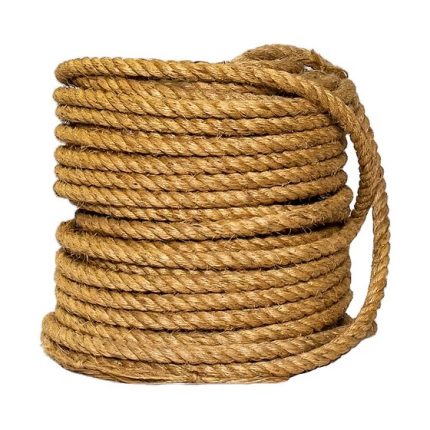
Sisal yarn is a recognized input material for twisted rope manufacturing and as a fiber core inside steel wire rope. The single-strand base structure of these yarns makes them compatible with further twisting into heavier cordage constructions. Rope manufacturers sourcing natural fiber cores at scale should inquire about bulk coil quantities and consistent fiber grade to ensure downstream production uniformity.
Handicrafts, Textile Arts, and Hand Knitting
Thinner diameters within the 1mm to 3mm range see demand from craft suppliers and artisan yarn distributors. Hand knitting with sisal yarn produces rigid, textured results suited to basket weaving, macrame, and decorative textile construction. While this is a smaller volume channel compared to industrial uses, distributors serving craft wholesale accounts will find the natural unbleached color and consistent twist attractive to buyers who prioritize material authenticity.
Clothing Tags and Retail Labeling
Thin sisal twine at 1mm to 2mm is used as hang-tag string for clothing, gifts, and artisan retail products. This application is growing among U.S. brands seeking to replace synthetic tag strings with natural, biodegradable alternatives. Importers supplying packaging components to apparel or gift manufacturers should note this end-use when evaluating minimum order requirements for finer diameter coils.
Why Source Sisal Yarn from Kenya Rather Than Other Origins
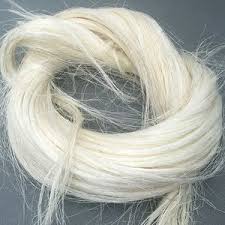
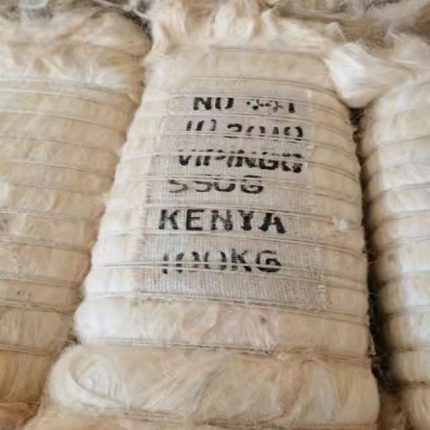
Kenya is one of the world’s largest sisal fiber exporters. The fiber processed here comes from agave sisalana cultivated in high-altitude and coastal growing zones, with Mombasa serving as the primary export gateway. Kenyan sisal fiber has a long-established reputation in global rope and yarn markets for consistent staple length and fiber strength, which translates to better twist uniformity in finished yarn compared to lower-grade fiber sources.
For U.S. importers who have previously sourced from suppliers across Asia or Latin America, Kenya-origin sisal offers a direct-from-growing-region supply chain with shorter fiber handling from farm to processing. Buyers concerned about supply chain traceability or origin documentation for end-customer claims will find this geographic position advantageous. We can provide origin documentation as part of the export package; contact us to confirm what specific documentation your supply chain requires.
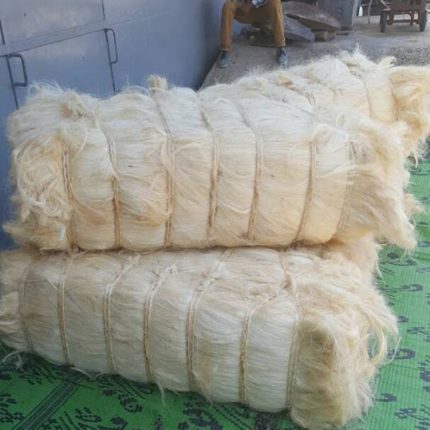
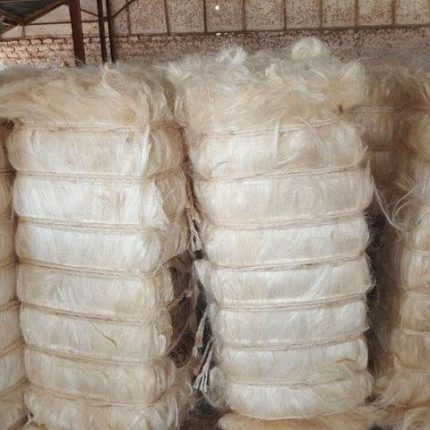
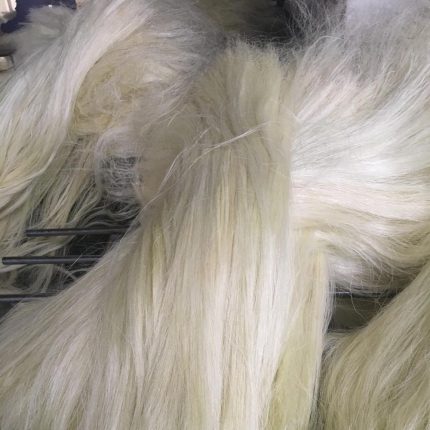
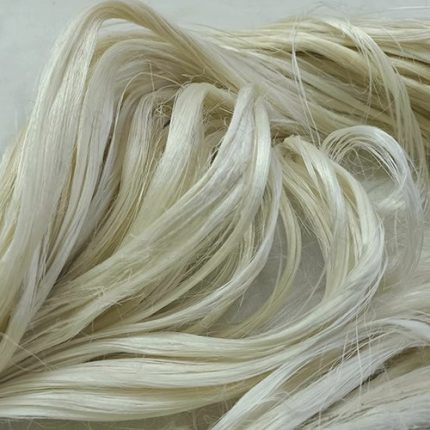
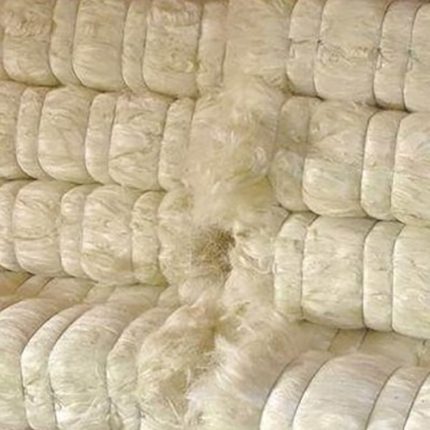
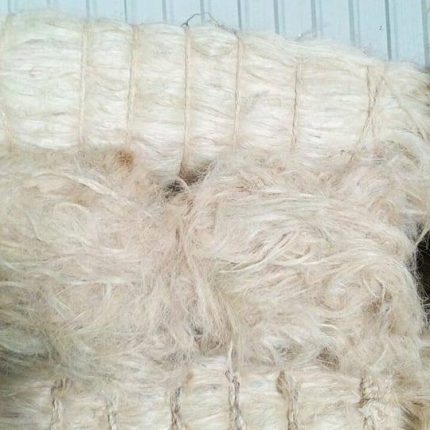
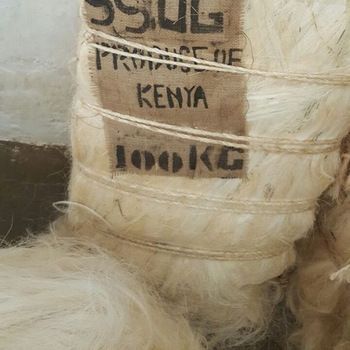
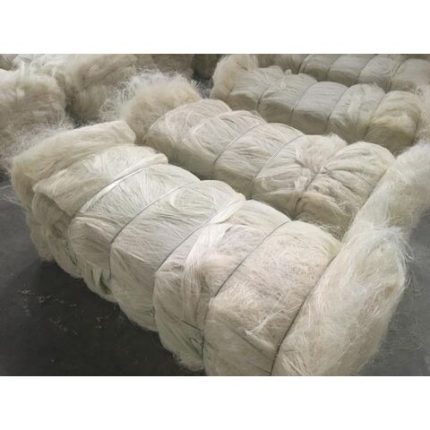
Explore the full range of graded raw fiber we export through our Sisal Fiber category, which includes UG Grade, SSUG Grade, Grade 3 Short, Grade 3L, and tow fiber grades for different processing needs.
Packaging, Coil Format, and Custom Length Options
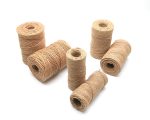
Standard packing is 1000g coils. This is a practical commercial format for distributors and manufacturers who need a consistent per-unit weight for inventory tracking and cost calculation. Length per coil varies by diameter; finer diameters yield more meters per kilogram, which is a key figure when quoting to end users who buy by running length rather than weight.
Custom coil lengths are available on request. Buyers operating filling or winding machinery with specific spool lengths should provide those requirements at the quote stage. Bulk pallet quantities and container-load pricing are available; include your target volume in your inquiry so we can return an accurate price per kilogram.
Frequently Asked Questions from Wholesale Buyers
What diameter range is available, and can I order non-standard sizes?
Standard diameters run from 1mm to 5mm in the 3-ply twisted construction. Larger diameters up to 20mm are available depending on order volume and lead time. Specify your required diameter and application when requesting a quote so we can confirm feasibility and pricing.
Is the yarn bleached or in natural color only?
The standard product is natural unbleached brown, which is the finish most commonly specified for industrial, horticultural, and packaging uses. Bleached or treated finishes are not confirmed as available from this facility; please raise specific color or treatment requirements in your inquiry.
What documentation can you provide for U.S. import?
As a Kenya-based exporter shipping through Mombasa, we can provide standard export documentation including a certificate of origin and commercial invoice. Buyers who need specific phytosanitary certificates, material safety data, or compliance documentation for import clearance should confirm requirements at the inquiry stage. We do not make specific certification claims on this page beyond what is verified in the product record.
Can I order mixed diameters in a single shipment?
Multi-diameter orders within a single container shipment can be arranged subject to minimum quantities per diameter. Include the breakdown you need when you submit your inquiry.
How does sisal yarn compare to jute yarn for industrial applications?
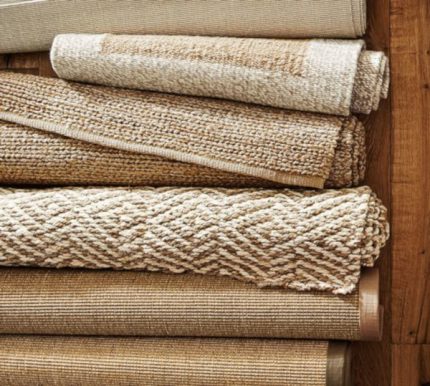
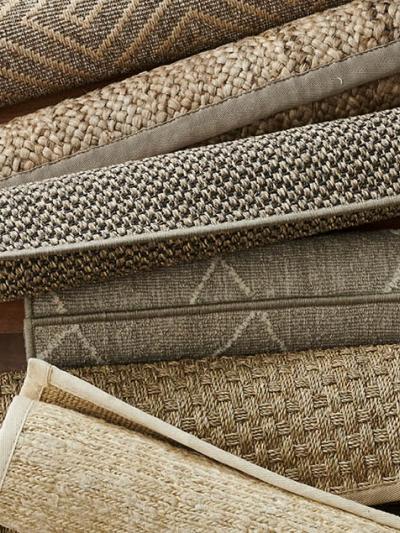
Both are natural twisted yarns with similar biodegradable profiles. Sisal is generally regarded as stronger and more abrasion-resistant than jute at equivalent diameters, while jute tends to be softer and less resistant to moisture. For heavy-duty binding, rope manufacturing, or outdoor horticultural use, sisal is the more durable choice. For light packaging and decorative applications, either material may be suitable depending on buyer preference and cost targets. We also carry related natural fiber products; see our Sisal Mats for downstream sisal product reference.
What is the fiber grade of the sisal used in these yarns?
The product description specifies high-quality sisal material. Specific fiber grade classification (UG, SSUG, Grade 3, etc.) as it applies to the raw fiber input for this yarn is not confirmed in the available product data. Buyers with specific fiber grade requirements for downstream manufacturing should raise this at the inquiry stage. For reference on graded raw fiber specifications, see our Sisal Fiber Ug Grade product page.
For further details on Authoritative reference relevant to buyer guidance, standards or compliance, consult Register of Trademarks.



Reviews
There are no reviews yet.