

UG Grade Sisal Fiber from Kenya: Specifications and Sourcing Details
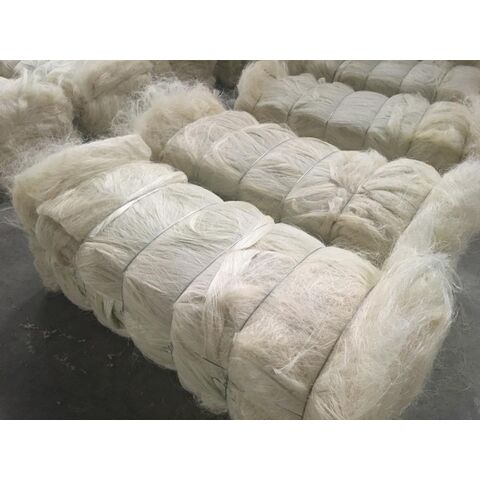
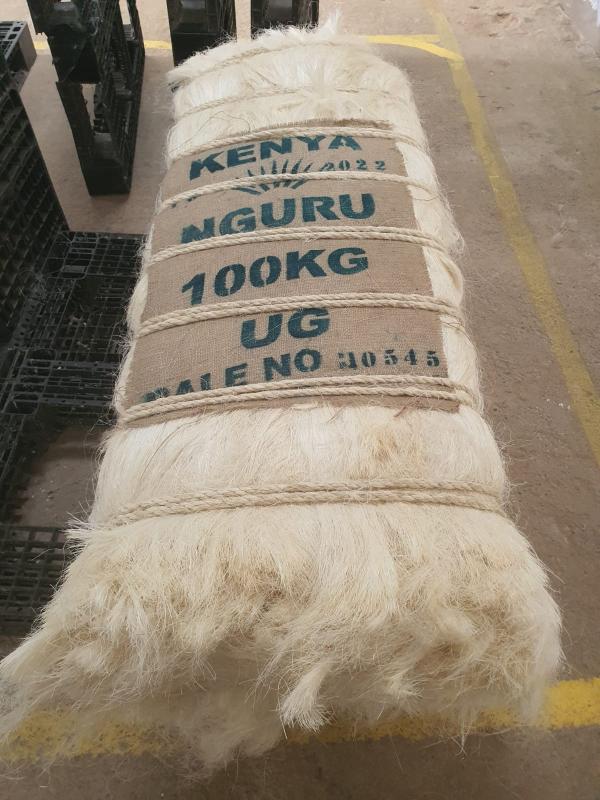
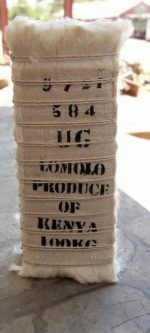
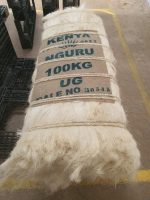
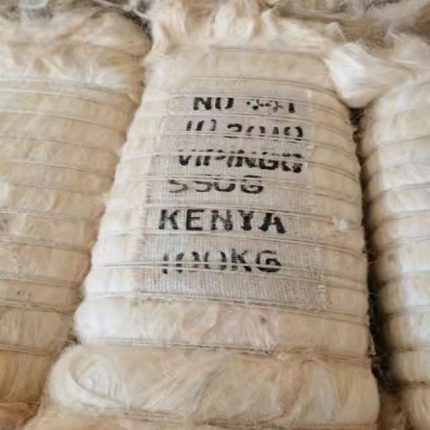
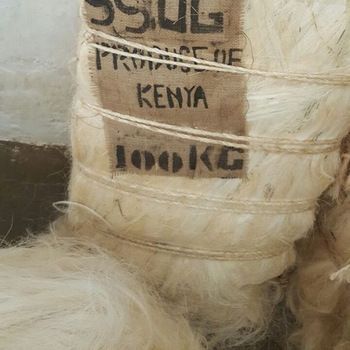
Karmenda Co Ltd exports natural sisal fibre classified at Grade A (UG) directly from Kenya, one of the world’s primary sisal-producing countries. UG stands for Under Good, a standard trade classification used by bulk sisal buyers, importers, and industrial processors to specify fiber of consistent length, controlled moisture, and low foreign matter content. This is not a commodity grade in name only. The specification parameters below are the basis on which procurement teams, rope manufacturers, composite material producers, and agricultural supply chains evaluate and source this fiber at container scale.
Verified Product Specifications
| Parameter | Specification |
|---|---|
| Grade | Grade A (UG – Under Good) |
| Origin | Kenya |
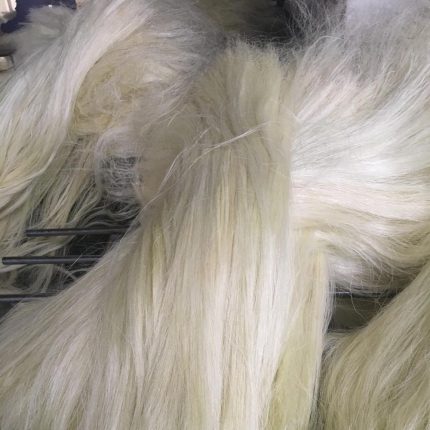
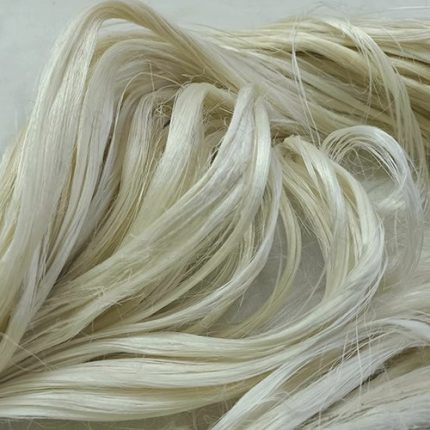
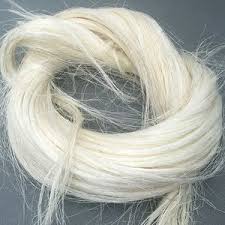
| Fiber Color | Natural white, cream, and intermediate shades |
| Fiber Length | 110-130 cm |
| Purity | 98-99.5% minimum |
| Foreign Matter | 0.5% maximum |
| Humidity | 10-13% |
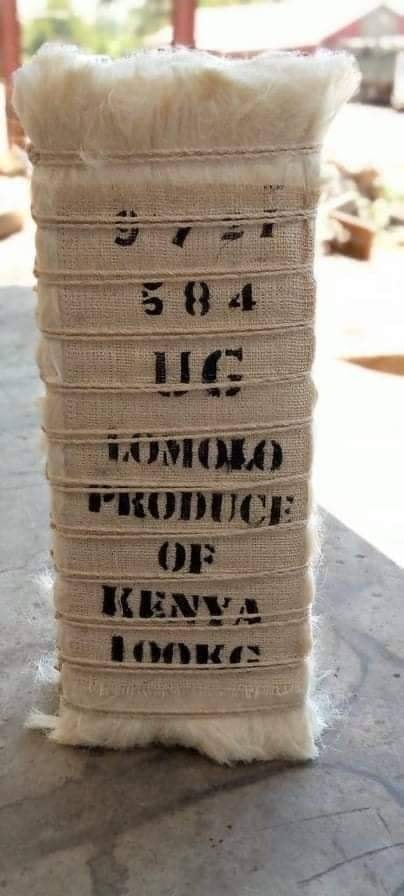
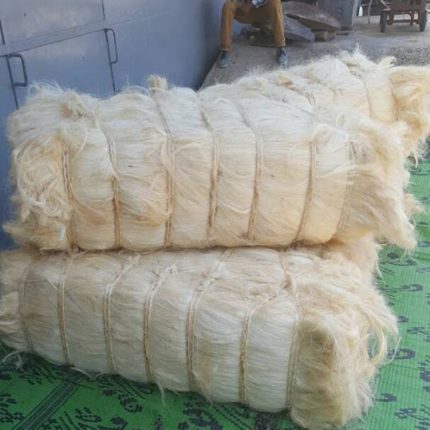
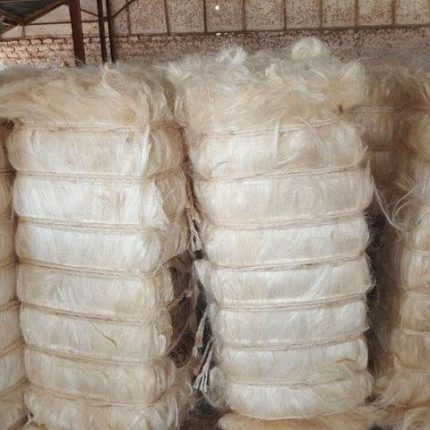
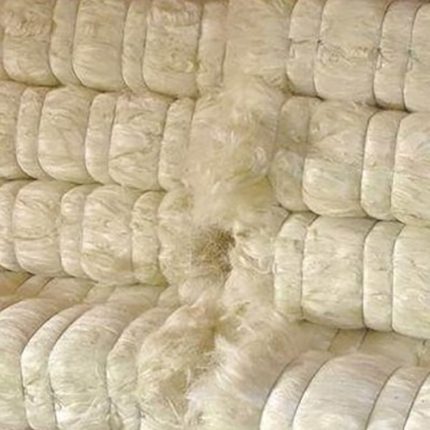
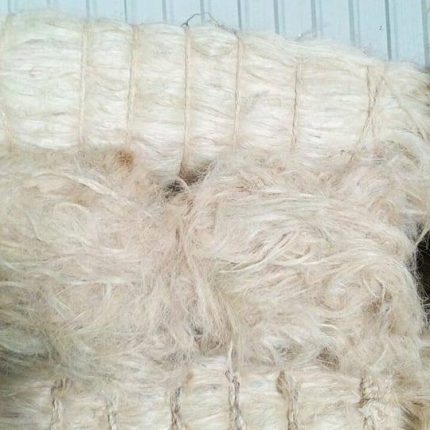
| Bale Options | 100kg, 200kg, 250kg |
| Container Capacity | 28 MT per 40ft container |
All figures above are drawn from verified product data supplied by Karmenda Co Ltd. Buyers are encouraged to request a certificate of analysis or pre-shipment inspection report when placing initial orders.
How UG Grade Fits the Sisal Fiber Grading System
Sisal fiber is traded internationally under several recognized grade classifications. Understanding where UG sits in that hierarchy matters to procurement managers sourcing for specific industrial processes.
UG Grade: The Mid-Range Commercial Standard
UG grade fiber, at 110-130cm length with purity at or above 98%, occupies a practical middle position in the sisal grading structure. It is clean enough for high-performance rope and twine production, composite reinforcement, and agricultural binding applications, while remaining accessible in pricing compared to the longer-fiber premium grades. The low foreign matter ceiling of 0.5% means downstream processors face minimal sorting or pre-processing before the fiber enters production lines.
Comparing UG to SSUG Grade Sisal Fiber
SSUG (Sisal Superior Under Good) is positioned above UG and typically carries tighter impurity tolerances alongside a fiber length profile that overlaps with UG at the upper end. Research from industry trade listings indicates SSUG specifications generally require stricter cleanliness. Buyers whose processes demand the tightest purity parameters or who work with fine-diameter end products may require SSUG. For rope cordage, general industrial fiber reinforcement, and bulk mat manufacturing, UG grade routinely satisfies production requirements at a more favorable cost point. See our Sisal Fiber SSUG Grade listing if your application demands the superior classification.
Where Grade 3L (3 Long) Sits in the Range
Grade 3L, also written 3 Long, represents the longest-fiber classification in the commercial sisal range, targeting manufacturers who require extended strand length for specialized spinning, high-strength rope, or premium brush and mat construction. If your production specification calls for fiber longer than the UG 130cm upper limit, our Sisal Fiber Grade 3L (3 Long) is the appropriate next tier to evaluate.
Industrial Applications of UG Grade Natural Sisal Fibre
Sisal at UG grade is used across multiple manufacturing sectors. The fiber length and purity profile make it a dependable raw material input for buyers in the following areas.
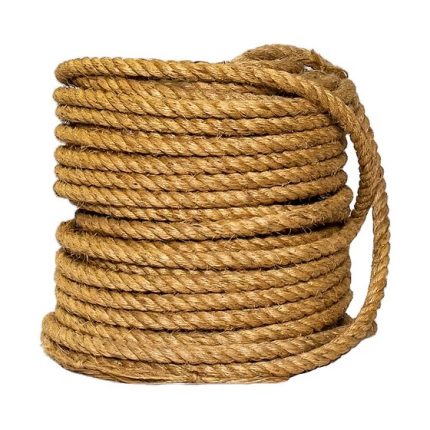
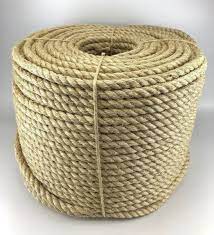
- Rope and twine production: The 110-130cm strand length provides adequate overlap for twist and lay processes used in marine, agricultural, and general-purpose cordage.
- Composite and construction reinforcement: Sisal fiber is used as a natural reinforcing agent in gypsum board, concrete, and fiber-cement panels. UG grade purity limits help avoid contamination that could affect bonding or curing.
- Agricultural and horticultural binding: Natural sisal twine produced from UG fiber is biodegradable and widely used in crop tying and vineyard management across U.S. agricultural supply chains.
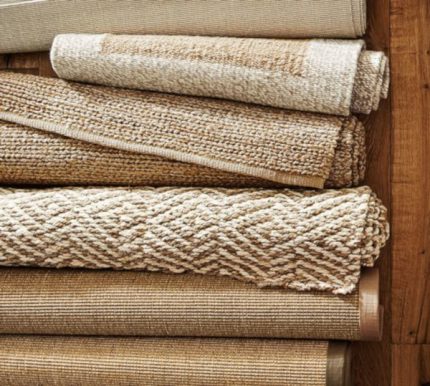
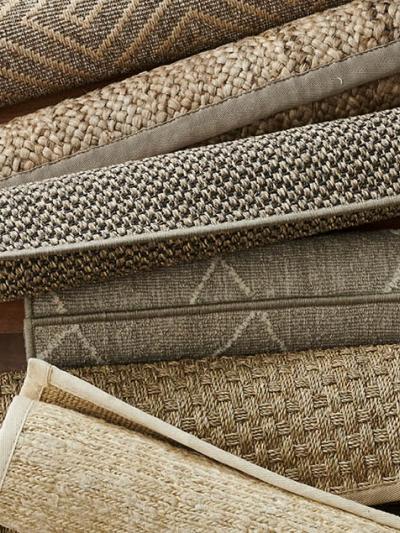
- Brush and mat manufacturing: Fiber at this length range is processed into sisal mats, scrub pads, and industrial brushes. View our Sisal Mats product for finished goods sourced from this fiber base.
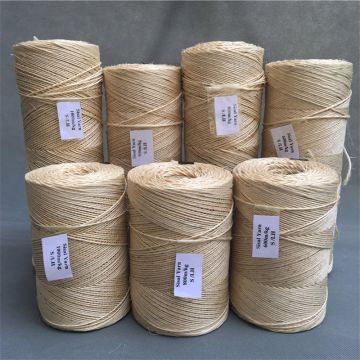
- Spinning and yarn production: Processors converting raw sisal into spun yarn use UG grade as a primary feedstock. Related: Sisal Yarns available from our catalog.
Packaging, Container Loading, and Export Process
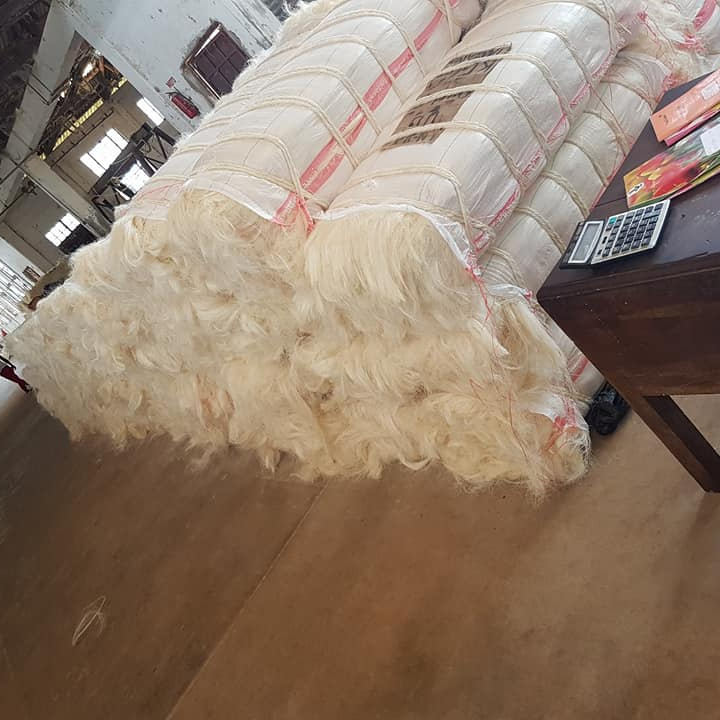
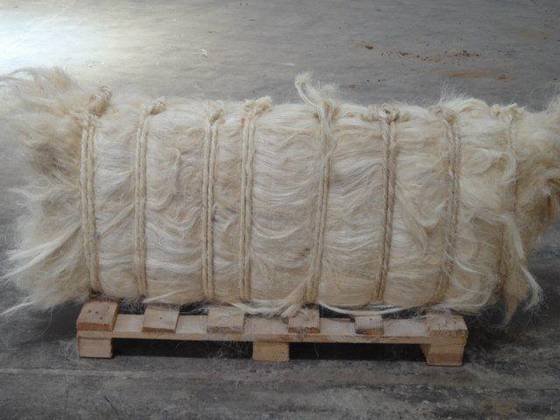
Karmenda Co Ltd exports UG grade sisal fiber in three bale sizes: 100kg, 200kg, and 250kg. The 250kg bale is the most common format for full container orders, optimizing pallet density and reducing handling at the destination port. A standard 40ft dry container holds 28 metric tons of sisal fiber, which is the typical minimum order volume for container-load buyers.
Export documentation is prepared in line with U.S. import requirements. Buyers should confirm specific phytosanitary certificate, certificate of origin, and bill of lading requirements with their customs broker prior to placing an order. As a Kenya-origin product, this fiber may qualify for duty preferences under applicable trade frameworks, though buyers are responsible for confirming tariff classification and eligibility with their trade compliance teams.
Sourcing UG Grade Sisal Fiber from Kenya vs. Other Origins
Kenya and Tanzania are the two dominant export origins for natural sisal fiber at UG and SSUG grades. Kenyan sisal has a long-established reputation in international commodity markets, with the fiber processed through established cooperative and estate systems. The natural white to cream color profile of Kenyan UG grade fiber is consistent with the color specification demanded by rope manufacturers who produce undyed or light-stained final products. Buyers sourcing from Kenya benefit from an established export infrastructure, predictable harvest cycles, and direct access to exporter relationships without intermediary margin layers.
Related Sisal Fiber Grades Available from Karmenda Co Ltd
Our sisal fiber catalog covers the full commercial grade range. If UG does not precisely match your production specification, the following grades are available for inquiry:
- Sisal Fiber SSUG Grade – superior classification with tighter impurity controls
- Sisal Fiber Grade 3L (3 Long) – longest commercial fiber, specialist applications
- Sisal Fiber Grade 3 Short – shorter fiber for composite and low-cost manufacturing inputs
- Sisal Fiber Short Fiber Tow 1 – tow-grade short fiber for paper, composite, and geotextile use
- Sisal Fiber Short Fiber Tow 2 – secondary tow grade for bulk industrial applications
Browse the full Sisal Fiber catalog for the complete range.
Request a Wholesale Price Quote
Pricing for sisal fiber UG grade varies with global commodity conditions, container volume, and destination port. Karmenda Co Ltd does not publish fixed per-ton rates online, as FOB and CIF pricing is confirmed at the time of inquiry based on current export costs and buyer logistics requirements. To receive an accurate wholesale price quote for a specific volume and destination, submit your inquiry through the contact form on this page or reach our trade team directly. Initial inquiries are typically acknowledged promptly, and formal quotations follow once volume, delivery terms, and documentation requirements are confirmed.
Frequently Asked Questions from U.S. Importers
What is the minimum order quantity for UG grade sisal fiber?
The standard minimum order volume aligns with a full 40ft container load of 28 metric tons. Buyers requiring smaller trial volumes should discuss options directly with our team, as split-container or partial orders depend on current loading schedules.
Is UG grade the same as Grade A sisal?
Yes. In this product listing, Grade A and UG (Under Good) refer to the same classification. UG is the trade terminology used in international commodity markets, while Grade A is sometimes used interchangeably by East African exporters for the same specification tier.
What documents are provided for U.S. customs clearance?
Karmenda Co Ltd prepares standard export documentation including the commercial invoice, packing list, bill of lading, and certificate of origin. A phytosanitary certificate is available on request and is typically required for natural plant-based fiber imports into the U.S. Buyers should verify specific USDA APHIS or CBP requirements with their customs broker before shipment.
Can the fiber be shipped on CIF terms to a U.S. port?
CIF and FOB terms are both available. Delivery terms, port of loading, and destination are confirmed during the quotation process. Common U.S. destination ports for East African sisal include East and Gulf Coast terminals, though routing is flexible depending on buyer logistics preferences.
How does UG grade sisal fiber differ from tow grades?
UG grade consists of long, cleaned fiber strands at 110-130cm, suitable for rope spinning, weaving, and reinforcement applications requiring intact strand length. Tow grades such as Tow 1 and Tow 2 are composed of shorter, cut, or carded fiber residue and are used in applications where strand continuity is not required, such as pulp, geotextile, or composite filler use.



Reviews
There are no reviews yet.