

What Grade 3 Short Sisal Fiber Means for Industrial Buyers
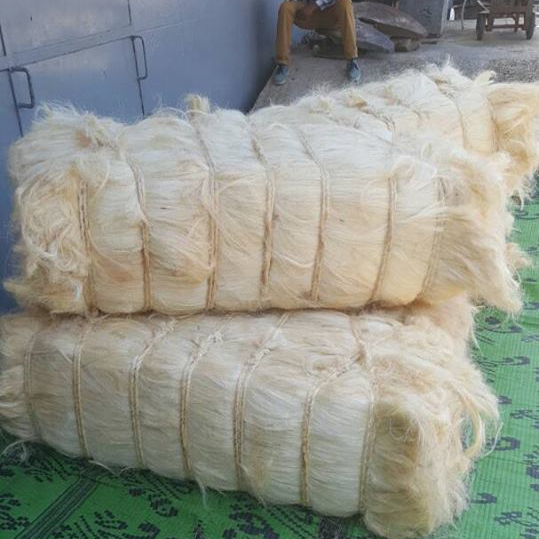
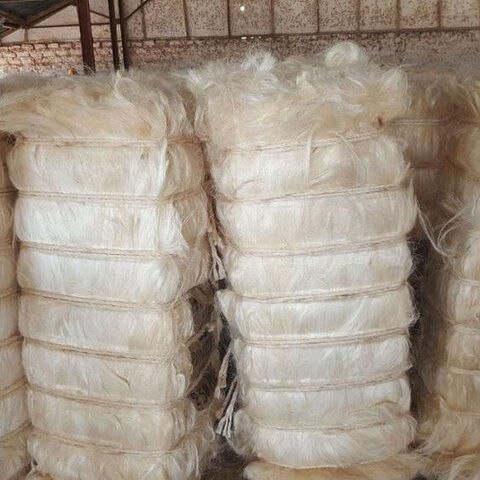
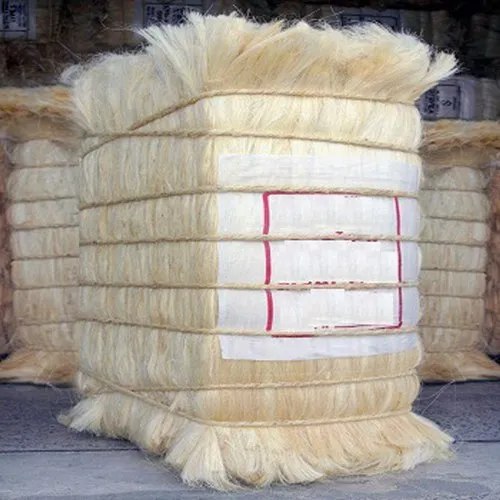
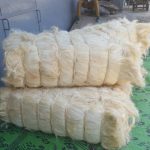
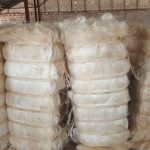
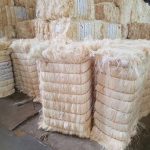
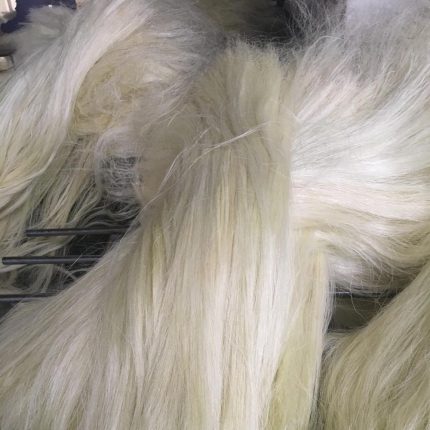
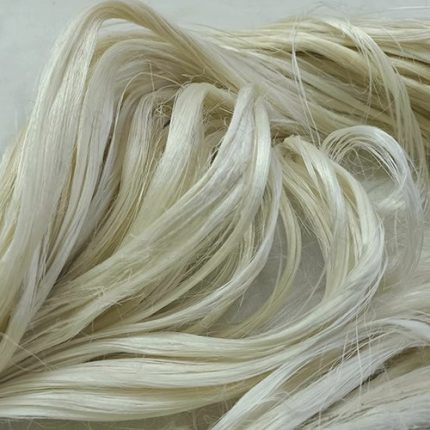
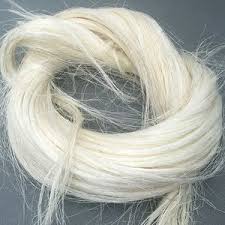
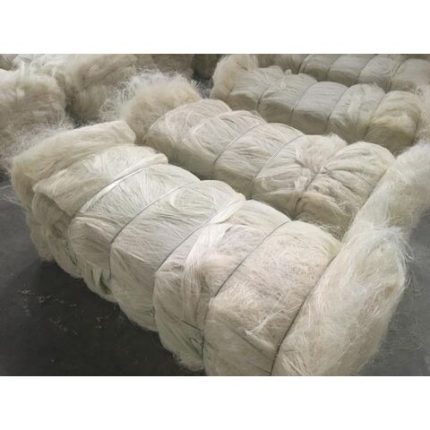
Sisal Fiber Grade No. 3 Short occupies a distinct position in the commercial sisal grading hierarchy. The designation refers to cleaned long-strand fiber starting at 90cm, with the commercially traded range sitting at 110-130cm. The fiber is properly brushed, free of tow inclusions, and free of defective decorticating residue. Color runs from natural white to a mixed natural cream, which reflects normal variation in raw Agave sisalana fiber and is consistent with standard export grading for this class.
Buyers sourcing for spinning lines, non-woven bonding, concrete fiber reinforcement, or bulk filling applications will find this grade suitable when a consistent length band and low impurity tolerance are the primary procurement criteria. The 0-2% maximum impurity threshold is a meaningful specification for processors who run continuous lines and need predictable material behavior rather than the variable quality associated with lower grades such as SSUG or short tow.
Full Specification Sheet
| Parameter | Specification |
|---|---|
| Material | Raw Sisal Fiber (Agave sisalana) |
| Grade | Grade No. 3 Short (3 Short) |
| Fiber Length | 110-130cm (minimum 90cm) |
| Color | Natural white or mixed natural cream |
| Moisture Content | 10%-15% |
| Impurity Level | 0-2% maximum |
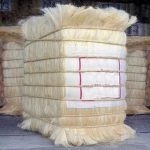
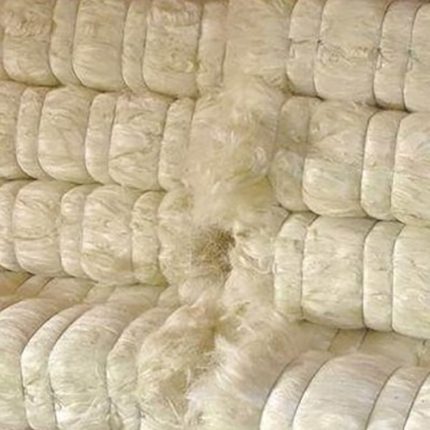
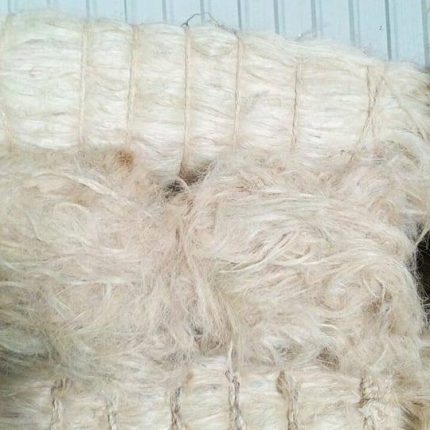
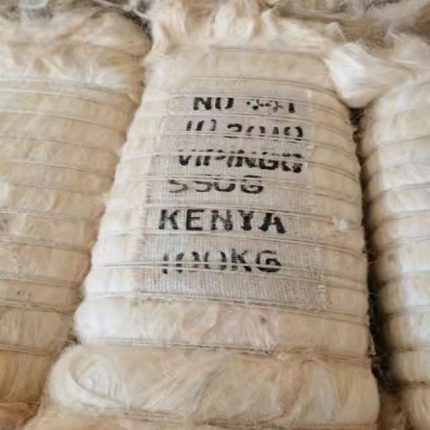
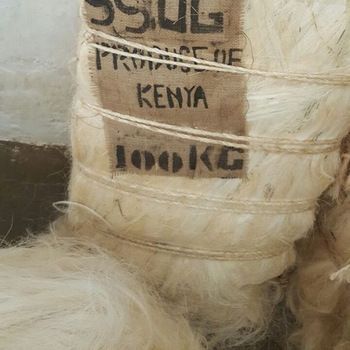
| Packaging | 100kg per bale |
| Fiber Condition | Properly brushed, free of tow, free of defective decortications |
| Pattern | Raw (unprocessed) |
Note: Moisture content (10-15%) is as listed in the product record. Buyers with process-specific moisture limits below 12% should request a condition report or renegotiate drying terms at origin. Pricing is not published; contact us directly for FOB Mombasa or CIF port quotations.
Declared Properties and Their Practical Relevance
The product listing cites anti-bacteria, anti-UV, chemical-resistant, eco-friendly, flame retardant, and radiation-resistant characteristics. These are properties associated with natural sisal fiber generally and are worth noting in context. Sisal is a plant-based cellulosic fiber, and several of these characteristics, particularly UV resistance and resistance to certain chemicals, are reported across the sisal literature. Buyers requiring certified test data for specific properties, such as flame retardancy to a particular ASTM or EN standard, should request documentation before placing an order, as no third-party test certificates are cited in the product record.
Applications: Where Grade 3 Short Performs
The four confirmed uses for this grade are concrete reinforcement, filling material, non-woven fabric production, and spinning. Each places different demands on the fiber.
Concrete Fiber Reinforcement
In concrete and cement composite applications, sisal fiber functions as a natural alternative or complement to synthetic reinforcement fibers. The 110-130cm length range is longer than what most short-cut concrete fiber applications require, so buyers in this segment typically process the baled fiber through cutting or opening equipment to reach target lengths. The low impurity level keeps processing waste predictable.
Spinning and Yarn Production
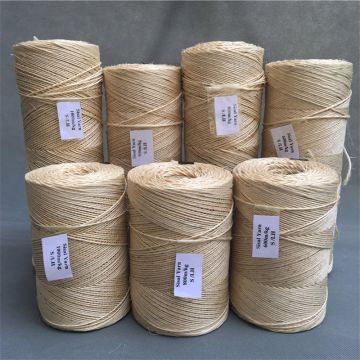
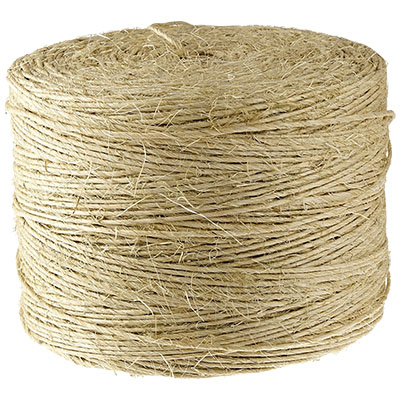
Spinning operations value consistent staple length and low tow contamination. Grade 3 Short, with its brushed condition and tow-free status, feeds ring or open-end spinning equipment with fewer stoppages than lower-grade material. Buyers who produce Sisal Yarns from raw fiber will recognize this grade as a standard input stock.
Non-Woven Fabric and Filling
Non-woven manufacturers and filling operations benefit from the fiber’s natural bulking characteristics. The cream-to-white color range is acceptable for products where natural toning is appropriate. Buyers producing geotextiles, mattress padding, or insulation batting are the typical end users in this segment.
Grade 3 Short vs. the Broader Sisal Fiber Range
Procurement teams evaluating multiple sisal grades need a clear comparison before committing to a container order. The Kenyan and East African export market trades several distinct classifications, and Grade 3 Short sits in the middle of the quality ladder.
How Grade 3 Short Compares to Grade 3L (3 Long)
The Sisal Fiber Grade 3L (3 Long) shares the same minimum fiber length threshold of 90cm but is generally characterized by longer average strand length, a cleaner decortication standard, and stricter color uniformity than Grade 3 Short. The 3L grade is better suited for high-count spinning or applications where fiber uniformity across a run is critical. Grade 3 Short is the practical choice when slightly broader color variation and the 110-130cm measured range align with your process requirements and your target price point.
Grade 3 Short vs. SSUG Grade
The Sisal Fiber SSUG Grade represents a step down in fiber length and cleanliness. SSUG material typically carries higher impurity tolerance and a less uniform length distribution. Buyers sourcing for applications where the exact fiber length range is less critical, or where price-per-ton is the overriding factor, may look at SSUG. Grade 3 Short is the better selection when a controlled length band and the 0-2% impurity ceiling matter to your quality control process.
Grade 3 Short vs. UG Grade
The Sisal Fiber UG Grade (Under Grade) is positioned below SSUG in terms of fiber quality and is associated with wider color variation, higher impurity tolerance, and shorter or irregular strand length. Grade 3 Short is a meaningfully higher-specification product than UG Grade for buyers whose downstream process requires consistent input material.
Short Fiber Tow Grades
Short fiber tow grades, including Sisal Fiber Short Fiber Tow 1 and Sisal Fiber Short Fiber Tow 2, are by-product fibers recovered during decortication and primary processing. They carry shorter, irregular fiber lengths and are suited to applications such as paper pulp, low-grade filling, or composite reinforcement where length uniformity is not a requirement. These grades are priced below Grade 3 Short and serve a different buyer profile.
Packaging and Export Details
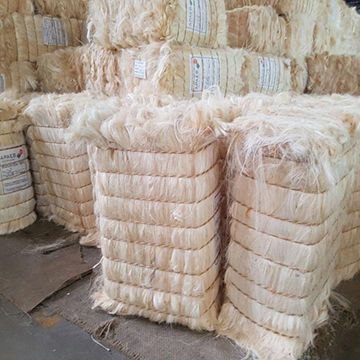
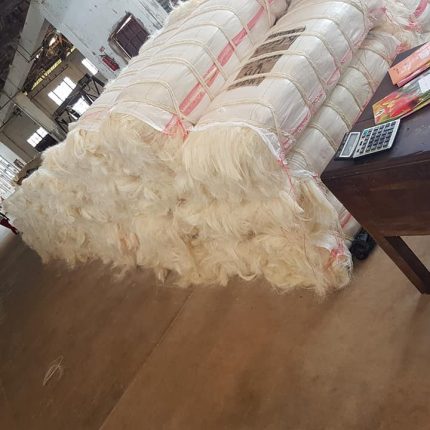
Grade 3 Short is packed in 100kg bales. This is the standard commercial bale weight for Kenyan sisal fiber exports and is compatible with container loading calculations commonly used by U.S. importers. A standard 20-foot container accommodates multiple bale configurations depending on moisture content and bale density at the time of shipment. Buyers should factor moisture content (10-15%) into weight-adjusted pricing calculations, particularly when comparing FOB offers across suppliers with different moisture declarations.
Export documentation for sisal fiber from Kenya typically includes a phytosanitary certificate, certificate of origin, packing list, and commercial invoice. Buyers subject to USDA APHIS import requirements for natural plant fiber should confirm current entry documentation with their customs broker before finalizing terms. Certification and documentation specifics are not confirmed in the product record; buyers should request a documentation checklist from our trade team as part of the inquiry process.
Sisal Fiber in Downstream Products
Buyers sourcing raw fiber at this grade often supply or operate facilities that produce finished sisal goods. Two of the highest-volume downstream categories are relevant here.
Sisal Mats
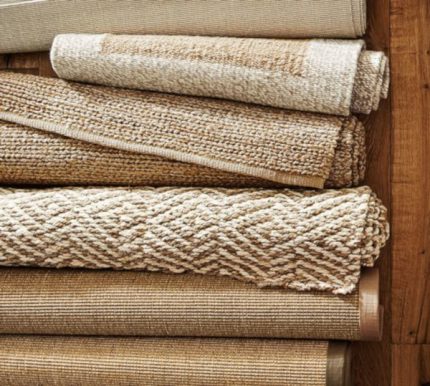
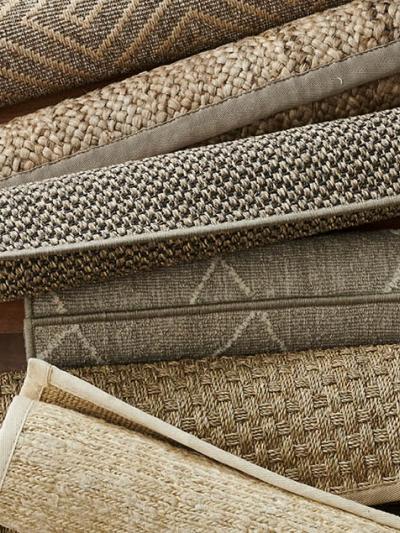
Woven and tufted Sisal Mats are a significant end market for spun sisal yarn, which in turn draws on cleaned long-fiber grades as raw input. U.S. importers of finished sisal matting or mat manufacturers buying yarn and fiber will recognize Grade 3 Short as a common upstream input.
Sisal Yarn
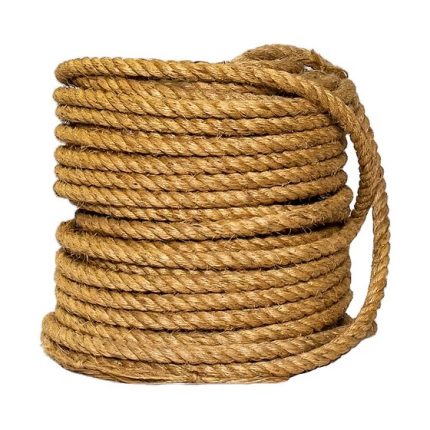
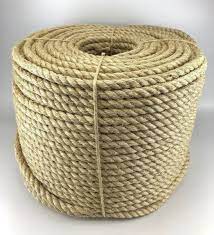
Twisted and plied Sisal Yarns are produced directly from long-fiber grades. Buyers who process fiber in-house or who source yarn for rope, twine, or textile applications should examine both the raw fiber offering and the available spun yarn options within the same catalog.
Buying Guide for U.S. Importers and Wholesale Distributors
U.S. importers and procurement teams typically evaluate a sisal fiber offer on four criteria: specification conformity, origin traceability, container logistics, and supplier responsiveness. This product page covers the first two points from verified product data. The following questions are commonly raised during B2B inquiry and are worth preparing before contacting us.
- Minimum order quantity: Not confirmed in the product record. Contact us to confirm current container minimums and whether partial container orders are available for new buyers.
- Price basis: Pricing is not listed publicly. Quotes are provided on an FOB Mombasa or CIF basis depending on destination port. Request a quote with your target volume, preferred Incoterm, and destination port.
- Lead time: Not confirmed in the product record. Seasonal availability and harvest cycles affect sisal supply. Ask for current stock and lead time during your inquiry.
- Moisture certification: If your process or import clearance requires moisture content below 12%, specify this when requesting a sample or quote.
- Payment terms: Not confirmed. Standard agricultural commodity trade terms such as LC at sight or TT against documents are common in this market, but terms should be confirmed directly.
To receive a bulk price quote for Sisal Fiber Grade 3 Short, use the product inquiry form on this page or contact our trade team directly. Include your target volume, destination port, and preferred Incoterm for the fastest response.



Reviews
There are no reviews yet.