



Product Overview: White Sella Basmati Rice
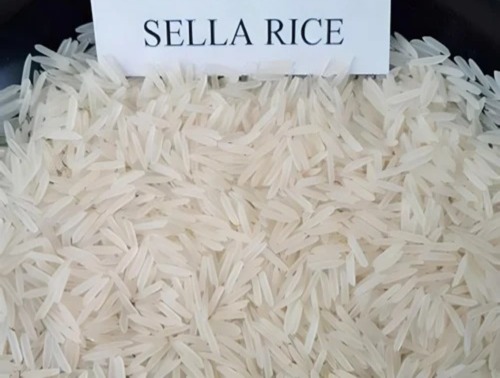
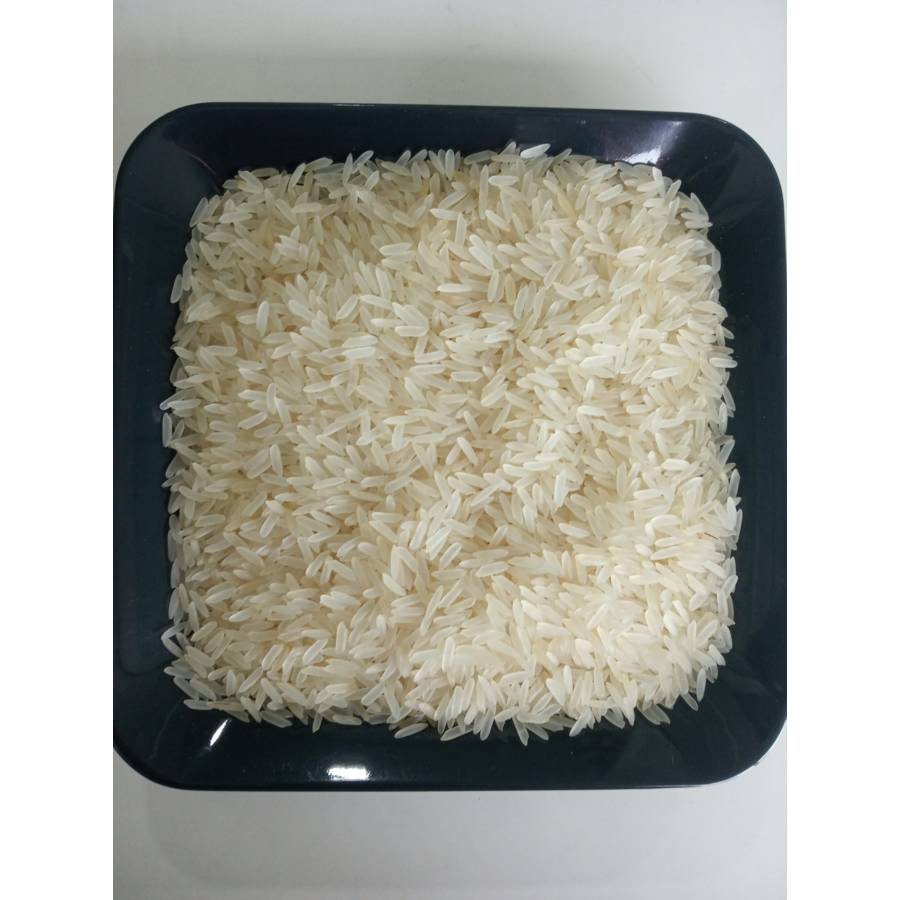
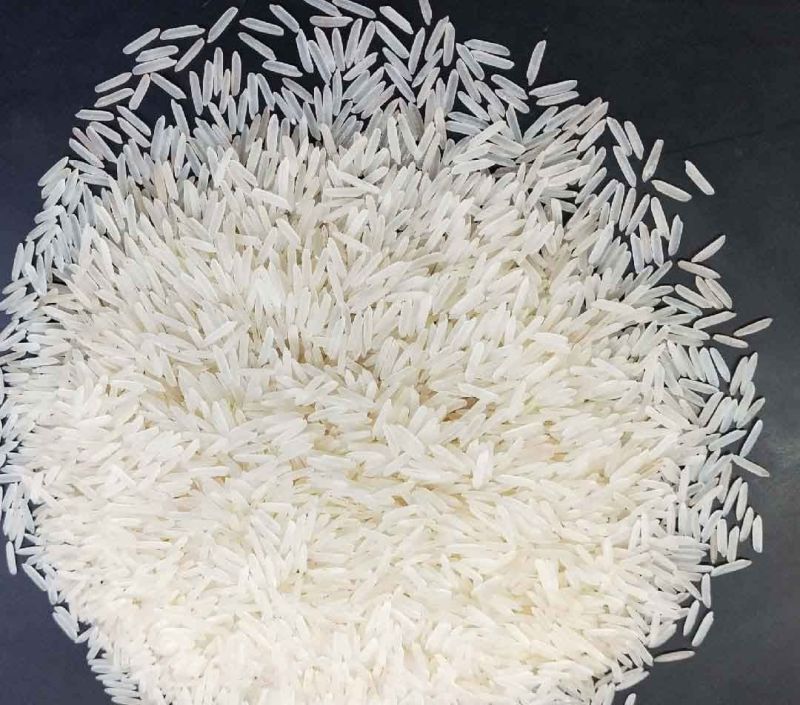
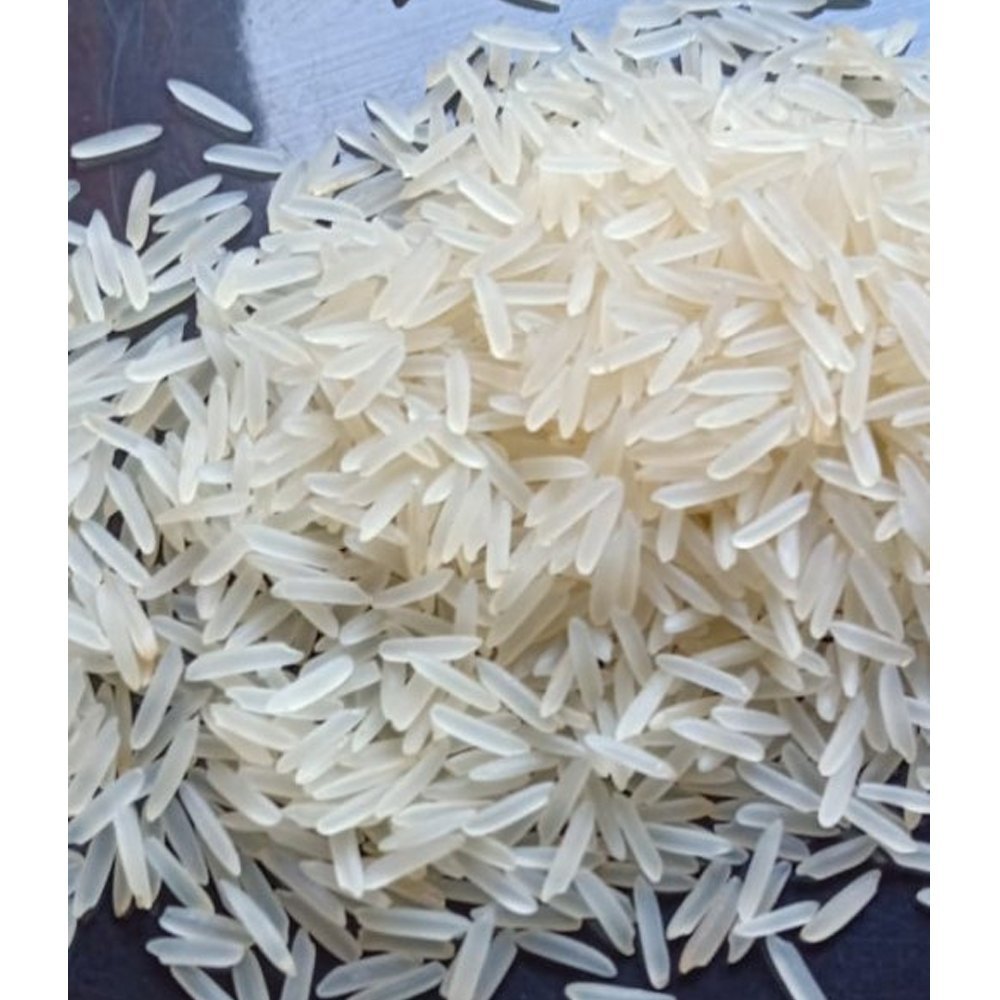
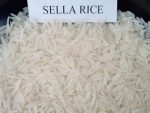
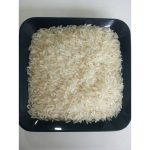
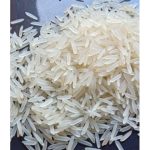
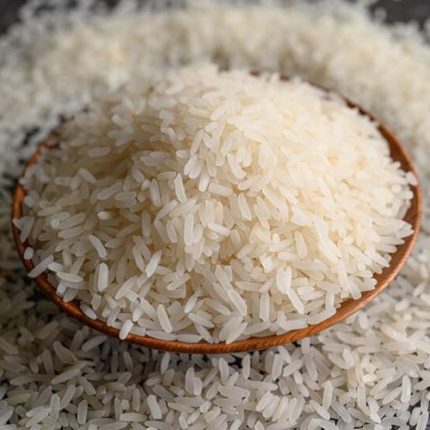
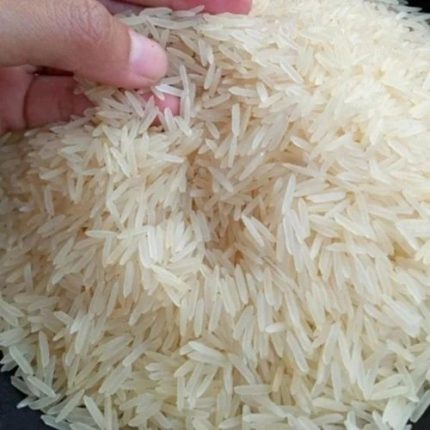
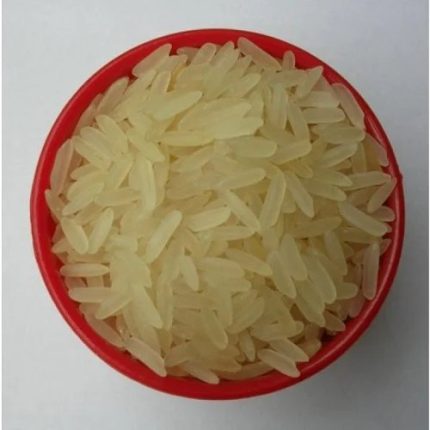
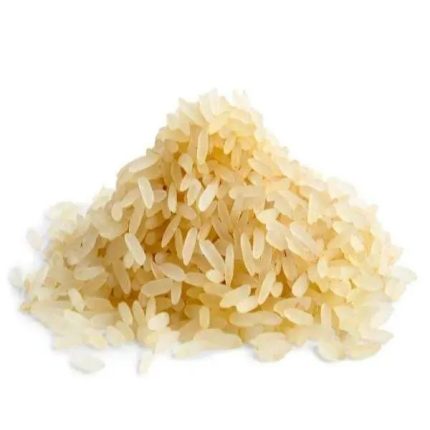
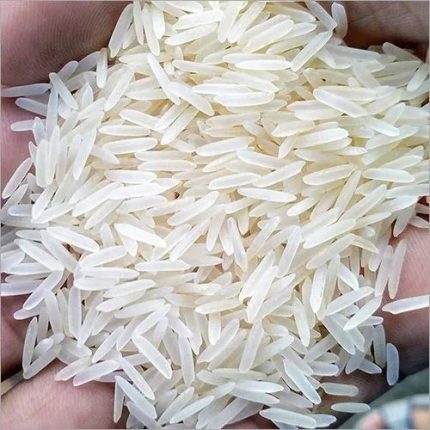
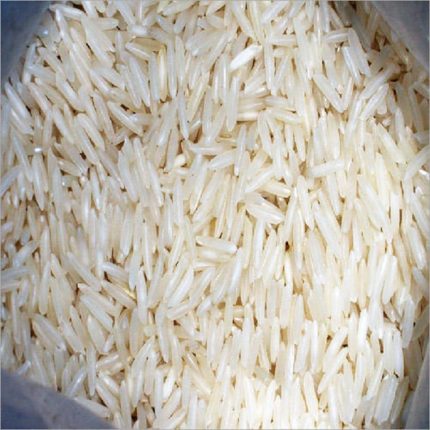
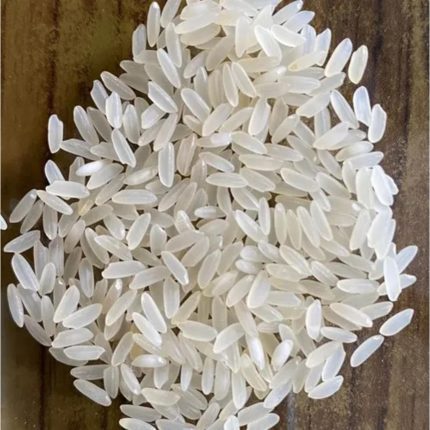
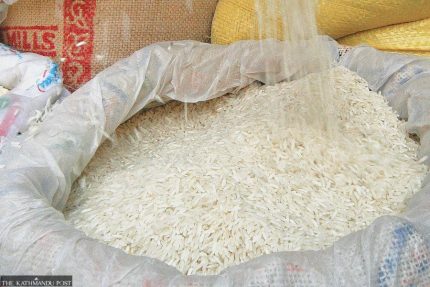
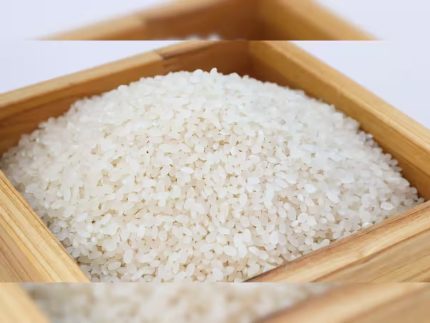
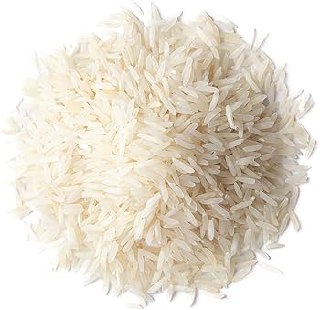
White Sella Basmati Rice is a parboiled long grain rice that undergoes a controlled steam-pressure process before milling, which sets the starch structure and produces a firmer, more separate grain after cooking. The result is a rice that holds its shape across high-volume cooking scenarios, absorbs spices and aromatics thoroughly, and delivers the characteristic basmati fragrance with a naturally sweet taste.
This product is sourced and exported with U.S. importers, wholesale distributors, ethnic grocery chains, and food service operators in mind. Buyers sourcing parboiled sella basmati for large-format retail packs, restaurant supply, or private label programs will find the specifications here directly comparable to established market benchmarks.
Verified Product Specifications
| Parameter | Specification |
|---|---|
| Variety | Long Grain Basmati |
| Type | White Sella (Parboiled) |
| Color | White |
| Average Grain Length (before cooking) | 8.3 mm |
| Broken Grain | 2% max |
| Discolor and Damage | 1% max |
| Maximum Moisture | 13% |
| Sortex | 100% clean |
| Style | Dried |
| Cultivation | Common |
| Gluten Free | Yes |
| Packaging | 25 kg, 50 kg bags |
All specification data above is drawn directly from the product record. Buyers requiring additional quality documentation, third-party lab testing, or phytosanitary certificates should submit a trade inquiry for current export lot details.
Why Buyers Choose White Sella Over Raw Basmati
The parboiling step that defines sella rice gives it a distinct advantage in bulk food service and retail environments. Grains are less prone to breakage during milling, which is reflected in the 2% maximum broken specification. The firmer texture means the cooked rice withstands holding temperatures in steam tables and banquet setups without becoming mushy, a practical requirement for catering operators and food service distributors.
For U.S. importers supplying South Asian and Middle Eastern grocery chains, white sella is the format most frequently requested for branded and private-label 20 lb and larger packs, because end consumers associate the longer hold time and non-sticky texture with authentic preparation. Compared to raw (non-parboiled) basmati, white sella also offers a longer shelf life and greater resistance to pest infestation during storage, which matters for distributors managing warehouse inventory across seasons.
Culinary Applications That Drive Commercial Demand
Procurement teams evaluating this product for distribution into U.S. restaurant supply or ethnic retail channels should understand where white sella basmati actually performs in professional kitchens. The grain’s ability to elongate significantly during cooking, absorb fat-based cooking liquids without disintegrating, and stay separate makes it the preferred format for several high-turnover dishes.
Chicken Biryani
Biryani is the single largest volume driver for sella basmati in North American South Asian restaurants and catering operations. The layered cooking method, where partially cooked rice is combined with spiced meat and finished under a sealed lid (dum), demands a grain that will absorb moisture from the marinated proteins without collapsing. White sella basmati holds up through this two-stage process and delivers the elongated, defined grains that biryani is judged on at the commercial kitchen level. Buyers supplying restaurant chains or ethnic food service accounts will find this specification aligns with the format those kitchens buy on repeat.
Karahi Chicken
Karahi chicken, a wok-cooked Pakistani and North Indian preparation built on reduced tomato, ghee, and fresh ginger, is typically served alongside plain basmati rice rather than mixed into it. In this context, the rice needs to present cleanly on the plate with distinct grains, which the sella process supports. Food service operators running high-output South Asian menus stock this format specifically because it performs consistently regardless of batch size.
Middle Eastern Spiced Grilled Lamb and Rice Platters
Across Middle Eastern restaurant formats in the U.S., from Yemeni mandi houses to Lebanese grill concepts, long grain parboiled rice is the standard base for spiced rice platters served with grilled or slow-roasted meats. The rice is typically cooked in seasoned broth with whole spices, where grain integrity during extended cooking time is critical. White sella basmati performs reliably in these preparations, and U.S. importers supplying Middle Eastern restaurant supply accounts will recognize the format.
California Rice Bowl Meal Formats
The grain’s non-sticky, separated texture also maps well to contemporary American grain bowl concepts, where rice is used as a base for protein, vegetable, and sauce combinations. In this context, the natural sweetness and faint aroma of basmati add perceived value versus commodity long grain white rice, while the sella process keeps the grain from clumping under refrigeration, which matters for meal prep operations and grab-and-go food service accounts.
Packaging, Bulk Ordering, and Export Logistics
This product is available in 25 kg and 50 kg woven polypropylene bags, which are the standard export formats for basmati rice destined for U.S. wholesale and redistribution. Buyers requiring custom printed bags, private label branding, or alternative inner-liner configurations should specify this at the inquiry stage.
As a Kenya-based international exporter with access to established supply chains, we handle export documentation including phytosanitary certificates, certificates of origin, and commercial invoices. U.S. importers working with FDA-registered facilities and needing prior notice filing support should confirm requirements at the time of order. For full container load (FCL) inquiries or consolidated shipment options, contact our trade team directly.
Minimum order quantities and current FOB or CIF pricing are provided on request. Use the contact or quote form on this page to receive a formal offer based on your destination port and volume requirement.
Important Information for U.S. Import Buyers
Buyers importing basmati rice into the United States should be aware that FDA prior notice requirements apply to all food shipments. Basmati rice from certain origins may be subject to additional sampling or detention based on current FDA import alerts. Buyers are advised to confirm the current regulatory status of their intended supply origin and work with a licensed customs broker familiar with grain and cereal imports.
This product is listed as gluten free based on the natural properties of basmati rice as a grain. It is not certified gluten free by a third-party certification body based on the information currently available. Buyers requiring certified gluten free documentation for allergen labeling purposes should request verification at the inquiry stage.
Moisture content is specified at 13% maximum. Buyers storing product in humid climates or high-moisture warehouse environments should factor this into their receiving and storage protocols.
Frequently Asked Questions from Wholesale Buyers
What is the difference between White Sella and Golden Sella Basmati?
Both are parboiled basmati varieties, but golden sella retains a light golden color from the parboiling process, while white sella undergoes an additional milling step that removes the outer bran color and produces a whiter grain. White sella is often preferred for preparations where visual presentation favors a bright white grain, while golden sella is chosen for its slightly nuttier flavor profile. Both formats are available in this catalog. See our Golden Sella Basmati Rice listing for specifications and pricing on that variant.
How does the 8.3mm grain length compare to other basmati grades?
An average grain length of 8.3mm before cooking places this product in the extra long grain category by general trade standards. After cooking, basmati grains elongate significantly, typically to more than double the dry length. This elongation characteristic is what food service buyers and retail consumers associate with premium basmati quality.
Is this product suitable for private label retail packs?
Yes. Buyers interested in private label programs should inquire about minimum order quantities per SKU, available packaging formats, and lead times for custom printed bags. Provide your target retail pack size and destination market at the inquiry stage.
What export documents are provided?
Standard export documentation includes a commercial invoice, packing list, bill of lading, phytosanitary certificate, and certificate of origin. Additional certifications or third-party quality reports should be requested at the time of order placement.
Related Products in Our Rice Catalog
Buyers sourcing a broader rice assortment for wholesale or distribution programs can review additional varieties available from our export catalog. Our 1121 Basmati Rice is a raw (non-parboiled) format suited for buyers who prefer unparboiled long grain basmati. For non-basmati long grain requirements, our Long Grain White Rice and Jasmine Rice listings cover additional segments of the U.S. import market. Browse the full Rice export catalog for the complete range.
Request a Wholesale Price or Trade Quote
To receive current White Sella Basmati Rice pricing, confirm availability for your required volume, or discuss ongoing supply arrangements, use the inquiry form on this page. Please include your destination port or city, estimated monthly or annual volume in metric tons or container equivalents, and any specific quality or documentation requirements. Our trade team responds to qualified wholesale and import inquiries promptly.
Explore Jasmine Rice.
For further details on Authoritative reference relevant to buyer guidance, standards or compliance, consult Official development assistance (ODA).
For further details on Authoritative reference relevant to buyer guidance, standards or compliance, consult Local Election Office Search.
For further details on Authoritative reference relevant to buyer guidance, standards or compliance, consult Access the Official Journal – EUR-Lex – European Union.







Reviews
There are no reviews yet.