



Export-Grade Parboiled Rice for U.S. Wholesale and Bulk Sourcing
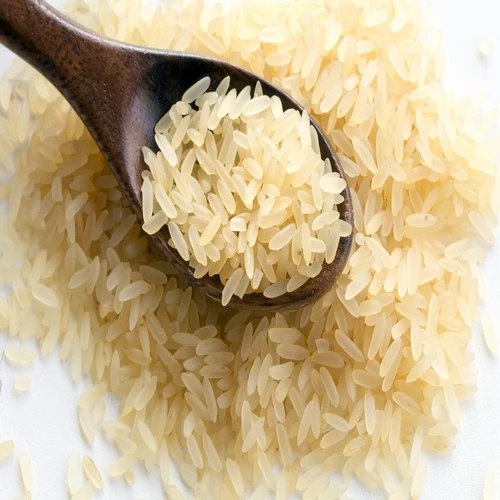
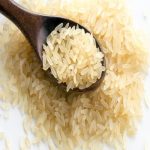
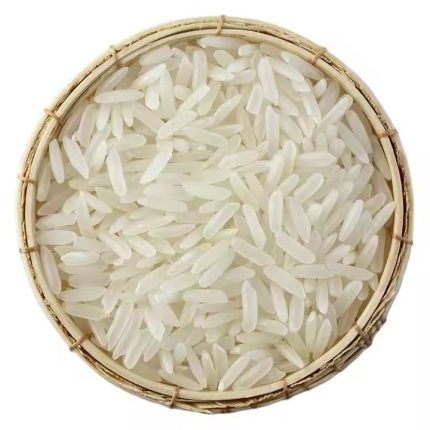
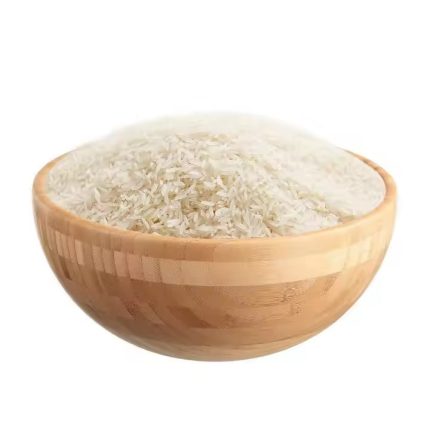
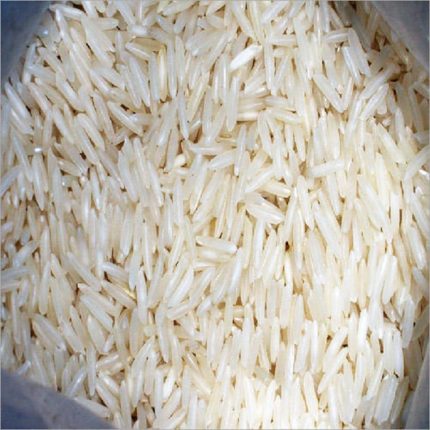
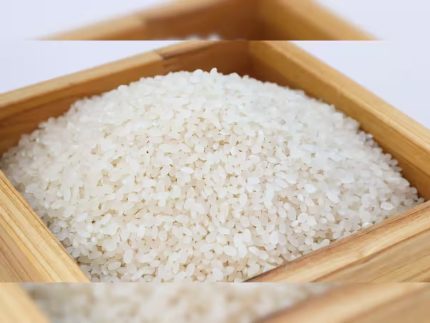
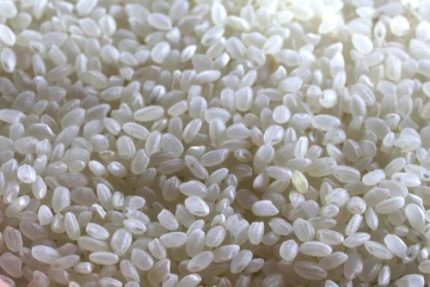
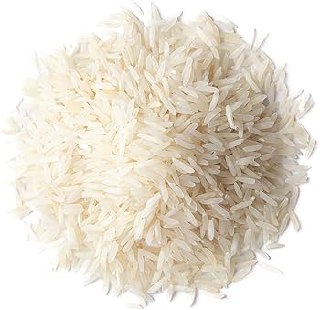
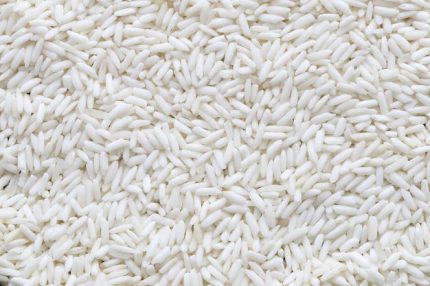
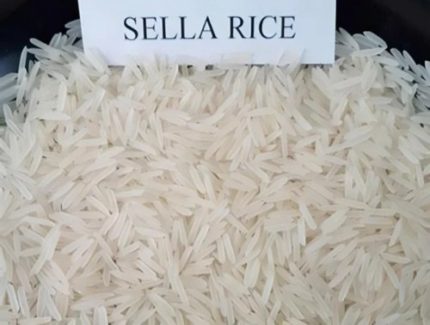
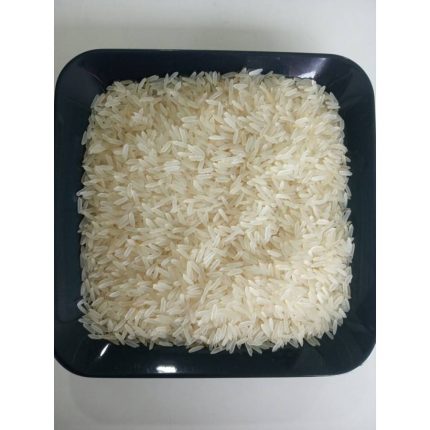
Parboiled rice, also referred to in trade as converted rice, undergoes a controlled hydrothermal process before milling: paddy is soaked, steamed under pressure, then dried and milled to the required finish. That sequence gelatinizes the starches inside the kernel and drives water-soluble nutrients inward from the bran layer before it is removed. The result is a long grain rice with firmer, more separate texture after cooking than standard white rice, a slightly amber hue on the raw grain, and measurably better resistance to overcooking. Those properties make it a preferred specification for institutional kitchens, foodservice distributors, and retail brands selling into markets where consistency across large batch cooking matters.
Karmenda Co. Ltd supplies parboiled rice as an international exporter based in Kenya. U.S. importers, wholesale distributors, and procurement teams sourcing bulk parboiled rice for redistribution or private label can request a quote directly through this listing.
Verified Product Specifications
The table below reflects the confirmed technical specification for this product. Buyers are encouraged to request a certificate of analysis or quality documentation for each shipment as standard due diligence.
| Parameter | Specification |
|---|---|
| Average Grain Length | 8.3 mm |
| Moisture Content | 13% max |
| Purity | 98% |
| Broken Grains | 1% max |
| Foreign Matter | 2% max |
| Under-milled and Red-striped Grains | 0.5% max |
| Paddy Grain | Nil |
| Sorting | 100% |
| Polishing Grade | Double / Pearl Finish / Silky Polished |
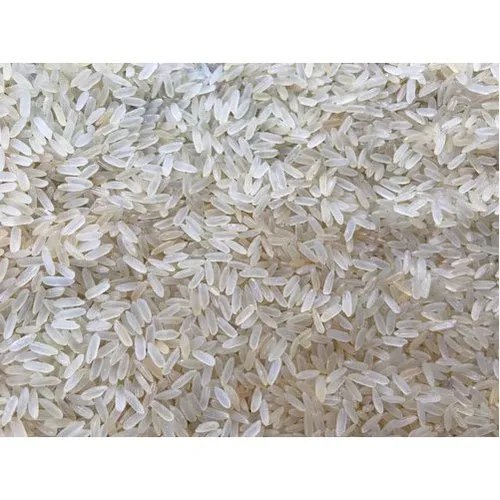
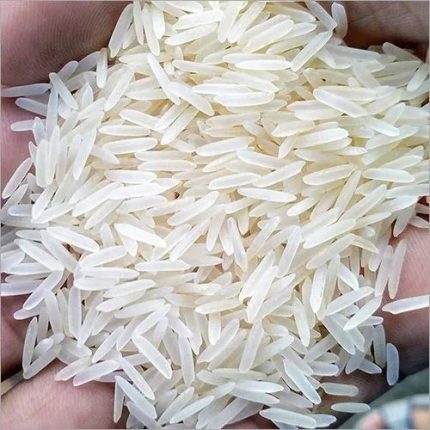
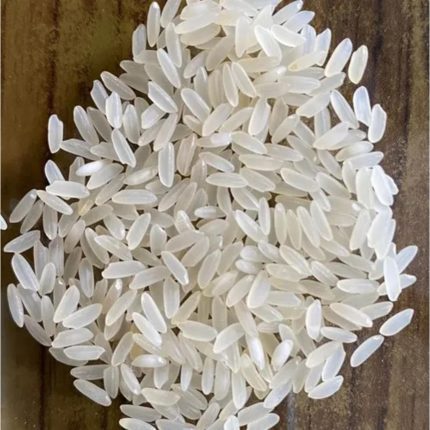
At 8.3 mm average grain length, this is a standard long-grain classification. The 98% purity level and nil paddy grain tolerance position it toward the cleaner end of commercially traded parboiled rice, which matters for buyers supplying retail shelf or institutional meal programs where presentation consistency is evaluated per batch.
Milling Grade and Finish Options
The polishing grade directly affects the surface appearance and cooking behavior of the finished grain. This product is available in double polished, pearl finish, and silky polished grades. Understanding the distinction between these helps procurement teams match the supply to their end-use channel.
Double Polished
The grain passes through polishing rollers twice, producing a cleaner surface with consistent sheen. This grade is typically preferred in foodservice and institutional supply where uniformity across a large batch is expected.
Pearl / Silky Finish
Pearl and silky polished grades carry a smoother, brighter surface appearance. These are common in retail-facing applications and private label programs where visual appeal on-shelf or in-pack matters to the end consumer.
Brown, Demi-White, and White Processing Stages
Buyers sourcing parboiled rice at scale often need clarity on where in the milling continuum their product sits. Parboiled rice can be stopped at the brown (whole grain, bran-on), demi-white (partially milled, some bran remaining), or fully milled white stage. This product is supplied at the white milled stage. Buyers requiring whole parboiled or partially milled product should specify this when requesting a quote, as it affects milling time, yield, and price.
How Parboiling Differs from Whole Brown and White Rice
Procurement teams sourcing rice at the commercial level regularly evaluate parboiled rice against standard white rice and whole brown rice. The distinctions are relevant both to end-consumer positioning and to functional performance in food production settings.
Parboiled vs. White Rice
Standard white rice is milled directly from paddy without a pre-steaming stage. Because no gelatinization occurs, the starch structure is softer, and overcooked batches tend to become sticky or clump together. Parboiled rice, having had its starch gelatinized before milling, holds grain separation better under extended holding times, which is why commercial and institutional kitchens often specify it. The nutrient profile is generally higher than standard white rice because the steaming step drives some minerals and B vitamins from the outer layers into the kernel before milling removes the bran.
Parboiled vs. Brown Rice
Whole grain brown rice retains the bran and germ, which shortens shelf life and extends cook time significantly. Parboiled rice in its white milled form has the bran removed but retains a portion of the nutritional benefit from the pre-steaming process. For high-volume buyers, this is a practical middle ground: longer shelf life and faster cook time than whole brown rice, with a cleaner grain profile and somewhat better nutrition retention than plain white rice. That positioning is commercially useful in both retail labeling and foodservice menu descriptions, though buyers should not make specific nutrition claims without verified lab data for the specific batch supplied.
Buyer Applications: Where This Grade Is Used
Long grain parboiled rice at this specification is used across a range of commercial and industrial settings in the U.S. market. Common buyer categories and the applications they source for include the following.
- Foodservice distributors: Supplying institutional kitchens, cafeterias, hospitals, and catering operations where rice is prepared in large volumes and must hold texture during service periods.
- Retail and private label repackagers: Buying bulk parboiled rice for repackaging into branded or store-brand consumer units sold through grocery chains and club stores.
- Food manufacturers and processors: Incorporating parboiled rice into packaged meal kits, frozen entrees, side dish blends, and rice-based products where pre-gelatinized grain behavior affects the final product texture.
- Ethnic grocery distributors: Serving communities across the U.S. that regularly cook with long grain converted rice in dishes from West African, South Asian, Caribbean, and Latin American culinary traditions.
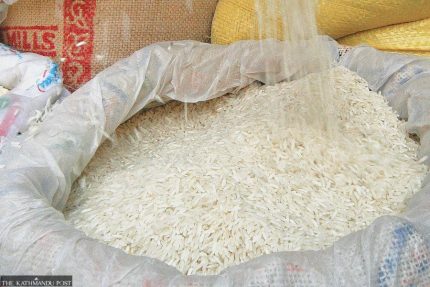
- Wholesale clubs and bulk retailers: Sourcing 25 lb, 50 lb, or larger format packs for direct consumer bulk sales.
The 100% sorted grade and nil paddy grain specification makes this product suitable for buyers who cannot accept significant additional cleaning before use, which is a practical consideration for repackagers and manufacturers working without in-house grain cleaning equipment.
Foodservice and Culinary Performance Notes
For buyers whose customers or culinary teams evaluate parboiled rice against a recipe-performance benchmark, the following is worth noting. Long grain parboiled rice performs consistently across a wide range of preparation methods because the gelatinized starch structure resists disintegration. It is commonly used as the base grain in dishes that require individual grain separation after cooking: rice pilafs, grain bowls, stuffed peppers, and rice-based salads. It also holds up well in brothy preparations such as chicken-and-rice soups, where standard white rice can lose its texture and turn the broth starchy during extended simmering.
In high-volume kitchens that rotate through a range of protein-and-grain combinations, the consistent performance of parboiled rice simplifies batch cooking. Whether a kitchen is plating alongside chicken au poivre or incorporating the rice into a heartier dish like a herbed white bean and sausage stew as a starch component, the grain’s resistance to overcooking reduces kitchen waste and portion inconsistency.
Foodservice operations evaluating parboiled rice for multi-use applications, from a simple chicken noodle accompaniment through to composed plates, will find that the firm grain texture and neutral flavor profile (less starchy sweetness than standard white, less nutty than brown) make it adaptable without dominating other flavors.
Important Information for U.S. Importers and Buyers
The following points are relevant to any U.S.-based buyer evaluating this product for import or large-format domestic purchase. They do not constitute legal or compliance advice; buyers should verify current regulatory requirements with their own import counsel or customs broker.
- FDA registration: Rice imported into the United States for human consumption must come from a facility registered with the U.S. Food and Drug Administration under the Bioterrorism Act. Buyers should confirm supplier registration status before finalizing purchase orders.
- Phytosanitary documentation: An official phytosanitary certificate is typically required by U.S. Customs and Border Protection for grain shipments. This is issued by the exporting country’s relevant agricultural authority.
- Prior Notice: FDA requires Prior Notice of all food shipments entering the United States. This must be submitted electronically before the shipment arrives at the U.S. port of entry.
- Labeling compliance: Buyers who intend to repackage this rice for U.S. retail sale must comply with FDA food labeling regulations, including net weight, country of origin, and nutritional panel requirements as applicable.
- Specification verification: The specifications listed on this page reflect declared product parameters. Buyers should request and retain a certificate of analysis per consignment as part of standard import quality control.
Bulk Purchasing and Wholesale Inquiry Process
This product is supplied for bulk and wholesale orders. Retail consumer-sized packs are not the primary offering from this listing. U.S. importers, distributors, and procurement teams looking to buy parboiled rice in volume should submit a trade inquiry specifying:
- Required quantity and desired pack format (bulk bags, 25 lb, 50 lb, or other)
- Polishing grade preference (double polished, pearl, or silky finish)
- Destination port and Incoterms preference
- Any specific documentation or certification requirements
- Target delivery timeline
Pricing is confirmed at the time of order based on current market conditions and shipment specifications. No pricing is published on this page as bulk export prices vary with volume, destination, and shipping terms. Contact Karmenda Co. Ltd directly to request a wholesale quote.
Frequently Asked Questions from Wholesale Buyers
What is the minimum order quantity for bulk parboiled rice?
Minimum order quantities for export shipments have not been published on this page. Contact us directly with your volume requirement and we will confirm availability and terms.
Can buyers specify polishing grade or milling stage?
Yes. This product is available in double polished, pearl finish, and silky polished grades at the white milled stage. Buyers who require a different milling stage, such as brown or demi-white, should state this in their inquiry so we can confirm availability and pricing.
What documentation is provided for U.S. import shipments?
Standard export documentation for U.S.-bound shipments typically includes a phytosanitary certificate, certificate of origin, packing list, and commercial invoice. Buyers requiring additional documentation such as a certificate of analysis should specify this at the time of order. Karmenda Co. Ltd does not guarantee any specific certification without prior confirmation in writing.
Is this rice suitable for private label retail repackaging in the U.S.?
The grain specification, purity level, and sorting standard are consistent with material used in private label programs. However, buyers are responsible for ensuring that any retail packaging, labeling, and nutritional claims comply with applicable FDA requirements for the U.S. market.
How does parboiled rice differ from converted rice on U.S. product labels?
The terms parboiled rice and converted rice refer to the same product type. In the U.S. retail market, the term “converted rice” has historically been used by some brands, while “parboiled rice” is the standard trade and commodity term used in import and wholesale sourcing. The underlying process, pre-steaming in the husk before milling, is identical.
For further details on Authoritative reference relevant to buyer guidance, standards or compliance, consult Regulations.gov.
For further details on Authoritative reference relevant to buyer guidance, standards or compliance, consult The Official Web Site for The State of New.
For further details on Authoritative reference relevant to buyer guidance, standards or compliance, consult World Meteorological Organization WMO: Homepage.





Reviews
There are no reviews yet.