

What Is Jasmine Rice? A Buyer-Relevant Overview
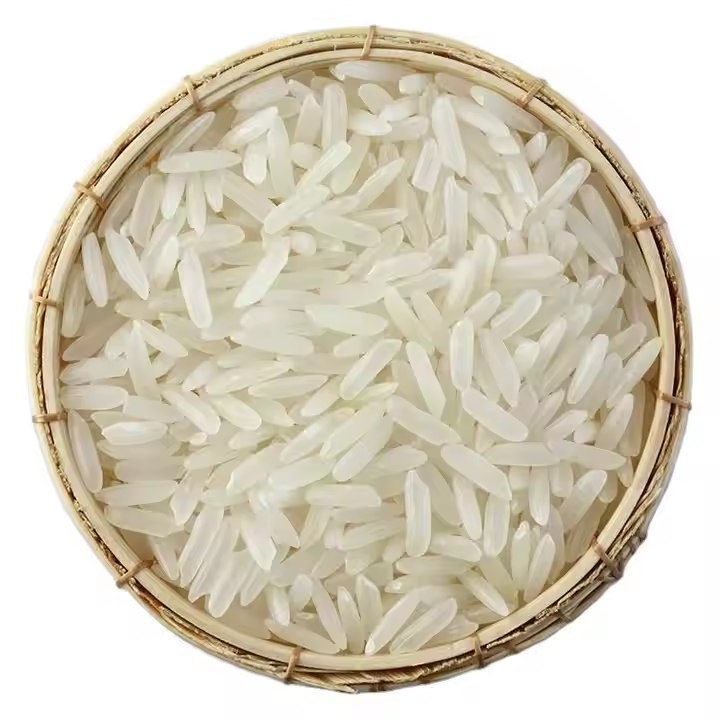
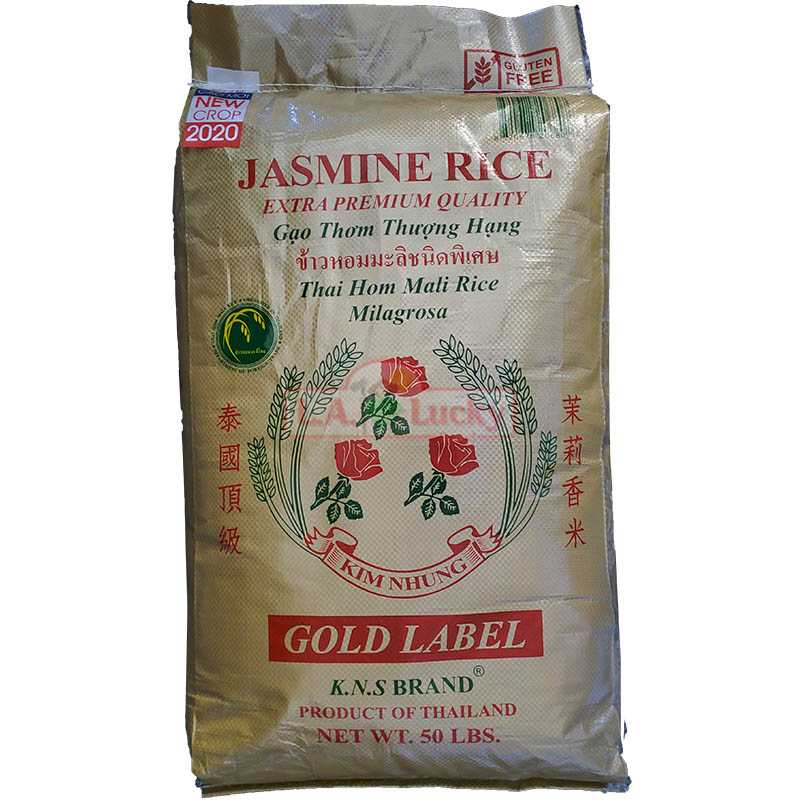
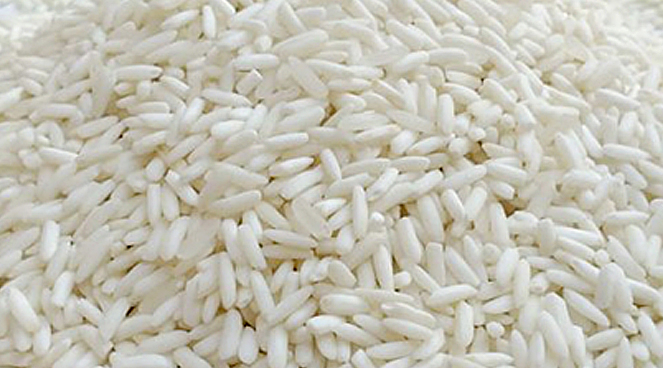
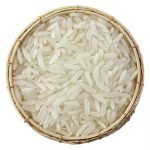
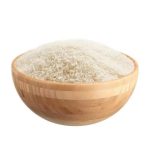
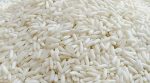
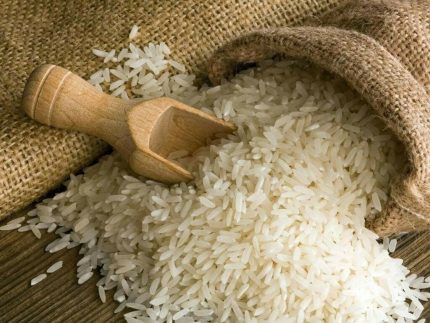
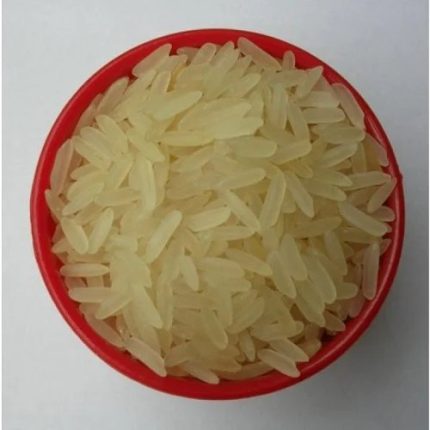
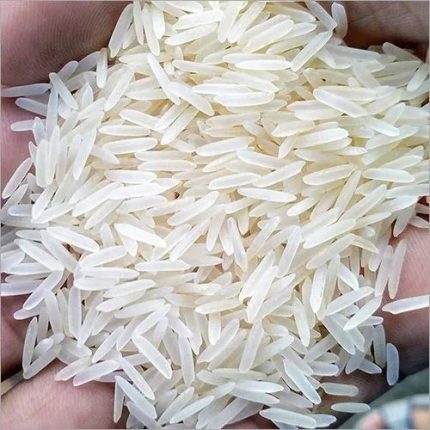
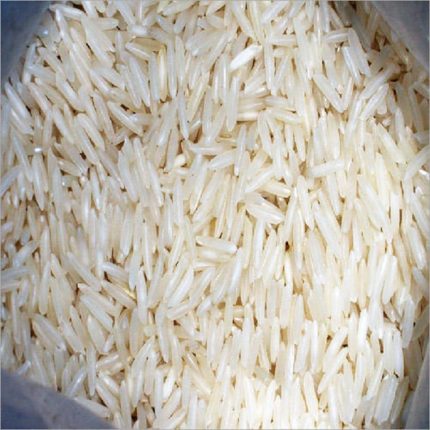
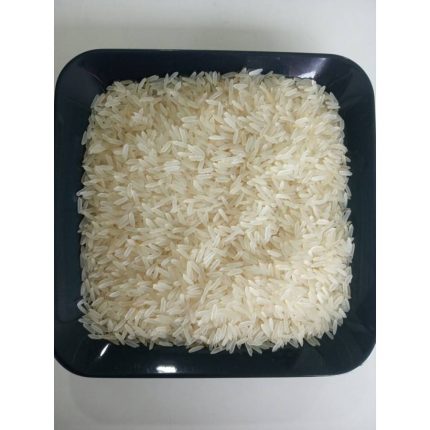
Jasmine rice is a long-grain aromatic rice variety, known in Thai as Khao Hom Mali, belonging to the broader family of fragrant or aromatic rices that also includes basmati. According to its documented history, it is a long-grain variety of fragrant rice that originated and is primarily cultivated in Southeast Asia. The grain is slender, with a minimum whole-kernel length of 6.8 mm in our graded export lots, and cooks to a soft, white, slightly moist texture with a mild floral aroma. That aromatic character comes from naturally occurring 2-acetyl-1-pyrroline compounds in the grain, the same compound responsible for the scent of basmati, though the two varieties differ significantly in texture and moisture behavior after cooking.
For U.S. importers, distributors and food manufacturers sourcing jasmine rice in bulk, understanding grade definitions and milling standards is the practical starting point. Our offering is well-milled and double-polished white jasmine rice from new crop, supplied under verified export specifications that can be adjusted to match buyer requirements.
Export Grade Specifications
The table below summarizes the graded parameters for this lot. All values represent maximum limits unless otherwise stated.
| Parameter | Specification |
|---|---|
| Broken kernels (max) | 5.0% |
| Purity – Jasmine Rice (min) | 85.0% |
| Moisture (max) | 14.0% |
| Foreign matter (max) | 0.1% |
| Chalky kernels (max) | 3.0% |
| Damaged kernels (max) | 0.5% |
| Immature kernels (max) | 0.1% |
| Red and streaked kernels (max) | 0.5% |
| Yellow kernels (max) | 0.5% |
| Paddy grain (max) | 5 grains/kg (loose) / 50 grains/kg (bagged) |
| Average whole-grain length (min) | 6.8 mm |
| Milling degree | Well milled and double polished |
| Crop | New |
Specifications are adjustable on request. Buyers sourcing for retail private-label, food service distribution or ingredient manufacturing can specify tighter tolerances, adjusted purity thresholds or alternative grain-length bands. Contact our team with your target specification sheet for a matched quotation.
White Jasmine Rice Varieties and Grade Distinctions
White Jasmine vs. Brown Jasmine
The standard commercial export form is white jasmine rice, where the bran and germ layers have been removed through milling. This is the form covered by these specifications. Brown jasmine rice retains the bran layer and carries a different flavor profile and shelf-life behavior, which affects storage and distribution logistics. Our current export lot is white jasmine, well milled and double polished for consistent appearance and cook quality.
Thai Hom Mali and Related Varieties
Thai Hom Mali is the most widely recognized commercial designation for export jasmine rice. The name refers to jasmine-type fragrant long-grain rice grown under Thai agricultural standards. Pathumthani rice is a related Thai fragrant variety with slightly different grain characteristics. Buyers importing under FDA import alert requirements or setting quality specs for private-label programs should confirm variety designations and country-of-origin documentation with our export team before finalizing purchase orders. Our Thai Hom Mali Rice is listed separately for buyers sourcing that specific designation.
Jasmine Rice vs. Basmati: What Procurement Teams Need to Know
Both jasmine and basmati belong to the aromatic long-grain rice category, but they behave differently after cooking and serve different end markets. Jasmine cooks soft and slightly moist, with grains that cling lightly together. Basmati elongates more dramatically during cooking and stays drier and more separate. For Asian cuisine formats, rice bowls, Thai-inspired foodservice applications and packaged steam-in-bag products, jasmine is typically the preferred specification. Buyers substituting between the two in a formulation should verify water absorption ratios and cooked grain texture expectations before switching suppliers. See our 1121 Basmati Rice listing for comparison specifications.
Cooking Reference Data for End-User Labeling and Foodservice Buyers
U.S. food manufacturers, co-packers and private-label distributors often need baseline cooking data to populate product labels, recipe cards and foodservice prep guides. The notes below are drawn from publicly cited cooking guidance and are intended as reference information, not guaranteed cooking results, since actual outcomes depend on equipment, altitude, water quality and grain lot variation.
Water Ratio for Stovetop Cooking
Jasmine rice requires less water than many other long-grain white rices because of its softer texture. Widely cited stovetop guidance recommends approximately 1.25 cups of water per 1 cup of raw jasmine rice, which is lower than ratios commonly listed on standard long-grain white rice packages. Buyers developing label copy or foodservice prep sheets should verify ratios against their specific lot and cooking equipment, as moisture content variation within the 14% max specification will influence absorption.
Rice Cooker Water Ratio
In a standard rice cooker, a similar 1:1.25 ratio applies, though many rice cooker manufacturers include their own calibration markings. Commercial rice cookers used in foodservice typically run slightly different cycles than domestic units. Buyers supplying institutional kitchens or restaurant chains may want to provide tested ratios for their specific equipment.
Instant Pot and Pressure Cooker Cooking
Pressure cooking reduces cooking time significantly and changes the water absorption dynamic. A common starting point for pressure cooker jasmine rice is a 1:1 rice-to-water ratio, with a short natural pressure release. Buyers developing ready-to-eat or par-cooked jasmine rice products for retail should conduct their own formulation trials.
Should Jasmine Rice Be Soaked Before Cooking?
For well-milled white jasmine rice at this grade, soaking is generally not required before cooking. The double-polished milling degree means the grain surface is clean and starch absorption during cooking is predictable without pre-soaking. Some culinary traditions recommend a brief rinse rather than a soak, primarily to remove any surface starch dust accumulated during milling and packaging. Whether to specify rinsed or unrinsed on label copy is a formulation decision for the buyer’s product development team.
Applications: Where Jasmine White Rice Is Used Commercially
Jasmine rice occupies a defined position in the U.S. specialty rice market, with demand spread across several distribution channels and end-use formats. Understanding where the volume goes helps importers and distributors position their purchasing quantities.
- Asian-cuisine foodservice: Thai, Vietnamese, pan-Asian and fusion restaurants represent a consistent bulk demand channel. Jasmine is frequently the house rice for these operations because of its aroma and texture compatibility with curries, stir-fries and grilled proteins.
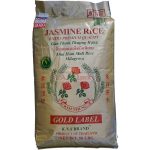
- Retail private label: Grocery chains and warehouse clubs source jasmine rice in bulk for bagged private-label product lines, typically in 2 lb, 5 lb, 10 lb and 25 lb retail formats.
- Frozen and prepared meals: Food manufacturers use jasmine rice as a base ingredient in frozen rice bowls, steam-in-bag products, meal kits and co-packed ready meals sold through retail and foodservice distribution.
- Ethnic specialty retail: Asian grocery chains, international food distributors and specialty importers carry jasmine rice across multiple pack sizes for consumer retail.
- Institutional food supply: Schools, hospitals and correctional facilities procuring through GPO or broadline distributors sometimes specify jasmine rice for diversity in grain offerings.
Recipe Applications Relevant to Buyer Categories
End-use recipe applications signal demand context for procurement teams sourcing jasmine rice for specific customer segments. The grain’s soft, slightly sticky cooked texture makes it suitable for dishes where grains need to hold together lightly, such as rice bowls, fried rice, mango sticky rice preparations and coconut rice. Its aroma is compatible with spiced and sauced dishes, including curry formats, where a neutral-tasting rice would feel underpowered. Foodservice buyers supplying Thai, Vietnamese or pan-Asian restaurant chains will find jasmine rice the expected specification for these formats.
For food manufacturers developing frozen meal SKUs, jasmine rice holds its texture reasonably well through freezing and reheating cycles compared to some other long-grain varieties, though buyers should verify performance against their specific production process. Buyers sourcing for fried rice production specifically may find our Long Grain White Rice or Parboiled Rice worth comparing, as parboiled and certain long-grain varieties behave differently in high-heat stir-fry applications.
Supply Capacity, Pricing and Procurement Process
Our monthly export supply capacity for jasmine rice is 12,000 metric tons. This volume supports importers, trading companies, commodity brokers and large-scale food manufacturers requiring consistent monthly shipment schedules. Smaller trial orders and initial sample shipments can be discussed as part of the qualification process.
Jasmine rice pricing varies with global commodity conditions, crop season, shipment volume, packaging format and quality specification. We do not list a fixed price here because the jasmine rice market is subject to regular movement based on harvest forecasts and freight conditions. U.S. buyers comparing jasmine rice price from various origins should request a formal quotation with specification sheet, incoterm, port of loading and target delivery details included. Our export documentation covers standard international trade requirements including phytosanitary certificates, certificate of origin, bill of lading, commercial invoice and packing list. Additional certification requirements from U.S. importers can be discussed on inquiry.
Packing, inspection, payment terms and shipment scheduling are all addressed in our export terms. Contact us directly to receive a detailed quotation matched to your specification, volume and delivery timeline. View the full Rice export catalog for related products.


Reviews
There are no reviews yet.