

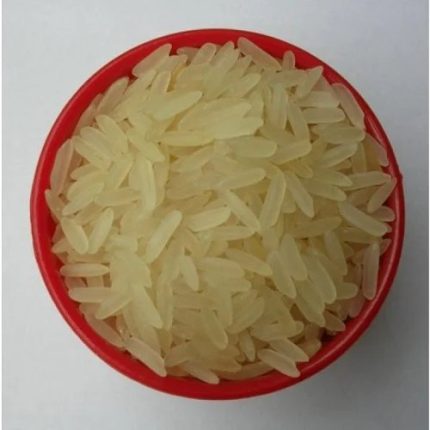
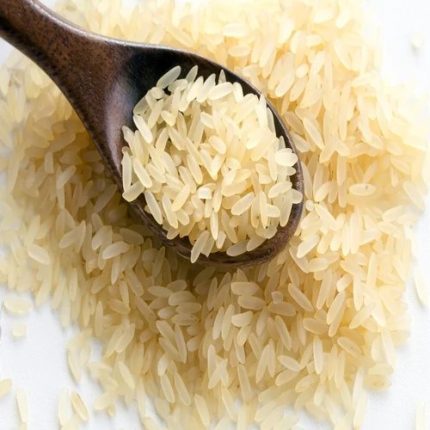
Export-Grade Long Grain White Rice for Bulk Sourcing
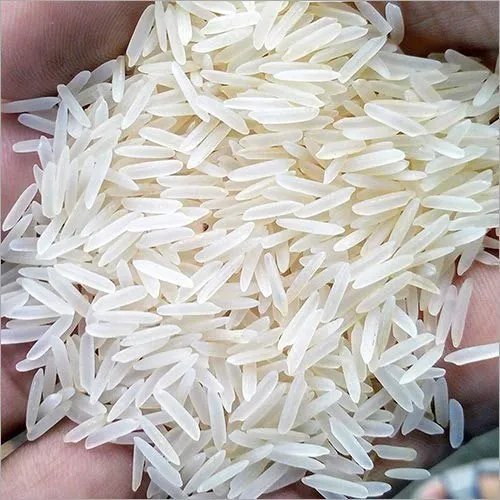
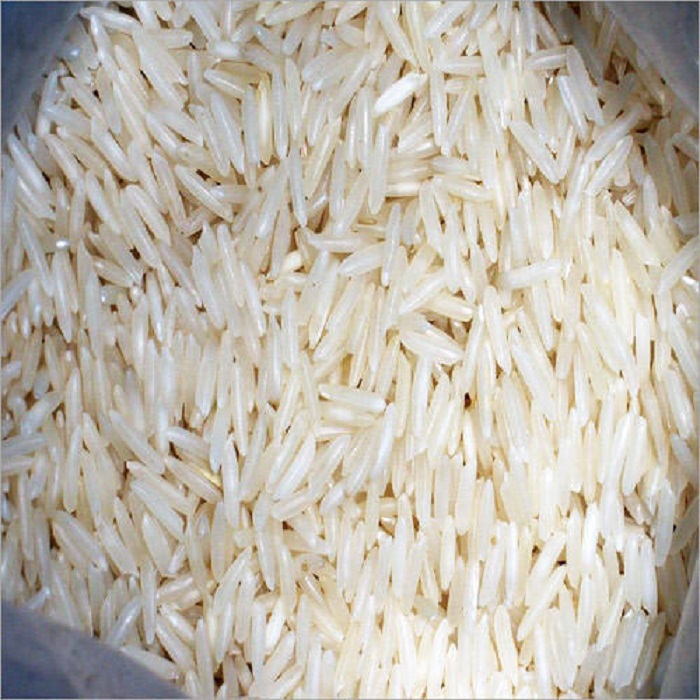
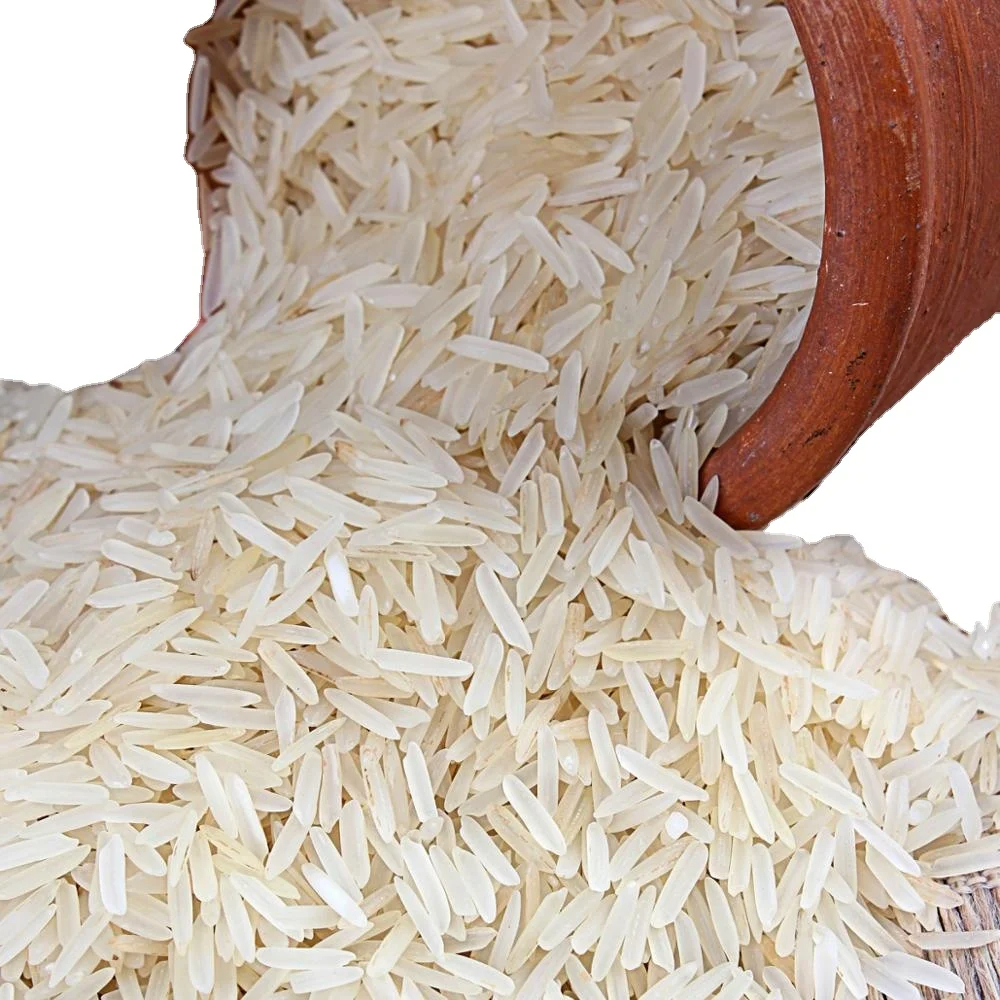
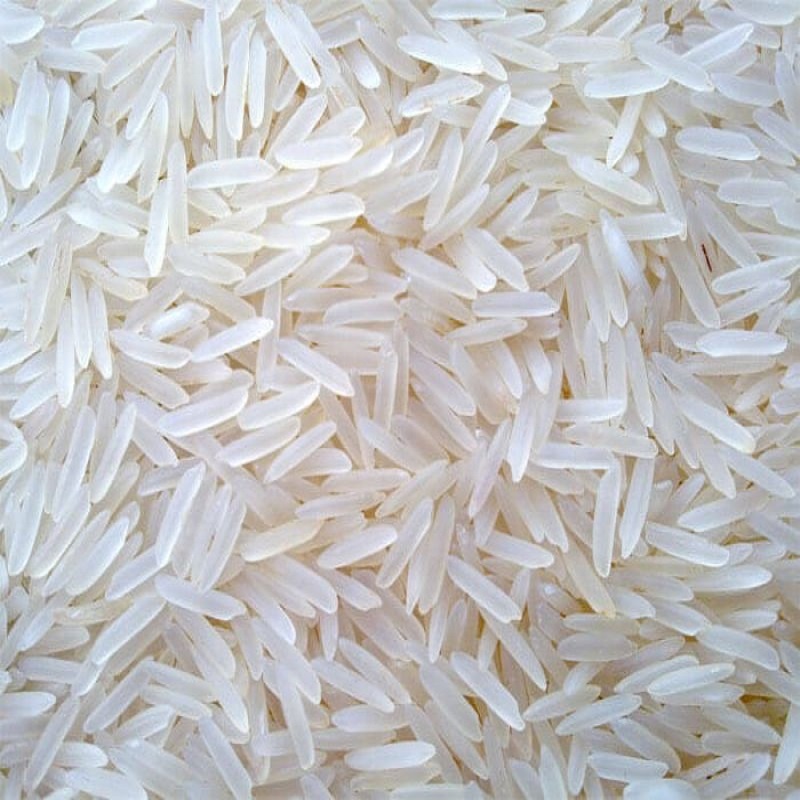
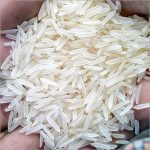
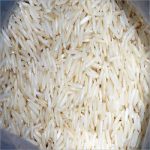
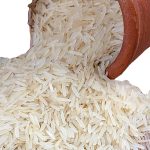
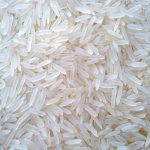
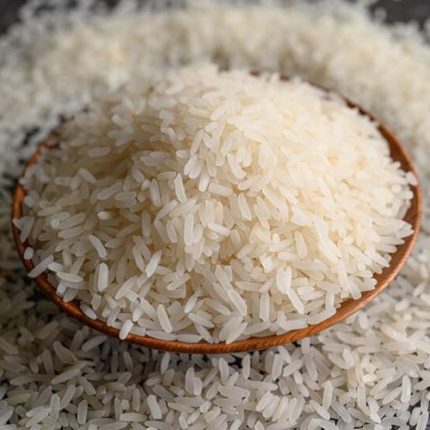
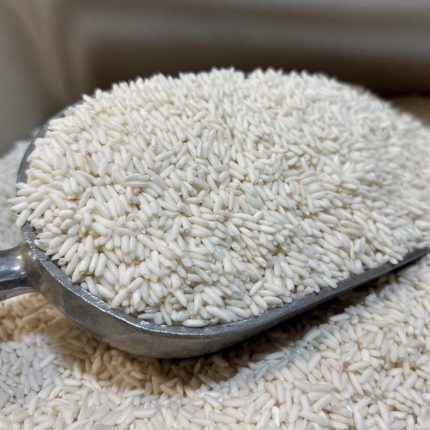
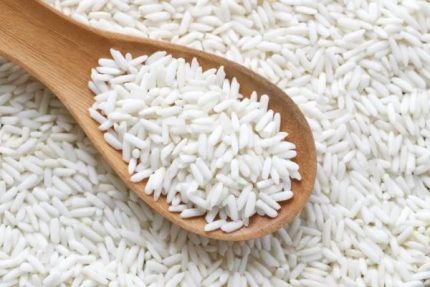
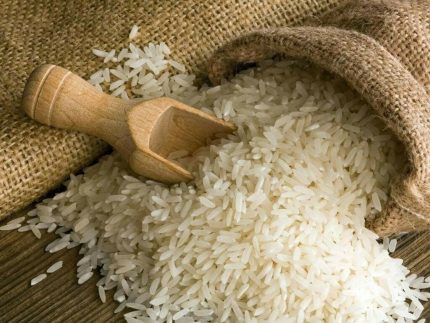
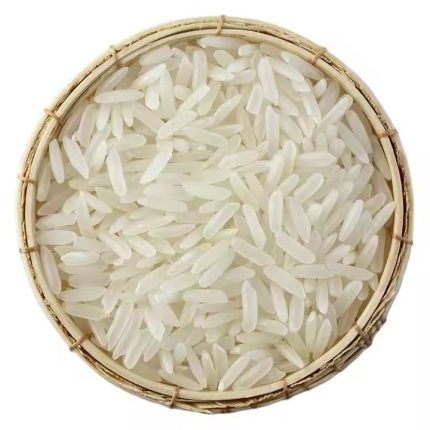
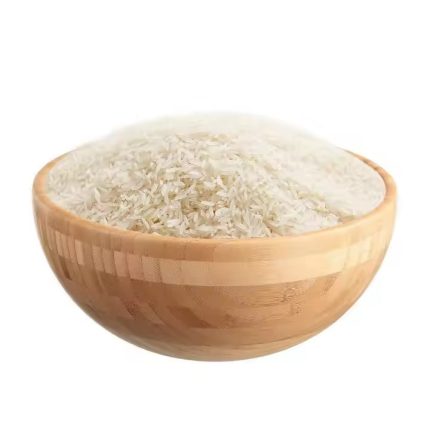
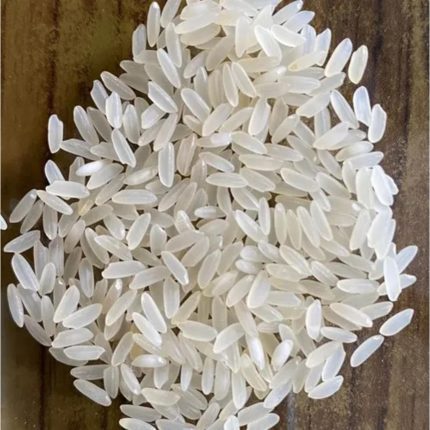
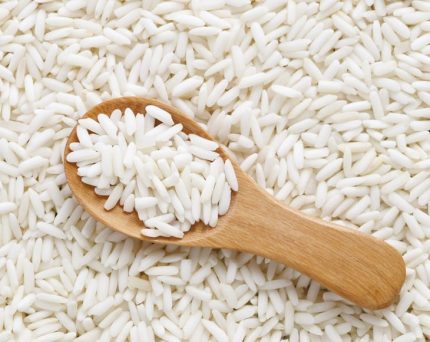
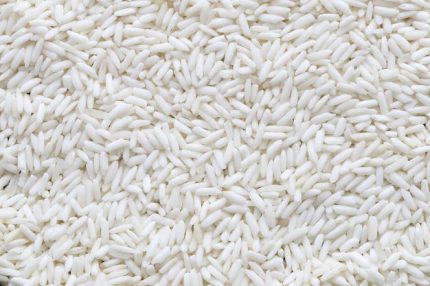
This long grain white rice is supplied as a well milled and double polished product milled to defined commercial tolerances. Kernel length runs between 5.8 and 6.5 mm, which places it firmly within the extra-long grain range that U.S. food manufacturers, institutional buyers, and rice distributors require for consistent processing results. The grain separates cleanly after cooking and holds its structure across a wide range of food-service and manufacturing applications.
Procurement teams evaluating bulk long grain white rice price and supply reliability will find the full milling specifications documented below. Pricing is available on request and is determined by volume, packing format, and shipping terms.
Verified Milling Specifications
The figures below are drawn directly from the product specification sheet. U.S. importers and quality assurance teams should review these against their own purchase order tolerances before submitting an inquiry.
| Parameter | Specification |
|---|---|
| Broken kernels (max, basic 3/4) | 5% |
| Average moisture (max) | 14.5% |
| Foreign matter (max) | 0.3% |
| Damaged kernels (max) | 0.3% |
| Yellow kernels (max) | 0.5% |
| Chalky kernels (max, basic 3/4) | 6% |
| Red and red-streaked kernels (max) | 2% |
| Glutinous kernels (max) | 1.5% |
| Immature kernels (max) | 0.2% |
| Average whole kernel length (min) | 5.8–6.5 mm |
| Paddy grains (max per 1 kg) | 8 grains |
| Crop year | Current |
| Mill degree | Well milled, double polished |
These parameters reflect standard commercial-grade long grain white rice tolerances recognized across international grain trade. Buyers with tighter tolerances for specific end uses should note the broken kernel and chalky kernel limits when comparing against their own contract specifications.
What Buyers Look for in Long Grain White Rice Quality
Commercial buyers distinguishing grain quality across origins typically focus on three practical indicators: kernel length and uniformity, broken percentage, and mill degree. Each affects downstream processing yields and end-product appearance differently.
Kernel Length and Grain Integrity
A minimum whole kernel length of 5.8 mm is the lower boundary of what the U.S. market commonly classifies as long grain. At 6.5 mm on the upper end, this product sits within specifications that food processors require when producing packaged rice for retail or institutional distribution. Double polishing removes surface bran residue more completely than single milling, which matters both for visual presentation and for moisture stability during storage and transit.
Broken Percentage and Processing Yield
A maximum 5% broken rate at the basic 3/4 fraction is a workable commercial tolerance for most industrial buyers. Processors converting rice into packaged consumer formats, meal kits, or food-service portions need predictable broken percentages because high breakage lowers usable yield and increases sorting cost. At 0.3%, the foreign matter and damaged kernel limits are conservative, reflecting a well-controlled milling operation.
Moisture and Storage Stability
The 14.5% maximum moisture specification is within the range required for safe bulk ocean shipping without accelerated spoilage. Buyers arranging FCL (full container load) shipments should confirm moisture at loading with phytosanitary documentation, which is standard practice for grain exports destined for U.S. ports.
Wholesale and Bulk Ordering: What to Confirm Before You Inquire
U.S. importers, distributors, and food manufacturers sourcing long grain white rice in bulk should come prepared with a few specifics that will allow a supplier to return an accurate price and lead time.
- Volume per shipment: FCL quantities (typically 20 MT or 25 MT per 20-foot container) determine the per-unit price. Pallet or partial-load inquiries may carry different terms.
- Packing format: Common export formats include 25 kg PP woven bags, 50 kg bags, and 1 MT bulk sacks. Retail-ready or private-label packaging requirements should be stated upfront.
- Incoterms preference: FOB, CIF, and CNF are all workable depending on whether your logistics team handles freight or prefers a delivered cost basis.
- Documentation requirements: U.S. FDA import compliance, phytosanitary certificates, certificate of origin, and fumigation certificates are standard. Any additional state-level or buyer-specific documentation should be listed in your RFQ.
- Certification requirements: Note that no USDA organic, non-GMO, or regenerative organic certification is claimed for this product. Buyers sourcing certified grain for specific U.S. market segments should specify that requirement separately.
Contact us using the inquiry form to request a current long grain white rice price based on your volume, destination port, and packing requirements.
Applicable End Markets and Food Industry Uses
Long grain white rice in this specification range is used across several distinct segments of the U.S. food industry. Understanding where this grade fits helps buyers confirm the product is appropriate for their application before committing to a trial shipment.
Food Manufacturing and Co-Packing
Manufacturers producing packaged rice, rice-based side dishes, rice blends, and similar products require consistent kernel geometry and low broken rates. The 5.8–6.5 mm length range and well milled finish make this grade suitable for line production where visual uniformity affects shelf appearance and consumer perception.
Institutional and Food-Service Distribution
Institutional kitchens, hospital systems, school food programs, and restaurant chains sourcing bulk white rice prioritize moisture-stable, low-foreign-matter grain. The 0.3% foreign matter limit and 14.5% moisture ceiling align with food-safety expectations for large-volume cooking operations.
Private Label Retail Repackaging
Distributors repackaging rice into branded or private-label retail formats typically require double-polished grain with minimal yellow or damaged kernels to maintain appearance standards. At 0.5% yellow kernel maximum and 0.3% damaged kernel maximum, this product supports private label applications where visual quality standards are enforced at retail level.
Ethnic and Specialty Grocery Distribution
Long grain white rice is the base grain in a large portion of African, Caribbean, Southeast Asian, and Latin American cuisine sold through specialty and ethnic grocery channels in the United States. Distributors serving these retail accounts need predictable grain dimensions and clean polishing, both of which this specification supports. Buyers comparing this against jasmine or aromatic rice variants should note that this is a non-aromatic, neutral-flavor long grain product suited for broad culinary applications rather than cuisine-specific grain types.
Certification and Compliance Notes for U.S. Importers
Several certification categories appear frequently when U.S. buyers search for long grain white rice. The following clarifies what applies to this product and what does not, based on available information.
- USDA Organic: This product is not listed as USDA certified organic. Buyers requiring certified organic grain for natural food retail or food manufacturing should specify this in their inquiry, as it represents a separate procurement stream.
- Regenerative Organic Certified: No regenerative organic certification is claimed. This distinction matters for buyers supplying retailers or brands with sustainability sourcing commitments.
- Gluten-free status: Rice is naturally gluten-free, but a formal gluten-free certification (such as GFCO) has not been claimed for this product. Buyers supplying dedicated gluten-free product lines should confirm certification status before use in certified formulations.
- Non-GMO: No non-GMO verification claim is made. Long grain white rice varieties are generally not commercially produced from GMO seed in most origins, but formal verification through a recognized program (such as the Non-GMO Project) has not been stated.
- Phytosanitary and export documentation: Standard export documentation including phytosanitary certificates and certificates of origin is applicable for rice exports. Buyers should confirm specific documentation requirements for their port of entry.
Request a Bulk Price and Export Quote
Long grain white rice wholesale price varies with volume, packing format, destination port, and shipping terms. No fixed retail price applies to bulk B2B orders. Submit a sourcing inquiry with your target volume, required packing, preferred Incoterms, and destination port to receive a current price indication and lead time estimate. Our team handles export documentation and can advise on container loading capacities for your specific packing format.
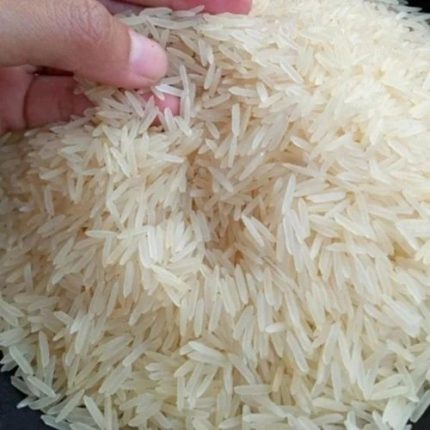
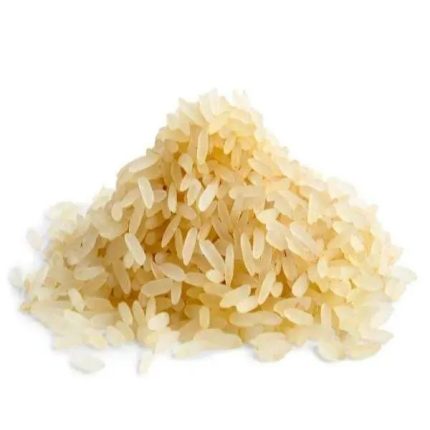
Buyers sourcing multiple rice varieties can also review related products including our Long Grain Parboiled Rice and White Sella Basmati Rice to consolidate grain sourcing across a single export relationship.
Frequently Asked Questions
For further details on Authoritative reference relevant to buyer guidance, standards or compliance, consult Regulations.gov.


Reviews
There are no reviews yet.