

What U.S. Buyers Need to Know About Glutinous Rice
Glutinous rice is classified under Oryza sativa var. glutinosa and is distinct from standard japonica or long-grain indica rice in one critical way: its starch composition is almost entirely amylopectin, with very low amylose content. That chemistry produces the dense, sticky, translucent texture that food processors and restaurant supply buyers specifically require. The term “glutinous” derives from the Latin glūtinōsus, meaning glue-like, and carries no connection to gluten proteins. Glutinous rice is naturally gluten-free, which is a selling point for U.S. distributors serving allergen-conscious retail channels.
Importers comparing this variety against non-glutinous japonica rice should note that while standard japonica can become slightly sticky when cooked, it lacks the full cohesive bind that glutinous strains produce. For applications requiring that functional texture, only true glutinous varieties qualify. Merriam-Webster defines glutinous rice as a cultivated short-grain rice that is plump and sticky when cooked, which reinforces the ingredient identity buyers need to confirm with their own specifications.
Strain Types and Grain Profiles
Procurement teams evaluating glutinous rice for wholesale sourcing will encounter three principal strain groups. Each behaves differently in processing and finished-product applications.
Japonica Glutinous Strains
Shorter, rounder grains with very high cohesion. Common in East Asian applications including Japanese mochi, Korean tteok (rice cakes) and Chinese lo mai fan. These strains dominate markets in Japan, Korea, China and Taiwan.
Indica Glutinous Strains
Longer grains relative to japonica, still opaque when raw. Grown across parts of Southeast Asia and South Asia. Used in both sweet and savory preparations including Thai mango sticky rice, Vietnamese xoi and certain Indian festival dishes.
Tropical Japonica Glutinous Strains
Grown across the Mekong River Valley region, including Laos and northeastern Thailand. Laos produces an estimated 85% of its rice output as glutinous varieties, and modern higher-yield strains developed through the Lao National Rice Research Programme have been widely adopted since the 1990s. These tropical japonica strains are the benchmark for Southeast Asian sticky rice applications.
Buyers specifying grain type for private-label or food-service procurement should confirm whether japonica, indica or tropical japonica better matches their application, as grain length, cook time and final texture differ between these groups.
Commercial Applications That Drive Wholesale Demand
Understanding end-use drives the sourcing decision. U.S. importers typically purchase glutinous rice for one or more of the following channels.
Food Manufacturing and Processing
Mochi production, rice cake manufacturing, dumpling filling (zongzi / lo mai gai), glutinous rice flour milling and fermented rice wine (sake, Korean makgeolli, Chinese jiuniang) all depend on high-amylopectin glutinous varieties. Processors sourcing for these applications prioritize consistent grain size, low broken percentage and stable moisture content.
Foodservice and Restaurant Supply
Thai, Lao, Vietnamese, Chinese and Korean restaurant operators in the U.S. treat glutinous rice as a staple ingredient. Sticky rice is central to traditional Lao cuisine, where the grains are shaped into small balls and served alongside dipping sauces. Foodservice distributors supplying Asian restaurant groups often procure in 25 kg, 50 lb or full pallet quantities.
Asian Grocery and Specialty Retail
Retail packs from 4 lb to 10 lb move through Asian grocery chains and specialty supermarkets. Wholesale distributors supplying these outlets look for consistent product identity, reliable labeling and the ability to buy at volume to support margin targets across multiple retail SKUs.
Grain Characteristics and Quality Parameters
Buyers issuing purchase orders or requesting quotations should benchmark quality against parameters that affect processing performance and retail presentation.
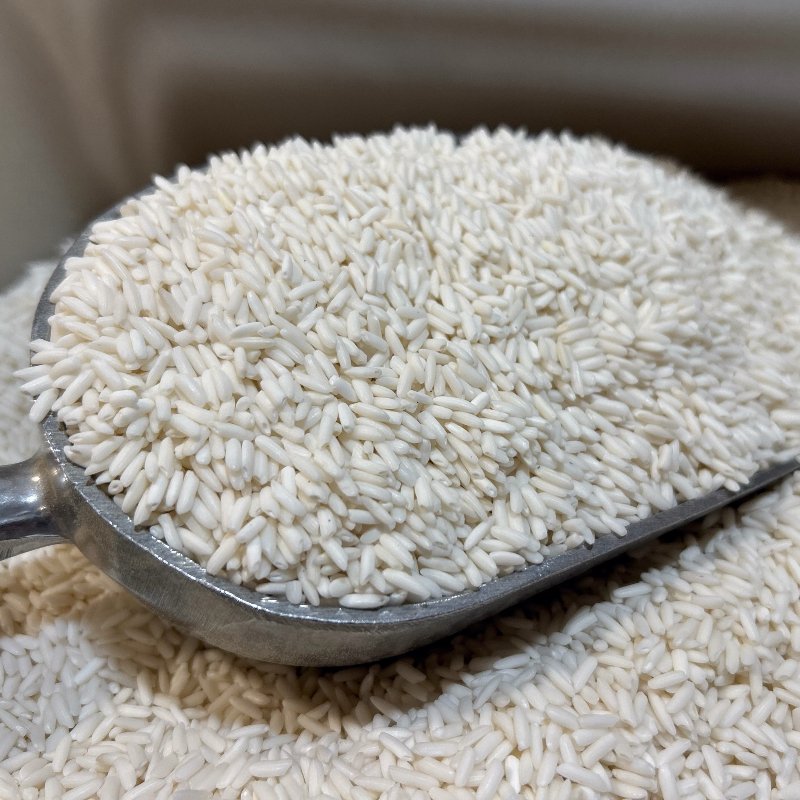
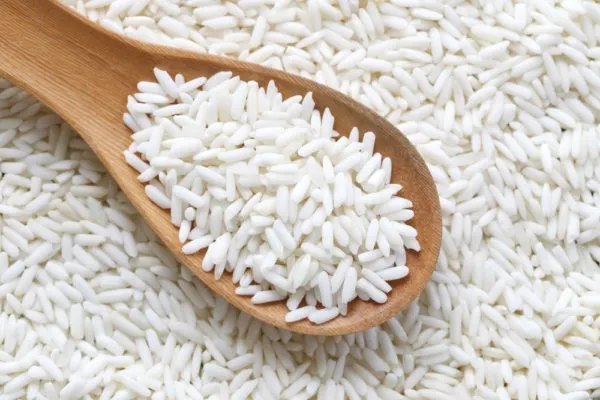
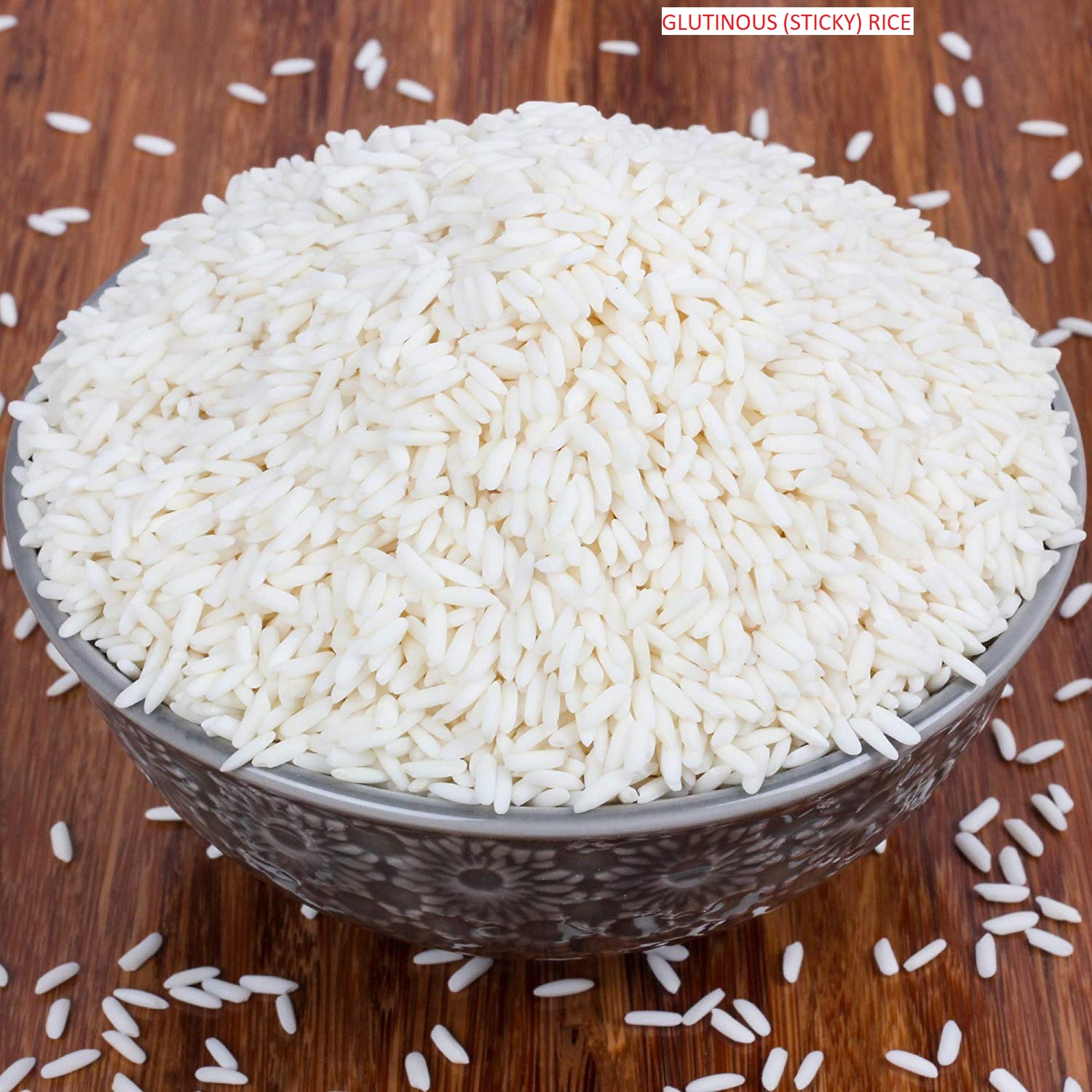
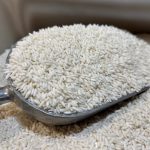
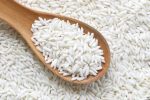
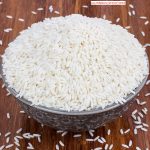
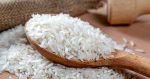
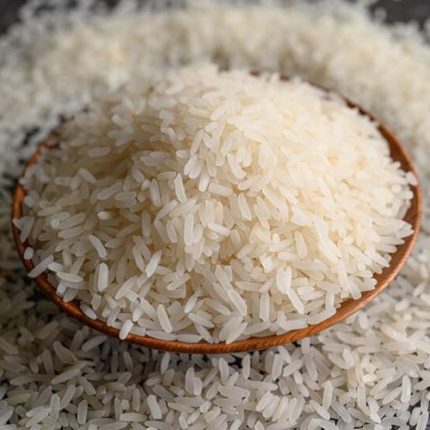
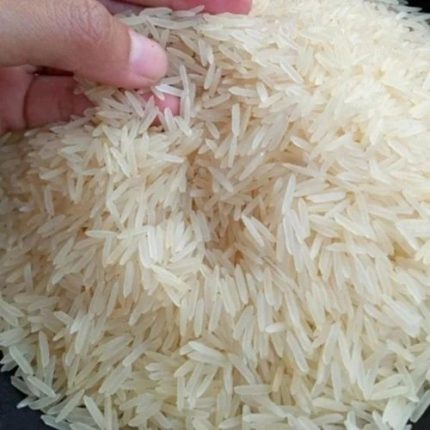
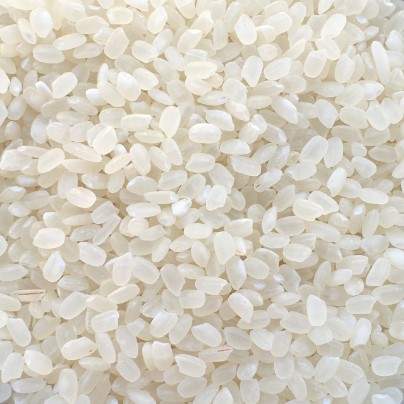
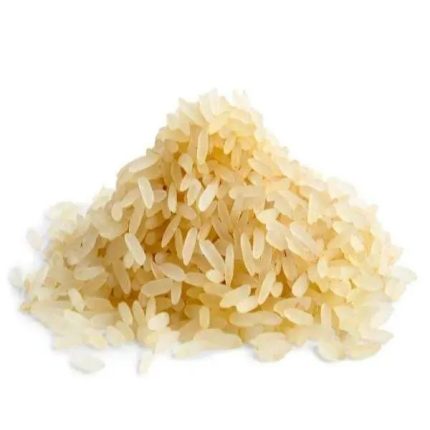
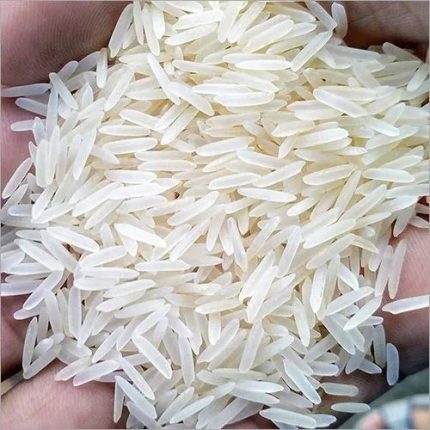
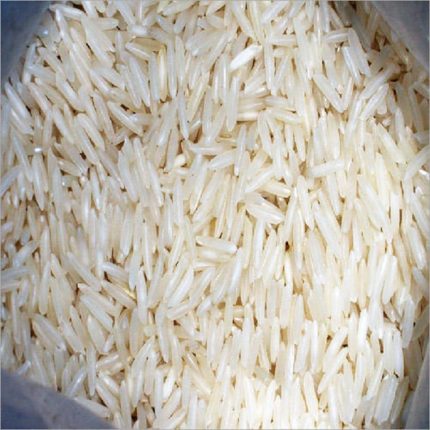
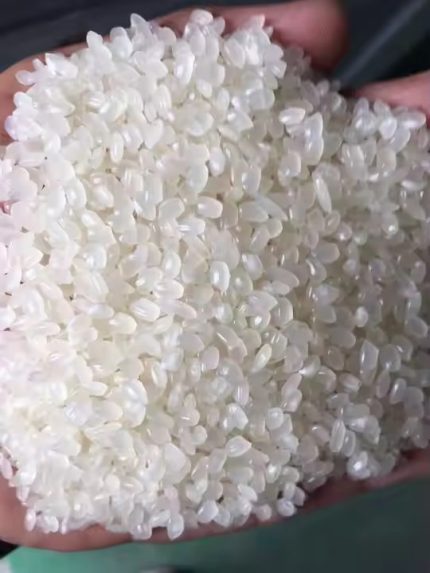
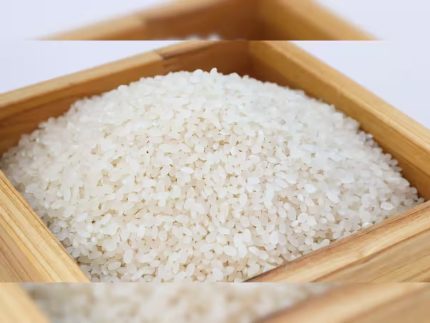
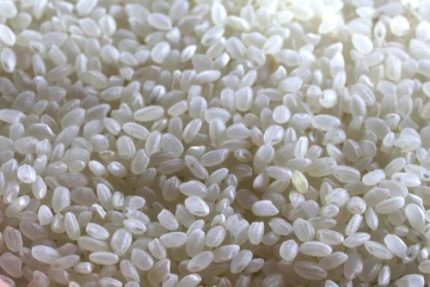
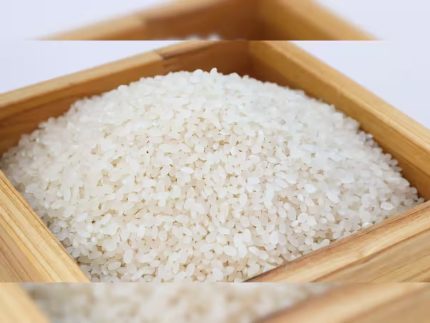
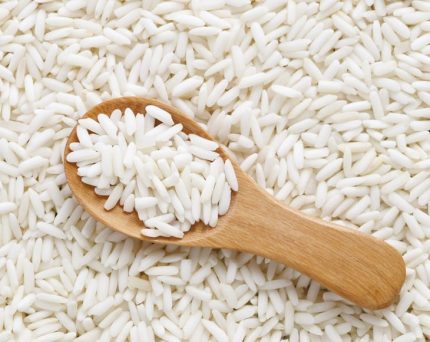
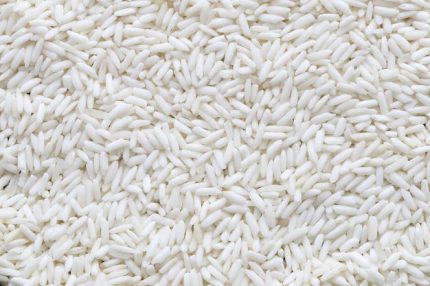
- Grain appearance: Raw glutinous rice grains are opaque and chalky white, distinguishing them visually from translucent non-glutinous rice.
- Amylose content: Very low (typically below 2%), which drives the characteristic cooking texture.
- Broken grain percentage: A key quality indicator for processors; lower broken rates reduce waste and improve cook consistency.
- Moisture content: Proper moisture levels at packing are critical for shelf stability and safe ocean freight over long transit distances.
- Foreign matter: Reputable export-grade glutinous rice is cleaned and sorted to remove stones, husks and discolored grains before packing.
Note: Specific grade tolerances, broken percentages and moisture specifications for this listing have not been confirmed in the product record. Contact us to request a full quality specification sheet before placing a bulk order.
Packaging and Bulk Order Options
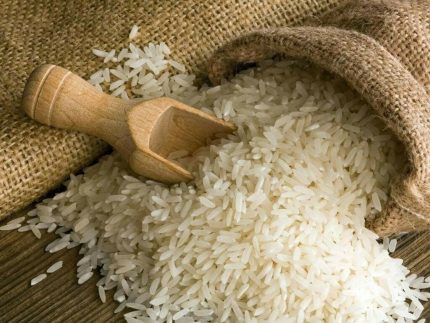
Glutinous rice for wholesale and B2B supply is typically packed in woven polypropylene bags or multi-wall kraft sacks. Common formats for export shipments include 25 kg (approximately 55 lb) bags and 50 kg bags, palletized for container loading. Smaller retail-ready bags (5 lb, 10 lb, 50 lb) can be discussed for distributors serving retail or foodservice accounts directly.
Container volumes, MOQ and custom packing specifications are available on request. Procurement teams coordinating ocean freight into U.S. ports should factor in standard lead times for export documentation, phytosanitary certificates and FDA import requirements for rice products entering the United States.
Sourcing, Export and U.S. Import Considerations
Glutinous rice is cultivated in Laos, Thailand, Cambodia, Vietnam, Myanmar, China, Japan, Korea and other parts of Southeast and East Asia. As an international supplier, we source across these origins and can support U.S. importers, distributors and food manufacturers with consistent supply.
Documentation U.S. Buyers Typically Require
A standard commercial export shipment of rice into the U.S. generally requires a phytosanitary certificate, certificate of origin, commercial invoice, packing list and bill of lading. U.S. FDA prior notice is required for food shipments entering the country. We can discuss documentation support as part of the buying process.
Pricing and Quotation
Glutinous rice prices vary by origin, grade, broken percentage, packaging format and volume. Pricing is not published as a fixed rate on this page because it is subject to crop-year variation, freight costs and order volume. Use the inquiry form to request a current price quotation, specifying your target volume, port of destination and any grade or packaging requirements.
Frequently Asked Questions from Wholesale Buyers
Is glutinous rice the same as sweet rice or sticky rice?
Yes. Glutinous rice, sweet rice and sticky rice are common U.S. names for the same grain variety (Oryza sativa var. glutinosa). Waxy rice is another accepted term. All refer to the same high-amylopectin, low-amylose grain. For purchase order and import documentation purposes, the botanical classification is the most precise identifier.
Does glutinous rice contain gluten?
No. Despite the name, glutinous rice contains no gluten proteins. The term refers to its glue-like stickiness, not its protein composition. This makes it suitable for gluten-free food manufacturing applications, though buyers should confirm allergen protocols with their own facility requirements.
What grain types are available for bulk orders?
Japonica, indica and tropical japonica strains are available subject to origin and season. Contact us with your application requirements and we can advise on the best match.
Can you supply glutinous rice in retail-ready packing?
Packing options including smaller retail formats can be discussed on inquiry. State your target pack size, labeling requirements and destination market when you reach out.
What is the minimum order quantity?
MOQ has not been specified in this product record. Please contact us directly to discuss volumes appropriate to your supply chain.
Explore White Glutinous Rice.
Explore Jasmine Rice.
For further details on Authoritative reference relevant to buyer guidance, standards or compliance, consult Comment from Matsuno, Jan.
For further details on Authoritative reference relevant to buyer guidance, standards or compliance, consult PMIP Resource Locator | ARS (Agricultural Research Service).
For further details on Authoritative reference relevant to buyer guidance, standards or compliance, consult New Uses of Fluridone on Avocado, Mandarin, Pistachio, ….


Reviews
There are no reviews yet.