


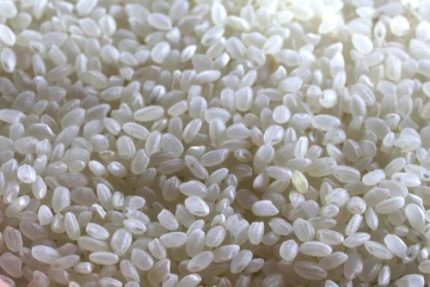
Round Rice for Wholesale and Bulk Export
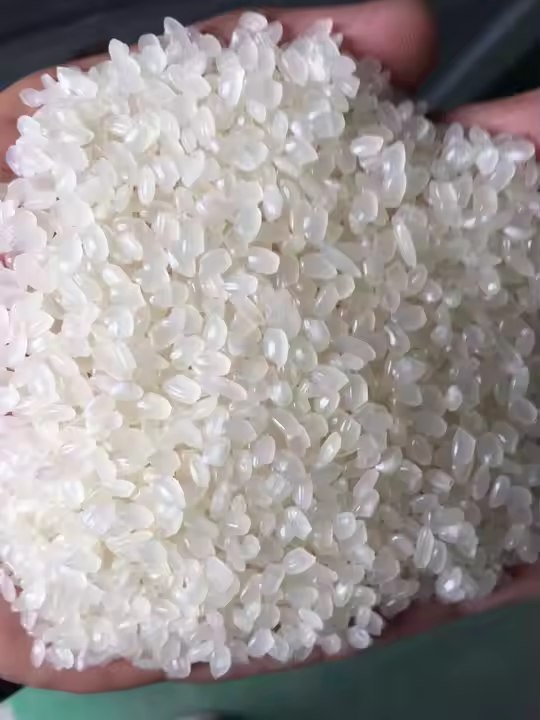
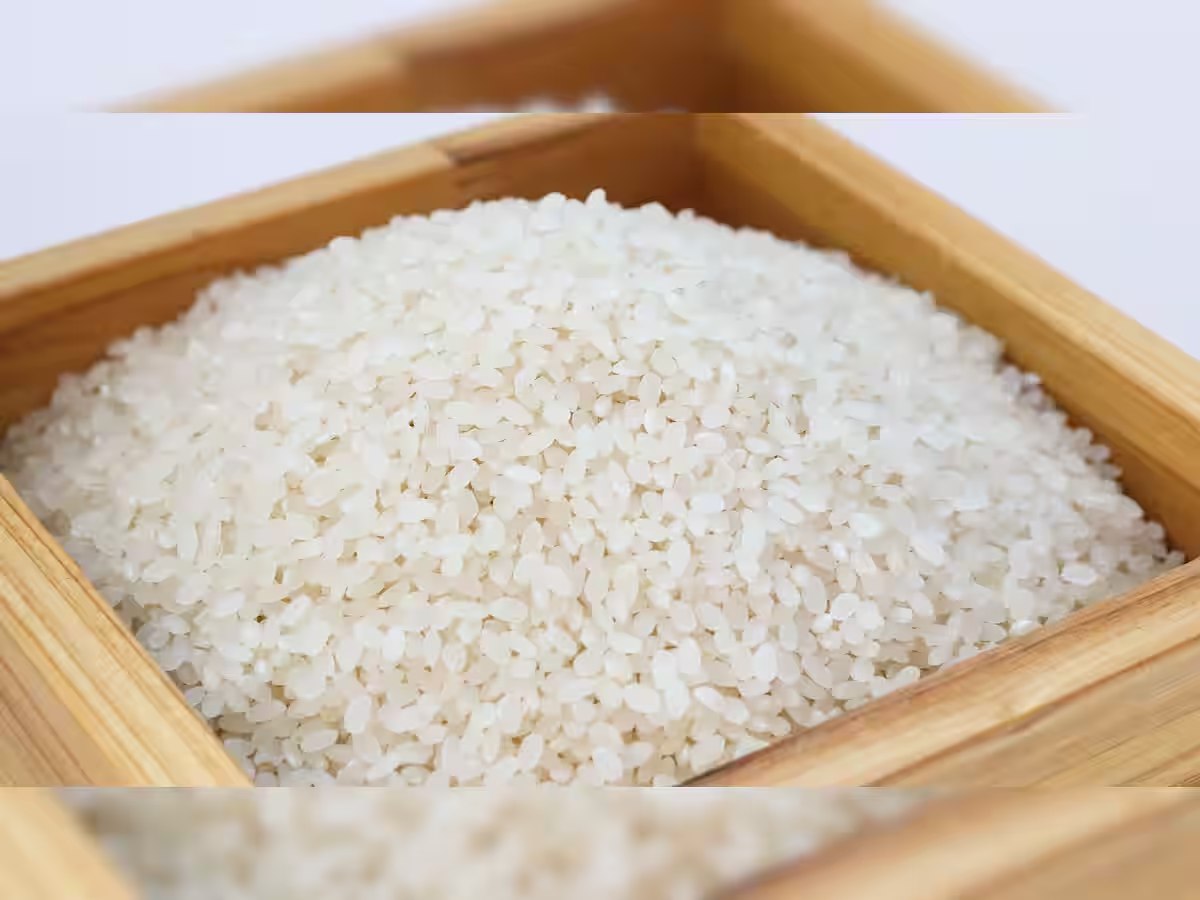
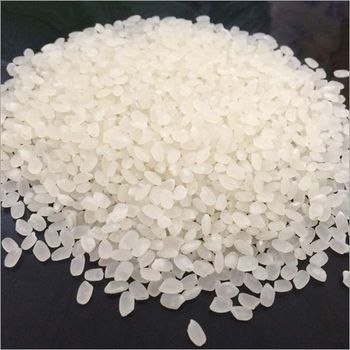
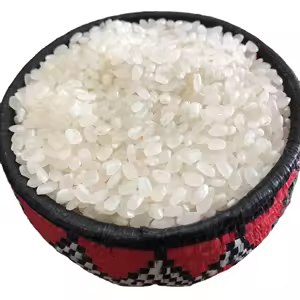
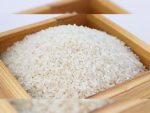
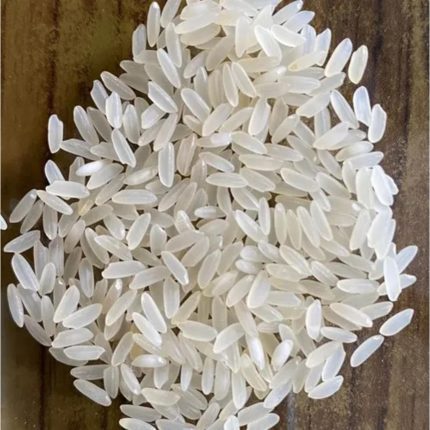
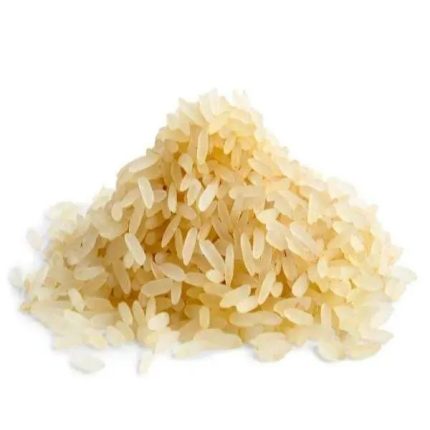
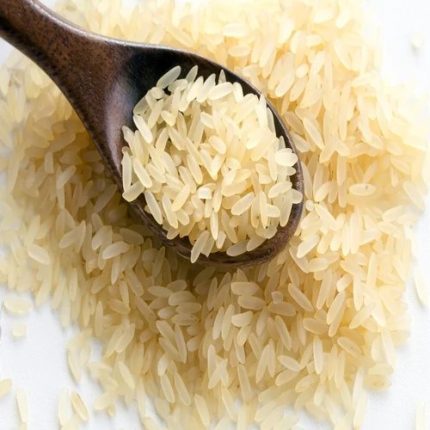
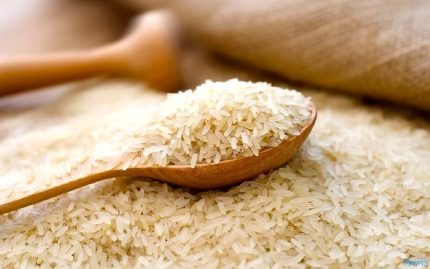
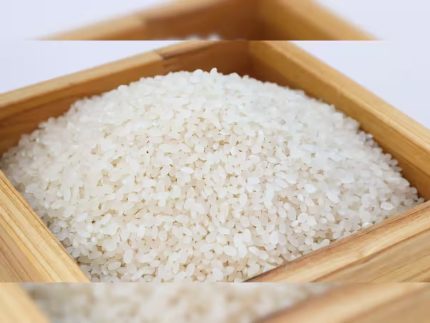
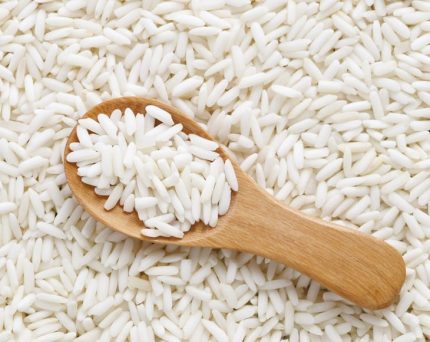
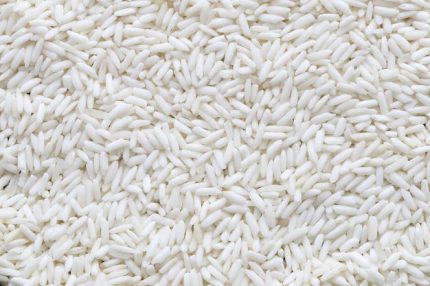
Round rice, also commonly called short-grain rice, is visually distinct: the grains are wide, almost circular in cross-section, and noticeably shorter than long-grain or parboiled varieties. Its high starch content produces the cohesive, slightly sticky texture buyers in the food service, retail distribution, and specialty ingredient sectors specifically source it for. This is new-crop stock, well milled and double polished, processed to meet documented quality tolerances rather than broad commercial averages.
U.S. importers, grocery distributors, and food processors sourcing round rice in volume need consistent specs, reliable packaging integrity, and a supplier capable of handling export documentation. Each of those requirements is addressed directly below.
Export Quality Specifications
The table below reflects verified product data. All parameters are maximum allowances unless stated otherwise.
| Parameter | Tolerance |
|---|---|
| Broken kernels | 5% max |
| Moisture content | 14% max |
| Chalky kernels | 3.0% max |
| Foreign matter | 0.1% max |
| Yellow kernels | 0.5% max |
| Damaged kernels | 0.5% max |
| Red and streaked kernels | 0.5% max |
| Paddy per kg | 2.0 grains max |
| Average grain length | 5.0 mm min |
| Milling degree | Well milled and double polished |
| Insect presence | Nil after fumigation |
| Rodent contamination | None, including particles |
| Crop status | New crop |
| Shelf life | 24 months |
Double polishing removes the outermost bran layer more thoroughly than standard milling, producing a cleaner white surface and reducing surface oils that can accelerate rancidity in storage. The 14% maximum moisture ceiling aligns with international trade norms for safe long-distance shipping of milled white rice.
Grain Category: What Makes Round Rice Different
Rice grain categories matter for procurement because they determine end-use compatibility. Grain length is the primary dividing factor: the shorter the grain, the higher the amylopectin starch ratio, and the stickier the cooked texture. Rice types by texture, length and starch profile explains how these grain classes affect cooking behavior across commercial applications.
Round rice sits at the short end of the grain-length spectrum. It is not the same product as glutinous rice (which has near-zero amylose) or parboiled rice (which has been pre-gelatinized). Buyers familiar with Arborio-style risotto rice, sushi rice, or dessert rice formulations will recognize this grain class. The cohesive texture when cooked is a functional property, not a quality defect, and it is exactly what certain end-use markets require.
How Round Rice Behaves in Commercial Food Applications
The high surface starch of double-polished round rice gives it a characteristic cling after cooking. This makes it well suited for retail ethnic food lines, restaurant supply, rice pudding and dessert manufacturing, sushi-style applications, and any prepared-food format where grain cohesion matters. Procurement teams should confirm end-use intent before substituting round rice into formulations designed for long-grain or parboiled varieties, as the cooking absorption ratios and texture outcomes differ substantially.
Packing Options for Retail, Foodservice, and Bulk Orders
Available pack sizes span the full range from retail to industrial bulk:
- 1 kg and 2 kg – suitable for retail private-label or ethnic grocery formats
- 5 kg – common for mid-size foodservice and restaurant supply
- 15 kg and 25 kg – standard for distribution and food manufacturing inputs
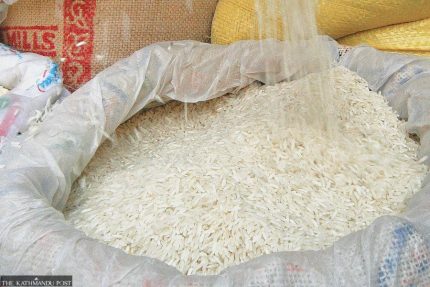
- 50 kg – bulk sack format for large-scale processing or wholesale redistribution
Vacuum packing is available for bags in the 1 kg to 10 kg range. Vacuum-sealed packaging preserves grain texture, limits oxidation, and provides a measurable barrier against insect reinfestation during transit and warehousing. For buyers importing into warm or humid U.S. storage environments, this is worth factoring into the landed cost calculation.
Storage guidance: keep in a cool, dry location; reseal tightly after opening. Shelf life is 24 months from pack date under correct storage conditions.
Buying Round Rice in Bulk: Key Considerations for U.S. Importers
Grain Specification Alignment
Before committing to volume, verify that the round rice specification matches your end-product requirements. The 5.0 mm minimum average grain length places this product firmly in the short-grain category rather than medium-grain. If your formulation or labeling calls for a specific USDA grain class designation, confirm equivalency with your import broker or quality assurance team. No USDA grade claim is made for this product; specifications are as listed above.
Moisture Tolerance and U.S. Entry Requirements
U.S. Customs and Border Protection and the FDA both apply import monitoring to rice shipments. At 14% max moisture, this product meets the internationally accepted safe storage threshold for milled white rice. Buyers should confirm current FDA import alert status and phytosanitary requirements with their licensed customs broker prior to placing an order. Fumigation is standard for this product, with nil insect tolerance post-treatment.
Packing Specification Matches Your Distribution Model
Not every pack size suits every distribution channel. Retail ethnic grocery importers typically prioritize 1-5 kg vacuum packs for shelf presentation. Foodservice distributors often prefer 15-25 kg poly-woven sacks. Bulk processors and co-packers generally order 50 kg sacks or request container-load pricing on loose bulk. Contact us with your target pack size and volume to receive accurate pricing and lead time information.
Storage, Handling, and Shelf Life
Round rice should be stored away from moisture, direct sunlight, and strong odors. Tightly seal any opened packaging immediately to prevent ambient humidity from raising moisture content above the 14% ceiling. At correct storage conditions, the 24-month shelf life supports both domestic warehouse distribution and export logistics timelines. For cold storage programs, the sealed product is compatible with standard dry-goods warehouse environments; no refrigeration is required.
Request a Wholesale Price Quote
Price varies by order volume, pack configuration, and destination port. To receive a current FOB or CIF quote, submit your inquiry with the following details: target quantity (metric tons or number of bags), preferred pack size, destination port, and any labeling or certification requirements. Our team will respond with pricing, availability against new-crop stock, and estimated lead time.
Browse the full Rice catalog to compare available varieties. Buyers sourcing multiple rice types for a container consolidation can combine round rice with other products including Short Grain Rice, Jasmine Rice, or Parboiled Rice to meet minimum container requirements efficiently.
Frequently Asked Questions
Is this round rice suitable for sushi or risotto applications?
The short grain length and starch profile of this product are consistent with rice used in both sushi preparation and risotto-style dishes. However, specific culinary suitability depends on your exact formulation and water absorption requirements. We recommend requesting a sample for quality testing before placing a commercial order.
What is the minimum order quantity?
Minimum order quantities are not published on this page as they depend on pack configuration and destination. Contact us directly to discuss MOQ for your target market and pack size.
Is vacuum packing available for all sizes?
Vacuum packing is available for pack sizes from 1 kg to 10 kg. Sizes of 15 kg, 25 kg, and 50 kg are supplied in poly-woven or laminated sacks without vacuum sealing.
What documentation is provided for U.S. import?
Standard export documentation includes a phytosanitary certificate, fumigation certificate, certificate of origin, packing list, and commercial invoice. Additional documentation such as a certificate of analysis can be arranged on request. Buyers should verify current FDA prior notice and import requirements with their customs broker.
For further details on Authoritative reference relevant to buyer guidance, standards or compliance, consult 620 Subpart E – United States Standards for Milled Rice.
For further details on Authoritative reference relevant to buyer guidance, standards or compliance, consult 620 Subpart E – United States Standards for Milled Rice.
For further details on Authoritative reference relevant to buyer guidance, standards or compliance, consult 564 Subpart E – United States Standards for Milled Rice.


Reviews
There are no reviews yet.