

What Golden Sella Basmati Rice Is and Why the Parboiling Step Matters to Buyers
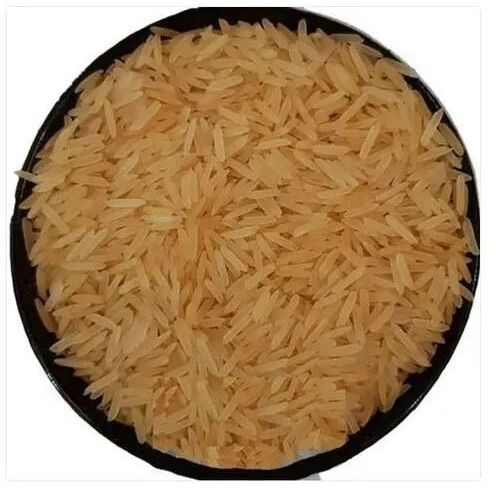
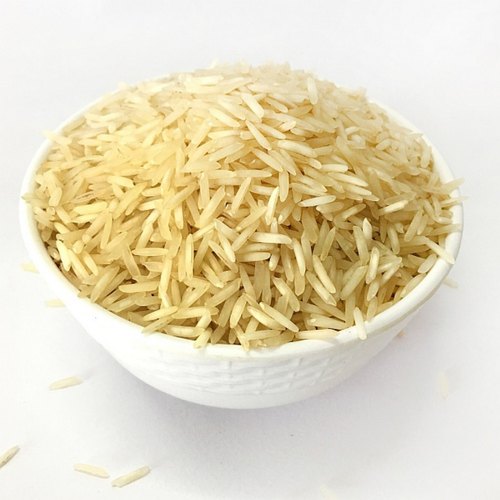
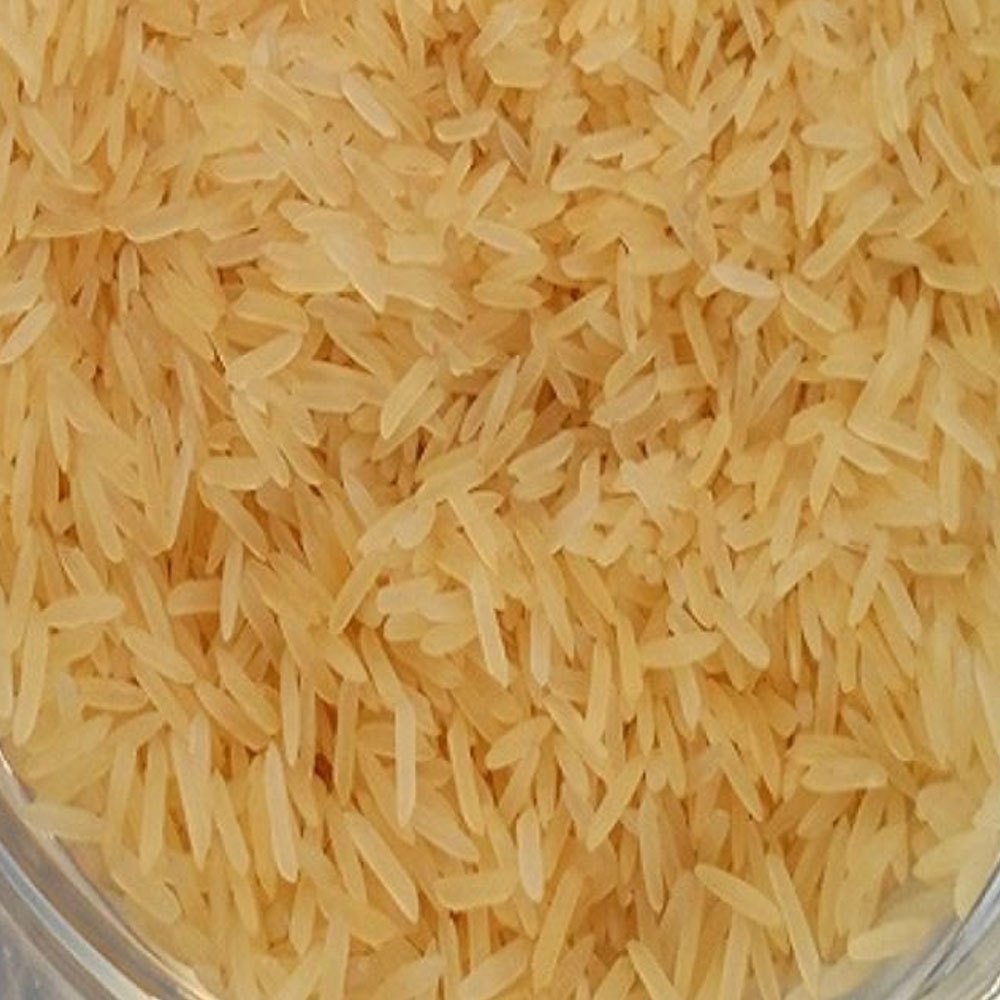
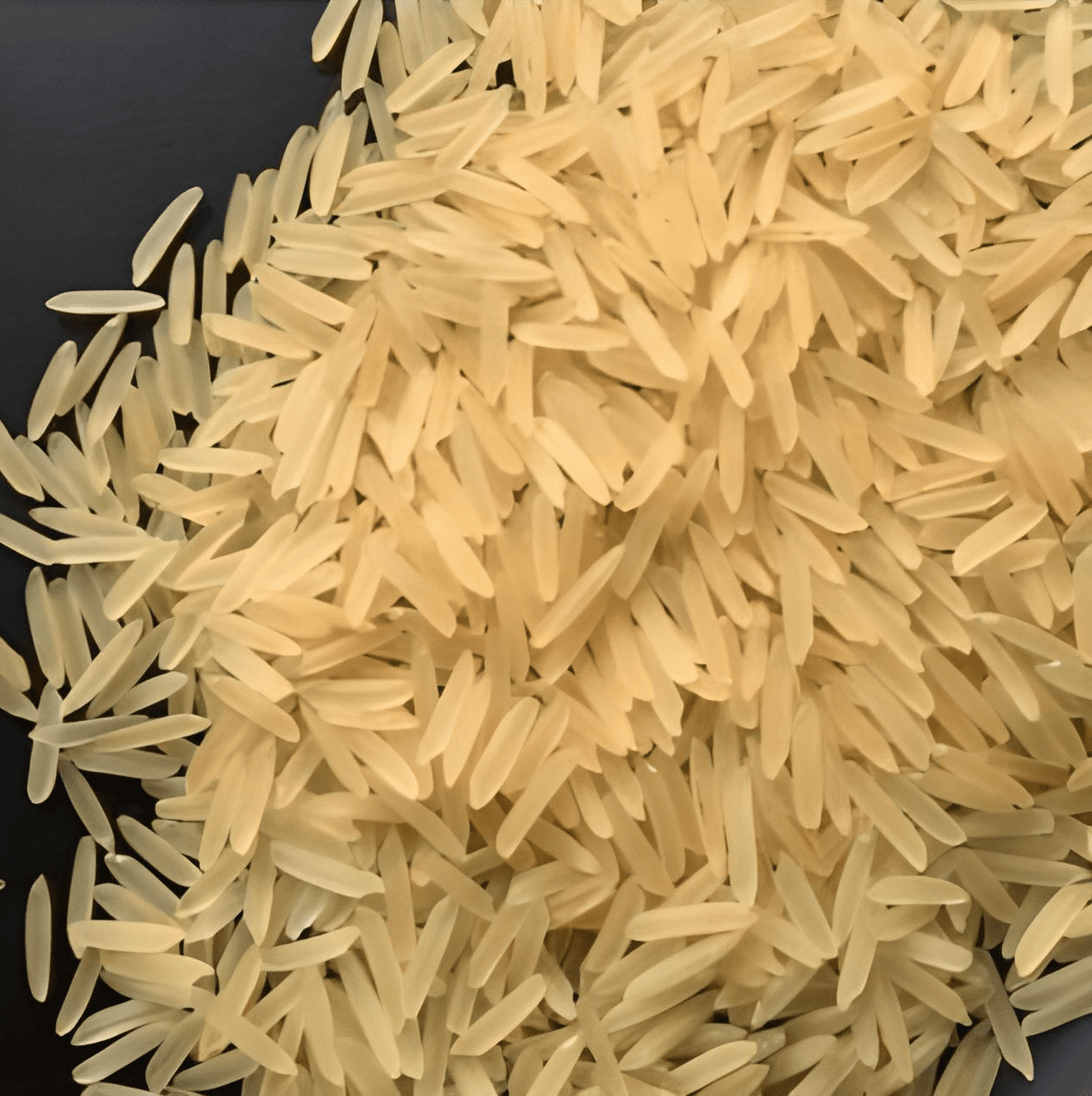
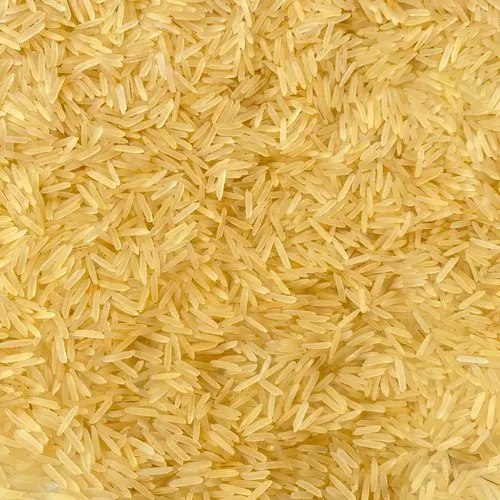
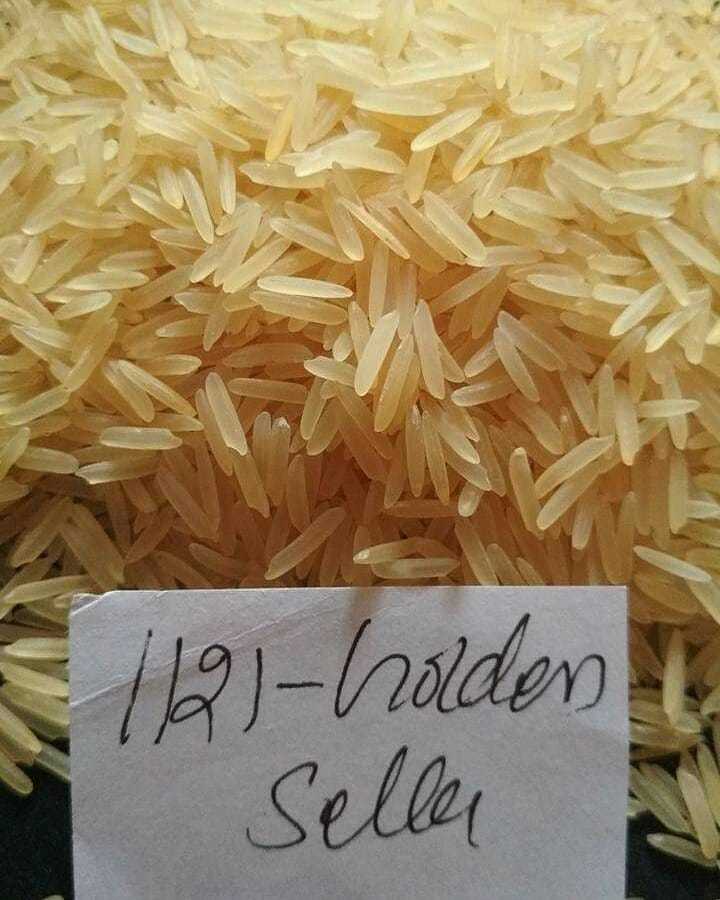
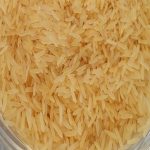
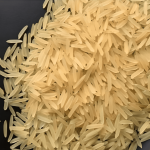
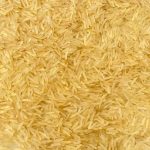
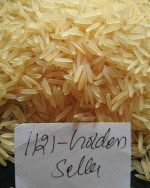
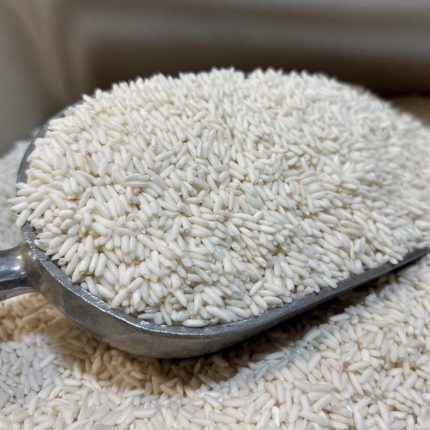
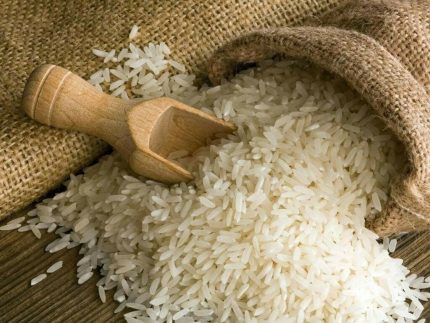
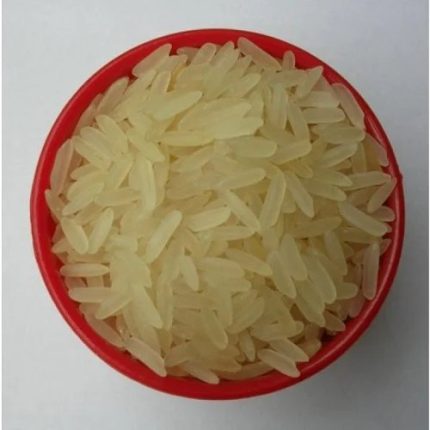
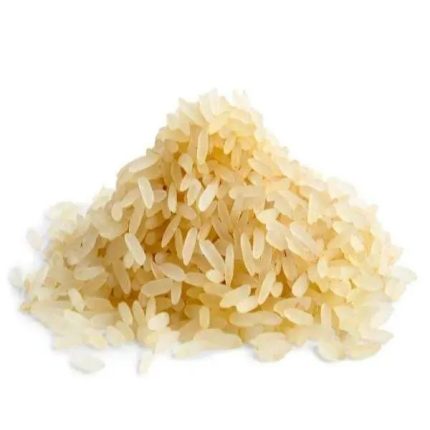
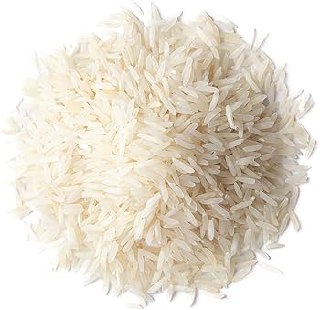
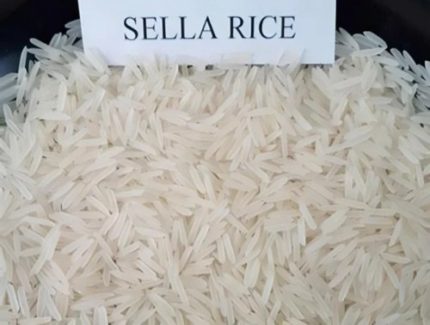
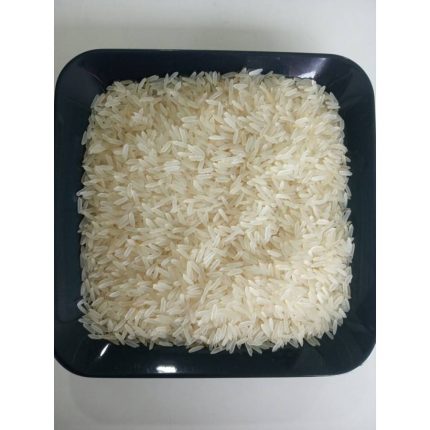
Golden Sella Basmati Rice is a cultivar of long-grain basmati that undergoes parboiling before milling. During parboiling, the paddy (rice still inside its husk) is soaked and steamed under pressure, then dried before milling proceeds. what Golden Sella Basmati Rice is and how it is made The steaming process drives surface starch into the grain’s interior, which produces the characteristic pale gold color that gives the variety its name and, importantly, contributes to the firmer cooked texture that separates it from raw milled basmati.
For wholesale and distribution buyers, this processing distinction has direct commercial relevance. Parboiled grains are significantly more resistant to breakage during milling, storage, and transport, which translates to lower waste at the retail or food-service end of the supply chain. The firmer texture also performs better in high-volume cooking contexts, where grains must hold their shape through extended steam table exposure or batch preparation. Institutional kitchens, halal restaurant suppliers, and South Asian grocery chains have all made Golden Sella a repeat procurement item for exactly these reasons.
Verified Grain Specifications
The table below reflects the product parameters as supplied. U.S. importers can use these figures for specification matching with FDA labeling requirements, private-label briefs, and buyer contracts. No certifications or country-of-origin documents have been verified for this listing; buyers requiring phytosanitary certificates, FDA facility registration confirmation, or certificates of analysis should request these directly through the inquiry form.
| Parameter | Specification |
|---|---|
| Purity | 92% minimum |
| Natural field admixture | 8% maximum |
| Average grain length (raw) | 8.35 mm |
| Elongation after cooking | 14.50 mm |
| Moisture content | Under 12.5% |
| Broken grain | Under 1% |
| Pin broken | Under 2% |
| Damaged grain | Under 1% |
| Discolored grain | Under 1% |
| Kett value (golden color) | 20 to 22 |
| Immature grain | Under 2% |
| Foreign matter | Nil |
The Kett value of 20 to 22 quantifies the degree of golden coloration. This range is consistent with properly parboiled product and is a useful reference point for buyers who specify color grade in their purchasing contracts. The nil foreign matter specification and sub-1% broken grain rate are particularly relevant for buyers supplying retail-ready consumer packs, where in-bag defects directly affect returns and shelf perception.
Commercial Applications: Where This Grade Performs
Food Service and Restaurant Chains
Golden Sella’s resistance to overcooking and grain separation on standing makes it the preferred basmati type for biryani production at scale, pilaf service in buffet formats, and any application where cooked rice must remain presentable across a multi-hour serving window. U.S. halal restaurant groups and South Asian food service distributors consistently source this grade over raw milled basmati for precisely that operational reason.
Ethnic Grocery and Specialty Retail Distribution
South Asian, Middle Eastern, and African grocery retail in the U.S. drives substantial volume in this category. Retail packs in 4 lb, 10 lb, and 20 lb formats are the dominant consumer unit sizes in this channel. The packaging options listed below cover all of those retail formats directly. Distributors supplying independent ethnic grocers or regional chains can build private-label programs around this product given the available bag formats and supply scale.
Industrial and Institutional Procurement
With a weekly supply capacity of 2,000 tons, this product is positioned for buyers operating at meaningful scale. Correctional food services, university dining contractors, and hospital nutrition programs that have moved toward parboiled basmati for its cook-stability can be sourced continuously without seasonal supply constraints.
Packaging Formats and Container Loading
Multiple bag types and fill weights allow importers to match the product to their downstream channel without repackaging on arrival. The options below cover everything from retail pouches to bulk palletized bags suitable for wholesale redistribution.
Available Bag Types and Fill Weights
- Jute bags: 1 kg, 2 kg, 5 kg, 10 kg, 20 kg, 25 kg
- Non-woven bags: 1 kg, 2 kg, 5 kg, 10 kg, 20 kg, 25 kg
- BOPP bags: 10 kg, 20 kg, 25 kg
- PP bags: 10 kg, 25 kg
- Pouches: 4.54 kg (approximately 10 lb), 5 kg
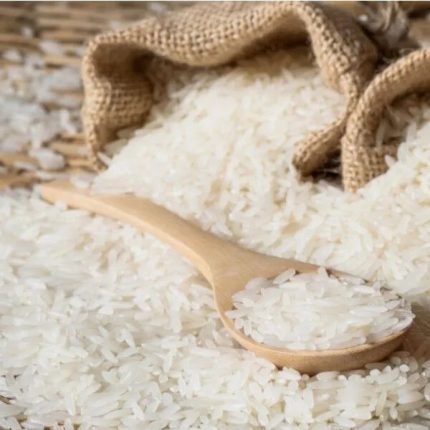
The 4.54 kg pouch corresponds directly to the 10 lb retail format that moves in U.S. South Asian and halal grocery channels, removing the need for domestic repackaging. BOPP bags are print-ready for private-label branding and are commonly used for retail shelf presentation. Buyers requiring custom print artwork on BOPP or non-woven bags should note this at the inquiry stage.
Container Capacity
- 20-foot container: 25 metric tons
- 40-foot container: 28 metric tons
These loading figures allow procurement teams to calculate landed cost per metric ton accurately when building their import cost models. Buyers sourcing on a container basis can plan shipment intervals against the 2,000-ton-per-week supply availability without lead time pressure on standard volumes.
Sourcing and Supply Logistics for U.S. Importers
Karmenda Co Ltd operates as an international exporter with supply capacity suited to importers, wholesale distributors, and regional buying groups rather than single-store retail. The 2,000-ton weekly capacity means that mid-volume importers sourcing one to four containers per month can be accommodated alongside larger accounts without allocation constraints.
U.S. buyers should plan for standard ocean freight lead times from the point of origin. Documentation typically required for U.S. rice imports includes a phytosanitary certificate, a certificate of origin, a commercial invoice, a bill of lading, and, depending on the buyer’s customs broker requirements, a certificate of analysis for each lot. Buyers should specify documentation requirements at the time of inquiry. No specific certifications have been confirmed for this listing, and none should be assumed.
For buyers already working with our White Sella Basmati Rice or our 1121 Basmati Rice, Golden Sella can be consolidated into the same container shipment to optimize freight cost per unit. Our full rice catalog covers multiple grades and varieties that can be mixed into a single procurement order.
Frequently Asked Questions from U.S. Wholesale Buyers
What distinguishes Golden Sella from White Sella Basmati?
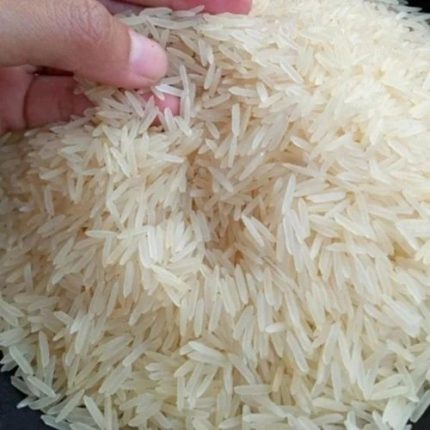
Both are parboiled basmati varieties, but they differ in the degree of processing and resulting color. White Sella is more lightly processed and closer in appearance to standard milled white basmati. Golden Sella carries a pronounced pale yellow color due to deeper parboiling, which also produces a slightly firmer cooked texture. Buyers sourcing for markets with a strong preference for the golden grain color, such as certain South Asian and Middle Eastern consumer segments in the U.S., specifically request the Golden Sella grade.
Is a certificate of analysis available per shipment lot?
Buyers should request this directly through the inquiry process. No pre-confirmed lab documentation is listed for this product, and buyers requiring lot-specific COAs, moisture certificates, or pesticide residue test results should specify this requirement before finalizing a purchase order.
Can packaging be customized for private label?
BOPP and non-woven bag formats are print-compatible for private-label branding. Minimum quantities and lead times for custom-printed bags should be discussed at the inquiry stage, as they depend on print run volume and artwork specifications.
What is the minimum order for a wholesale inquiry?
No published minimum order quantity is listed for this product. U.S. importers and distributors should use the inquiry form to describe their volume requirements, preferred packaging format, and delivery schedule so that a relevant quote can be prepared.
How does the 8.35mm grain length compare to other basmati grades?
An 8.35mm average raw grain length places this product firmly in the extra-long basmati category. After cooking, the stated elongation of 14.50mm reflects the characteristic length extension that basmati is graded and priced for. Buyers specifying grain length in their contracts should document this figure as the reference standard for incoming inspection.
What rice varieties pair well for multi-SKU import orders?
Importers building a broader rice portfolio alongside Golden Sella often include Long Grain Parboiled Rice for value-tier market segments and Jasmine Rice for Southeast Asian cuisine-focused retail channels. Both can be consolidated in the same shipment where container capacity allows.
Request a Wholesale Quote
To receive pricing, confirm availability for your required volume, or discuss documentation and logistics for a U.S. import shipment, use the inquiry form on this page. Provide your target quantity, preferred packaging format, and any specification or certification requirements so the response addresses your actual procurement needs directly.
For further details on Authoritative reference relevant to buyer guidance, standards or compliance, consult Regulations.gov.


Reviews
There are no reviews yet.