



Whole Dried Red Chili Pods: Graded Supply for U.S. Importers and Distributors
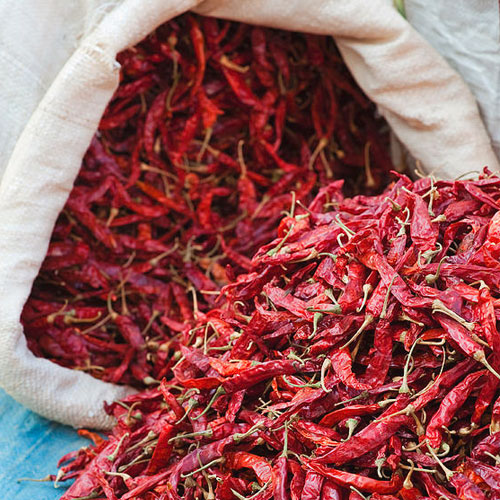
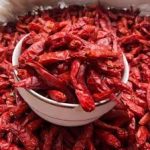
Dried chili is among the most actively traded spice commodities entering the U.S. market each year. Importers, regional spice distributors, private-label repacking operations, and food manufacturers all source whole dried pods at volume, and the purchasing criteria are consistent: reliable heat grading, controlled moisture, clean pod stock, and documented export compliance. This listing covers whole sun-dried red chili pods available in three heat grades, packaged for both retail repacking and bulk processing applications.
Buyers evaluating a new dried chili supplier typically want to confirm grade consistency before committing to a repeat supply relationship. The specifications and grade structure below are intended to give procurement teams the information they need to assess product fit against their own formulation or resale requirements.
Product Specifications and Grade Structure
The table below summarizes the core parameters for this product. Buyers sourcing for FDA-regulated facilities or private-label programs should contact us to request a certificate of analysis (COA) and discuss documentation requirements before placing an initial order.
| Specification | Detail |
|---|---|
| Form | Whole dried red chili pods |
| Processing method | Sun-dried |
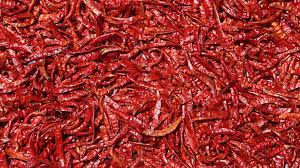
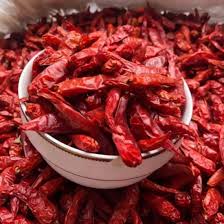
| Color | Deep red |
| Heat grades available | Mild, Medium, Hot |
| Retail pack sizes | 8 oz, 16 oz bags |
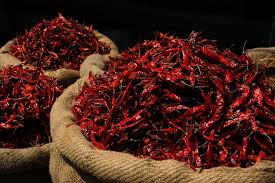
| Bulk configuration | Available on inquiry (sacks, master cartons, pallet loads) |
| MOQ | Available on request |
| Export documentation | Phytosanitary certificate, COO certificate, COA available per shipment |
Note: Pallet quantities, container-load terms, and custom pack formats are confirmed at the time of inquiry. Pricing is volume-dependent.
Selecting the Right Heat Grade for Your Application
Heat grade selection is the first procurement decision for any buyer sourcing dried chili for resale or manufacturing. Each grade has a distinct commercial fit based on end-use channel, target consumer, and formulation requirements.
Mild Grade: Broad-Market Sauces and Mainstream Retail Blends
The mild grade is suited for buyers supplying family-style foodservice accounts and mainstream grocery retail. Sauce manufacturers using whole pods as a base ingredient often specify mild when the finished product needs to hit a wide palatability range. Private-label buyers producing all-purpose seasoning mixes for conventional supermarket channels typically work with this grade as their entry-level SKU.
Medium Grade: Versatile Default for Single-SKU Importers
Medium is the commercially dominant grade across most B2B channels. It works across enchilada sauce production, all-purpose chili seasoning blends, and private-label products positioned as moderately spiced. Importers who carry a single dried chili SKU most commonly specify medium, as it satisfies the broadest range of downstream buyers without skewing too hot or too mild for mainstream distribution.
Hot Grade: Specialty Retail, Ethnic Grocery, and High-Capsaicin Applications
The hot grade is the correct choice for spice manufacturers requiring higher capsaicin content for chili powder or extract applications, for foodservice operators supplying heat-forward menus, and for importers servicing specialty food retailers or ethnic grocery channels where consumer demand for heat intensity is above average. Buyers running their own milling or extraction operations will pay particular attention to seed content and moisture parameters at this grade level, both of which affect final product yield and shelf life.
Commercial End-Use Applications
Dried chili pods move into the U.S. market through several distinct supply channels. Understanding which channel a buyer operates in helps confirm that the product format, grade, and pack size are correctly matched before an order is placed.
Spice Blending and Chili Powder Production
A large portion of imported whole dried chili pod volume is destined for spice blending facilities, where pods are ground or milled into chili powder. That powder then enters seasoning blends alongside ingredients such as cumin, garlic powder, oregano, and paprika. Buyers in this channel specify consistent heat grading across shipments, low moisture content to prevent clumping and mold during milling, and pod stock free of stems, seeds, and debris that could affect finished powder quality.
Foodservice Ingredient Supply
Whole dried pods are used directly by restaurant groups and commissary kitchens preparing sauces and braising liquids from scratch. Rehydrated red chili pods form the base of red chile sauces, enchilada sauces, and slow-cooked protein preparations. Crushed pods also serve as a finishing spice across a range of menu formats. Foodservice distributors sourcing for restaurant accounts typically purchase in case quantities and may specify particular pod sizes for operational consistency.
Retail Private Label and Repacking
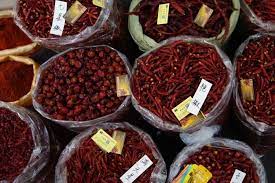
Importers and distributors operating repacking facilities purchase dried chili in bulk sacks or master cartons, then fill retail-format bags under their own brand. The 8 oz and 16 oz pack sizes available here align directly with standard U.S. retail shelf formats used by specialty food stores, ethnic grocery chains, and natural food retailers. Buyers in this channel often require consistent pod color and minimal breakage to maintain visual quality in transparent or windowed packaging.
Crushed Red Pepper Flakes Processing
Whole pods are also sourced by buyers who process them into crushed red pepper flakes for foodservice tabletop use and retail packaging. Pod quality parameters that matter most for this application include moisture content (which affects grind consistency and shelf life), seed ratio (which influences heat uniformity in the finished flake), and overall cleanliness of the pod stock.
Packaging Options and Bulk Supply Configuration
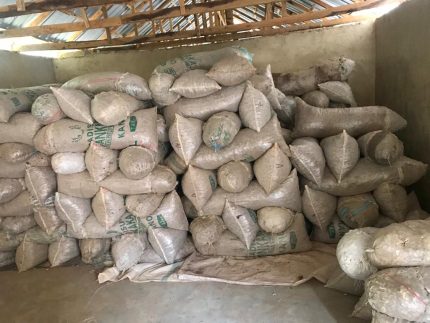
Standard retail-format supply ships in 8 oz and 16 oz consumer bags, which are appropriate for importers and distributors selling through to retail or foodservice buyers. For buyers requiring bulk configurations for processing facilities or high-volume repacking operations, the options below are available on inquiry.
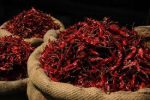
- Food-grade polypropylene sacks: Standard bulk configuration for high-volume shipments and processing plant delivery.
- Multi-wall kraft bags: Available depending on transit conditions and destination humidity requirements.
- Master carton quantities: Suitable for importers consolidating multiple SKUs into a single container shipment.
- Pallet and container loads: Terms confirmed on inquiry, including load configuration and dunnage specifications.
All bulk shipments are accompanied by the applicable export documentation. U.S. importers are responsible for confirming FDA prior notice requirements and Foreign Supplier Verification Program (FSVP) obligations before the first shipment clears customs. These are standard regulatory obligations for food ingredient imports into the U.S. market and are not specific to this supplier.
Export Documentation and U.S. Import Compliance
Buyers sourcing dried chili for FDA-regulated facilities or FSMA-covered supply chains should plan for the following documentation requirements at the time of order:
- Phytosanitary certificate (issued per shipment by the exporting country’s agricultural authority)
- Certificate of origin
- Certificate of analysis (COA) covering relevant quality parameters
- Commercial invoice and packing list
- FDA prior notice (buyer’s responsibility before shipment arrives at U.S. port)
Buyers subject to FSMA supplier verification requirements may also request a food safety questionnaire or supplier audit documentation. These requests are accommodated at the time of inquiry. If your procurement process requires organic certification or specific residue testing, include those requirements in your initial quote request so they can be confirmed before an order is placed.
Note: Organic certification status is not confirmed for this product. Buyers requiring certified organic supply should verify this directly during the inquiry process.
Why Source Dried Chili Directly from an Export Supplier
U.S. importers and distributors sourcing whole dried chili pods directly from an export-positioned supplier typically access more competitive per-unit pricing than is available through domestic wholesale intermediaries, particularly once order volumes move into pallet or container quantities. Direct sourcing also means buyers can specify heat grade, pack format, and documentation requirements rather than accepting whatever a domestic reseller stocks on the shelf.
The key quality factors that experienced procurement teams evaluate when qualifying a new dried chili exporter include: heat grade consistency across repeat shipments (not just the sample), moisture content relative to shelf life targets, pod cleanliness in terms of stem and seed contamination, and the supplier’s ability to produce compliant export documentation on a predictable schedule. Buyers with standing purchase orders and seasonal volume forecasts can discuss those parameters directly through the inquiry form on this page.
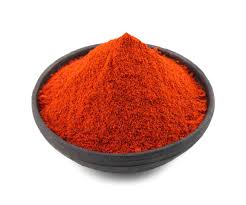
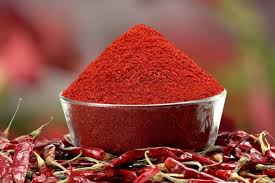
Buyers sourcing related ground-format supply should review our Red Chili Powder listing for milled dried chili in bulk and retail configurations. Our full Spices catalog includes complementary items such as Turmeric and Black Cumin Seed for buyers consolidating a spice sourcing program.
Request a Wholesale Price Quote
To receive volume pricing, available grades, and export terms for dried chili pods, use the inquiry form on this page. To speed up the quoting process, include the following in your message:
- Required heat grade: mild, medium, or hot
- Target quantity (weight per order or unit count)
- Destination port or U.S. delivery address
- Preferred pack format: retail bags, bulk sacks, or other
- Certification or documentation requirements (COA, phytosanitary, organic, etc.)
Sample availability and terms are confirmed at the time of inquiry for buyers who want to evaluate pod quality before committing to a full order.
For further details on Authoritative reference relevant to buyer guidance, standards or compliance, consult Chili, NY | Official Website.
For further details on Authoritative reference relevant to buyer guidance, standards or compliance, consult Regulations.gov.
For further details on Authoritative reference relevant to buyer guidance, standards or compliance, consult 21 CFR 117.




Reviews
There are no reviews yet.