

Turmeric from Kenya: A Wholesale Overview for U.S. Buyers
Turmeric (Curcuma longa), a member of the ginger family, is one of the most traded spice commodities in the global market. The rhizome root is harvested, dried, and either sold whole or reduced to the finely milled golden-orange powder that food manufacturers, nutraceutical brands, curry processors, and beverage formulators rely on. As a Kenya-based exporter, Karmenda Co. Ltd sources turmeric and prepares it for international shipment to U.S. buyers operating at wholesale and industrial scale.
U.S. procurement teams sourcing turmeric need a supplier who can provide consistent curcuminoid content, clean phytosanitary documentation, and reliable volume across repeat purchase cycles. That is the commercial problem this page addresses directly.
Product Forms and Grades Available for Export
Turmeric is traded in several distinct forms, each suited to a different processing stage or end-use application. Buyers should clarify their required form before requesting a quote, as specifications, packaging, and pricing differ between them.
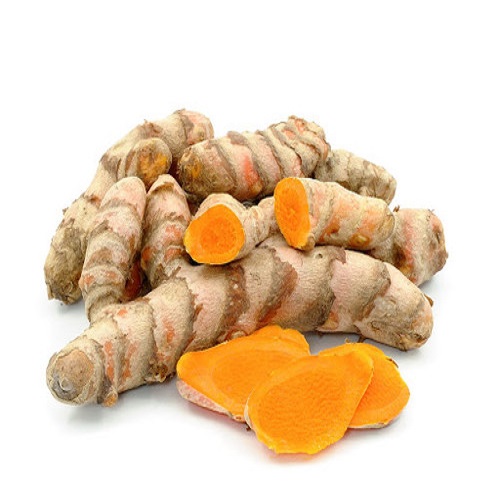
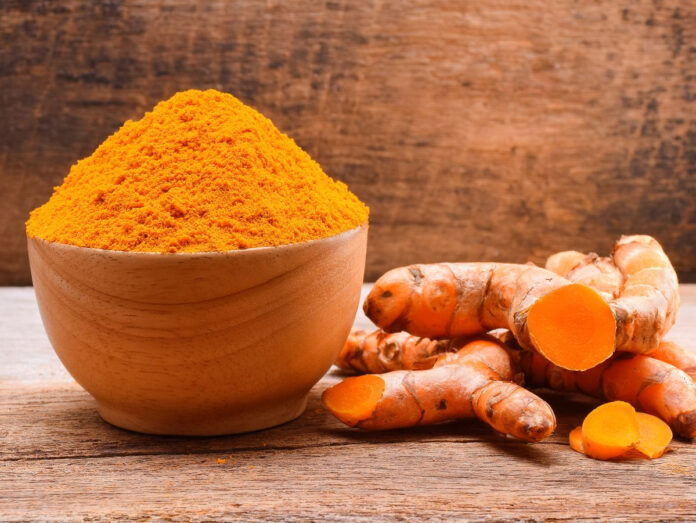
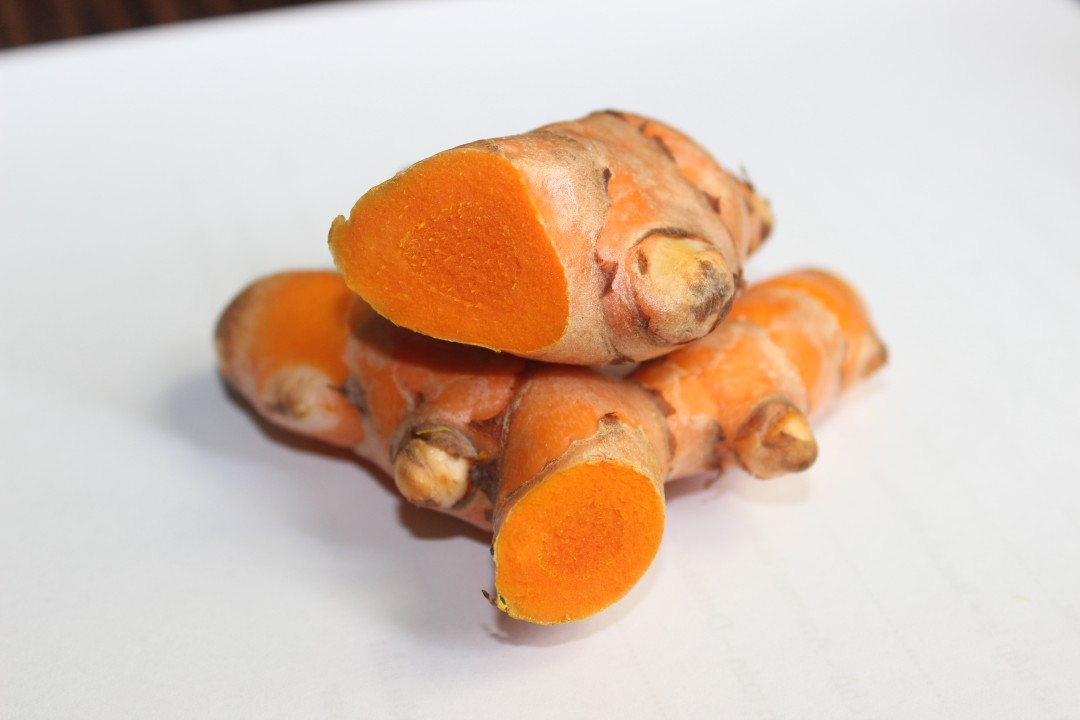
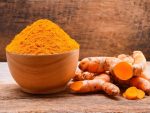
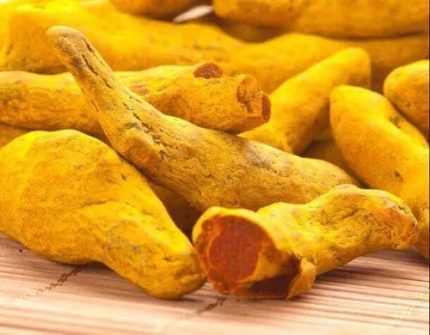
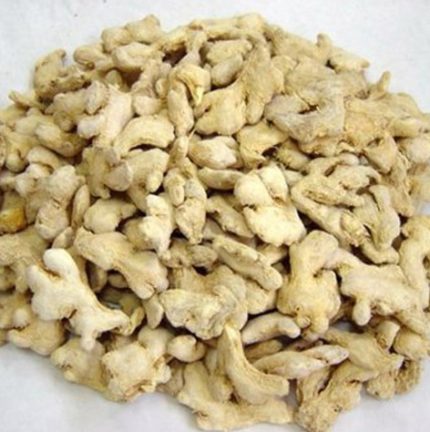
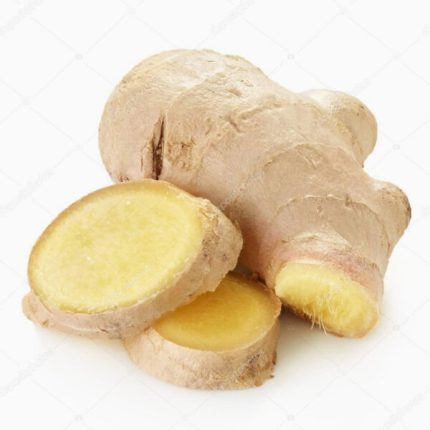
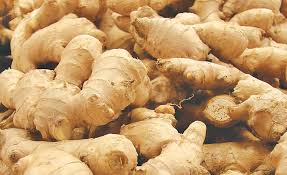
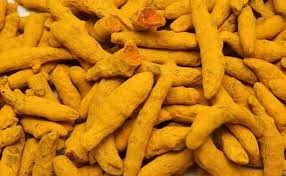
Turmeric Finger (Whole Dried Rhizome)
The unground form is preferred by processors who mill in-house to control particle size and moisture content. Whole fingers also carry a lower risk of adulteration, which matters for buyers supplying certified organic channels. See our dedicated listing for Turmeric Finger for specification details specific to the whole root form.
Turmeric Powder (Ground)
Ground turmeric powder is the most commonly imported form for food manufacturing, dietary supplement encapsulation, and functional food blending. Key quality parameters that U.S. buyers typically specify include moisture content (commonly below 10%), curcumin percentage, microbial counts, and the absence of Sudan dyes or artificial colorants. Buyers in the supplement sector often require a curcuminoid assay result with each lot.
Note: Specific curcuminoid percentages, moisture values, and certifications for Karmenda Co. Ltd product are not published on this page. Contact us directly for a current product specification sheet and supporting documentation before placing a bulk order.
Commercial Applications Driving U.S. Demand
Turmeric has moved well beyond its traditional role in curry seasoning. U.S. demand now spans at least five distinct buyer categories, each with different quality requirements and purchasing cycles.
Food Manufacturing and Spice Blending
Turmeric powder is a standard input for curry powders, mustard blends, rice seasonings, and ready-meal formulations. Color consistency and uniform particle size matter for high-volume blending operations. Buyers in this segment purchase in 25 kg bags or bulk super sacks and prioritize steady supply across multiple production runs. Our Spices category includes complementary inputs used alongside turmeric in standard blend formulations.
Dietary Supplement and Nutraceutical Manufacturers
Curcumin, the principal polyphenol in turmeric, is the active compound of interest for supplement manufacturers producing capsules, softgels, and standardized extracts. Buyers in this sector generally require a certificate of analysis (COA), heavy metal testing results, and pesticide residue data. The product supplied must meet FDA dietary supplement regulations under 21 CFR Part 111. Buyers should confirm documentation requirements before ordering.
Functional Beverage and Golden Latte Formulators
The functional beverage sector has become a significant pull channel for turmeric powder. Solubility profile, color stability in aqueous systems, and absence of off-notes in milk-based applications are the key sensory parameters for this use case.
Cosmetic and Personal Care Ingredient Buyers
Some U.S. cosmetic ingredient buyers source turmeric for skin formulations citing its traditional use in topical preparations. This segment typically purchases smaller volumes and may require specific extraction or processing treatments not covered in a standard food-grade lot.
Retail Private Label and Co-Packing
Private label brands sourcing bulk turmeric for consumer-facing packaging require food-grade product with full traceability documentation. Country-of-origin labeling requirements for the U.S. market must be verified by the importing party.
What the Evidence Says About Turmeric’s Bioactive Profile
The commercial case for turmeric in the U.S. supplement and functional food market rests partly on research into curcumin’s biological activity. Buyers supplying health-positioned products need to understand the research landscape honestly, because the evidence base is broader in some areas than others.
Areas Where Research Is Active
Studies have examined turmeric and curcumin in the context of inflammatory conditions including rheumatoid arthritis and knee osteoarthritis, cardiovascular markers, gut health, cognitive function, blood vessel wall integrity, and mood disorders. Research cited in health nutrition publications notes that curcumin may function as an anti-inflammatory and antioxidant compound, and that some clinical trial participants reported decreased arthritis-related joint discomfort after consistent use over several weeks. Early studies have also examined potential effects on markers associated with nonalcoholic fatty liver disease (NAFLD), though these findings are preliminary.
One mechanism noted in published health coverage is turmeric’s potential role in supporting vascular endothelial function, which may relate to blood pressure regulation. This has relevance for buyers formulating heart health products, though buyers should assess whether the weight of evidence supports any specific label claim under applicable FDA guidelines.
The Honest Framing for Supplement Buyers
A well-regarded U.S. nutrition publication described turmeric as a spice touted for a range of health benefits that, at the time of publication, remained not yet fully proven at clinical scale. That framing is accurate and commercially important. Supplement buyers using turmeric in label claims face regulatory scrutiny, and unverified claims create compliance risk. Buyers should work with their regulatory counsel when drafting structure/function claims based on curcumin research.
The maximum recommended supplemental dose referenced in clinical research contexts is approximately 3 milligrams per kilogram of body weight, or roughly 200 mg for a 150-pound individual, though larger doses have been administered in some clinical trials without reported adverse effects. This dosing information is relevant for supplement formulators sizing encapsulation lots, not a product guarantee from Karmenda Co. Ltd.
Curcumin Bioavailability: A Key Buyer Consideration
Standard turmeric powder has relatively low curcumin bioavailability when consumed alone. Many supplement manufacturers address this by combining curcumin with piperine (from black pepper) or using phospholipid complexes and nanoparticle delivery systems. Buyers in the supplement sector should factor bioavailability enhancement into their formulation planning. Black Cumin Seed is another spice in our catalog with documented bioactive compound interest, relevant for buyers building multi-ingredient wellness formulations.
Turmeric in the Context of Broader Dietary Health Research
U.S. buyers supplying products to health-conscious consumers increasingly encounter procurement decisions shaped by the wider body of nutritional science. Understanding where turmeric fits within that landscape helps in positioning product to downstream retail and foodservice clients.
Research tracking dietary patterns and aging consistently identifies spice-rich diets, particularly those incorporating anti-inflammatory botanical ingredients, as associated with slower biological aging markers. Turmeric appears frequently in these diet quality frameworks, not as a single-ingredient solution but as a component of overall dietary patterns that include vegetables, fiber, and reduced ultra-processed food intake. Supplement formulators and functional food brands citing this body of evidence benefit from sourcing ingredients with documented provenance and testing records.
Similarly, research on dietary patterns and cognitive health, including work on dementia risk reduction and brain health maintenance across the lifespan, regularly features turmeric and curcumin among botanicals under investigation. None of this constitutes a health claim buyers can use without FDA-compliant substantiation, but it does explain sustained demand in the U.S. supplement market.
Export and Supply Chain Considerations for U.S. Importers
Importing turmeric from Kenya into the United States involves a defined sequence of documentation and compliance steps. U.S. buyers are responsible for confirming current FDA import requirements, including prior notice filing and any applicable FSMA supplier verification requirements under the Foreign Supplier Verification Programs (FSVP) rule.
Documentation Typically Required
- Commercial invoice and packing list
- Phytosanitary certificate (issued by the relevant Kenyan government authority)
- Certificate of origin
- Bill of lading or airway bill
- Certificate of analysis (COA) for each lot
- Any additional testing documentation required by the U.S. importer’s FSVP plan
Buyers with organic certification requirements should confirm whether the supply lot carries an organic certificate recognized under the USDA National Organic Program (NOP) or an equivalent equivalency arrangement. Do not assume organic status without documented verification from the exporter.
Packaging Options for Bulk Shipment
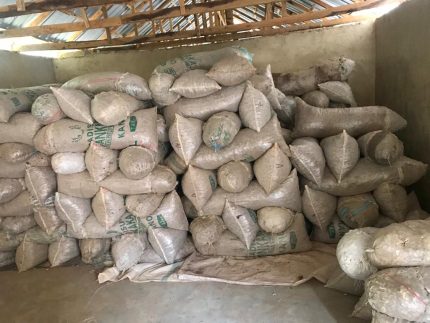
Turmeric powder is typically exported in multi-wall kraft paper bags, polypropylene woven bags, or bulk super sacks depending on order volume. Whole dried finger is generally packed in jute or polypropylene bags. Specific packaging options, minimum order quantities (MOQ), and available container load sizes for Karmenda Co. Ltd shipments are confirmed at the quotation stage. Contact us to discuss your volume requirements and preferred packaging format.
Pricing and How to Request a Wholesale Quote
Turmeric prices fluctuate based on harvest season, origin, curcuminoid content, processing form, and global commodity market movement. Published retail prices on consumer platforms are not relevant benchmarks for bulk trade. U.S. importers should request current FOB Mombasa or CIF pricing from us directly, specifying the required form (finger or powder), volume in metric tons or kilograms, and any quality parameters or certifications required.
To receive a turmeric wholesale quote from Karmenda Co. Ltd, use the inquiry form on this page or contact our export team directly. Provide your intended use, required quantity, preferred incoterm, and destination port. We will respond with current pricing and available documentation for your review.
Related Spices for Multi-Line Sourcing
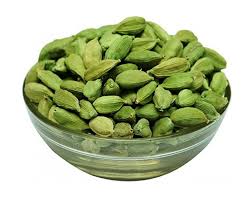
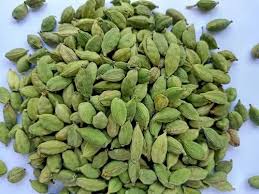
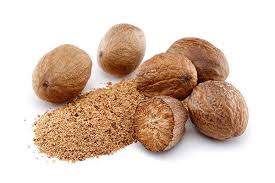
Many U.S. buyers sourcing turmeric also purchase complementary spices to consolidate shipments and reduce per-unit freight costs. Products frequently co-sourced alongside turmeric include Nutmeg, White Pepper, and Green Cardamom. Consolidated sourcing from a single Kenya-based exporter simplifies documentation, reduces vendor management overhead, and may improve freight economics on FCL container loads.
Frequently Asked Questions from U.S. Wholesale Buyers
- What forms of turmeric does Karmenda Co. Ltd export?
- We supply turmeric as whole dried finger/rhizome and as ground turmeric powder. Specific grades and processing options are confirmed at the quotation stage based on buyer requirements.
- Can you supply organic-certified turmeric?
- Certification status varies by available supply. Contact us specifying whether USDA NOP organic certification is required before submitting an order inquiry.
- What is the minimum order quantity for turmeric exports?
- MOQ is not published on this page as it varies by form and current supply position. Reach out directly with your target volume for accurate guidance.
- What testing documentation is available per lot?
- A certificate of analysis is available on request. Buyers requiring heavy metal testing, pesticide residue panels, or microbial counts should specify this at the inquiry stage so we can confirm availability and lead time.
- What is the curcumin content of your turmeric powder?
- Curcuminoid percentage varies by harvest lot and processing conditions. We do not publish a guaranteed figure on this page. Request a current COA for verified assay data from your specific lot.
- How does turmeric powder differ from turmeric extract for supplement use?
- Whole turmeric powder contains the full spectrum of plant compounds at naturally occurring concentrations. Standardized curcumin extracts are processed to concentrate curcuminoid content to defined levels (such as 95% curcuminoids) and are a separate product category not covered here.


Reviews
There are no reviews yet.