

Desiccated Coconut Powder for Wholesale and Food Manufacturing Supply
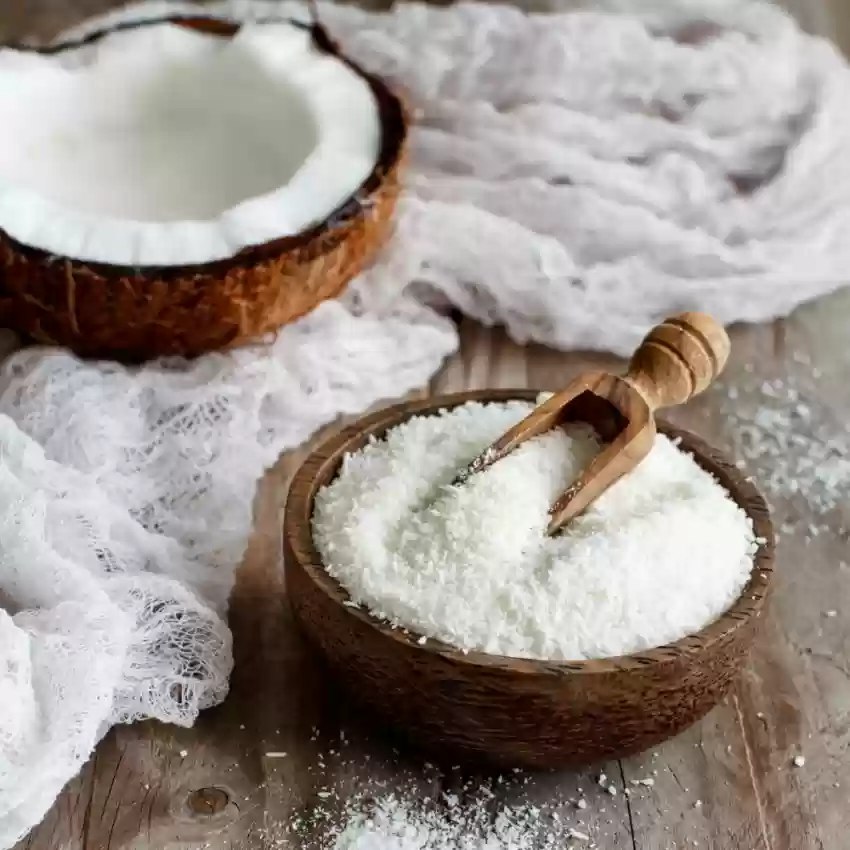
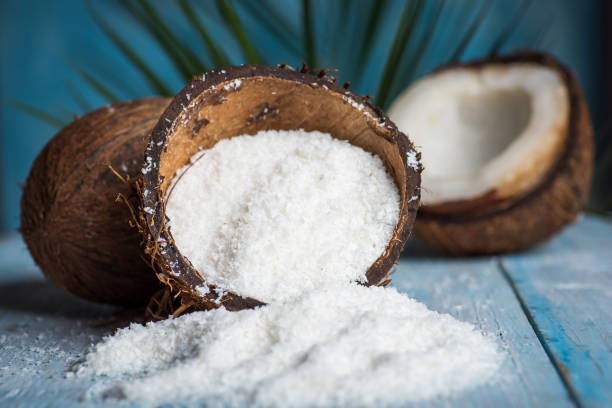
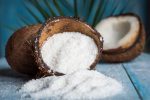
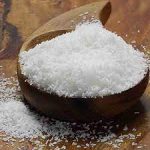
Desiccated coconut powder is the fine, free-flowing result of shredding and low-moisture drying the white meat of mature coconuts. The finished product is white to off-white in color, consistent with the food-grade standard expected across confectionery, bakery, curry paste and plant-based food manufacturing. No sugar, artificial preservatives or flavor enhancers are added at any stage of processing. The natural fat and coconut flavor remain intact, which is why the powder performs differently from coconut flour, coconut milk powder and sweetened shredded coconut, each of which carries a distinct fat profile, moisture level and functional behavior in formulation.
Karmenda is a Kenya-based exporter supplying desiccated coconut powder to wholesale buyers, importers, distributors and food manufacturers in the United States and other international markets. This page provides grade specifications, application guidance, packaging detail and the information needed to request a current bulk price or export quote.
Grade Specifications and Physical Parameters
Procurement teams and QA departments evaluating a desiccated coconut powder supplier typically request a defined set of parameters before raising a purchase order. The table below summarizes the commercial specification ranges that apply to this product. Exact figures per batch are confirmed on the certificate of analysis. Contact Karmenda to receive current specification sheets before committing to an order.
| Parameter | Typical Commercial Range |
|---|---|
| Color | White to off-white |
| Form | Fine powder (milled, not shredded flake) |
| Moisture content | 3% to 5% maximum |
| Fat content | 55% to 65% (high-fat grade); reduced-fat grades available by specification |
| Flavor | Natural sweet-nutty coconut; no off-notes |
| Additives | None (no preservatives, no sweeteners) |
| Shelf life | Up to 24 months under correct storage (cool, dry, sealed) |
| Standard pack format | 25 kg polypropylene bags; other formats on request |
Note: Moisture, fat content and microbiological results are confirmed at batch level. Request a current certificate of analysis at the inquiry stage.
Fat Grade Options: Matching the Product to Your Processing Line
Selecting the wrong fat grade is a formulation risk that shows up in texture, mouthfeel and shelf stability in the finished product. Karmenda supplies more than one grade, and buyers sourcing for multiple product lines sometimes carry both as separate procurement SKUs.
High-Fat Grade
At the upper end of the commercial fat range, high-fat desiccated coconut powder delivers a richer, creamier texture in fillings, confectionery centers and curry bases. The higher oil fraction also amplifies flavor concentration per gram, which can reduce the inclusion rate needed to reach a target taste profile. Confectionery manufacturers and artisan food processors are consistent buyers for this grade.
Medium-Fat and Low-Fat Grades
Reduced-fat grades are specified where coconut flavor and binding properties are required without the full caloric load of the high-fat product. Protein snack formulations, granola bars and certain bakery dry-mix applications commonly use these grades. Low-fat powder is also less prone to inter-particle clumping during dry-blend operations, which matters in high-throughput mixing environments. If your procurement covers both grades, request a dual-grade quote at the inquiry stage.
Application Segments: Where Desiccated Coconut Powder Is Used
Bakery and Confectionery Production
In biscuits, macaroons, cakes and coconut rolls, the powder contributes moisture absorption, structure and flavor in a single ingredient addition. It also functions as a decorative dusting coat on finished confectionery before sealing. Dry-toasting the powder before incorporation shifts its color from white to golden brown and deepens the nutty character, giving formulators a second flavor profile without reformulating the base recipe.
Curry Bases, Sauces and Savoury Processing
South Asian and Southeast Asian cuisine manufacturers use desiccated coconut powder as a body-building thickener in curry bases, often in combination with coconut milk to build fat-soluble flavor carry. It is equally suited to tempering operations, where it is added alongside aromatics to hot oil as the foundational layer of a sauce or paste. Food processors supplying retail-ready curry products to U.S. grocery chains and meal kit companies are consistent bulk buyers in this segment.
Beverage and Functional Dry Blends
Fine-milled desiccated coconut powder disperses into smoothie mixes and functional beverage powders more reliably than shredded or flaked coconut. Contract manufacturers producing private-label wellness drinks and tropical flavor blends use it as a cost-effective coconut flavor carrier in dry-blend format.
Plant-Based and Dairy-Alternative Products
The natural fat content of desiccated coconut powder contributes creaminess to plant-based ice cream bases, non-dairy creamers and vegan confectionery without animal-derived ingredients. U.S. distributors serving natural food retail increasingly require gluten-free and vegan certification pathways for this product category. Buyers in this channel should raise certification requirements at the inquiry stage so that documentation pathways can be confirmed in advance.
Powder vs. Flake: A Procurement Clarification
A recurring question among procurement teams new to this ingredient category is whether desiccated coconut powder and shredded or flaked desiccated coconut are interchangeable. They are not. Shredded and flaked forms retain visible fiber strands and a coarser, irregular particle structure suited to applications where visible coconut texture is part of the finished product presentation. Desiccated coconut powder is milled to a fine, uniform particle size that disperses evenly through batters, dry blends and pastes. The functional differences extend to water absorption rate, fat release behavior and visual finish in the end product. When evaluating a desiccated coconut powder price for bulk purchase, confirm particle size specification alongside moisture and fat content to avoid receiving a form that does not suit your processing line.
East Africa Supply Origin and Export Documentation
Karmenda operates from Kenya, exporting desiccated coconut powder and a range of spices and food ingredients to U.S. importers, distributors and food manufacturers. Kenya’s geographic position supports year-round coconut availability through established East African agricultural supply chains. For buyers actively diversifying away from a single sourcing origin, East Africa represents a practical alternative to South Asian or Southeast Asian suppliers, with its own export documentation infrastructure for agricultural commodity trade.
Standard export documentation for U.S. import entry typically includes commercial invoice, packing list, phytosanitary certificate, certificate of origin and a batch-level certificate of analysis. Buyers should confirm FDA import entry requirements and the applicable HS code classification with their customs broker before finalizing terms. Karmenda can coordinate required documentation; confirm specifics at the inquiry stage.
Packaging and Container Loading for Bulk Orders
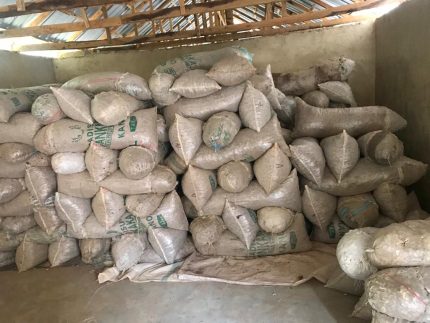
The standard commercial pack format for wholesale desiccated coconut powder is 25 kg polypropylene bags, consistent with bulk dry commodity handling across food manufacturing facilities. This format loads efficiently into standard FCL (full container load) or LCL (less than container load) container configurations from Nairobi. Buyers with specific requirements, including different bag weights, food-grade liner specifications or private-label retail-ready packing, should communicate those needs at the inquiry stage. Packaging affects unit pricing and lead time, so raising the requirement early keeps the quotation process accurate.
How the Powder Is Processed
The production sequence starts with mature coconuts. The outer shell and brown skin layer are removed to expose the white meat, which is then shredded and passed through a controlled drying step that reduces moisture to the low levels required for stability and shelf life. The dried meat is then milled to the fine powder grade. This is a mechanical process without chemical bleaching or treatment, which preserves the natural fat profile and flavor. Buyers specifying no-additive or all-natural status should confirm on the production batch certificate that no sulfites, anti-caking agents or other processing aids were used, as practice varies across production facilities.
Complementary Products for Wholesale Sourcing
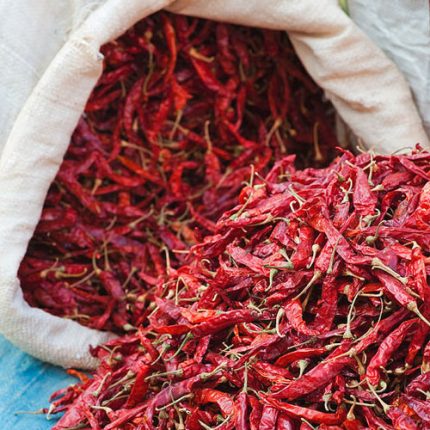
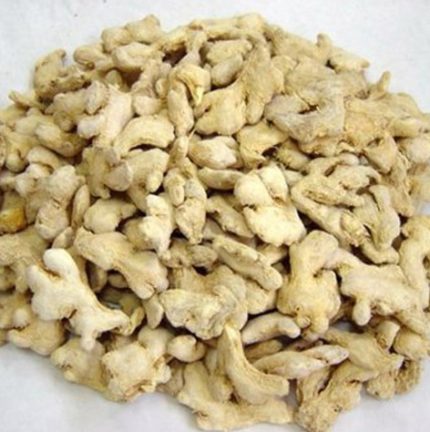
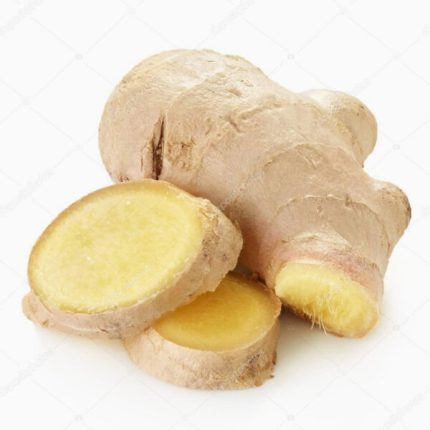
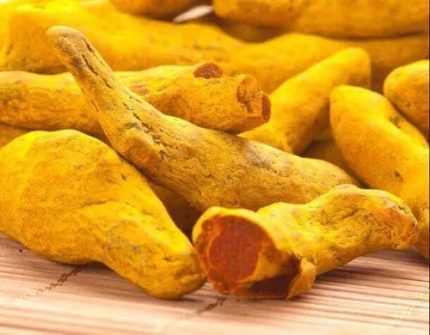
Buyers sourcing desiccated coconut powder for curry paste, spice blend or food manufacturing applications often procure complementary ingredients from the same supplier to consolidate shipments. Karmenda’s catalog includes Red Chili Powder, a core component in spiced coconut curry formulations, and Turmeric Finger, which is standard in curry bases and savoury sauce production. Buyers building a broader procurement program can also source Ginger and Nutmeg, both of which pair functionally and commercially with desiccated coconut in finished food applications. The full range is available through the Spices catalog.
Request a Desiccated Coconut Powder Price or Bulk Quote
Export pricing for desiccated coconut powder depends on grade, order quantity, pack format and shipping terms. Karmenda does not publish live spot prices because export pricing is volume-dependent and subject to commodity market movement. To receive a current and accurate desiccated coconut powder price for your order volume, submit a quote request with the following details:
- Required quantity (kg or MT)
- Fat grade preference (high-fat, medium-fat, low-fat)
- Intended application or industry sector
- Destination port or delivery address
- Any certification or documentation requirements
- Target delivery timeline
A qualified inquiry with this information allows Karmenda to return an actionable quote rather than a generic estimate. Use the contact or inquiry form on this site to submit your request.
For further details on Authoritative reference relevant to buyer guidance, standards or compliance, consult Regulations.gov.



Reviews
There are no reviews yet.