




Nutmeg Wholesale Supply from Kenya
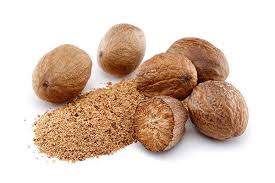
Nutmeg is the aromatic seed of Myristica fragrans, an evergreen tropical tree traded globally in two principal commercial forms: whole dried seed and ground powder. Merriam-Webster defines it as an aromatic seed produced by an evergreen tree of the family Myristicaceae. For U.S. procurement teams, the form distinction matters before an order is placed, because it affects transit stability, storage requirements, downstream processing needs, and per-unit freight calculations.
Karmenda Co. Ltd is a Kenya-based exporter supplying nutmeg wholesale to importers, spice distributors, food manufacturers, and private label repackagers in the United States. Buyers sourcing through a direct-exporter relationship avoid the additional margins introduced by domestic intermediaries, and East Africa origin allows for consolidated multi-spice shipments on a single set of export documents. Contact our team to request current nutmeg pricing, available grades, and MOQ terms for your import program.
Whole Nutmeg vs. Ground Nutmeg: The Form Decision for Bulk Buyers
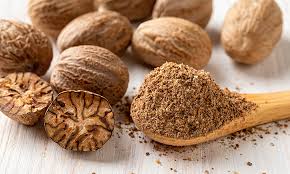
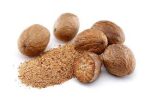
The choice between whole seed and ground powder is one of the first practical decisions a procurement team faces. Each form carries different logistics and downstream processing implications, and both are available from Karmenda.
Why importers favor whole nutmeg for long transit
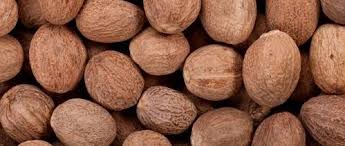
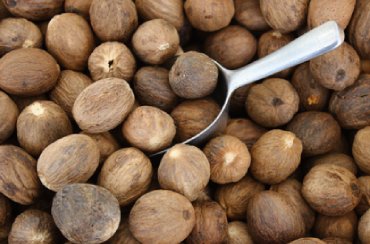
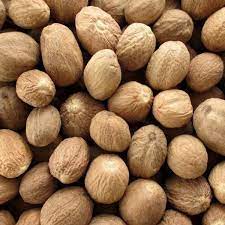
The hard outer shell of a whole nutmeg seed acts as a natural barrier against oxidation, preserving volatile oil content over longer periods. Importers shipping by ocean freight from East Africa and holding inventory for several months before downstream sale typically find whole nutmeg arrives and stores with better flavor integrity. It is also denser, which makes it more stable during container transit. Processors who operate in-house milling equipment prefer whole seed because they can grind to order and extract the freshest possible aroma at the point of use.
When ground nutmeg powder is the right specification
Ground nutmeg powder suits formulators and repackagers who need a ready-to-use ingredient and lack milling infrastructure. It integrates directly into spice blend batches, sausage seasoning production, and baked goods formulations without further processing. The trade-off is that ground powder is more sensitive to temperature fluctuations and oxidation, so inventory management matters more. Buyers sourcing ground nutmeg wholesale should confirm packaging seal quality and factor faster turnover into their demand planning.
Specify your preferred form when submitting a quote request so that packaging format, weight calculations, and per-unit pricing are accurate from the first response.
Commercial Applications and End Markets
Understanding where your business sits in the nutmeg supply chain helps frame the right sourcing conversation. The three primary U.S. end markets each have distinct specification priorities.
Food manufacturing and ingredient supply
Food processors use ground nutmeg as a direct ingredient in spice blends, baked goods formulations, sausage seasonings, and prepared soups. It pairs commercially with cinnamon, cloves, and allspice in warm-spice profiles that appear in U.S. products ranging from pumpkin pie spice blends to breakfast sausage seasonings. Beverage manufacturers, particularly those producing eggnog flavoring or chai-style spice concentrates, are consistent buyers of both forms. Lot traceability and documented flavor consistency across shipments are non-negotiable for this segment.
Retail repackaging and private label
Importers supplying grocery chains, specialty food retailers, or foodservice distributors require nutmeg that meets U.S. labeling, allergen, and food safety standards. Sourcing directly from a Kenya exporter rather than through a domestic intermediary can improve margins at scale, particularly for buyers purchasing in multi-pound or case quantities with predictable turn rates.
Spice blend manufacturing
Nutmeg is a component in several commercially important U.S. spice blends. Buyers in this segment typically require consistent flavor profiles across shipments, making a certificate of analysis and clearly documented specifications a baseline requirement for supplier evaluation rather than an optional extra.
Buyer Specification Reference
U.S. procurement teams typically evaluate nutmeg against a defined set of commercial parameters before confirming a supplier. The table below outlines the relevant specification categories. Specific values should be confirmed by requesting a product specification sheet and current lot certificate of analysis directly from our export team.
| Specification Category | Buyer Consideration |
|---|---|
| Form | Whole seed or ground powder; specify at inquiry stage |
| Moisture content | Critical for shelf life and FDA import compliance; confirm per lot |
| Foreign matter | Should meet ASTA cleanliness standards for U.S. market entry |
| Volatile oil content | Relevant for flavor processors; request certificate of analysis |
| Packaging options | Bulk bags, sacks, or repackaged quantities; confirm with sales team |
| Export documentation | Phytosanitary certificate, certificate of origin, commercial invoice, packing list |
Note: Specific grade thresholds, moisture percentages, and volatile oil minimums are not published here. Request a formal specification sheet and current lot data when submitting your inquiry.
Sourcing from Kenya: Export Process and U.S. Import Considerations
Kenya is an established origin for tropical spice exports to international markets. Buyers sourcing nutmeg from a Kenya-based exporter should factor the following process steps into their procurement timeline.
Export documentation
Standard shipments include a phytosanitary certificate, certificate of origin, commercial invoice, and packing list. Additional certifications (organic, food safety audit) should be raised at the inquiry stage, as availability depends on the specific lot being sourced. Availability of such certifications is not confirmed on this page and must be verified directly.
FDA Prior Notice requirement
U.S. importers are required to file FDA Prior Notice before a food shipment arrives. This is typically handled by your customs broker or freight forwarder, but it depends on the supplier providing complete, accurate product and origin documentation on time. Confirm this workflow with your logistics team when evaluating any new exporter relationship.
Shipping lead times and MOQ
Ocean freight from East Africa to U.S. ports involves standard transit times that should be built into your inventory replenishment cycle. Minimum order quantities and per-pound pricing are confirmed at the inquiry stage and vary by packaging format and destination. Submit a quote request with your target volume and required form to receive current commercial terms.
Post-Import Storage Guidelines
Storing whole nutmeg in bulk
Whole nutmeg should be kept in a cool, dry environment away from direct light and humidity. The seed’s shell provides natural protection, but conditions in the receiving warehouse still affect long-term quality. Buyers holding large quantities between receipt and resale or processing should confirm appropriate temperature and humidity ranges with their facility operations team.
Storing ground nutmeg powder
Ground powder is more sensitive to temperature fluctuations and must be kept sealed to preserve volatile oil content. Tighter inventory management and faster turnover are practical requirements for this form at the wholesale level.
Cold storage and bulk nutmeg
Whole seeds can tolerate cold storage temperatures, but condensation upon thawing is a practical concern for large commercial quantities. This is not standard practice for most U.S. importers at the wholesale level and should be discussed with your storage and logistics providers before adoption.
Consolidated Spice Sourcing Alongside Nutmeg
Procurement teams frequently consolidate their spice purchasing to reduce per-unit freight costs and simplify import documentation. The spices below share commercial and logistical overlap with nutmeg, and all are available from Karmenda for combined export.
Turmeric for warm-spice consolidation
Turmeric is a high-volume spice for U.S. importers supplying health food manufacturers, curry blend producers, and functional food formulators. Buyers building warm-spice inventory often add turmeric to the same shipment as nutmeg. We supply both Turmeric and Turmeric Finger for wholesale export.
Green Cardamom and baked-goods profiles
Cardamom and nutmeg share overlapping end markets in baked goods, chai blends, and seasonal flavoring applications. Buyers building warm-spice blend inventories benefit from sourcing both on a single consolidated shipment. We export Green Cardamom for wholesale procurement.
Pepper variants for foodservice and manufacturing
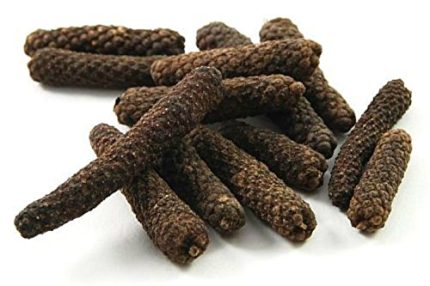
Pepper variants are natural companions in a consolidated spice import order. We export Long Pepper and White Pepper, both of which are sourced alongside nutmeg by buyers supplying foodservice and manufacturing accounts.
Review our full Spices catalog to identify consolidation opportunities before submitting your inquiry.
Nutritional Context for Labeling and Product Development
Food manufacturers and private label buyers often need basic nutritional context during product development. Nutmeg contains minerals including copper, magnesium, and manganese, as well as vitamins B6 and C. These are drawn from the product record as reference information only. Specific quantitative values per serving for U.S. regulatory labeling must be confirmed through accredited laboratory analysis on the actual lot being used, as FDA labeling requirements are based on verified, lot-specific data rather than general reference values.
Frequently Asked Questions from U.S. Wholesale Buyers
What documentation does a U.S. importer need when buying nutmeg from Kenya?
At minimum: a phytosanitary certificate, certificate of origin, commercial invoice, and packing list. U.S. importers must also file FDA Prior Notice before the shipment arrives. If your program requires additional certifications such as food safety audits or organic certification, raise this at the inquiry stage so availability can be confirmed for the specific lot.
Is whole or ground nutmeg better for bulk import from East Africa?
For most importers, whole nutmeg offers better stability over long ocean transit and extended warehouse holding. Ground nutmeg is appropriate when your downstream customers need ready-to-use product and your inventory turns quickly. Both forms are available; specify your requirement in your quote request.
What is a realistic minimum order quantity for nutmeg wholesale?
MOQ is confirmed at the inquiry stage and depends on packaging format and destination port. Contact our sales team with your target volume and we will respond with current availability and commercial terms. Specific MOQ figures are not published on this page.
Can nutmeg be sourced alongside other spices in one consolidated shipment?
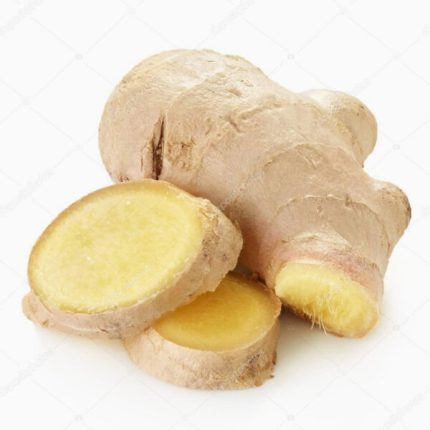
Yes. Buyers frequently consolidate spice orders to reduce per-unit freight costs. Karmenda exports turmeric, green cardamom, long pepper, white pepper, ginger, and other spices that can be shipped together with nutmeg. List your full requirements in your inquiry so we can provide consolidated pricing and documentation options.
What are the largest commercial end markets for bulk nutmeg in the U.S.?
The primary U.S. buyers are food manufacturers producing spice blends, baked goods, sausage seasonings, and prepared foods. Beverage manufacturers producing eggnog flavoring or chai concentrates are also consistent buyers. Retail repackagers and private label spice companies form a third major procurement segment.
For further details on Authoritative reference relevant to buyer guidance, standards or compliance, consult Agenda Item 4.1 CX/SCH 22/6/4 Add.1 JOINT ….
For further details on Authoritative reference relevant to buyer guidance, standards or compliance, consult nutmeg oil.
For further details on Authoritative reference relevant to buyer guidance, standards or compliance, consult V-8. Spices, Condiments, Flavors, and Crude Drugs C.


Reviews
There are no reviews yet.