

Red Garlic: Bulk Supply for U.S. Importers and Wholesale Buyers
Red garlic occupies a specific and well-established position in the global spice and fresh produce trade. For U.S. buyers, procurement teams and food industry distributors, it represents a product with consistent demand across retail, food service, and processing channels. Karmenda Co. Ltd exports red garlic from Kenya, supplying buyers who need reliable volume, verifiable product quality, and straightforward commercial terms.
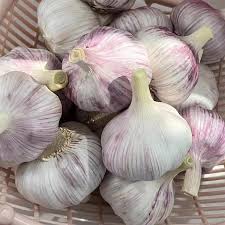
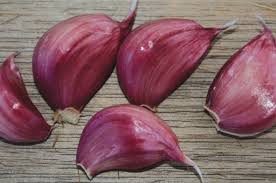
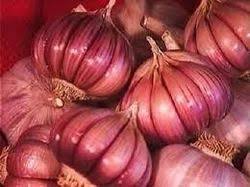
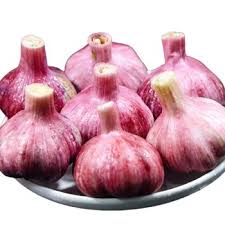
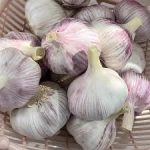
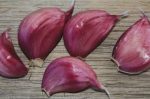
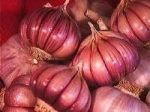
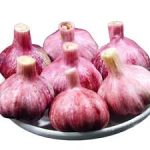
The term “red garlic” covers a range of hardneck and softneck varieties characterized by reddish to purple-streaked outer skins on both the bulb wrapper and, depending on variety, the individual clove coverings. The inner flesh is typically off-white. This visual distinction matters in retail and food service contexts, where presentation and variety identity influence purchasing decisions. For processors and ingredient buyers, the priority tends to shift to flavor intensity, allicin content, clove size, and storage performance.
Product Overview: What Red Garlic Is and Why It Trades Well
Garlic divides broadly into two structural types: hardneck and softneck. Red garlic varieties sit primarily within the hardneck category, which produces a rigid central stalk and tends to carry fewer but larger cloves per bulb. Hardneck types are known for more complex flavor and higher volatile sulfur compound concentrations, which supports their value in culinary and processing applications alike.
Several distinct red garlic varieties appear consistently in U.S. commercial markets. Each carries its own flavor signature, clove count, and handling characteristics relevant to buyers at the distribution and processing level:
Key Commercial Varieties Traded in the U.S. Market
- Chesnok Red (Shvelisi): A Standard Purple Stripe hardneck type. Recognized for large, well-formed bulbs, strong allicin content, and an ability to retain shape and flavor under heat, making it a consistent choice for food manufacturers who roast or cook garlic as an ingredient. Clove counts typically run 9 to 12 per bulb.
- Russian Red: A Rocambole-type hardneck with a pronounced purple-tinted outer wrapper and noticeably large bulbs. Known for bold flavor. Performs well in moderate to heavier soils. Average clove count is lower per bulb, meaning larger individual cloves, which suits peeling and processing operations.
- German Red: A mid-season Rocambole variety with a strong, full-bodied and spicy flavor profile. The outer bulb wrapper is satiny white with purple marking. Suited to buyers sourcing for pungency-focused applications.
- Romanian Red: Recognized in U.S. specialty markets for its hardiness, vigorous growth characteristics, and high allicin content. Easy-to-peel cloves are a practical advantage for buyers who process or repack garlic. Approximately 6 to 8 bulbs per pound is a typical commercial weight reference for this variety.
- Korean Red: A hardneck variety traded in U.S. specialty and ethnic food markets for its notably hot and pungent flavor. A distinct choice for manufacturers targeting spicy or intensely flavored product lines.
Buyers should note that specific variety availability depends on seasonal supply and sourcing conditions. Contact Karmenda Co. Ltd to confirm which red garlic varieties are available for your order window.
Commercial Applications: Where Red Garlic Fits in the Supply Chain
Red garlic moves through multiple channels in the U.S. market, each with distinct specification requirements:
Food Manufacturing and Ingredient Processing
Processors sourcing garlic for paste, powder, granules, dehydrated flake, or extract production value consistent bulb size and clove yield above varietal identity. Red garlic varieties with high allicin content and firm, easy-to-separate cloves reduce processing waste and improve throughput. Buyers at this level typically specify moisture content, bulb diameter, and freedom from physical defects.
Wholesale Distribution and Food Service
Distributors supplying restaurants, catering operations, and institutional kitchens look for fresh or cured garlic with good shelf life, presentable bulb appearance, and predictable clove count. Red garlic varieties are often requested by chefs for their visual appeal and flavor complexity. Hardneck red varieties tend to have shorter post-harvest storage windows than some softneck types, a logistical factor that matters for distribution timelines and cold chain planning.
Retail Repackaging and Specialty Markets
Specialty food retailers and importers who source distinctive garlic for consumer-facing products benefit from the visual differentiation red garlic provides. The purple-streaked or reddish skin of varieties like Chesnok Red or Russian Red commands premium shelf positioning in natural food retail and specialty grocery environments.
Export Supply from Kenya: What U.S. Buyers Should Know
Kenya’s equatorial growing conditions, altitude variation, and year-round agricultural activity position it as a viable sourcing origin for garlic and spice crops destined for North American import. Karmenda Co. Ltd operates as a direct export supplier, working with buyers who need product documentation, consistent supply scheduling, and clear communication on product status.
Packaging and Handling for Export
Red garlic for export is typically handled in mesh bags or carton packaging suited to air circulation and moisture control during transit. Specific packaging formats, weights per unit, and palletization arrangements depend on buyer requirements and shipping mode. Buyers with defined packaging specifications should communicate these at the inquiry stage. We do not publish fixed packaging formats here because buyer requirements vary, and we prefer to confirm details directly before quoting.
Documentation and Compliance Considerations
U.S. importers bringing fresh garlic or dried garlic products into the country are subject to USDA APHIS phytosanitary requirements and FDA prior notice procedures. Karmenda Co. Ltd can support buyers with phytosanitary certificates and the standard export documentation required for Kenyan agricultural produce. Buyers are responsible for confirming import permit requirements, applicable tariff classifications, and any USDA inspection requirements that apply to their specific product form. (Note: Specific certifications held by Karmenda Co. Ltd are not listed in available product data. Buyers should request current documentation directly.)
Pricing and Minimum Order
Red garlic wholesale pricing depends on variety, grade, packaging specification, order volume, and shipping terms (FOB, CIF, or other agreed Incoterms). We do not publish fixed prices on this page because export pricing is negotiated based on current supply conditions and buyer requirements. U.S. buyers sourcing at volume should contact us directly to receive a tailored quote. Procurement teams requiring landed cost estimates should specify their port of entry and preferred Incoterms when requesting a price.
Buyer Qualification: Is This the Right Source for Your Business?
Karmenda Co. Ltd is positioned to serve wholesale and commercial buyers rather than individual or small retail orders. If your business falls into any of the following categories, a sourcing conversation is appropriate:
- U.S. food importers building a Kenya or East Africa sourcing lane for spices and fresh produce
- Distributors supplying foodservice, retail, or ethnic grocery channels who need consistent supply of red garlic
- Food manufacturers and processors requiring bulk raw garlic as an ingredient input
- Procurement teams at CPG companies or meal kit operations evaluating new supply origins
- Brokers or trading companies consolidating East African agricultural exports
If you are sourcing a small consumer quantity, this catalog is not structured for that transaction. Our inquiry process is built for commercial buyers.
Red Garlic vs. White Garlic: A Practical Distinction for Buyers
U.S. procurement teams sometimes ask why red garlic commands separate consideration from the standard white softneck garlic that dominates supermarket supply. The practical differences come down to three commercial factors:
- Flavor intensity: Most red hardneck varieties carry a more pronounced, complex flavor than commodity white softneck garlic. This matters when garlic is a featured rather than background ingredient.
- Clove structure: Hardneck red varieties produce fewer, larger cloves per bulb. This affects peeling yield, labor cost in processing, and portion sizing in food service.
- Storage duration: Softneck white garlic generally stores longer post-harvest than most hardneck red types. Buyers managing inventory cycles of several months should factor this into purchase volume decisions.
For buyers whose applications are served equally well by either type, our White Red Chinese Garlic listing is worth reviewing as an alternative or complementary option.
Spice Catalog: Related Products Available for Combined Sourcing
Many buyers sourcing red garlic also procure complementary spices and botanicals within the same import shipment to optimize container utilization and reduce per-unit logistics cost. Karmenda Co. Ltd supplies a range of spice and agricultural products from Kenya. Relevant options in our current catalog include:
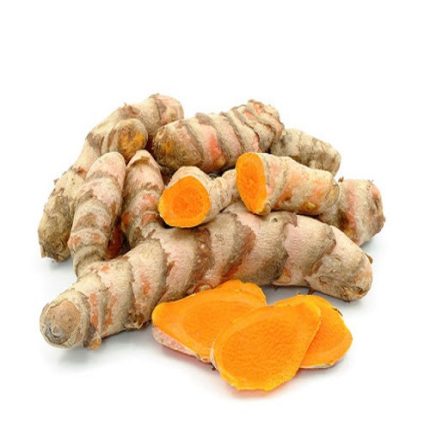
- Turmeric – whole or processed, widely used alongside garlic in spice blends and health ingredient applications
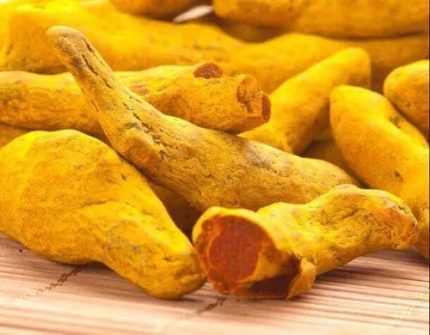
- Turmeric Finger – raw finger form for buyers who process or dry turmeric in-house
- Green Cardamom – a high-value spice with strong demand in U.S. specialty food and beverage markets
- Nutmeg – available for bulk export alongside other spice lines
Buyers interested in combined shipments should reference their full product list when contacting us. View our complete Spices catalog for current availability.
How to Request a Red Garlic Wholesale Quote
The fastest route to a price is a direct inquiry. When contacting Karmenda Co. Ltd, include the following in your initial message to avoid delays:
- Preferred variety or varieties, if known (e.g., Chesnok Red, Russian Red, or general red hardneck)
- Required quantity in metric tons or pounds
- Product form needed: fresh/cured whole bulbs, peeled, or dried/processed
- Packaging preference: mesh bag, carton, or open to recommendation
- Intended use: retail repack, food service distribution, or ingredient processing
- Destination port and preferred Incoterms
- Timeline: immediate requirement or forward planning
Providing this information upfront allows us to return a specific, usable quote rather than a generic price range. Use the contact or inquiry form on this page to begin the process.
Frequently Asked Questions from U.S. Buyers
See the FAQ section below for answers to common sourcing questions. If your question is not addressed, contact us directly.



Reviews
There are no reviews yet.