

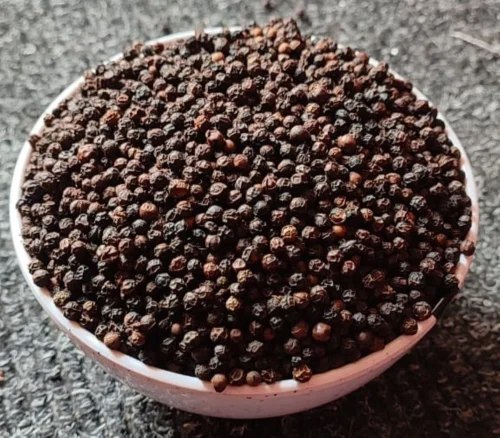
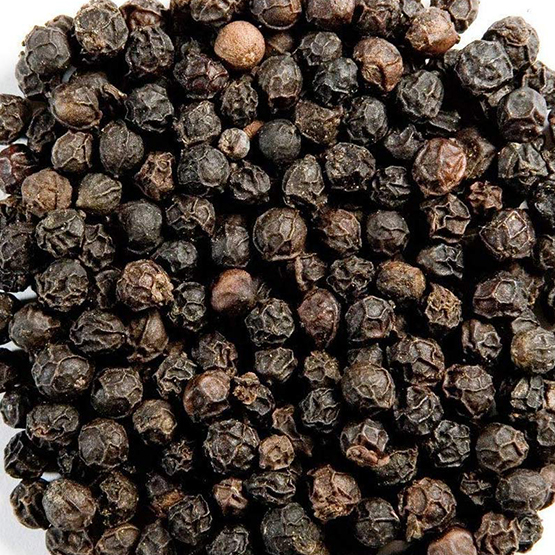
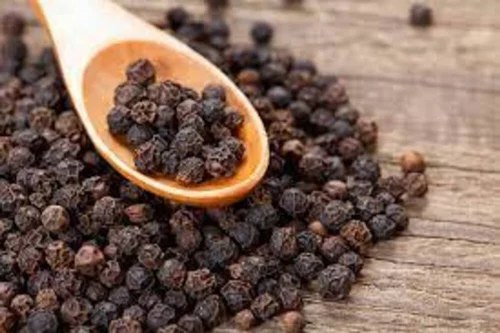
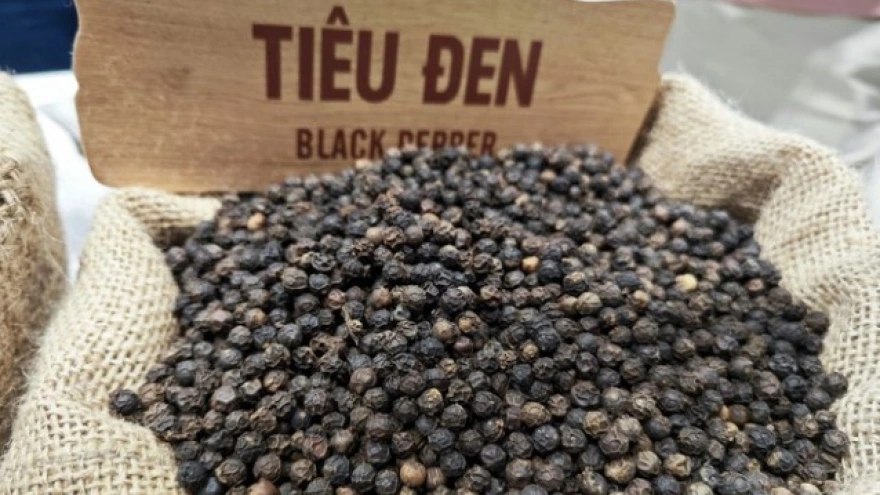

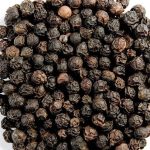

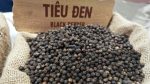

Kenyan Black Pepper for Wholesale and Export
Black pepper (Piper nigrum) is one of the most traded spice commodities in the world, and procurement teams sourcing at scale need a supplier whose documentation, grade consistency, and supply capacity hold up under commercial scrutiny. Karmenda Co. Ltd exports Kenyan-grown black pepper directly from Mombasa, offering verifiable certifications, transparent specifications, and the grade flexibility that food manufacturers, spice distributors, and private-label processors require.
Piper nigrum is a climbing vine cultivated for its berries, which are harvested green and dried to produce the characteristic dark brown to black peppercorns used across culinary, pharmaceutical, and cosmetic industries. Piper nigrum botanical profile (Indiana University Greenhouse) Kenya’s growing conditions, including equatorial altitude and regulated rainfall, support fruit development with the dense aromatic oil profile that buyers in the U.S. market increasingly specify when moving away from commodity-grade pepper toward origin-traceable supply chains.
Grade Options and Physical Specifications
Not all black pepper bulk shipments are equivalent. Grade selection directly affects piperine yield, granulometry, and end-product performance. The table below covers verified specifications for this product.
Available Grades
| Grade | Description | Typical Application |
|---|---|---|
| FAQ (Fair Average Quality) | Standard commercial grade, suitable for processing and blending | Seasoning blends, food manufacturing |
| MG1 (Malabar Grade 1) | Higher uniformity, lower foreign matter | Retail packing, spice distributors |
| TGEB (Tellicherry Extra Bold) | Larger berry size, bold aroma profile | Premium retail, restaurant supply, gourmet processors |
| Custom Grade | Specification agreed per buyer requirement | Private label, contract manufacturing |
Physical and Chemical Parameters
| Parameter | Specification |
|---|---|
| Botanical Name | Piper nigrum |
| Origin | Kenya |
| Color | Dark brown to black |
| Moisture Content | Max 12% |
| Foreign Matter | Max 0.5% |
| Admixture | Max 1% |
| Density | 500-600 g/l |
| Granulation (whole) | 2-5 mm |
| Granulation (ground) | Fine |
| Piperine Content | Min 4% |
| Shelf Life | Up to 2 years (proper storage) |
Piperine is the alkaloid responsible for the characteristic heat and bite of black pepper. A minimum 4% piperine specification is a meaningful threshold for food manufacturers and pharmaceutical ingredient buyers who require functional potency, not just sensory character. Black pepper and piperine overview (WebMD)
Product Forms: Whole Peppercorns and Ground Pepper
Procurement teams sourcing for different processing stages need clarity on which form best suits their operation.
Whole Black Peppercorns
Whole peppercorns are picked green from the vine before full ripening, then briefly processed and dried to develop the dark outer surface. Granulometry runs 2-5 mm. This form is preferred by spice grinders, restaurant distributors, and buyers who require freshness retention through their own milling process. Whole peppercorns also offer a longer effective shelf life when stored correctly, since volatile aromatic compounds remain sealed until grinding.
Ground Black Pepper
Ground pepper is produced to a fine particle size and is ready for direct incorporation into seasoning blends, marinades, rubs, or retail packs. U.S. food manufacturers and co-packers sourcing ground black pepper in bulk should confirm moisture content on receipt, as fine-ground pepper is more sensitive to humidity uptake than whole peppercorns. Our ground product ships at max 12% moisture with inner-lined bulk bags to protect against in-transit absorption.
Packaging Options for Bulk and Retail Orders
Packaging is confirmed based on buyer requirement at the time of order. The following formats are available.
- 25 kg or 50 kg PP bags with inner liner – Standard bulk format for food manufacturers, processors, and wholesale distributors
- 100g, 250g, 500g, 1 kg laminated pouches or plastic jars – For private-label retail programs or foodservice distributors handling finished SKUs
- Customized packaging – Label design, pouch format, and pack weight adjusted per buyer specification
Certifications and Export Documentation
U.S. importers dealing with FDA-regulated food products need a supplier who can produce the right paperwork before shipment, not after. The following certifications apply to this product.
Quality and Safety Certifications
- Kenya Bureau of Standards (KEBS) Certification
- ISO 22000 Food Safety Management System
- HACCP (Hazard Analysis and Critical Control Points)
- Phytosanitary Certificate issued by KEPHIS (Kenya Plant Health Inspectorate Service)
- Organic Certification (available where applicable – confirm at inquiry stage)
The KEPHIS phytosanitary certificate is required for plant-derived commodities entering the United States and confirms that the consignment has been inspected and found free from quarantine pests. Buyers should factor phytosanitary lead times into shipping schedules when placing first orders.
Responsible Sourcing and Traceability
Kenyan black pepper grown under conditions with regulated pesticide use means procurement teams can more reliably meet clean-label and residue-limit specifications required by U.S. retailers and foodservice buyers. While we do not make unverified claims about farming practices, buyers requiring detailed traceability documentation or third-party audit reports should raise these at the inquiry stage so requirements can be confirmed before proforma issuance.
Export and Shipping Details
Order Quantities and Supply Capacity
- Minimum Order Quantity: 1 Metric Ton (MT)
- Supply Capacity: 50-100 MT per month
- Port of Shipment: Mombasa, Kenya
Delivery Terms and Payment
- Incoterms Available: FOB, CIF, CFR (as per buyer request)
- Estimated Transit Time: 15-30 days depending on destination port
- Payment Terms: Letter of Credit (LC), Telegraphic Transfer (TT)
U.S. importers working with an established freight forwarder will find Mombasa a well-serviced port for East African spice shipments. Buyers requiring CIF pricing to a named U.S. port should specify the destination when requesting a quote so freight and insurance can be calculated accurately.
Applications Across Industries
Black pepper’s commercial footprint extends well beyond the kitchen. Procurement teams from several distinct sectors source Piper nigrum in bulk.
Food Manufacturing and Seasoning
The largest volume use case. Ground black pepper and cracked peppercorns enter spice blends, dry rubs, marinades, processed meat seasonings, soups, sauces, and ready-meal formulations. The spice’s heat profile from piperine adds depth without the color impact of chili-based ingredients, making it a stable choice across a wide range of formulations.
Pharmaceutical and Nutraceutical Ingredients
Piperine has documented bioavailability-enhancing properties and is used in herbal medicine and supplement formulations. Buyers in this sector typically require verified piperine percentage and may request batch-specific certificates of analysis. Confirm these requirements when submitting an inquiry.
Cosmetic and Personal Care
Black pepper essential oil and pepper extracts appear in skincare, fragrance, and warming topical products. This is a lower-volume but higher-value application segment for which custom processing or extraction-grade specifications may be required.
Storage Conditions and Shelf Life
Correct storage protects aroma quality and keeps moisture within specification through the supply chain.
- Store in a cool, dry location away from direct heat sources
- Keep away from direct sunlight and high-humidity environments
- Use airtight containers or sealed liner bags to preserve aromatic oil content
- Shelf life: up to 2 years under proper storage conditions
Wholesale buyers holding inventory in ambient warehouse conditions in warm-climate U.S. states should monitor moisture levels, particularly for ground pepper lots. Whole peppercorns are inherently more stable and recommended for buyers with longer inventory cycles.
Related Spices from Our Export Catalog
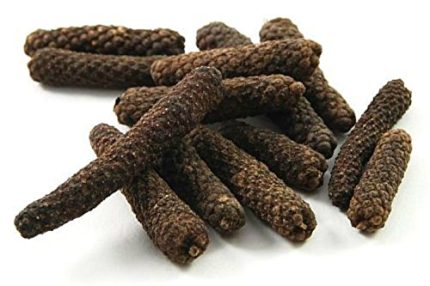
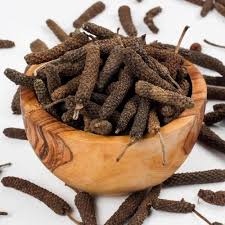
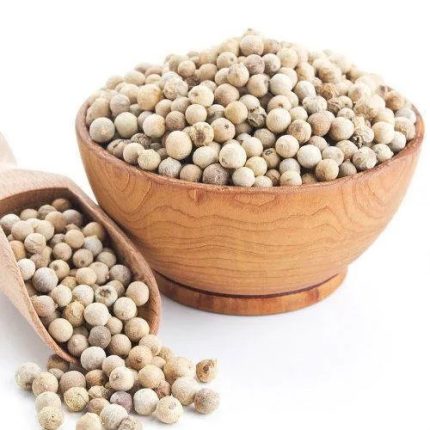
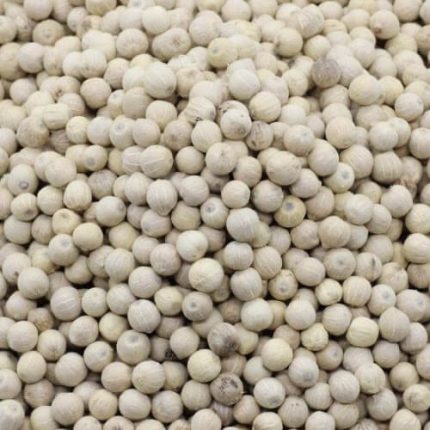
Buyers consolidating spice shipments can source complementary products from the same export program. Our catalog includes White Pepper, which is processed from fully ripened Piper nigrum berries with the outer hull removed, offering a milder heat and lighter color suitable for cream sauces and light-colored formulations. Long Pepper is available for buyers seeking differentiated pepper varieties for specialty food or Ayurvedic applications. View the full Spices catalog for a complete list of available export products.
Frequently Asked Questions from Wholesale Buyers
What is the minimum order for bulk black pepper?
The minimum order quantity is 1 Metric Ton. Orders below this threshold are not available through the export program. Retail-format packaging in smaller quantities (100g to 1 kg) can be discussed for private-label programs within a larger order.
Which grades are available and how do I choose?
FAQ grade suits high-volume food processing and blend manufacturing where cost efficiency is the priority. MG1 offers tighter uniformity for retail packing. TGEB (Tellicherry Extra Bold) is the premium grade for gourmet applications or retail lines where berry size and aroma intensity are a selling point. Custom specifications can be agreed for contract buyers.
Can you provide a certificate of analysis with each shipment?
Yes. Standard export documentation includes the phytosanitary certificate issued by KEPHIS and quality certification under KEBS and ISO 22000. Certificates of analysis covering piperine content, moisture, and foreign matter can be arranged. Specify your documentation requirements at the inquiry stage.
What are the available shipping terms?
We offer FOB, CIF, and CFR. FOB Mombasa is standard for buyers with established freight arrangements. CIF to a named U.S. port is available and pricing is calculated at the time of quotation based on current freight rates.
Is organic-certified black pepper available?
Organic certification is available where applicable. Confirm at the inquiry stage so we can advise on current certified stock and any price differential.
How long does shipment take to reach U.S. ports?
Transit from Mombasa to major U.S. ports typically runs 15-30 days depending on the destination port and routing. East Coast ports generally receive East African shipments faster than West Coast ports. Factor in customs clearance time when planning inventory cycles.
For further details on Authoritative reference relevant to buyer guidance, standards or compliance, consult foodtype/id/_A018Z – Food Standards Agency Codes.


Reviews
There are no reviews yet.