

Product Overview: Whole Dried Cloves for Commercial Buyers
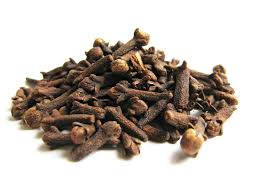
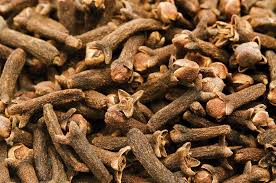
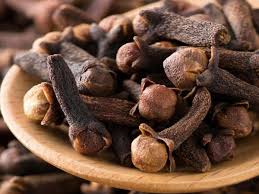
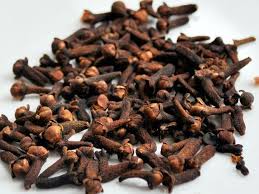
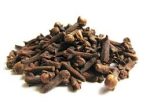
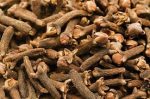
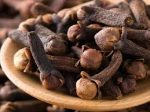
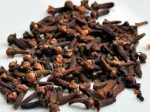
Cloves spice consists of the dried, unopened flower buds of Syzygium aromaticum, an evergreen tree in the Myrtle family. The buds are harvested before opening, then dried to produce the nail-shaped whole clove recognizable in spice trade. The product supplied here is whole form only, brown to dark brown in colour, with the characteristic sharp, warm, and faintly sweet aroma driven primarily by eugenol, the dominant volatile compound in quality clove material.
Cloves rank among the most commercially significant spices in global trade. For U.S. buyers sourcing in quantity, the two most critical procurement variables are volatile oil content (which governs flavour intensity and suitability for extraction or oleoresin production) and moisture level (which affects shelf stability, mould risk and customs compliance). Both parameters are specified in the product record and verifiable at the point of export.
Cloves are traded as a component in Chinese five-spice powder, as a standalone cooking spice across South Asian, Middle Eastern, African, and European culinary traditions, and as a raw material for oleoresin, essential oil, and eugenol extraction in fragrance and pharmaceutical applications. Procurement teams evaluating this listing should note that the volatile oil minimum of 14% positions this material at the upper threshold expected by serious food manufacturers and extraction processors.
Verified Export Specifications
The table below reflects confirmed product data from the supplier record. Do not rely on inferred values for purchasing decisions; request a formal Certificate of Analysis for lot-specific confirmation.
| Parameter | Specification |
|---|---|
| Form | Dried whole flower bud |
| Colour | Brown to dark brown |
| Odour | Characteristic clove aroma |
| Volatile Oil | Min. 14% |
| Moisture Content | Max. 12% |
| Ash Content | Max. 7% |
| Acid Insoluble Ash | Max. 0.5% |
| Mould | Max. 1% |
| Insect Defiled / Infested | Max. 1% |
| Extraneous / Foreign Matter | Max. 1% |
| Headless Buds | Max. 20% |
| Whole Insect, Dead | Max. 4 by count |
| Mammalian Excreta | Max. 5 by count |
| Other Excreta | Max. 8 by count |
The headless bud tolerance (max. 20%) is a standard trade parameter for whole cloves. Buyers requiring a lower headless percentage for retail-grade or premium packaging should specify this at the inquiry stage. Volatile oil content at 14% minimum meets the threshold referenced in many commercial spice trade standards for whole cloves intended for food manufacturing.
Where Whole Cloves Spice Is Used: Commercial Applications
U.S. buyers span several distinct end-use categories, and the right-fit application depends on the buyer’s processing setup and product requirements.
Food Manufacturing and Spice Blending
Whole cloves feed directly into grinding and blending lines. Ground cloves are a functional ingredient in baked goods, braised meat recipes, pickling brines, and charcuterie seasoning. Food manufacturers purchasing whole-form material and grinding in-house maintain better control over particle size, essential oil retention, and final blend consistency than buyers purchasing pre-ground material.
Cloves are also one of the five core components in Chinese five-spice powder, a commercially significant blend used across East Asian cuisine and increasingly adopted in U.S. restaurant and packaged-food markets. Any manufacturer producing Chinese five-spice at scale needs a consistent, traceable whole clove source with verified oil content.
Oleoresin and Essential Oil Extraction
High volatile oil content (min. 14%) makes this material relevant for processors extracting clove oleoresin or isolating eugenol for use in fragrance compounds, dental preparations, and flavour additives. Extraction buyers should request lot-by-lot volatile oil certificates and discuss minimum order volumes directly.
Beverage and Tea Applications
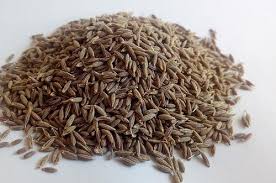
Whole cloves are used in spiced tea blends, masala chai formulations, mulled wine bases, and warming beverage mixes. The whole bud form retains aromatic intensity during infusion and is preferred by specialty tea blenders and beverage co-packers who steep whole spices rather than using extracts. Buyers working in this category often source alongside complementary spices such as Cumin and other warming aromatics from the same supplier for consolidated shipment efficiency.
Industrial and Pharmaceutical Applications
Eugenol, the primary active compound in clove volatile oil, is used in dental formulations (historically as a topical analgesic), in certain fragrance constructions, and as a reference compound in laboratory settings. Buyers in this segment require strict batch documentation and consistent sourcing geography. Note: Karmendaco does not make pharmaceutical-grade or medicinal claims for this product. Buyers should conduct their own compliance review for regulated applications.
Flavour Profile and Handling Guidance for Procurement Teams
Cloves carry a hot, sweet, faintly numbing flavour character. The numbing effect is a direct result of eugenol concentration, which is why the volatile oil minimum matters commercially beyond just aroma intensity. In blended applications, cloves pair consistently with cinnamon, nutmeg, star anise, and pepper, which is why they appear across global blend categories from garam masala to pickling spice.
For buyers evaluating this material for Asian-inspired blends, clove is an ingredient in formulations modelled on Chinese five-spice (alongside cassia, star anise, fennel, and Sichuan pepper, as confirmed by Britannica’s botanical reference on clove). It also appears in Korean-influenced spice profiles, East African pilau masala, and Middle Eastern baharat. A buyer building a diverse spice catalogue for the U.S. food service or ethnic grocery segment would find this material relevant across multiple SKU formulations.
Export Process and U.S. Import Compliance
Karmendaco Ltd operates as a Kenya-based exporter with the ability to supply documentation relevant to U.S. import requirements. U.S. buyers importing spices are subject to FDA oversight under 21 CFR, and shipments may be subject to detention or refusal if defect action levels for insect contamination or mould are exceeded. The specifications listed above align with commercially accepted trade tolerances; buyers should cross-reference current FDA Compliance Policy Guides for whole cloves before committing to purchase quantities.
Standard export documentation available on request includes phytosanitary certificates, Certificate of Origin, and packing lists. Buyers requiring additional documentation such as a Certificate of Analysis, fumigation records, or HACCP compliance letters should specify requirements at the inquiry stage.
Shipping is by sea freight (FCL or LCL depending on volume) from Kenya. Incoterms, lead time, and freight estimates are provided in the formal quotation. No shipping promises or delivery timelines are stated on this page, as these depend on destination port, vessel scheduling, and order volume.
Bulk Ordering: What to Include in Your Inquiry
To generate a useful price quote quickly, buyers should include the following in their initial contact:
- Required quantity (weight in metric tonnes or kg, and order frequency)
- Desired Incoterms (FOB Mombasa, CIF, or other)
- Destination port or warehouse zip code
- Packaging preference (PP bags, multi-wall kraft, drums, or buyer-specified)
- Any specification deviations from the standard listed above (e.g., lower headless tolerance, higher volatile oil minimum)
- Documentation requirements for your FDA import process
Buyers without established spice import experience are encouraged to consult a licensed customs broker familiar with FDA spice import procedures before placing an order.
Related Spices Available from Karmendaco
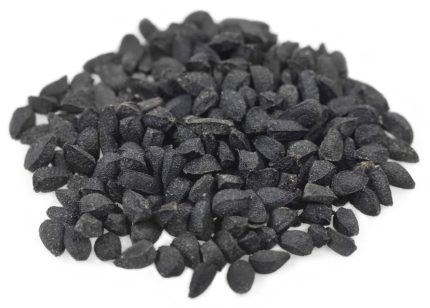
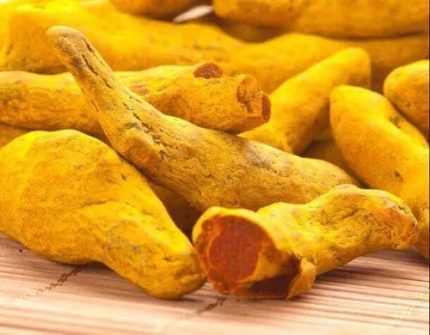
Buyers consolidating a spice shipment or building out a multi-SKU sourcing programme can source additional complementary products from the same export origin. Products relevant to buyers sourcing cloves for blending applications include Black Cumin Seed, Turmeric, and White Pepper. For a full view of available export spices, visit the Spices category.
Frequently Asked Questions from U.S. Wholesale Buyers
What volatile oil content should I expect in commercial-grade whole cloves?
The product listed here specifies a minimum of 14% volatile oil, which is consistent with quality-grade whole cloves used in food manufacturing and extraction. Lower-quality material in the market can fall below 10%, which reduces flavour intensity and yield in oleoresin extraction. Always request a Certificate of Analysis confirming the volatile oil percentage for the specific lot being purchased.
Is this product suitable for use in Chinese five-spice blends?
Yes. Whole cloves are one of the five core components in Chinese five-spice powder, alongside cassia, star anise, fennel, and Sichuan pepper. The whole bud form is appropriate for grinding prior to blending. Buyers should specify their required particle size range when ordering for blending applications.
What documentation is available for FDA import compliance?
Available documentation includes phytosanitary certificates, Certificate of Origin, and packing lists. Certificates of Analysis, fumigation records, and additional compliance letters are available on request. Buyers should confirm specific FDA filing requirements with their customs broker before the shipment departs.
Can I source cloves alongside other spices in a single shipment?
Yes. Karmendaco supplies a range of export spices from Kenya. Consolidating multiple spice lines into a single FCL shipment is a common approach for U.S. importers looking to reduce per-unit freight costs. Contact the trade team with a list of required products and volumes for a consolidated quotation.
What is the maximum acceptable headless bud percentage for U.S. retail use?
The standard specification for this product allows up to 20% headless buds, which is a normal commercial tolerance for whole cloves in food-grade wholesale trade. Buyers packaging for retail under their own brand and requiring a visually consistent product may wish to request a lower headless tolerance. This can be discussed at the inquiry stage, though it may affect pricing and available lot selection.


Reviews
There are no reviews yet.