


Organic Indian Long Pepper (Piper longum) for Wholesale Sourcing
Long Pepper, the dried catkin fruit of the flowering vine Piper longum, is one of the oldest traded spices in the world, recorded in South Asian commerce long before black pepper dominated global trade. Known as Pippli in Hindi and Sanskrit, it was the preferred pepper of ancient Rome and remained a staple across Mediterranean, African, Indian and Arab kitchens for centuries before chili peppers displaced its role in European larders.
Our Long Pepper is sourced as the Indian variety, Piper longum, from India. This is the botanically distinct species that spice buyers and food manufacturers specifically request, as opposed to Piper retrofractum, the Javanese or Balinese variant grown in Indonesia and Southeast Asia. Both are traded under the name long pepper, but their flavor profiles, pod morphology and regional culinary applications differ. Buyers sourcing for Indian cuisine formulations, specialty spice blends or authentic historical recipes consistently specify Piper longum.
Flavor Profile and Variety Specification
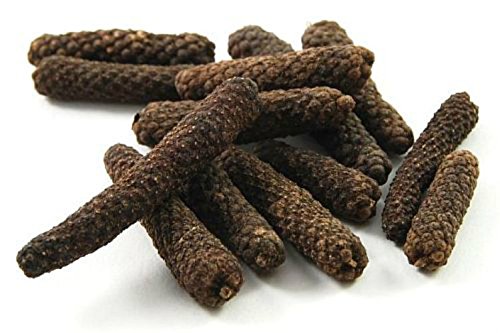
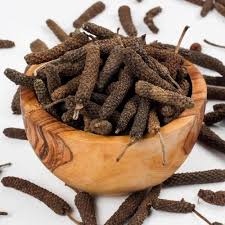
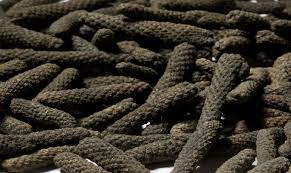
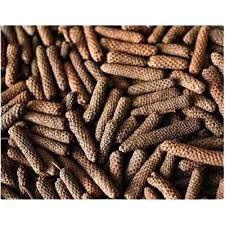
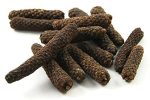
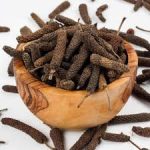
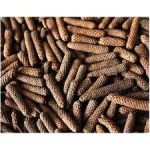
The catkins measure roughly 2 to 3 cm in length and dry to a dark grey-brown cone shape, with a surface texture resembling a small, elongated pine cone. Inside, the tiny embedded fruits are arranged in a radial pattern. The dried form is the standard commercial product, and it is typically used whole for infusing broths and slow-cooked preparations, or ground as a component in spice blends.
Flavor-wise, long pepper is not simply a hotter version of black pepper. The heat builds more slowly and sits deeper in the palate. Alongside that heat are distinct warm-spice notes: something between cinnamon, ginger and cardamom, with a faintly musky, earthy undertone. That complexity makes it useful to formulators building garam masala, spice rubs, pickle blends and seasoning mixes where a single spice needs to contribute several flavor dimensions at once.
Indian Long Pepper vs. Javanese Long Pepper: What Buyers Need to Know
Piper longum (Indian) and Piper retrofractum (Javanese) are not interchangeable in all applications. Piper longum produces slightly longer, more cylindrical catkins and is the variety historically used in South Asian, Mediterranean and East African culinary traditions. Piper retrofractum is somewhat shorter and is standard in Balinese, Malay and Javanese cooking. The spice trade has historically blended both without distinguishing them on labeling, but buyers formulating for verified geographic origin or seeking certified Indian pippli should confirm the species at the point of sourcing. Our supply is Piper longum from India.
Industrial and Commercial Applications
Long pepper occupies a niche that generic black pepper cannot fill, which makes it commercially attractive to a specific buyer segment rather than a commodity replacement. The following applications are documented across the trade.
- Spice blending and seasoning formulation: Long pepper is a recognized component in garam masala variants, ras el hanout (Moroccan mixed spice), Ethiopian berbere-adjacent blends and South Asian pickling spice mixes. Its multi-note flavor means it can reduce the number of individual ingredients needed in a blend.
- Specialty food manufacturing: Artisan charcuterie, cured meats and fermented preparations use whole long pepper as an infusion ingredient. The slow-release heat profile suits slow-cook and long-ferment applications better than finely ground black pepper.
- Broth and stock production: Whole catkins are used in commercial broth bases and bone broth formulations, removed after cooking much like a bay leaf, to impart depth without grittiness.
- Culinary retail packs: Specialty spice retailers, ethnic grocery distributors and online spice merchants carry long pepper as a premium, differentiated SKU for consumers interested in historical and global spice traditions.
- Ayurvedic and botanical product supply: Pippli has a documented role in traditional Ayurvedic practice. Buyers in the botanical extract and dietary supplement channel source whole dried catkins for further processing. Note: no medicinal claims are made or verified for this product as supplied.
Culinary Pairing Context for Blend Formulators
Long pepper pairs logically with Nutmeg, Green Cardamom and Turmeric Finger, which are available within the same catalog. For buyers building out a spice portfolio that spans warm, aromatic and heat-forward categories, long pepper serves as the bridge between the two. Its flavor sits closer to the warm-spice family than to straight pungency, so it pairs naturally with cinnamon-forward blends, ginger-based marinades and cardamom-accented curries. Blend formulators working across Indian, North African and Mediterranean product lines will find it a commercially useful addition to a sourcing roster that already includes White Pepper and Turmeric.
Product Specification Summary
| Attribute | Detail |
|---|---|
| Botanical Name | Piper longum L. |
| Common Names | Long Pepper, Indian Long Pepper, Pippli, Bengal Pepper |
| Plant Family | Piperaceae |
| Origin | India |
| Form | Whole dried catkins (fruit clusters) |
| Quality Grade | Premium, organic (as described by supplier) |
| Variety Note | Piper longum (Indian), not Piper retrofractum (Javanese) |
| Typical Catkin Size | Approximately 2 to 3 cm in length |
| Flavor Profile | Earthy, spicy, sweet-heat, with notes of cinnamon, ginger, nutmeg and cardamom |
| Primary Uses | Spice blending, pickling, broth infusion, seasoning formulation |
| Currency | USD (pricing available on inquiry) |
MOQ, packaging options, lead times and certifications are available on request. Contact us for a bulk quote tailored to your order volume.
Sourcing from a Kenya-Based International Exporter
Karmenda Co. Ltd operates as a Kenya-based exporter supplying specialty spices and agricultural commodities to buyers in the United States and international markets. Our Spices catalog covers a range of whole and ground products suited to importers, distributors and food manufacturers building consistent supply relationships.
Long pepper remains a relatively low-volume but consistently demanded specialty item in the U.S. spice trade. Retail pricing in the U.S. market ranges roughly from small-jar retail to bulk bag pricing depending on quantity, with buyers at the 10 lb to 25 lb level occupying the mid-market import bracket. Wholesale and bulk buyers sourcing direct from origin-linked exporters typically achieve meaningful cost advantages over domestic distributor pricing, particularly for premium organic-grade product.
If you are evaluating long pepper for private label, co-manufacturing, or distribution, use the inquiry form to request current pricing, available pack sizes and documentation details. We do not publish fixed pricing for bulk orders because cost depends on quantity, packaging specification and shipment terms agreed at the time of order.
Related Spices Frequently Co-Sourced with Long Pepper
Buyers inquiring about long pepper often source complementary spices within the same procurement cycle. The following products from our catalog are commonly requested alongside it:
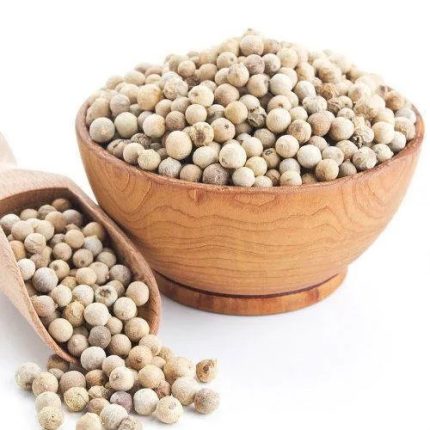
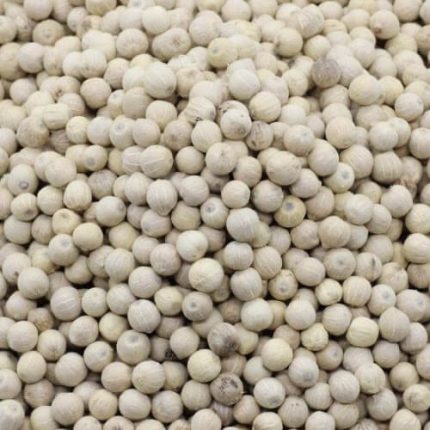
- White Pepper – a milder, clean-heat pepper for applications where black pepper color or sharpness is undesirable
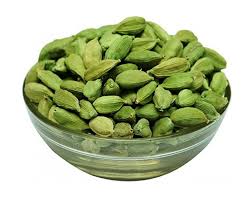
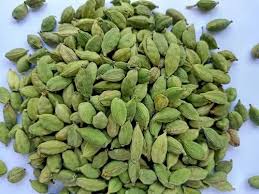
- Green Cardamom – pairs with long pepper in garam masala and masala chai formulations
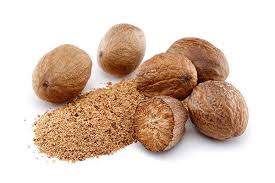
- Nutmeg – a standard warm-spice complement in blends that use long pepper
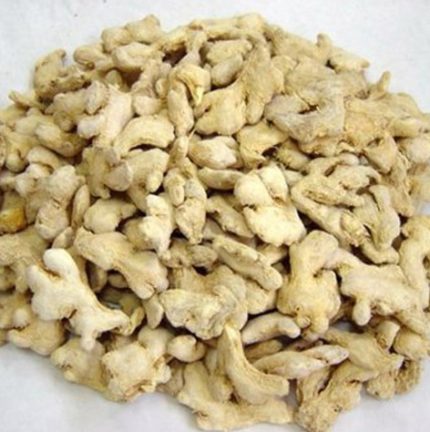
- Turmeric Finger and Turmeric – frequently co-sourced for South Asian spice blend production
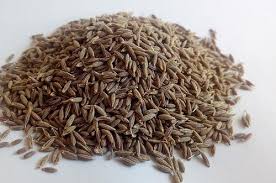
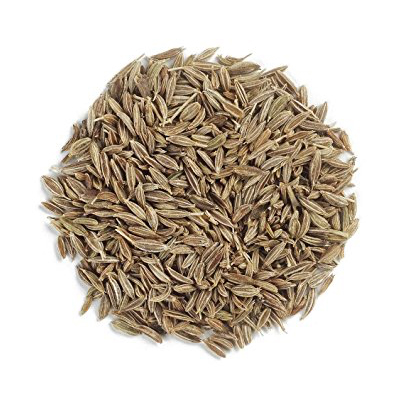
- Black Cumin Seed – used alongside long pepper in Ayurvedic and specialty blend applications
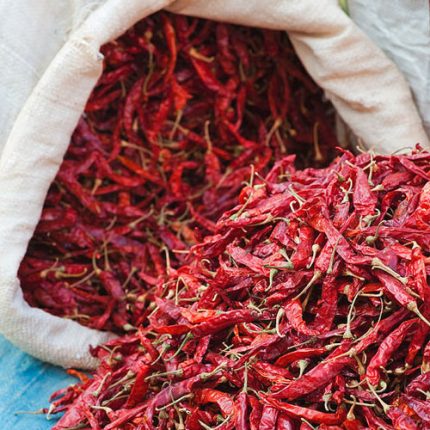
- Red Chili Powder – often sourced in the same consignment for heat-forward seasoning lines
Wholesale and Bulk Inquiry Process
This page is intended for importers, wholesale buyers, distributors and food manufacturers evaluating long pepper for commercial sourcing. To move forward, use the contact form or inquiry button to request the following:
- Current bulk pricing per kilogram or per pound at your target volume
- Available packaging formats (bags, boxes, custom weight specifications)
- Certification documentation (organic, food safety, phytosanitary)
- Lead time and shipment routing to U.S. ports
- Sample availability for quality evaluation before committing to a full order
Procurement teams working on spice category builds or import planning should specify the species (Piper longum) and intended end-use when inquiring, as this helps us confirm grade suitability and prepare accurate documentation for FDA entry requirements and U.S. import compliance.


Reviews
There are no reviews yet.