

Organic Chia Seeds: Bulk Supply from a Verified East African Exporter
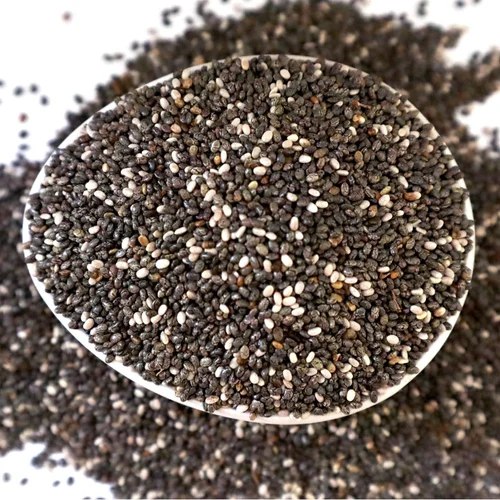
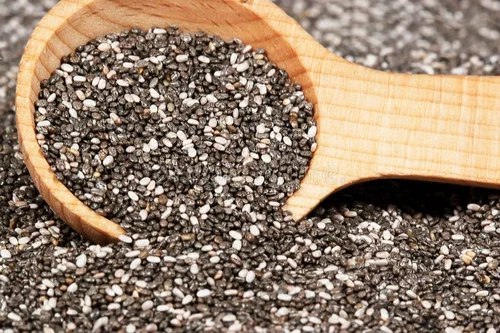
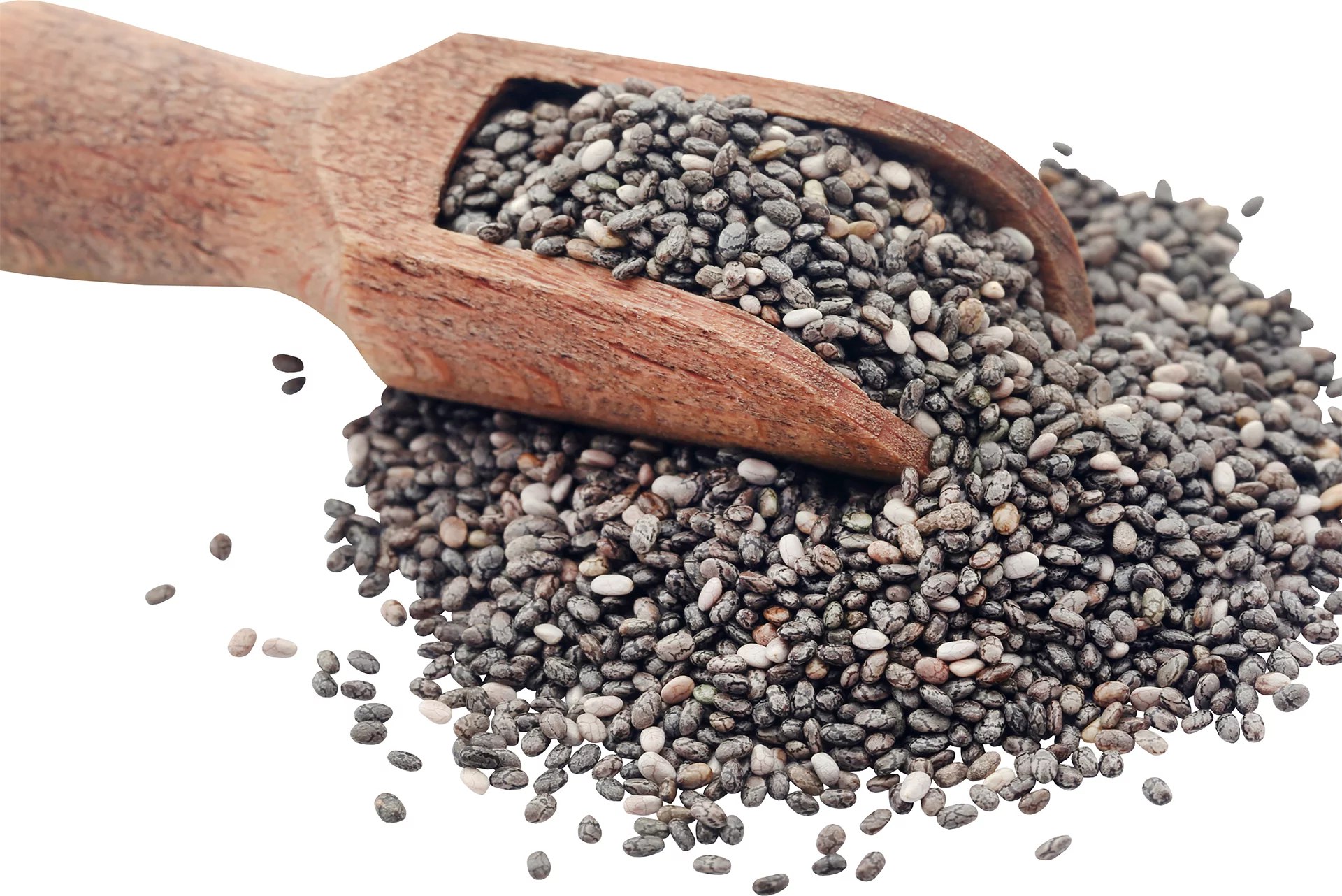
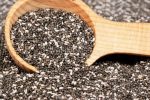
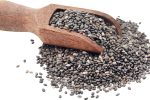
Karmenda Co. Ltd supplies organic chia seeds to U.S. importers, food ingredient distributors, health food wholesalers, and private-label manufacturers looking for a reliable, consistent source. Chia seeds (Salvia hispanica) are tiny black, dark brown, or white seeds from a plant in the mint family. According to the Florida Health Encyclopedia, they are almost as small as poppy seeds and originate from a plant in the mint family, making them one of the most nutrient-dense small seeds in commercial food trade.
For procurement teams evaluating East African sourcing options, our chia seeds are organically farmed, cleaned, and processed to meet export-grade standards. The product is positioned within our broader Pulses category, alongside complementary seeds and legumes commonly sourced together by bulk buyers.
Nutritional Profile: What Buyers Need to Know
End-product formulators and ingredient buyers consistently request nutritional data before placing wholesale orders. Chia seeds carry a notably dense profile relative to their size. The key nutritional attributes documented in the product and supported by published sources include:
- Omega-3 fatty acids (ALA): Chia seeds are a plant-based source of alpha-linolenic acid, a class of omega-3 fat relevant to heart health positioning in functional food products.
- Dietary fiber: High total fiber content, including soluble fiber that forms a gel matrix when hydrated. This property is commercially significant for pudding, beverage, and bakery applications.
- Plant protein: Chia seeds contain protein with a useful amino acid spread, making them a valued addition to protein-fortified product lines.
- Calcium and magnesium: Bone health positioning is supported by the mineral content. Industry sources note chia seeds carry bone-building calcium alongside heart-healthy omega-3 fats.
- Iron: Relevant for plant-based and fortified food categories targeting iron intake.
- Antioxidants: Chia seeds contain antioxidant compounds, noted consistently across nutrition references as a contributing factor in shelf stability and consumer health claims.
Note: Specific per-gram or per-serving figures for this product batch are not supplied in the current product record. Buyers requiring certified nutritional analysis documents, Certificates of Analysis (COA), or detailed macro breakdowns should request these directly at the time of inquiry.
Commercial Applications Driving Bulk Demand
Understanding where chia seeds are consumed in finished products helps procurement buyers assess volume requirements and specification needs. The main application categories driving wholesale demand in the U.S. market include:
Functional Beverages and Chia Drinks
The hydration and gel-forming property of chia seeds makes them a standard ingredient in functional water, juice blends, and ready-to-drink beverages. When stirred into liquid and allowed to sit for 10 to 15 minutes, the seeds absorb moisture and form a thick suspension. This texture is a commercial differentiator for brands in the health drink segment.
Bakery, Snack Bars, and Granola
Food manufacturers incorporate chia seeds into energy bars, protein bars, granola mixes, and baked goods as a fiber and protein booster. The seeds do not require grinding or processing before incorporation, which simplifies production. Their neutral flavor allows them to blend without altering taste profiles.
Puddings and Refrigerated Foods
Chia pudding is one of the fastest-growing applications in U.S. retail and foodservice. Chia seeds expand significantly in milk or plant-based beverages overnight, producing a thick, pudding-like texture without thickeners or stabilizers. Manufacturers seeking clean-label solutions find this property directly commercially useful.
Salad Dressings, Toppings, and Condiments
Smaller food producers and private-label brands use whole chia seeds as a visible textural inclusion in salad dressings, yogurt toppings, trail mixes, and jam formulations. The whole seed format is appropriate for these applications without further processing.
Smoothies and Nutrition Blends
Chia seeds are widely used as a smoothie add-in and as a component in powdered nutrition blends. Distributors supplying health food retailers, gyms, and supplement brands should factor in this demand channel when projecting order volume.
Sourcing from Kenya: Buyer Considerations for U.S. Importers
East Africa has developed a credible agricultural export infrastructure for seeds and pulses. Buyers sourcing chia seeds from Kenya through Karmenda Co. Ltd gain access to organically farmed product with direct-exporter pricing, bypassing multiple intermediary layers common in heavily traded commodity markets.
Key considerations for U.S. import buyers evaluating this supply relationship:
- Organic certification documentation: Buyers should confirm applicable organic certification status and request supporting documents during the inquiry process. Certification details specific to this product are not listed in the current product record and must be verified directly.
- Phytosanitary and FDA compliance: All agricultural seed imports into the United States are subject to USDA and FDA import requirements. Karmenda can assist buyers in understanding the documentation package typically required for chia seed consignments.
- Packaging options: Bulk packaging configurations for wholesale and ingredient buyers, including bag weights and pallet formats, are available on request. Standard export packaging details should be confirmed at quote stage.
- Minimum order quantity (MOQ): MOQ figures are not published on this listing. Importers and distributors should contact us directly to discuss order volumes suited to their supply chain.
- Supply consistency: Buyers evaluating chia seeds for long-term formulation use should discuss harvest cycles, lead times, and availability windows during the sourcing conversation.
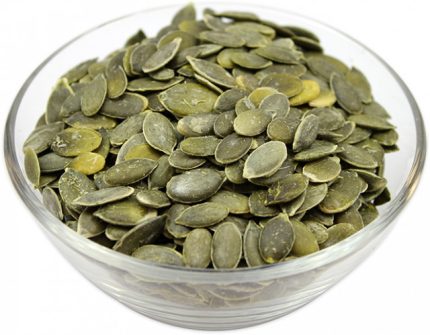
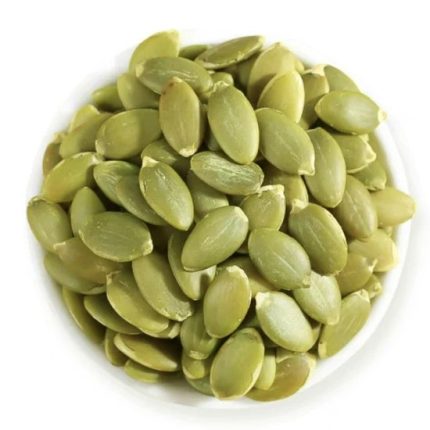
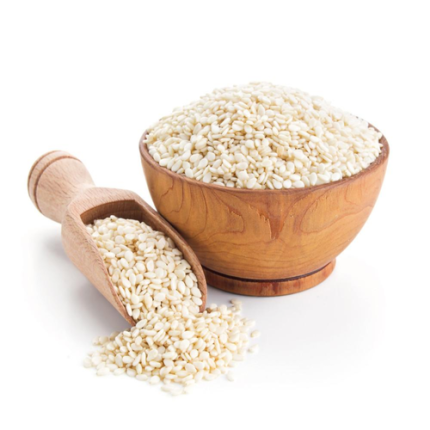
Our seed range extends across complementary products that U.S. buyers frequently co-source. Sesame Seeds and Pumpkin Seeds are available from the same catalog, allowing buyers to consolidate shipments and reduce per-unit freight costs.
How Chia Seeds Are Prepared and Used at Scale
For buyers advising retail customers or formulating finished products, practical handling knowledge matters. Chia seeds require no cooking. They can be used raw, soaked, or ground. The soaking process, typically 20 to 30 minutes in water or another liquid, activates the gel layer and is the standard preparation step in beverage and pudding applications. Dry seeds are shelf-stable and straightforward to handle in bulk ingredient lines.
Chia seeds are naturally gluten-free. They are widely accepted in vegan, plant-based, keto-friendly, and allergen-conscious product lines, which broadens their commercial relevance across multiple retail and foodservice market segments. Healthline notes that chia seeds are high in fiber, provide healthy fat, and are a source of antioxidants, characteristics that support a broad range of on-pack health claims when regulatory compliance is confirmed with qualified nutritionists or food lawyers.
Request a Wholesale Price or Bulk Quote
Karmenda Co. Ltd supplies chia seeds and a range of complementary agricultural commodities to qualified wholesale and B2B buyers in the United States and globally. Pricing is not published on this listing; all wholesale pricing, volume discounts, and freight terms are provided directly upon inquiry.
To move forward, use our Contact us page to submit your requirements, including target volume, preferred packaging, and any certification or documentation needs. Our team will respond with a tailored quote and product specification sheet. Buyers interested in our broader range can also review our About us page for background on our export operations and quality process.
Explore Pumpkin Seeds.


Reviews
There are no reviews yet.