

Kenyan Pigeon Peas for Wholesale and Bulk Import
Pigeon peas (Cajanus cajan) are one of the most commercially significant pulses traded out of East Africa, and Kenya sits at the center of that supply chain. For U.S. importers, food manufacturers, and ethnic food distributors, sourcing dried pigeon peas directly from a Kenya-based exporter means shorter supply chains compared to multi-hop trading arrangements, and access to a crop grown under tropical conditions well-suited to the plant’s agronomic requirements.
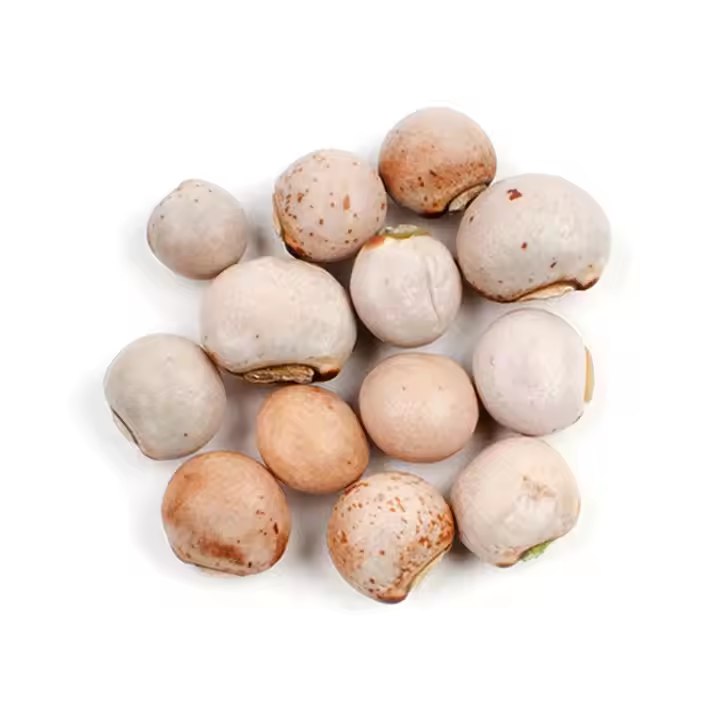
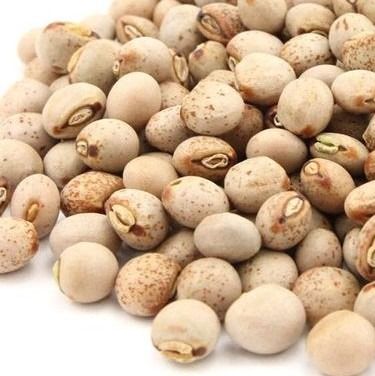
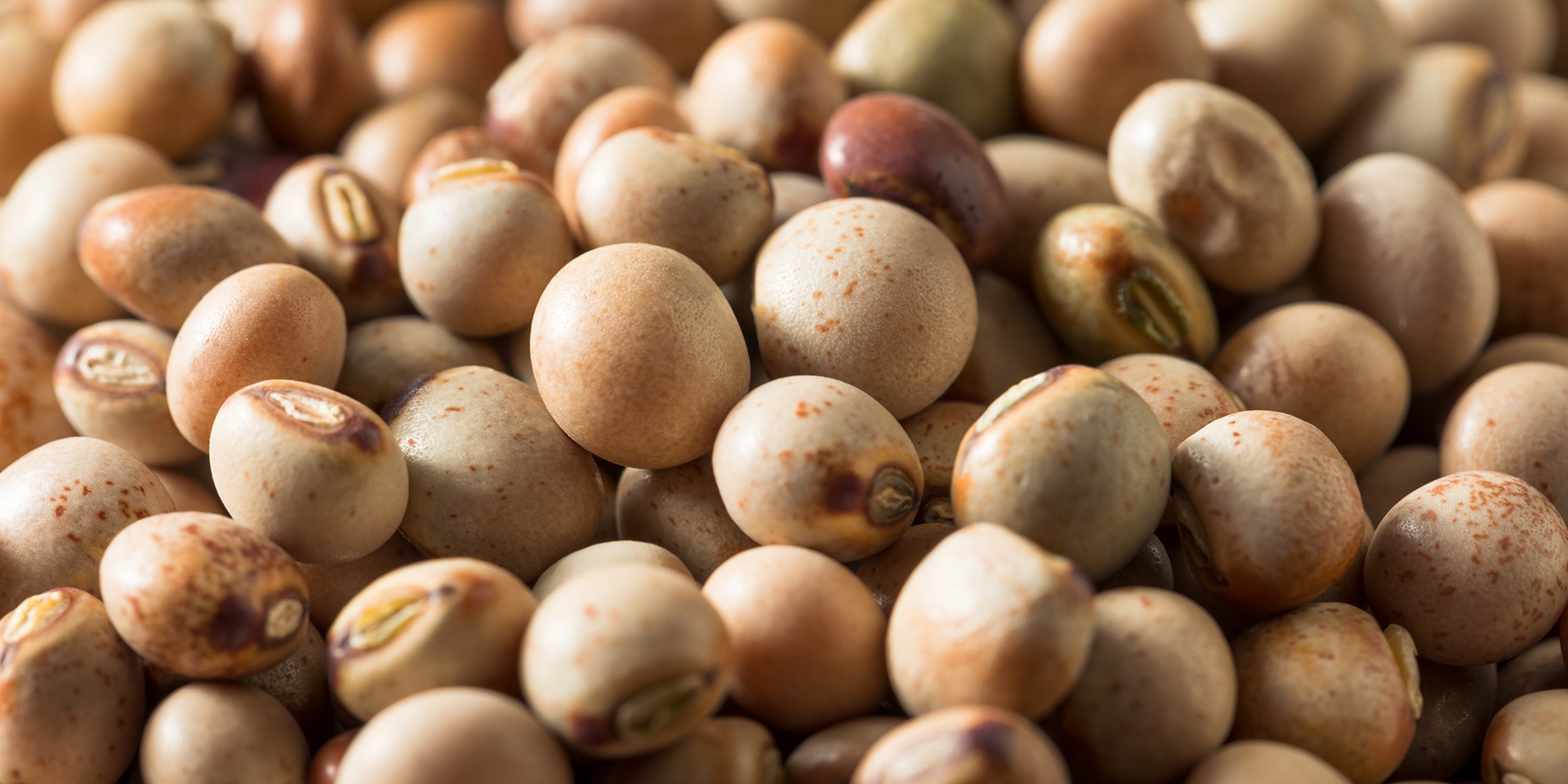
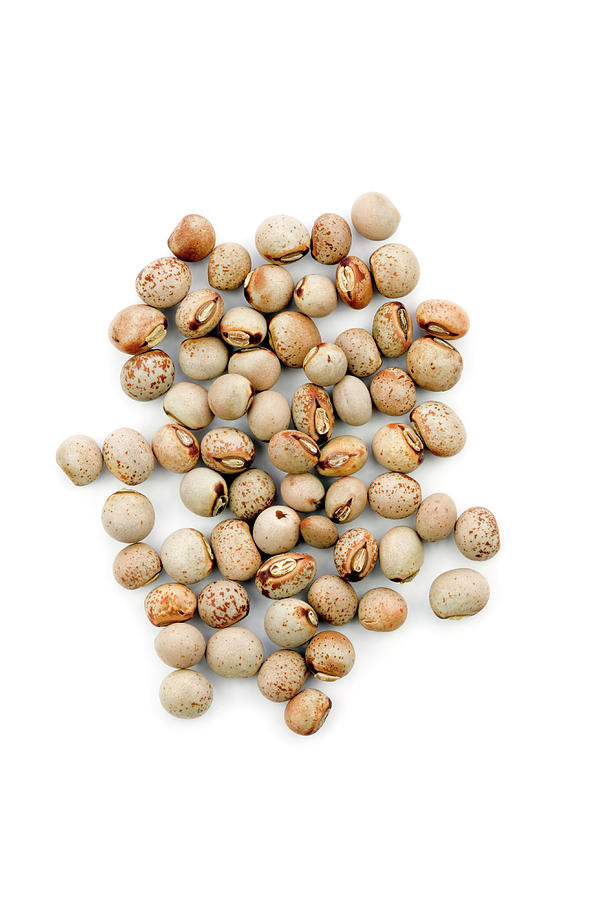
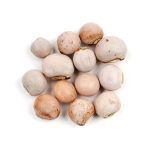
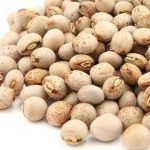
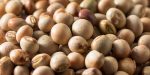
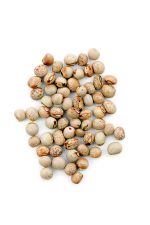
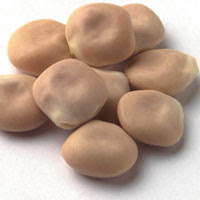
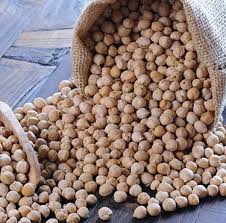
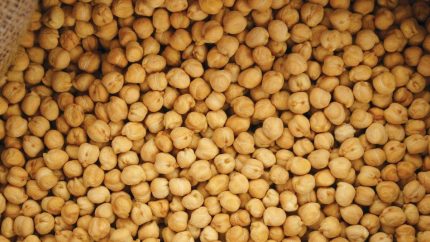
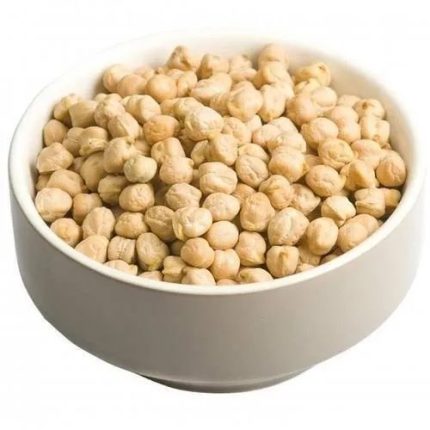
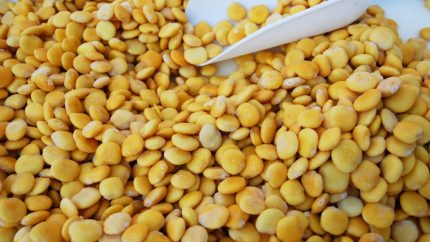
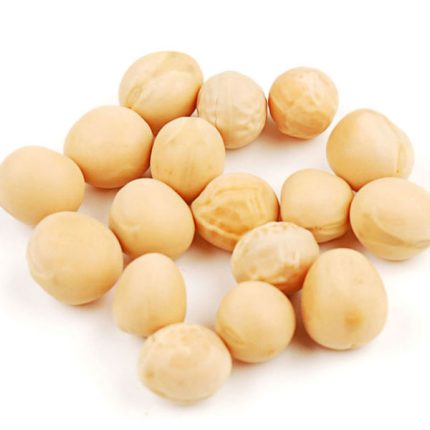
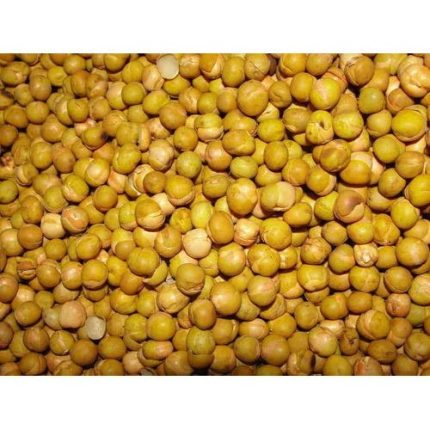
The dried whole pea is the primary form traded internationally. Seed color ranges from cream and tan through to grey, purple, spotted, and near-black depending on variety and growing conditions. This color variation is normal across commercial lots and is not a quality defect. Buyers sourcing for specific end markets, particularly Caribbean grocery distributors who sell under regional names including gandules or gungo peas, should specify color preference when requesting a quote.
Product Overview and Typical Specifications
The table below reflects the general parameters buyers should use as a starting reference when evaluating pigeon peas from East African supply. Specific grade tolerances, moisture limits, and foreign matter levels should be confirmed at the time of inquiry, as they vary by buyer requirement and destination market.
| Parameter | General Commercial Reference |
|---|---|
| Form | Dried whole peas |
| Color variants | Cream, tan, grey, purple, spotted, black |
| Common trade names | Pigeon peas, gandules, gungo peas, toor dal, red gram |
| Category | Pulses / dried legumes |
| Primary export form | Dried whole (bulk bags or woven PP sacks) |
| Key nutrients | Protein, dietary fiber, thiamine, folate, iron, magnesium, manganese, potassium, zinc |
Note: Moisture content, admixture tolerances, and grade classifications are confirmed on a per-order basis. Contact us directly for specifications aligned to your destination market requirements.
Nutritional Profile: Why U.S. Buyers Source This Pulse
Pigeon peas carry a nutrient density that makes them attractive to food manufacturers formulating plant-based products, to specialty food brands targeting health-oriented consumers, and to processors serving communities where the pulse is a dietary staple. The pea is a meaningful source of plant protein and delivers a mineral profile that includes magnesium, potassium, folate, and zinc alongside dietary fiber and thiamine. Nutrition comparison data (FoodStruct) confirms that pigeon peas compare favorably to common garden peas across several mineral categories, with notably higher folate and potassium values in the mature dried seed.
For buyers supplying natural food retailers, foodservice ingredient processors, or ethnic grocery wholesalers, the nutritional credentials are a genuine commercial selling point, not a secondary consideration.
End-Market Applications for U.S. Distributors and Processors
Understanding where pigeon peas move in the U.S. market helps buyers gauge volume potential and identify the right downstream channels.
Caribbean and Latino Grocery Wholesale
Pigeon peas are a core pantry staple across Caribbean-origin communities in the United States. They are sold as dried whole peas, canned in brine, and sometimes in frozen form. Distributors supplying Caribbean grocery stores and Latin food retailers see consistent demand for dried pigeon peas under the gandules or gungo peas name. The dried format sourced in bulk from Kenya can be repacked under private label or supplied to canners and co-packing operations for further processing.
South Asian Grocery and Dal Processors
In South Asian culinary tradition, pigeon peas are known as toor dal or arhar dal when split and hulled. The whole dried pea is also sold in Indian and Sri Lankan grocery channels. U.S.-based dal processors who split and polish pigeon peas for the South Asian retail segment are a relevant buyer category for whole dried peas sourced in commercial volume.
Plant-Based Food Manufacturing
The high protein and amino acid content of pigeon peas positions them as an ingredient in plant-based burger bases, pulse-based soups, and dried meal kit products. Manufacturers formulating legume-forward products increasingly look beyond conventional chickpeas and lentils toward pigeon peas as a differentiated ingredient with both nutritional and culinary versatility.
African and East African Specialty Markets
Within the East African diaspora communities concentrated in cities across the U.S., dried pigeon peas are a familiar cooking ingredient. Ethnic grocery distributors servicing these communities represent a steady demand channel with strong cultural alignment to a Kenya-origin supply.
The Crop and Why Kenya Is a Relevant Source
Pigeon pea is a woody, drought-tolerant shrub that performs well in tropical and subtropical growing zones with relatively low annual rainfall requirements. Know Your Pigeon Pea (Know Your Vegetables) notes that the crop can be grown in areas with less than 650 mm of annual rainfall, making it well-suited to the semi-arid growing belts of eastern Kenya where pigeon pea cultivation is established.
Kenya’s agricultural position in East Africa, combined with access to Mombasa as a major export port with container shipping connections to U.S. East and Gulf Coast ports, makes it a practical sourcing origin for U.S. buyers evaluating African pulse supply.
The plant’s extensive root system also means it functions as a soil stabilizer and nitrogen-fixing companion crop in rotation systems. This agronomic role supports sustainable farming practices, which is a consideration for buyers sourcing for brands with sustainability or responsible sourcing commitments.
Packaging and Bulk Supply Formats
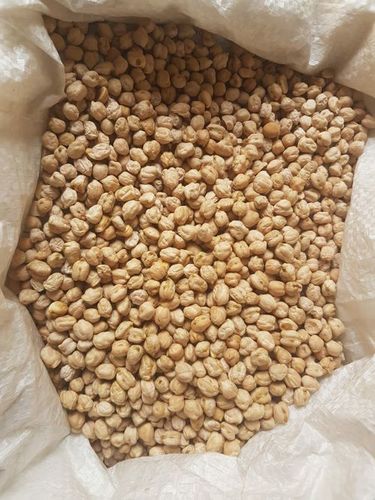
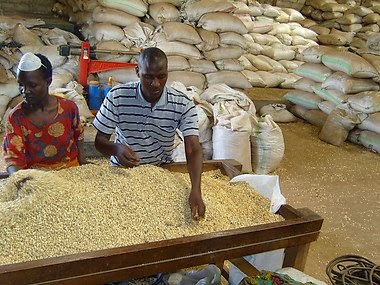
Pigeon peas for export are typically packed in woven polypropylene sacks or multi-wall paper bags sized for palletized container loading. Specific packaging weights, bag materials, and labeling requirements can be configured to buyer specification. Buyers with private-label or co-packing requirements should note this at the inquiry stage.
Pricing is volume-dependent. Buyers sourcing at container-load quantities will receive different commercial terms than those consolidating smaller volumes. Submit a quote request through the contact form specifying your required volume, destination port, and preferred Incoterms to receive a relevant price indication.
Export Documentation and U.S. Import Considerations
Dried pigeon peas imported into the United States are subject to FDA food facility registration requirements for the exporting facility and must comply with FSMA (Food Safety Modernization Act) supplier verification standards for importers. Phytosanitary certificates issued by the Kenya Plant Health Inspectorate Service (KEPHIS) are standard for agricultural commodity exports from Kenya. Certificate of origin documentation is provided for customs clearance purposes.
U.S. buyers operating under FSMA foreign supplier verification obligations should request documentation at the inquiry stage. We recommend working with a licensed U.S. customs broker experienced in agricultural commodity imports to confirm current import requirements, tariff classification under HTS Chapter 07, and any applicable FDA prior notice procedures.
Note: Specific certifications, inspection records, and compliance documentation available for this product are confirmed at the time of order. Do not rely on this page as a definitive compliance statement. Verify current FDA and USDA import requirements with your customs broker or regulatory counsel.
Frequently Asked Questions from Wholesale Buyers
What is the minimum order quantity for bulk pigeon peas?
Minimum order quantities and pricing tiers are confirmed at the inquiry stage based on destination, packaging requirements, and shipping schedule. Contact us with your target volume to receive a relevant quote.
Can pigeon peas be sourced for private-label repacking?
Yes. Buyers who repack or co-pack under their own brand can discuss labeling and packaging specifications as part of the order inquiry process. We supply in bulk formats suitable for downstream repacking operations.
Are the peas available in different color grades or varieties?
Pigeon peas naturally vary in seed color. Buyers with color preferences for specific retail markets, such as cream-colored peas for certain Caribbean grocery segments, should specify this when submitting an inquiry. Supply availability by color is confirmed seasonally.
What documentation is provided for U.S. import?
Standard export documentation includes phytosanitary certificates, certificate of origin, and commercial invoices. Additional documentation for FSMA supplier verification or other buyer compliance requirements is discussed at the order stage.
Can pigeon peas be used as a dried whole pea or split and hulled?
We supply dried whole pigeon peas. Processors requiring split and dehulled toor dal for South Asian grocery channels typically process whole peas through their own splitting and polishing operations after import. Confirm processing requirements with your facility before sourcing whole peas for this application.
For further details on Authoritative reference relevant to buyer guidance, standards or compliance, consult Regulations.gov.
For further details on Authoritative reference relevant to buyer guidance, standards or compliance, consult United States Standards for Grades of Canned Vegetables.
For further details on Authoritative reference relevant to buyer guidance, standards or compliance, consult Pesticide Product Registration; Receipt of Applications.


Reviews
There are no reviews yet.