

Product Overview: Dried Split Yellow Peas for Bulk and Wholesale Supply
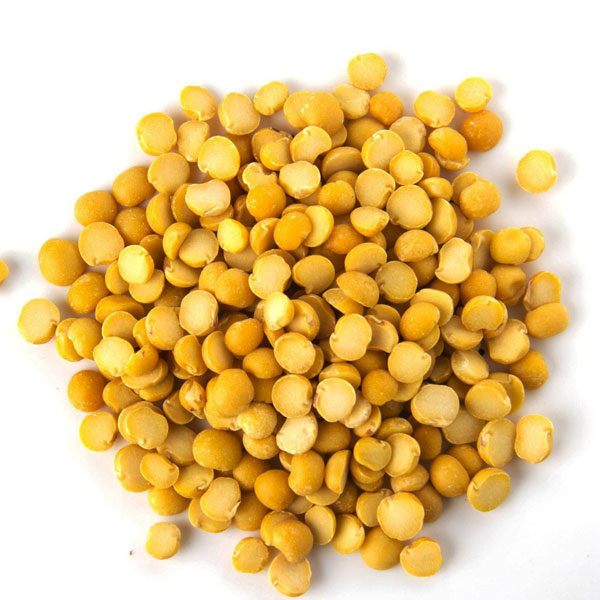
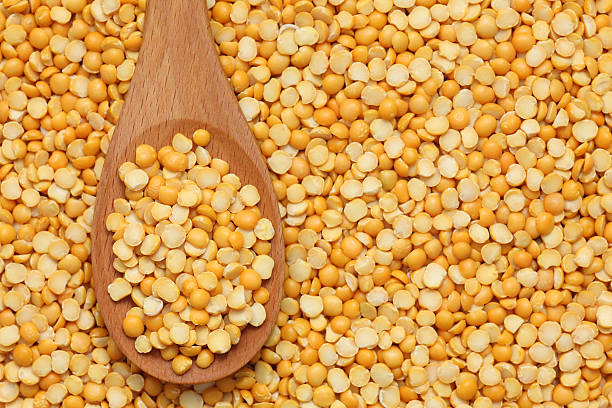
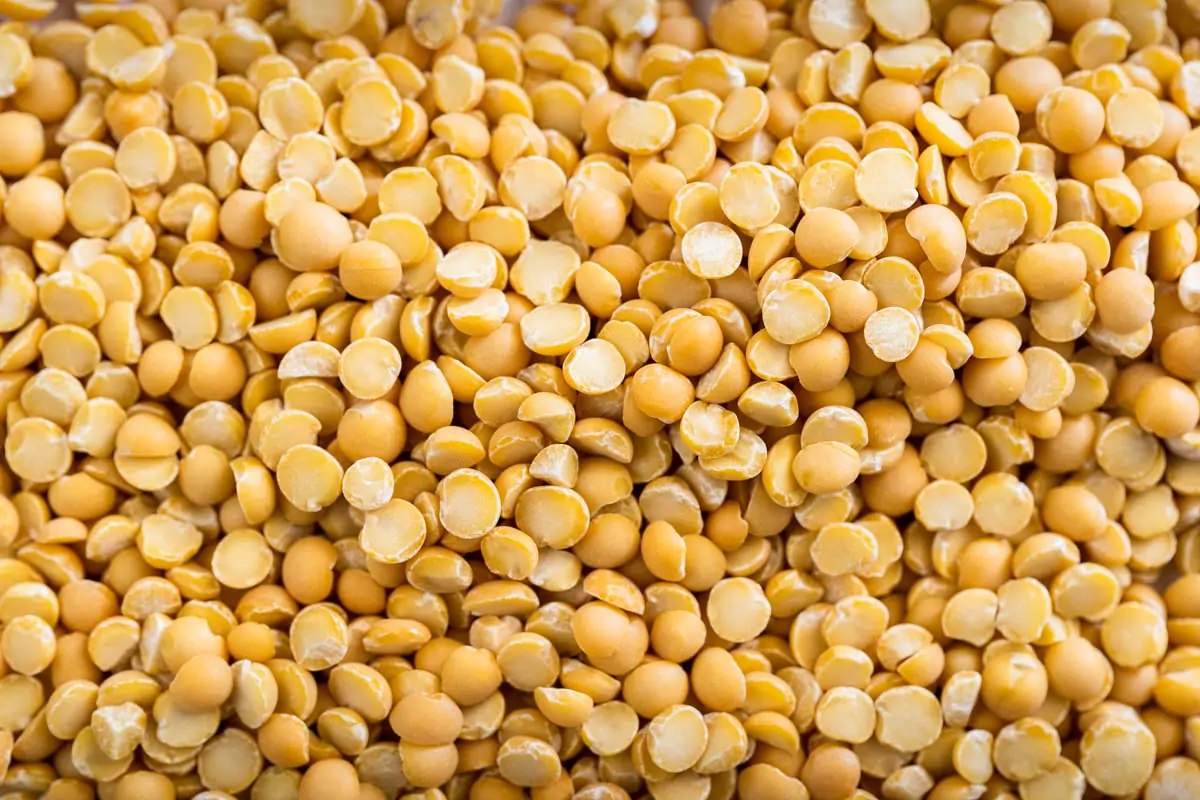
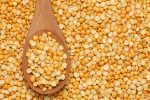
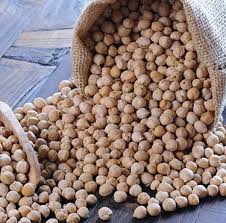
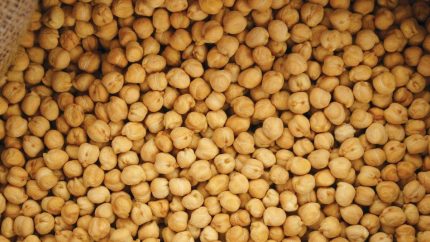
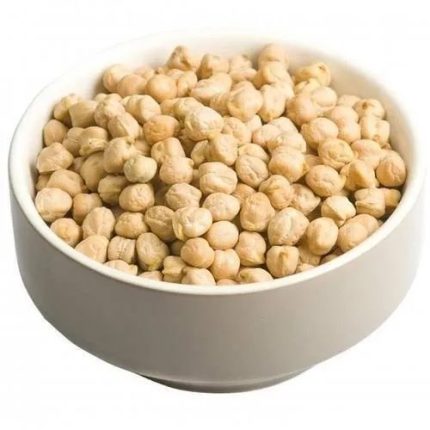
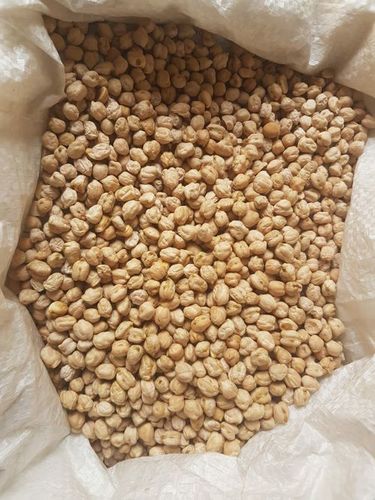
Karmenda Co. Ltd supplies dried split yellow peas to U.S. importers, food manufacturers, wholesalers, distributors and procurement teams sourcing from East Africa. The peas are field-dried, mechanically split, and cleaned before export, arriving ready for repacking, further processing or direct distribution into retail or foodservice channels.
Yellow split peas carry a naturally mild, slightly buttery flavour that is noticeably different from green split peas. They cook to a smooth, creamy consistency without pre-soaking, which makes them commercially attractive for soup manufacturers, dal processors, plant-based protein formulators and private-label dry goods brands operating in the U.S. market.
The single ingredient is dried yellow split peas. No additives, no preservatives, no blending agents. Buyers sourcing for clean-label product lines will find that straightforward. The peas are naturally gluten-free, fat-free and non-GMO by nature of the crop, though buyers requiring certified status for those claims should confirm applicable third-party certification requirements with our team before placing an order.
Nutritional Profile and Commercial Value for Buyers
The nutritional composition of split yellow peas is a direct driver of their demand across several U.S. product categories. The verified nutritional attributes of this product, as described in our product record, include:
- High dietary fibre – supporting satiety-focused product lines and digestive health positioning
- Plant protein – relevant for vegan, vegetarian and flexitarian formulations
- Fat-free – no added fats; naturally low in lipids as a dried pulse
- Vitamins B1 (thiamine), B5 (pantothenic acid) and K
- Folate – relevant for functional food and prenatal nutrition categories
- Minerals including iron, magnesium and zinc
For food manufacturers formulating soups, ready meals, plant-based protein blends or dry soup mixes, the protein and fibre content makes split yellow peas a cost-effective functional ingredient. For distributors supplying ethnic grocery, health food or bulk dry goods retail, the broad culinary application base supports strong sell-through across multiple consumer segments.
Note: Specific per-serving nutritional values (calories, grams of protein, fibre etc.) are not provided in our current product data. Buyers requiring a full nutritional analysis for label compliance or formulation purposes should request a lab-certified nutritional data sheet as part of the quote process.
Key Product Details
| Attribute | Detail |
|---|---|
| Product Type | Dried Split Yellow Peas (Pisum sativum) |
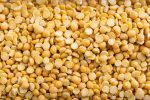
| Form | Mechanically split, hull removed |
| Colour | Golden yellow |
| Flavour Profile | Mild, slightly buttery, less earthy than green split peas |
| Soak Requirement | None required – cooks faster than whole peas |
| Additive Status | None – single ingredient |
| Gluten | Naturally gluten-free |
| Fat | Fat-free |
| Origin | Kenya (exported by Karmenda Co. Ltd) |
| Supply Basis | Wholesale and bulk export |
MOQ, packaging formats, available grades, moisture specifications and supply capacity are confirmed at the quotation stage. Contact us directly for current export pricing and availability.
Processing and Preparation: What Buyers and End-Users Need to Know
Basic Preparation Method
Split yellow peas require no soaking before cooking, which is a practical advantage for both commercial kitchens and consumer-facing instructions. A standard preparation involves rinsing the peas under cold water, then simmering in water or stock for approximately 40 to 45 minutes until the peas soften and begin to break down into a smooth, thick consistency. Exact cooking time varies depending on pea age, water hardness and altitude.
For food manufacturers specifying cooking parameters in product development, note that the split form cooks considerably faster than whole dried yellow peas, making them preferable for ready-meal and retort applications where processing time affects cost and texture.
Industrial and Food Manufacturing Applications
Split yellow peas are used across a wide range of commercial applications in the U.S. food industry:
- Soup and broth manufacturing – the primary application; yellow split pea soup is a recognised category in North American foodservice and retail
- Dal and Indian-cuisine product lines – chana dal substitution and South Asian food manufacturing
- Plant-based protein ingredient supply – whole or milled form for protein powder and meat-alternative formulation
- Dry soup mixes and retail pouches – a standard ingredient in pantry staple lines
- Caribbean and West African cuisine manufacturing – dhal preparations using yellow split peas are prevalent across these culinary categories
- Long-term food storage supply – valued for shelf-stable, nutrient-dense characteristics
- Flour milling – split peas are milled into pulse flour for use in baked goods and gluten-free product lines
Handling Notes for Importers
Dried split peas should be stored in cool, dry conditions away from moisture, pests and strong odours. For bulk shipments, packaging integrity on arrival should be verified before repackaging or resale. Buyers taking delivery of full container loads should factor in standard inspection at port of entry. If your procurement process requires pre-shipment inspection or phytosanitary certification, indicate this at the quotation stage so the documentation can be prepared accordingly.
Sourcing from Kenya: What U.S. Buyers Should Know
Kenya is an established agricultural exporter with an active pulses sector. Karmenda Co. Ltd operates as an exporter and international supplier, serving buyers in the United States and other markets across our pulses and dry goods catalog.
U.S. importers sourcing split yellow peas from Kenya should account for the following in their procurement process:
- Phytosanitary certificate – required for plant-origin commodities entering the U.S.; confirm requirements with USDA APHIS for your specific state of entry
- Certificate of origin – required for customs clearance and potential preferential duty treatment under applicable trade frameworks
- FDA registration and prior notice – food importers are required to submit prior notice to FDA before shipment arrival; confirm your import broker’s process
- Fumigation – some buyers request methyl bromide or alternative fumigation certificates; confirm your requirement at the time of inquiry
- Moisture and purity specifications – request a current specification sheet if your purchase order requires defined moisture content, foreign matter tolerance or admixture limits
Karmenda Co. Ltd does not guarantee specific certification status in this product listing. Buyers should confirm available documentation with our team before committing to an order, particularly where FDA, USDA or third-party audit requirements apply.
Bulk Packaging and Order Formats
Packaging formats for wholesale and export orders are confirmed at the quotation stage. Typical commercial formats for dried split peas in export trade include woven polypropylene bags (25 kg and 50 kg), multi-wall paper sacks, and bulk container loading. Private-label retail packaging (1 lb, 2 lb, 5 lb, 10 lb, 25 lb) can be discussed depending on order volume and buyer requirements.
If you are sourcing for a specific pack size, retail format or co-packing arrangement, include that detail in your inquiry so we can confirm feasibility and quote accordingly.
Related Pulses from Karmenda Co. Ltd
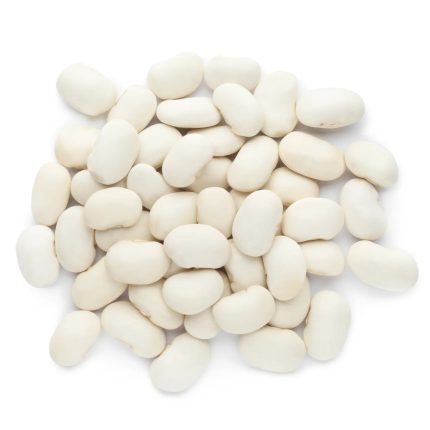
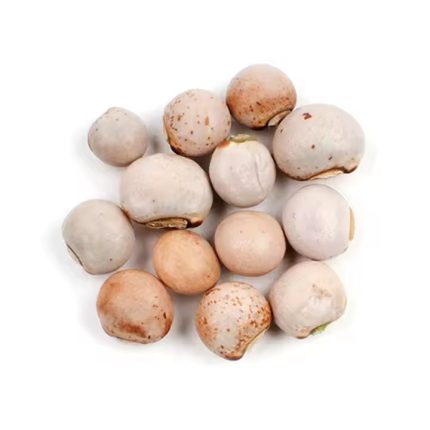
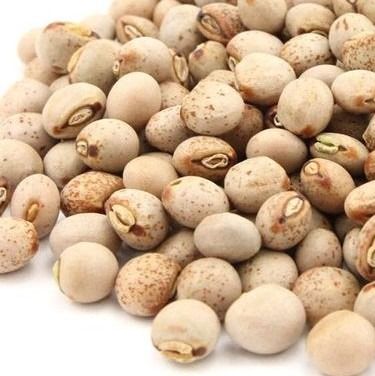
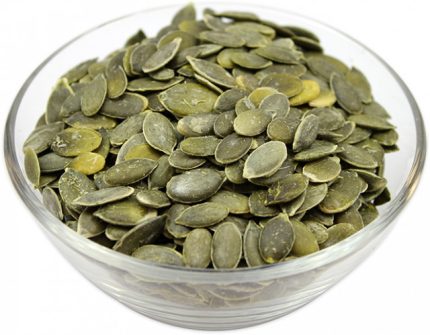
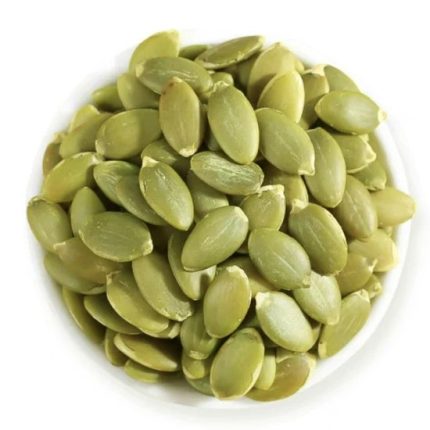
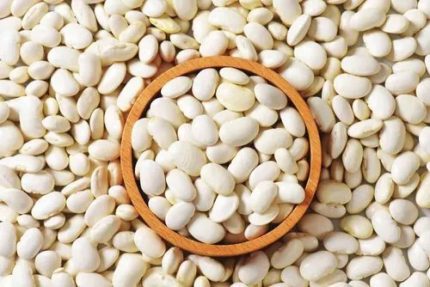
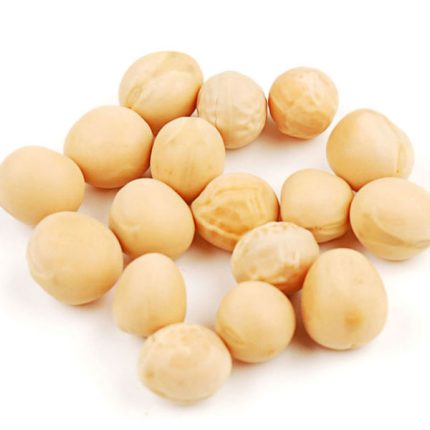
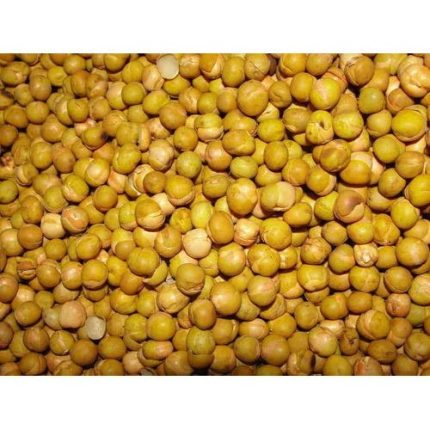
Buyers sourcing split yellow peas often also require complementary pulse products. Our catalog includes Green Split Peas, which offer a comparable product profile with a more robust, earthy flavour suited to traditional split pea soup applications. Yellow Peas (whole, unsplit) are also available for buyers needing the unprocessed form. Our full Pulses range covers additional products including Pigeon Peas and White Pea Beans, which may be relevant to buyers consolidating a multi-SKU pulse order.
Request a Wholesale Price Quote
Pricing for split yellow peas in export quantity depends on volume, packaging, Incoterms and current market conditions. We do not publish fixed export pricing on this page because it changes based on crop season, freight rates and order specification. The most efficient way to move forward is to submit an inquiry with your target volume, destination port and any specification requirements.
Our team will respond with an export price, available grades, lead time and documentation list. Use the contact or inquiry form on this site to reach us, or reach out directly with your company name, role, and estimated order volume so we can respond with accurate commercial terms.
Frequently Asked Questions from Wholesale Buyers
Do split yellow peas require soaking before processing or cooking?
No. Because the hull has been removed and the pea mechanically split, they hydrate and cook much faster than whole dried peas. No pre-soak is needed, which is relevant for commercial processing lines and foodservice operations focused on throughput.
What is the difference between yellow split peas and green split peas?
Both come from the same plant species (Pisum sativum) but are different varieties. Yellow split peas have a milder, slightly buttery flavour and a golden colour. Green split peas have a more pronounced earthy taste. They can often substitute for each other in formulations, though the flavour and colour outcome will differ. We supply both; see our Green Split Peas product page for details.
Are your split yellow peas non-GMO?
Split yellow peas are not a genetically modified crop. However, if your purchase order or label requires a formal non-GMO verification certificate from a recognised third-party body, contact us to discuss what documentation is available for a given shipment.
Can I request a product sample before placing a full order?
Sample requests can be discussed at the inquiry stage. Include your mailing address and intended use case in your message so we can advise on sample availability and any applicable courier costs.
What Incoterms do you offer for U.S. buyers?
Available Incoterms vary by order size and destination. FOB Mombasa is a common basis for East African export shipments. We can discuss CIF or other terms depending on your logistics arrangement. Confirm your preference when requesting a quote.
Explore White Pea Beans.
For further details on Authoritative reference relevant to buyer guidance, standards or compliance, consult Guidance Documents.
For further details on Authoritative reference relevant to buyer guidance, standards or compliance, consult Guidance Documents.
For further details on Authoritative reference relevant to buyer guidance, standards or compliance, consult Produce Safety Rule: Enforcement Policy for Entities ….


Reviews
There are no reviews yet.