

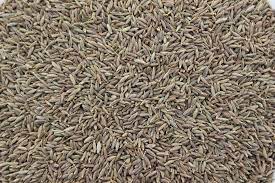
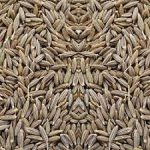
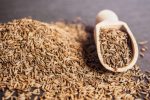
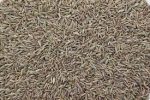
Cumin Seeds and Ground Cumin for Wholesale and Bulk Supply
Cumin (Cuminum cyminum) is a member of the Apiaceae (parsley) family, cultivated across Mediterranean, East African, and South Asian growing regions. The dried seeds are harvested from an annual herb that typically reaches 30 to 50 cm in height. Both the whole seed and the ground powder are traded internationally at significant volume, with demand driven by food manufacturers, spice blenders, ethnic grocery distributors, and foodservice processors across the United States.
Karmendaco Ltd supplies cumin in whole seed and ground powder form, packed in units ranging from 100g to 1kg. Larger bulk quantities are available for importers and wholesale buyers. Use the inquiry form on this page to request pricing, lead times, and shipping terms for your specific volume requirement.
Product Forms and Pack Sizes
Cumin is available in two primary commercial forms that serve different processing and distribution needs:
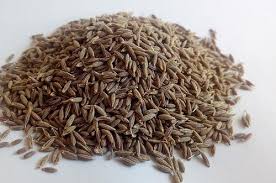
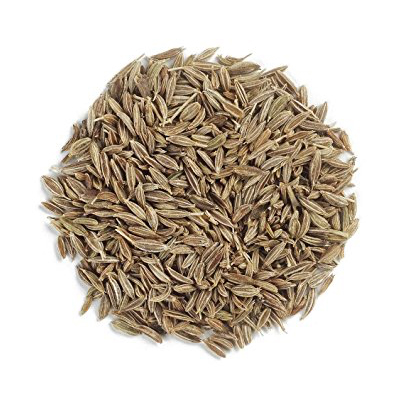
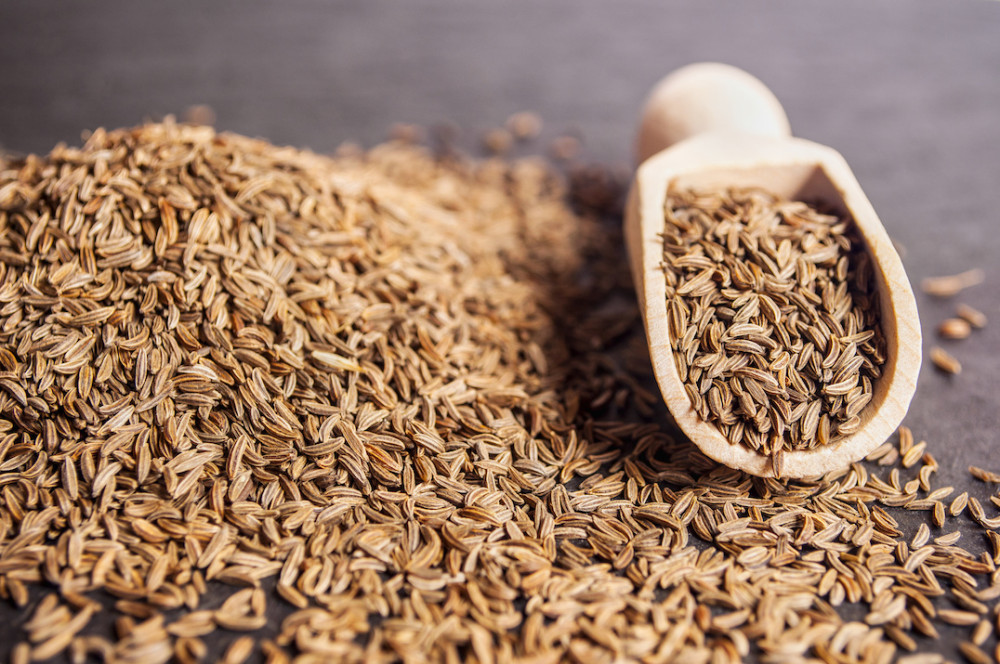
- Whole Cumin Seeds (Jeera): Preferred by processors who grind in-house, and by foodservice operators who bloom the seeds in oil before incorporating them into recipes. Whole seeds also retain volatile oils longer than pre-ground product, which matters for buyers focused on shelf stability.
- Ground Cumin Powder: Ready for direct blending into seasoning mixes, spice rubs, ready-meal formulations, and retail repacking. Ground cumin delivers the characteristic earthy, slightly bitter warmth that is essential across Indian, Mexican, Middle Eastern, and North African cuisines.
Available pack sizes: 100g, 150g, 200g, 250g, 300g, 400g, 500g, and 1kg. Bulk quantities beyond 1kg are available by inquiry. Packaging format (bag, jar, case) can be discussed based on order volume and destination requirements.
Flavor Profile and Commercial Applications
Cumin has an earthy, warm profile with subtle lemony and bitter undertones. When heated, the volatile compounds intensify, releasing a pungent aroma that anchors the flavor of spice blends. This makes it a high-demand ingredient for U.S. buyers supplying:
- Taco and chili seasoning manufacturers
- Indian curry paste and masala producers
- Hummus and falafel mix processors
- Spice blend co-packers and private label brands
- Ethnic grocery distributors servicing South Asian, Middle Eastern, and Latin American retail segments
- Foodservice distributors supplying restaurants and catering operations
Ground cumin is also incorporated into heart-healthy and low-cholesterol recipe formulations, which has driven growth in the natural and health food retail channel. Buyers sourcing for this segment may also be interested in our Turmeric and Ginger, which sit alongside cumin in many functional spice blends.
Cumin Seed Specifications for Procurement Teams
U.S. importers and procurement managers typically require the following technical reference points before placing an order. The information below reflects general cumin trade specifications. Buyers should request a full product data sheet and certificate of analysis at the inquiry stage to confirm exact parameters for their order.
| Parameter | Typical Trade Standard |
|---|---|
| Botanical name | Cuminum cyminum |
| Family | Apiaceae (parsley family) |
| Commercial forms | Whole seed, ground powder |
| Color (seed) | Greenish-brown to tan |
| Moisture content | Generally below 10% for export grade |
| Packing sizes supplied | 100g, 150g, 200g, 250g, 300g, 400g, 500g, 1kg |
| Bulk availability | On request |
| Export documentation | Contact us to confirm available certifications and phytosanitary documentation |
Note: Specific lot-level specifications including moisture, volatile oil content, and microbial counts should be verified with the supplier at the time of inquiry. Do not rely on general trade standards as confirmed product-level data for this listing.
Reported Health Properties and Their Context for Buyers
Cumin has been the subject of growing medical and nutritional research interest, partly because traditional use across South Asian and Middle Eastern cultures has long attributed digestive, antimicrobial, and metabolic properties to it. For buyers supplying the natural health, dietary supplement, or functional food sector, this is commercially relevant context, though it requires careful framing on labeling.
Research has examined cumin in relation to digestion support, blood sugar modulation, antioxidant activity, cholesterol management, and anti-inflammatory effects. Some studies have also explored its antimicrobial properties and its potential role in weight management. The product description for this listing reflects anecdotal and preliminary research-stage claims. Buyers should not interpret these as approved health claims for regulated markets without reviewing applicable FDA guidelines on structure-function claims and dietary supplement labeling.
From a procurement standpoint, buyers sourcing cumin for functional food or supplement applications should confirm whether they need a food-grade specification or a higher-purity supplement-grade product, and discuss documentation requirements accordingly.
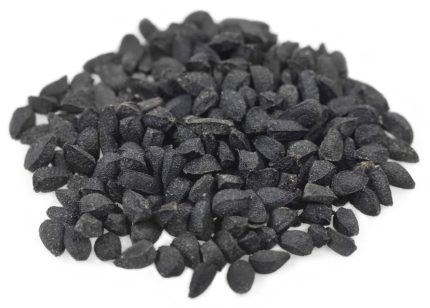
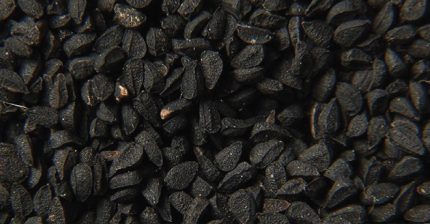
For comparison, our Black Cumin Seed (Nigella sativa) is a distinct product with a different compound profile and separate market positioning, commonly sought by buyers in the health supplement channel.
Known Interactions and Buyer Safety Considerations
This section is relevant for buyers supplying supplement brands, compounding operations, or any channel where end-consumers may be using cumin in concentrated extract or high-dose supplement form. For standard culinary supply, these interactions are not a material concern at typical dietary intake levels.
The following interactions have been documented in clinical and pharmacological literature (sources include WebMD’s ingredient monograph on Cuminum cyminum). Buyers supplying supplement formulators should be aware of these and ensure their customers have access to appropriate labeling guidance.
Antidiabetes Medications
Cumin has shown blood sugar-lowering activity in some studies. Used concurrently with antidiabetes drugs (insulin, metformin, glipizide, and others), high-dose cumin supplementation may produce additive hypoglycemic effects. Supplement formulators targeting diabetic consumer segments should note this and label accordingly.
Anticoagulant and Antiplatelet Drugs
There is evidence suggesting cumin may slow blood clotting. Combined use with anticoagulant or antiplatelet medications such as warfarin, aspirin, clopidogrel, or heparin could theoretically increase bleeding risk at supplemental doses. Again, this is not a concern at normal culinary use levels.
Rifampin (Rifadin)
Some evidence suggests cumin may affect the absorption or metabolism of rifampin, an antibiotic used in tuberculosis treatment. Formulators developing products that may be used by populations on rifampin therapy should flag this interaction for end-product labeling review.
Cumin at culinary doses has a well-established safety profile with very few contraindications for the general population. The interactions above are relevant at supplement-level dosing and are included here to support buyers conducting due diligence for regulated product categories. For further reference, the WebMD ingredient monograph on cumin provides a structured overview of documented uses, precautions, and interaction categories.
Dosing Context for Supplement Buyers
Cumin is consumed daily as a culinary spice at levels of 1 to 2 grams or more in typical meal preparations, with no adverse effects reported in healthy adults. In clinical studies examining cumin’s metabolic effects, higher supplemental doses have been used, sometimes in encapsulated extract form. Buyers developing cumin-containing dietary supplements should consult a qualified formulator and review relevant clinical literature before setting dose levels, as no standardized therapeutic dose has been formally established for most of the conditions under research investigation.
Side Effects to Note for Product Labeling
At culinary intake levels, cumin is generally recognized as safe. At elevated supplemental doses, some individuals may experience gastrointestinal discomfort. There is also some evidence of potential estrogenic activity at very high doses, which is relevant for formulators developing products for reproductive health categories. Skin sensitization has been reported in occupational settings involving prolonged handling of cumin oil or dust, which may be relevant to bulk processors or operators working with large volumes of ground cumin powder in enclosed environments.
Sourcing from Kenya: Export and Logistics Overview
Karmendaco Ltd operates as a Kenya-based exporter serving international buyers including U.S. importers, distributors, and wholesale spice companies. Kenya’s position in East Africa provides logistical access to competitive spice supply chains, and export shipments can be structured with relevant phytosanitary certificates and documentation appropriate for U.S. Customs and Border Protection clearance.
U.S. buyers should note that all food imports are subject to FDA Prior Notice requirements and must comply with applicable FSMA (Food Safety Modernization Act) supplier verification requirements. Buyers operating under a FSVP (Foreign Supplier Verification Program) should request documentation from us to support their supplier qualification process. Contact us directly to discuss what documentation is available for your specific compliance needs.
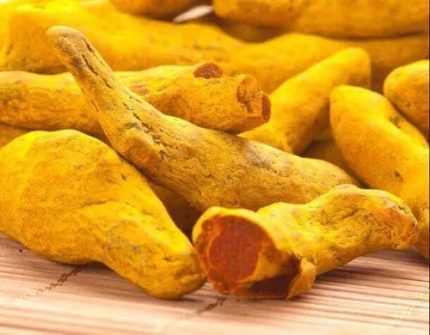
For buyers also sourcing other spices, our Spices catalog includes related products such as Turmeric Finger, Green Cardamom, and Nutmeg, which are commonly purchased alongside cumin for spice blend manufacturing and ethnic grocery distribution.
Request a Wholesale Price or Bulk Quote
Pricing for cumin depends on form (whole seed or ground), pack size, order volume, and shipping destination. We do not publish fixed price lists online because bulk cumin pricing is volume-sensitive and subject to seasonal supply conditions. To receive a quote, use the contact or inquiry form on this page, or reach out directly with your requirements: form (whole seed or ground powder), quantity needed, destination port or delivery address, and any certification or documentation requirements.
We respond to wholesale and B2B inquiries from U.S. importers, distributors, and processors. Samples may be available on request prior to placing a full order.
Frequently Asked Questions from Wholesale Buyers
What pack sizes are available for bulk orders?
Standard retail packs run from 100g to 1kg. For wholesale and bulk importing, quantities beyond 1kg are available, and packaging format can be discussed based on your distribution model. Contact us for bulk pricing and minimum order quantities.
Do you supply whole cumin seeds and ground cumin powder separately?
Yes, both forms are available. Whole seed and ground powder serve different buyer segments and can be ordered independently or together in a combined shipment.
What export documentation can you provide for U.S. imports?
Contact us directly to confirm what certifications and export documents are available for your specific order. U.S. buyers operating under FSVP obligations should include documentation requirements in their inquiry.
Is your cumin suitable for use in dietary supplement formulations?
We supply food-grade cumin. Buyers requiring supplement-grade specifications, including higher purity thresholds or additional testing documentation, should specify this at inquiry stage so we can confirm suitability and available test data.
How does Karmendaco cumin compare to Indian cumin?
Cumin grown across different regions can vary slightly in volatile oil content and color. We recommend requesting a sample to evaluate the specific lot quality against your formulation requirements before committing to a bulk order.


Reviews
There are no reviews yet.