


About This 1121 Basmati Rice: What Wholesale Buyers Need to Know
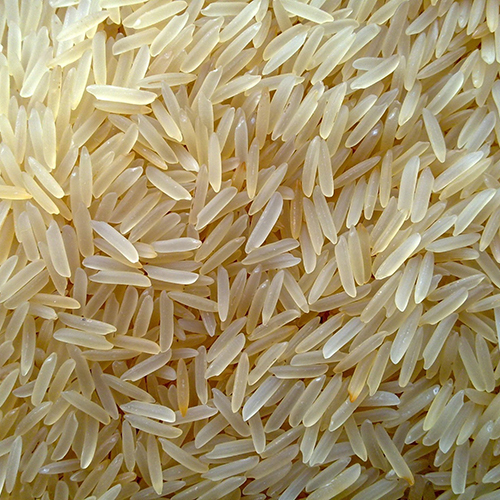
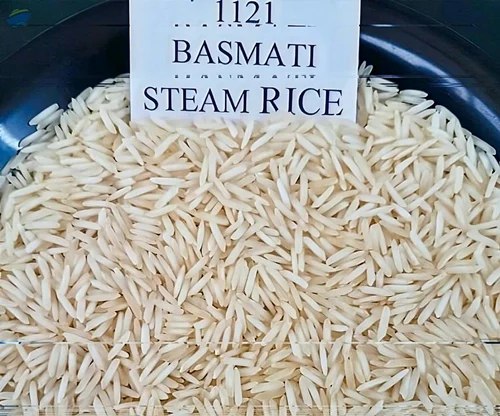
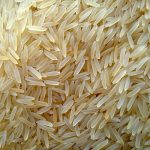
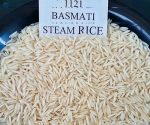
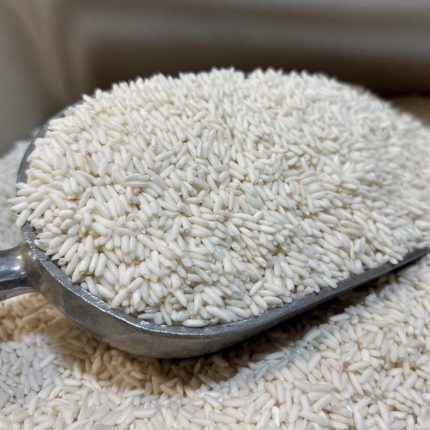
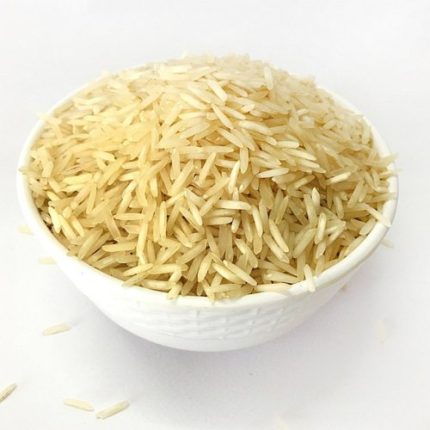
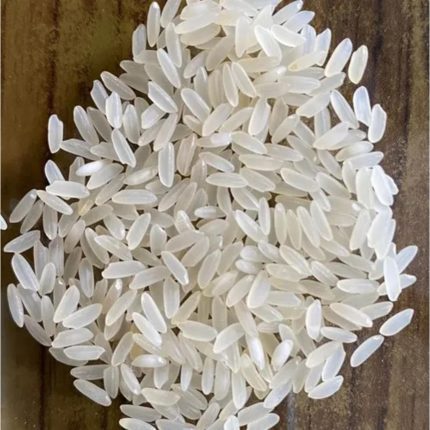
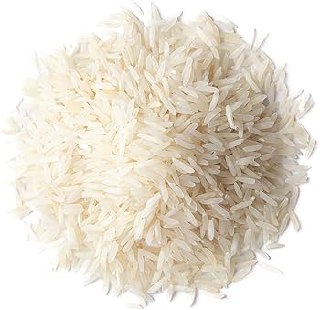
The 1121 designation refers to a specific Pusa Basmati variety recognized across the global rice trade for producing some of the longest grains in the basmati category. Pusa Basmati 1121 is an independently derived variety developed through hybridization, and it is commercially distinguished by grain length both raw and after cooking, non-sticky cooked texture, and a characteristic basmati aroma. This product is processed as steam basmati, meaning the paddy undergoes a controlled steam treatment before milling. Steam processing partially gelatinizes the starch inside the grain, which firms up the structure and helps grains stay separated and intact after cooking – a property particularly valued by foodservice buyers, caterers, and packaged rice distributors.
Karmenda Co. Ltd supplies this rice under the Real Basmati brand, packed in 10 kg pouches, with a stated shelf life of 24 months. The rice is listed as organic and gluten free, which can be relevant for buyers sourcing into health-focused retail channels or specialty food distributors in the U.S. market. Buyers requiring certification documentation for import or retail should request specifics at the inquiry stage, as certification details are not published on this listing.
Product Specifications at a Glance
| Attribute | Detail |
|---|---|
| Brand | Real Basmati |
| Variety | 1121 Steam Basmati Rice |
| Grain Type | Extra-long grain, white |
| Processing | Steam (parboiled-style gelatinization) |
| Pack Size | 10 kg pouch (model: 1121, Pack of 10) |
| Shelf Life | 24 months |
| Dietary | Gluten free, listed as organic |
| Cuisine Application | Indian and South Asian; biryani, pilaf, everyday cooking |
| Nutrient Profile (per 100g dry) | Energy 340 kcal, Protein 6.7 g, Fat 0.5 g, Carbohydrate 77 g |
| Caloric Value (cooked) | 155 kcal (as stated by supplier) |
| Container | Pouch, dimensions approx. 30 x 20 x 10 cm |
| Country of Origin | Kenya |
Note: The product description lists origin as Haryana (a well-known 1121 basmati growing region) and country of origin as Kenya. Buyers with strict import labeling or phytosanitary requirements should confirm origin documentation at the inquiry stage.
How 1121 Steam Basmati Compares to Other Basmati Types
U.S. importers and distributors sourcing basmati rice typically encounter three processing variants: raw (unparboiled), sella (golden or white, fully parboiled), and steam. Understanding the difference matters for matching the product to the right end market.
- Raw 1121 Basmati: Milled directly from dried paddy. Bright white, delicate texture, absorbs flavors quickly. Best for premium retail and restaurant biryani applications where a softer, more fragrant result is desired.
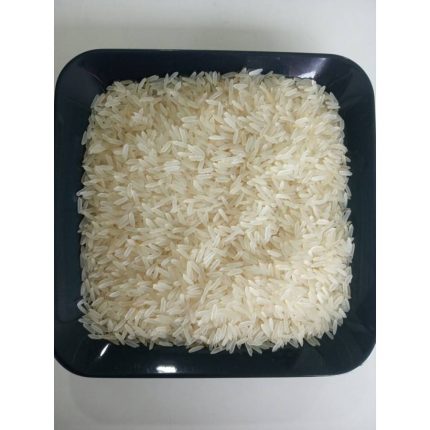
- Steam Basmati (this product): Steam-treated before milling, which firms the grain without the yellow pigmentation of golden sella. Grains remain white, cook separate and non-sticky, and tolerate reheating better than raw. Preferred by caterers, food manufacturers, and everyday foodservice operations.
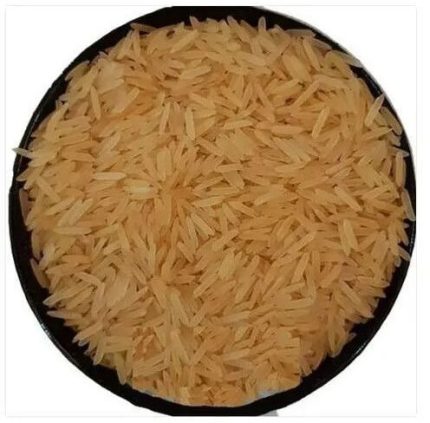
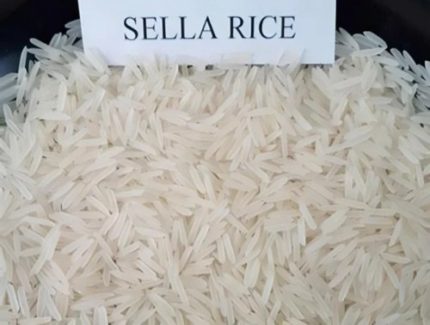
- Golden Sella Basmati: Fully parboiled, yellow-amber color, very firm grain. See our Golden Sella Basmati Rice listing for bulk pricing on that variant.
- White Sella Basmati: Parboiled then whitened. Firm grain, neutral color. Available separately – see White Sella Basmati Rice.
For buyers comparing aromatic long-grain options across categories, our Jasmine Rice and Long Grain White Rice are also available for wholesale inquiry. Browse the full Rice catalog for all available varieties.
Cooking Guidance for Buyers and End Users
Steam-processed 1121 basmati has different absorption characteristics compared to raw white rice. The notes below are provided as general buyer guidance to help importers, packagers, and retail distributors understand the product’s cooking behavior – useful when developing packaging instructions or customer-facing content.
Water Ratio for 1121 Steam Basmati
Because steam processing partially sets the starch, this rice typically requires slightly less water than raw basmati of the same grain length. A starting ratio of 1 part rice to 1.5 parts water works well on the stovetop, though volume, altitude, and equipment will influence the result. Buyers developing retail packaging instructions should test with a target water ratio between 1:1.5 and 1:1.75 depending on their market’s cooking habits.
Basmati and jasmine are both long-grain fragrant varieties recognized by the Harvard T.H. Chan School of Public Health as among the most widely consumed aromatic rice types globally. Rice nutrition and variety overview – Harvard Nutrition Source
Stovetop Method
Bring measured water to a boil, add rice, stir once, then reduce heat to the lowest setting and cover tightly. Cook for 12 to 15 minutes until water is absorbed. Remove from heat and allow to rest, covered, for 5 minutes before fluffing with a fork. The resting period lets residual steam finish the cooking without making the bottom layer mushy – important for achieving the grain separation that makes 1121 basmati commercially valuable.
Oven and Rice Cooker Methods
For large-batch institutional cooking, an oven method (covered baking dish, 180C / 350F, approximately 25 minutes) produces consistent results across larger volumes and avoids the risk of scorching on high-volume stovetop runs. Rice cookers calibrated for long-grain basmati work well with steam basmati and are the standard in South Asian food operations across the U.S.
A Common Preparation Error to Avoid
Over-soaking steam basmati before cooking breaks down the partial gelatinization that gives this variety its firm, separate texture after cooking. A brief rinse is sufficient to remove surface starch if buyers or end users prefer to rinse at all. There is no requirement to soak this rice for extended periods, and doing so can result in grain breakage and a stickier final texture – the opposite of what 1121 basmati is chosen for.
Rinsing: What the Evidence Actually Shows
For steam basmati, a single cold rinse removes loose surface starch and any milling dust without compromising grain structure. Extended rinsing or soaking is counterproductive for this processing type. Distributors packaging this product for retail should reflect this in their cooking instruction copy rather than applying a generic long-grain basmati rinsing recommendation.
Applications and Commercial End Markets
1121 steam basmati rice is well suited to a range of U.S. commercial channels:
- Indian and South Asian restaurants: Biryani, pulao, and plain steamed rice service where non-sticky, long grains are required at volume.
- Ethnic grocery distributors: 10 kg retail pouches or bulk re-pack for the South Asian and Middle Eastern grocery segment.
- Food manufacturers and co-packers: Ingredient rice for ready meals, frozen biryani, and microwaveable rice pouches where steam-processed grain stability is needed.
- Institutional foodservice and catering: Hotels, event caterers, and cafeteria operators serving South Asian menus at scale.
- Health food retailers: The gluten-free and listed-organic attributes make this relevant for specialty natural product retail, subject to certification verification.
Buyers sourcing for everyday consumption markets will find the 24-month shelf life practical for container-level import and distribution, reducing turnover pressure compared to shorter-dated rice products.
Packaging and Bulk Supply Details
The standard retail unit is a 10 kg pouch (approx. 30 cm x 20 cm x 10 cm). Buyers requiring 25 kg sack format, bulk bags, or custom private-label packaging for the U.S. market should raise this at the inquiry stage. No MOQ or container capacity figures are published on this listing – contact Karmenda directly to confirm available pack formats, pallet configuration, and current supply capacity for your order volume.
U.S. Import Considerations for 1121 Basmati Rice
Buyers importing rice into the United States should be aware of the following standard requirements. This is general buyer guidance and does not constitute legal or regulatory advice.
- FDA Prior Notice: All food imports to the U.S. require FDA Prior Notice submission before arrival.
- Phytosanitary Certificate: Required for rice shipments. Confirm availability with the supplier at the time of order.
- Labeling Requirements: U.S. retail packaging must comply with FDA nutrition labeling and country of origin rules. Buyers re-packing in the U.S. should verify origin documentation aligns with labeling obligations.
- Organic Certification: If sourcing for USDA Organic retail, request the relevant organic certification documentation. Organic status as listed has not been independently verified by this listing.
- Tariff Classification: 1121 basmati rice typically falls under HTS heading 1006 (rice). Importers should confirm the applicable subheading with a licensed customs broker.
Frequently Asked Questions from B2B Buyers
What is the difference between 1121 steam basmati and 1121 sella basmati?
Steam basmati undergoes a partial steam treatment that firms the grain while keeping the grain white. Sella (parboiled) involves a more complete hydrothermal process and typically produces a yellower grain. Both cook with good grain separation, but steam basmati more closely resembles raw basmati in color and aroma, making it preferred where appearance matters to the end consumer.
Can I order in quantities larger than 10 kg?
The listed unit is a 10 kg pouch. Wholesale and bulk formats including 25 kg, 50 kg, or full container loads are available on request. Use the inquiry form to specify your target volume and preferred packaging format.
Is this product suitable for U.S. retail sale?
The product carries gluten-free and organic listings and has a 24-month shelf life. For U.S. retail, buyers will need to confirm FDA compliance, country of origin documentation, and applicable certifications before listing. Contact us to request documentation.
What is the current wholesale price per kg or per 25 kg bag?
Wholesale pricing for 1121 basmati rice varies with order volume, packaging format, shipping terms (FOB, CIF), and market conditions. Submit a quote request with your target quantity and destination port for a current price indication.
Does this rice require pre-soaking before cooking?
No extended soaking is needed or recommended for steam-processed 1121 basmati. A brief rinse under cold water is sufficient. Over-soaking can soften the grain structure and undermine the non-sticky texture that makes this variety commercially desirable.
Explore Long Grain White Rice.
For further details on Authoritative reference relevant to buyer guidance, standards or compliance, consult Rice University.


Reviews
There are no reviews yet.