

What Parboiling Actually Does to the Grain
Parboiling is not a cooking step. It is a pre-milling hydrothermal treatment applied while the husk is still intact. The three stages, soaking, steaming, and drying, force water into the grain, gelatinize the starches, and drive water-soluble nutrients, particularly thiamin (vitamin B1), from the bran layer inward toward the endosperm. Once the husk is removed during milling, those nutrients are retained in the white grain rather than discarded with the bran. The result is a nutritionally denser white rice than conventionally milled product.
The gelatinization and retrogradation that occur during parboiling also change the starch structure. Cooked long grain parboiled rice tends to stay firmer and separate more readily than standard milled white rice, which matters to food service operations, institutional caterers, and co-manufacturers who need consistent texture across high-volume batches.
A secondary but commercially relevant effect is improved storage stability. The parboiling process reduces moisture levels and alters the grain surface in ways that make the rice noticeably more resistant to weevil infestation compared to raw milled white rice, an important factor for distributors managing longer supply chains or warehousing in warm-climate regions.
Product Specifications at a Glance
The table below reflects standard trade characteristics for long grain parboiled rice. Buyers sourcing at wholesale or import scale should request a formal specification sheet and COA (certificate of analysis) before committing to volume.
| Parameter | Typical Trade Specification |
|---|---|
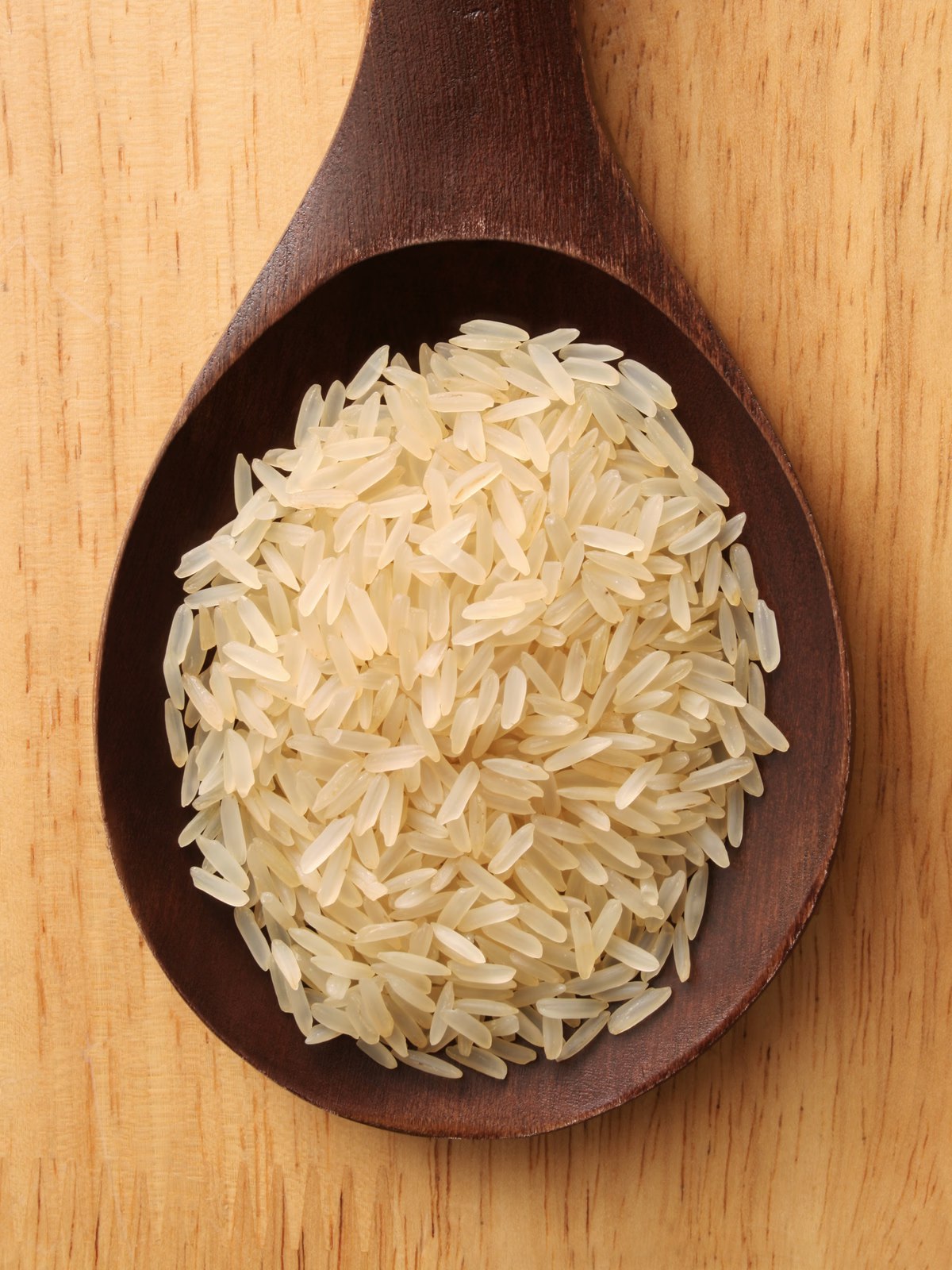
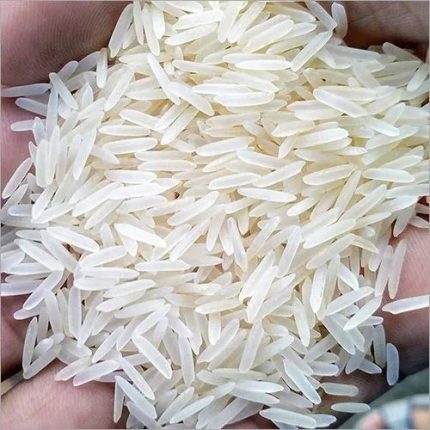
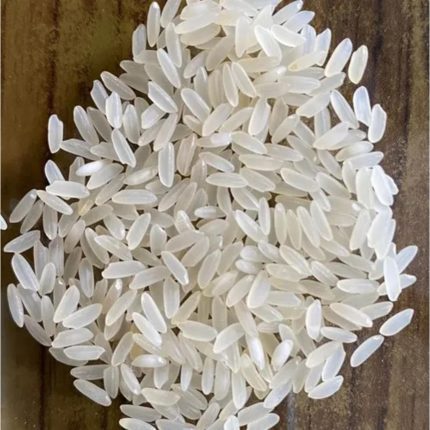
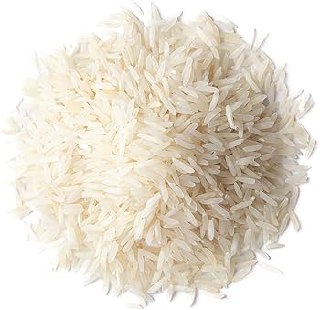
| Grain type | Long grain (length-to-width ratio generally 3:1 or greater) |
| Processing method | Parboiled (soaked, steamed, dried) before milling |
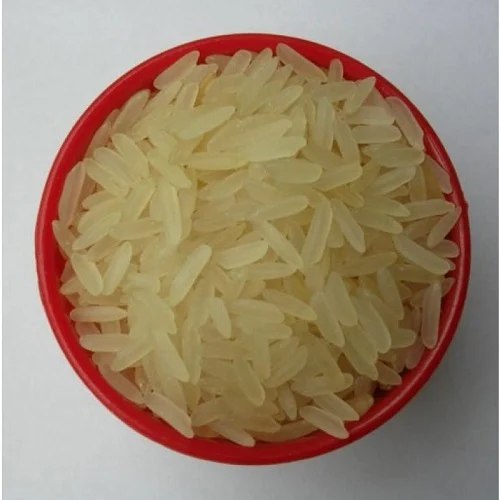
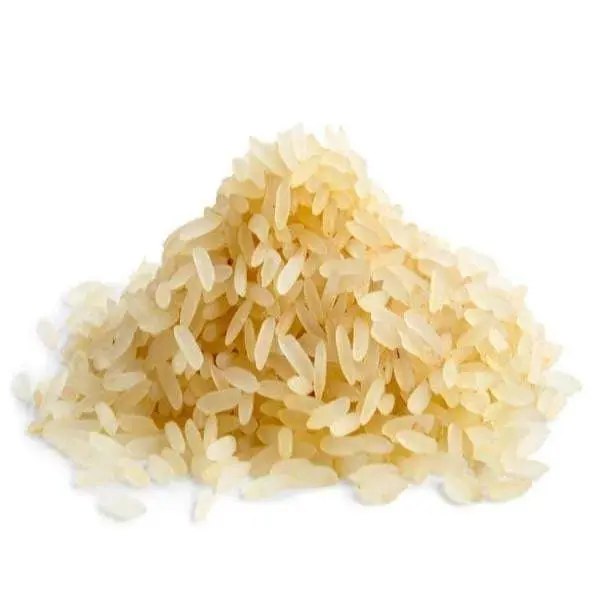
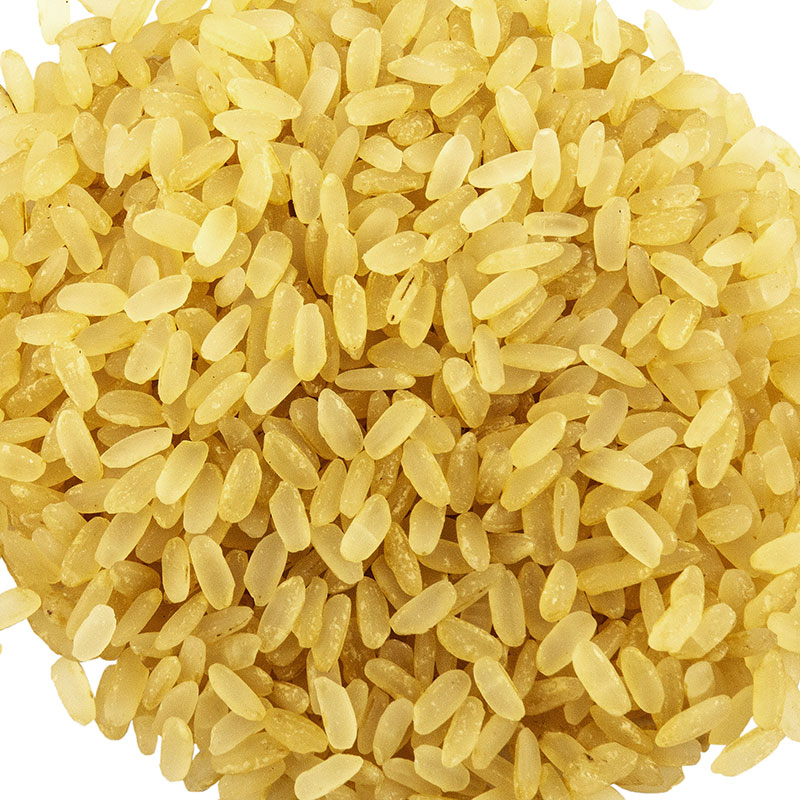
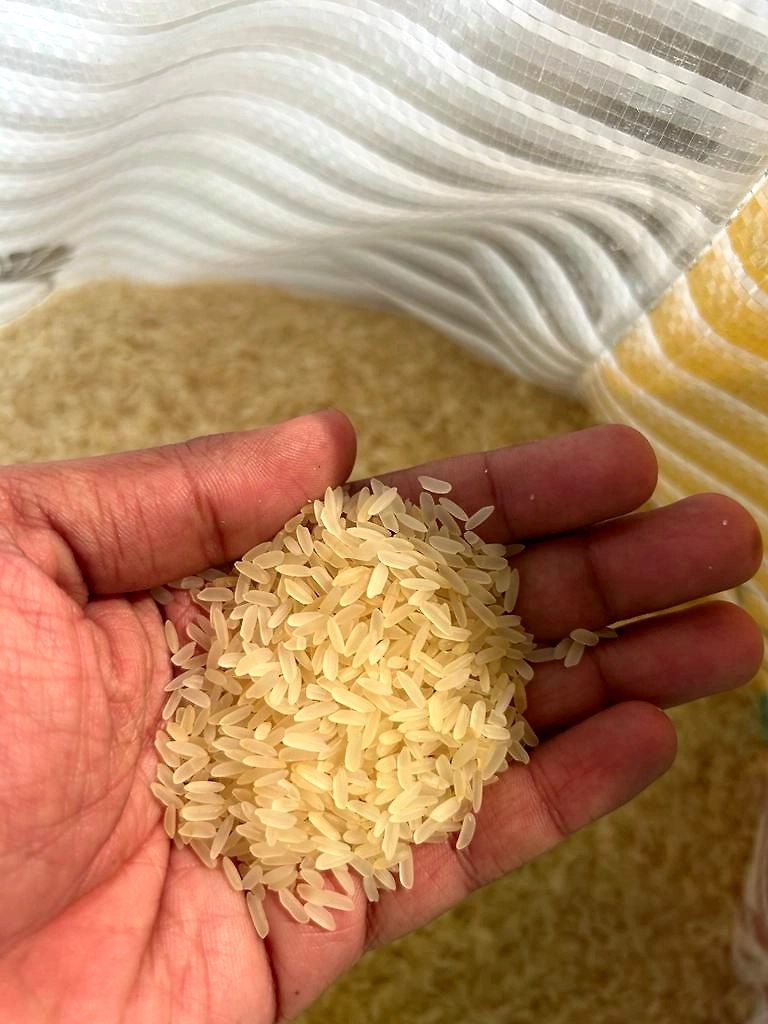
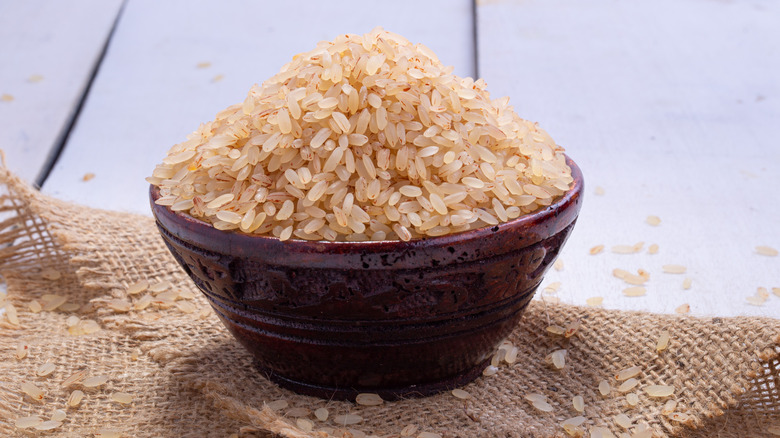
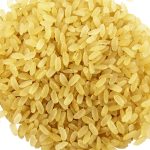
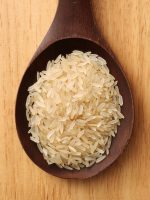
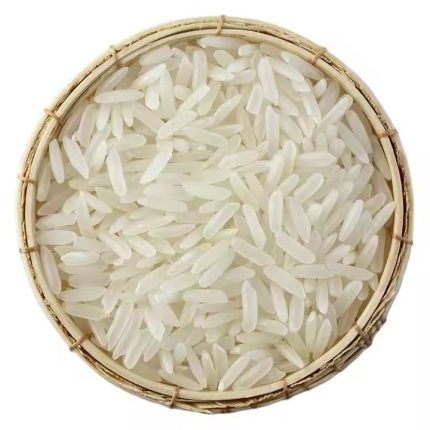
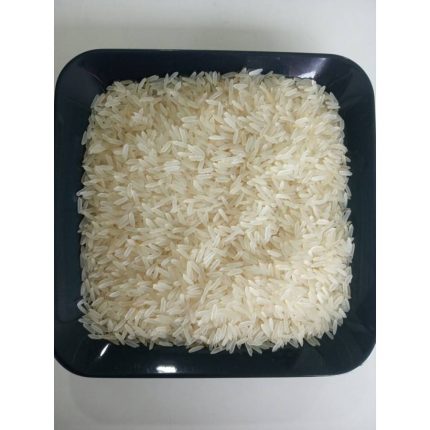
| Color | Pale amber to golden, whitening further on cooking |
| Moisture content | Available on request; standard export grades typically 12-14% |
| Broken grains | Grade-dependent; specify acceptable broken percentage when requesting quote |
| Packaging | Bulk bags, PP woven sacks, or custom private-label options, available on inquiry |
| Shelf life | Extended vs. standard white rice due to parboiling; exact duration depends on storage conditions |
Note: Specific moisture, broken grain percentage, and packaging details are confirmed at the quotation stage. Do not treat indicative values above as contractual specifications.
Where This Rice Fits in the U.S. Supply Chain
Food Service and Institutional Catering
High-volume kitchens, school nutrition programs, hospital catering, and corrections facility suppliers represent a consistent demand base for parboiled long grain rice. The grain’s ability to hold texture after cooking and to reheat without clumping makes it the practical choice for operations that cook in advance or hold rice in steam tables. Procurement managers in this segment typically buy by the pallet or truckload and prioritize supply reliability over marginal price differences.
Retail Repackaging and Private Label
U.S. distributors who private-label rice for grocery chains, ethnic grocery networks, or club-format retailers often source parboiled long grain as a core SKU alongside standard white rice. The enriched profile (thiamin and other B vitamins retained through parboiling) can support labeling claims within standard FDA enriched rice guidelines, though buyers must verify enrichment levels with their own testing and labeling counsel.
Food Manufacturing and Co-Packing
Rice side-dish manufacturers, frozen meal producers, and dry mix formulators frequently specify parboiled rice because the pre-gelatinized starch behaves predictably during industrial processing. The grain tolerates extended cooking cycles, retort processes, and freeze-thaw cycles better than standard white rice, reducing quality loss in the finished product.
Wholesale Distribution
Wholesalers supplying ethnic grocery retailers, Caribbean, West African, and South Asian community markets, and food co-ops will find long grain parboiled rice a straightforward stocking item. Demand is established, the product is not seasonal, and the resistance to weevil infestation reduces shrinkage risk during warehousing.
Why Source from a Kenya-Based Exporter
Kenya occupies a practical transit position for rice consolidated from East African and Asian origins, and established exporters here have documented experience navigating the documentation requirements for U.S. import, including phytosanitary certificates, certificates of origin, and export health compliance. For U.S. buyers looking to diversify their import origin beyond dominant Asian and South American suppliers, sourcing through an experienced East African exporter can support supply chain redundancy without sacrificing product quality or documentation standards.
Buyers should request copies of available export certifications, quality inspection reports, and any third-party lab analysis before placing an initial order. This is standard practice for any first-time international rice sourcing relationship and something a credible exporter will supply without hesitation.
Buyer Considerations Before Requesting a Quote
Grade and Broken Percentage
Rice trade grades are defined primarily by the percentage of broken grains. Whole grain (extra long, long) commands a price premium. Second grade (with higher broken percentages) suits food service and manufacturing applications where whole-grain appearance is not critical. Be specific about the grade you need when submitting an inquiry, as pricing differences between grades are meaningful at volume.
Enriched vs. Non-Enriched
In the U.S. retail market, parboiled long grain rice is commonly sold as enriched, meaning iron and B vitamins are added after milling to meet FDA standards for enriched rice (21 CFR Part 137). If your end use requires enriched product to carry compliant labeling, confirm whether enrichment is applied by the supplier or by you as the importer. If sourcing for food service or industrial use where enrichment labeling is not required, non-enriched parboiled rice may be an acceptable and lower-cost option.
Packaging Format
Importers buying for direct retail distribution will typically need consumer-ready bags (2 lb, 5 lb, 10 lb, 25 lb) with compliant nutrition facts panels. Buyers sourcing for warehouse or bulk repack should specify bulk bag sizes (50 lb PP woven sacks are common in the trade). Both options can generally be accommodated; specify your preference and whether you need custom branding at the inquiry stage.
Minimum Order and Lead Time
We do not publish a fixed minimum order quantity or lead time on this page, as both depend on grade, packaging, destination port, and current logistics conditions. Contact us directly with your volume requirement and target delivery window and we will respond with a realistic commercial offer.
Related Rice Products Available for Bulk Export
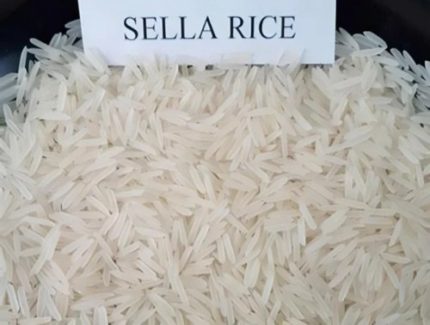
If your sourcing program covers multiple rice varieties, we supply a range of milled and specialty rice types alongside long grain parboiled. Buyers consolidating multiple SKUs into one shipment often reduce per-unit freight costs meaningfully. Our catalog includes Long Grain White Rice, Parboiled Rice in additional format options, and Golden Sella Basmati Rice, which is itself a parboiled basmati variety widely used in South Asian diaspora retail. Browse our full Rice catalog for the complete range.
Request a Wholesale Quote
To receive a trade price for long grain parboiled rice, use the inquiry form on this page or contact our export team directly. Please include your intended volume (in metric tons or pounds), required grade, packaging preference, destination port, and any certification requirements. We will respond with a formal quotation, available product specification sheets, and relevant export documentation samples.


Reviews
There are no reviews yet.